Artwork
Group Portrait of Three Members of the Paris Council (fragment of the lost painting)
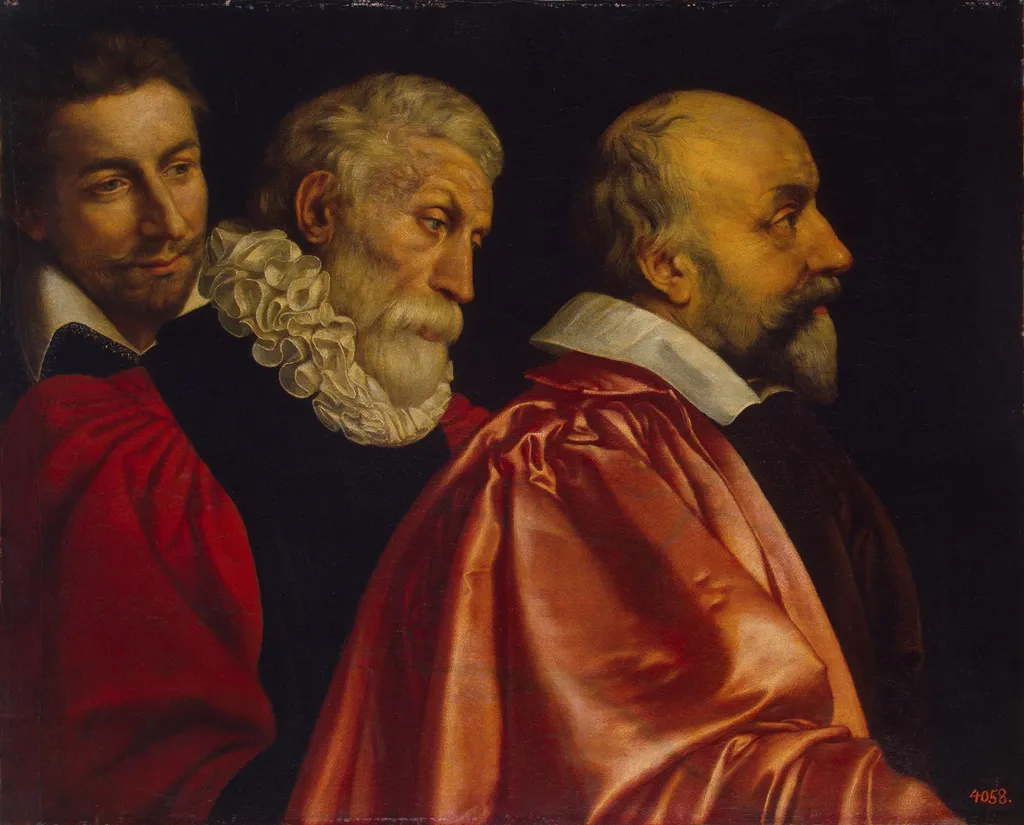
Group Portrait of Three Members of the Paris Council (fragment of the lost painting) is an oil painting by the Flemish Baroque painting artist Frans Pourbus, the Younger. It dates from 1616 and is held in the collection of the Hermitage Museum. This fragment originates from a larger group portrait commissioned in 1616 by the Paris Council.
About this work
Overview
Painted by Frans Pourbus the Younger, a Flemish artist active in European courts, it survives as a partial record of a now-lost composition.
This fragment originates from a larger group portrait commissioned in 1616 by the Paris Council. Painted by Frans Pourbus the Younger, a Flemish artist active in European courts, it survives as a partial record of a now-lost composition. Executed in oil on panel, the work captures three civic officials in formal dress, their likenesses rendered with precision. The fragment is currently held in the State Hermitage Museum, preserving a glimpse of early 17th-century French institutional portraiture.
Subject & Meaning
The three figures represent members of the Paris Council, identified by their dignified posture and official attire. Each man is depicted with individualized facial features and expressions, suggesting a deliberate effort to convey personal identity alongside institutional authority. Their clothing—dark robes, ruffled collars, and colored cloaks—signals rank and civic status, reflecting the importance of appearance in public office during the period. The composition implies unity among the councilors, though the original context of the full painting remains unknown.
Technique & Style
Pourbus employed fine brushwork to render textures of fabric, skin, and hair with subtle gradations of light. The dark, neutral background isolates the figures, drawing attention to their garments and facial details. His approach aligns with Flemish Baroque traditions, emphasizing realism and material richness without theatricality. The restrained palette and controlled lighting reflect his training in Antwerp and his experience as a court portraitist, where clarity and dignity were paramount.
History & Provenance
The full painting was likely commissioned for display in a civic building in Paris, but the complete work has been lost since the 17th century. Only this fragment, containing three figures, survived, possibly due to later removal or division. It entered the Hermitage collection in the 19th century, likely through acquisition from a European private collection. Its survival offers rare insight into the portraiture practices of French civic institutions under Flemish artistic influence.
Context
In early 17th-century France, civic authorities increasingly sought to legitimize their roles through commissioned portraiture, often hiring foreign artists with established reputations. Pourbus, trained in Antwerp and experienced at the Habsburg and Mantuan courts, was a natural choice for such commissions. His presence in Paris reflects the broader cultural exchange between the Southern Netherlands and northern France, where Flemish techniques influenced local artistic norms.
Legacy
Though the original composition is gone, this fragment remains a valuable document of civic portraiture in early modern France. It illustrates how Flemish artistic conventions were adapted to French institutional settings, bridging regional styles. Scholars use it to reconstruct the visual language of governance during a period of political consolidation, offering a tangible link to the aesthetics of power in pre-revolutionary Paris.
Own this work as a print
Artist & collection
Artist
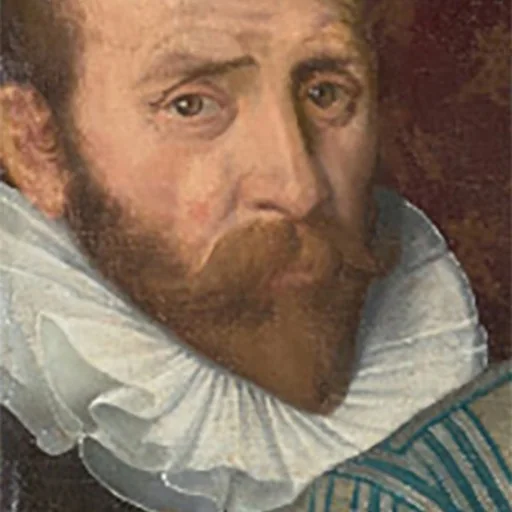
Frans Pourbus the Younger or Frans Pourbus (II) (Antwerp, 1569 – Paris, 1622) was a Flemish painter, specialised in portrait painting.

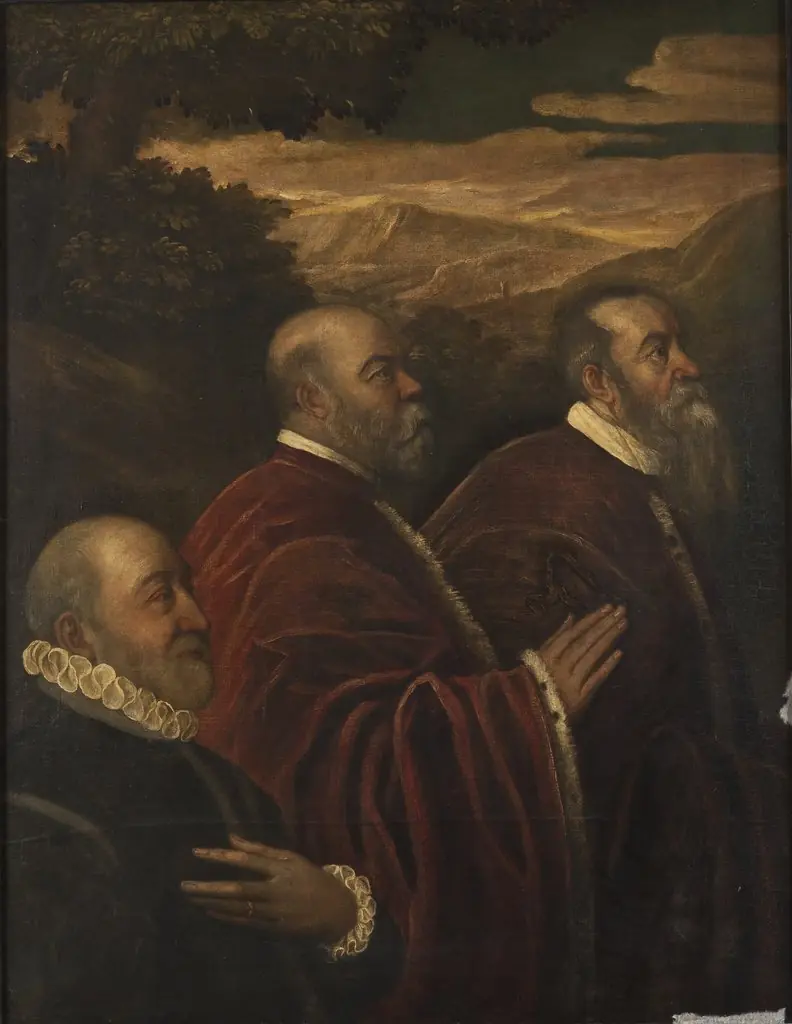 Two Venetian procurators and a donor (fragment)
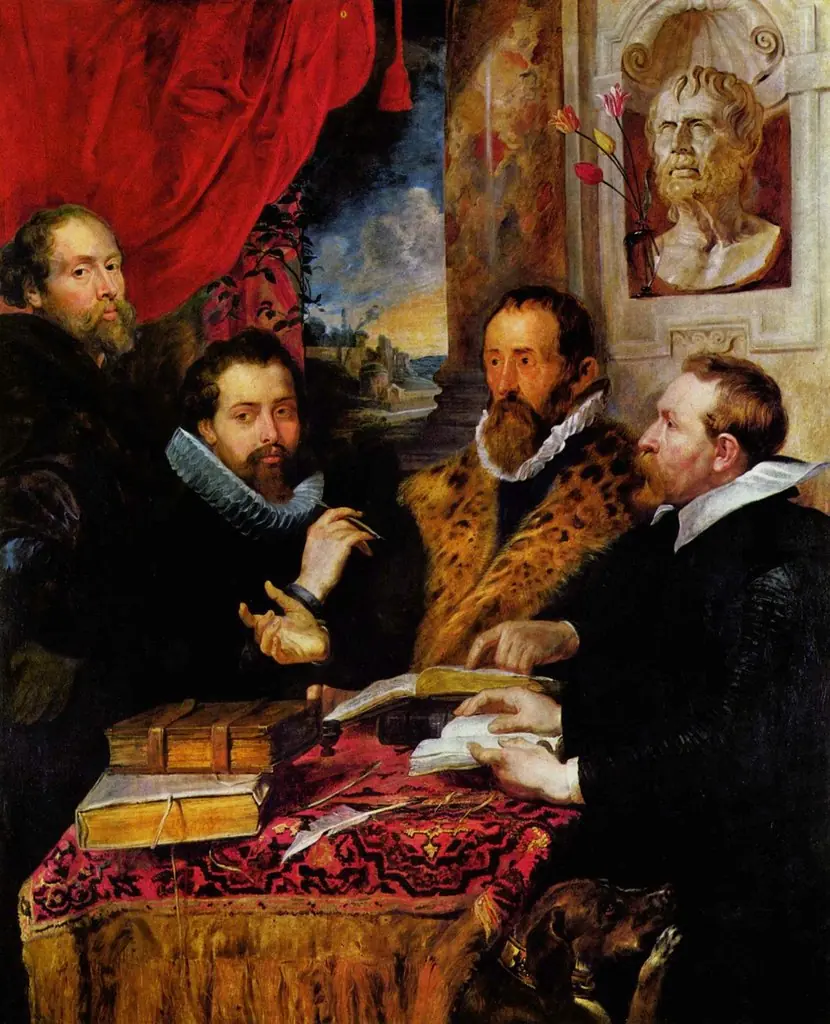 The Four Philosophers
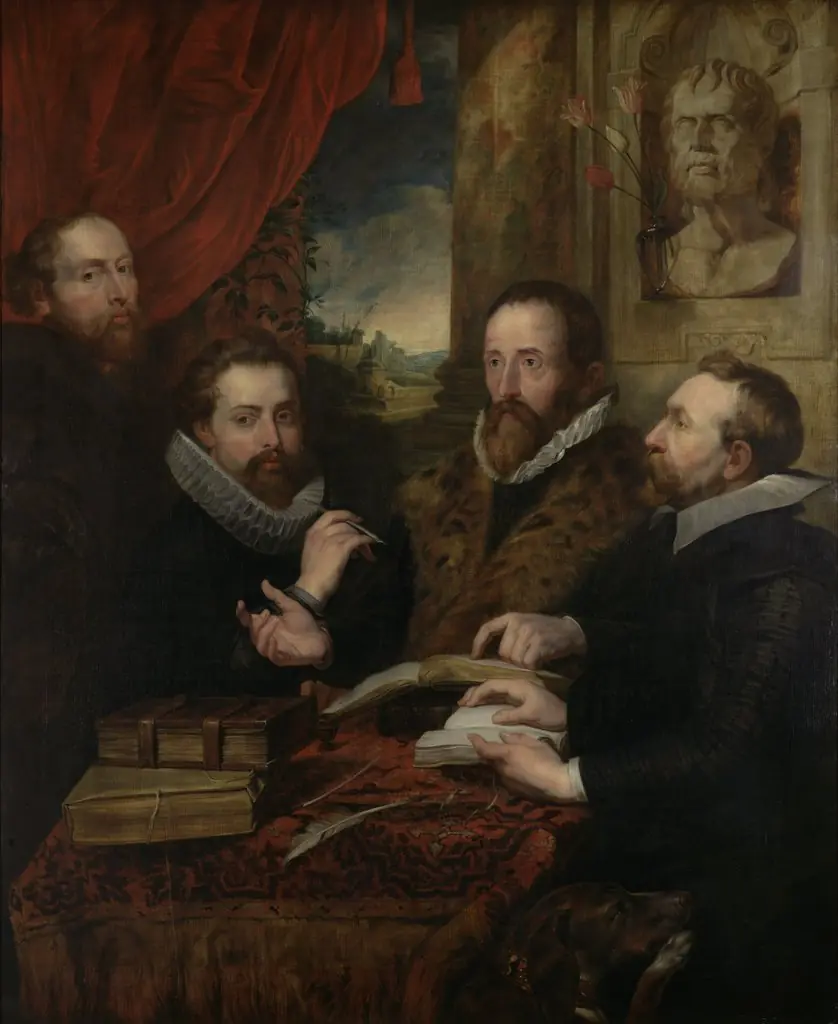 Four Philosophers
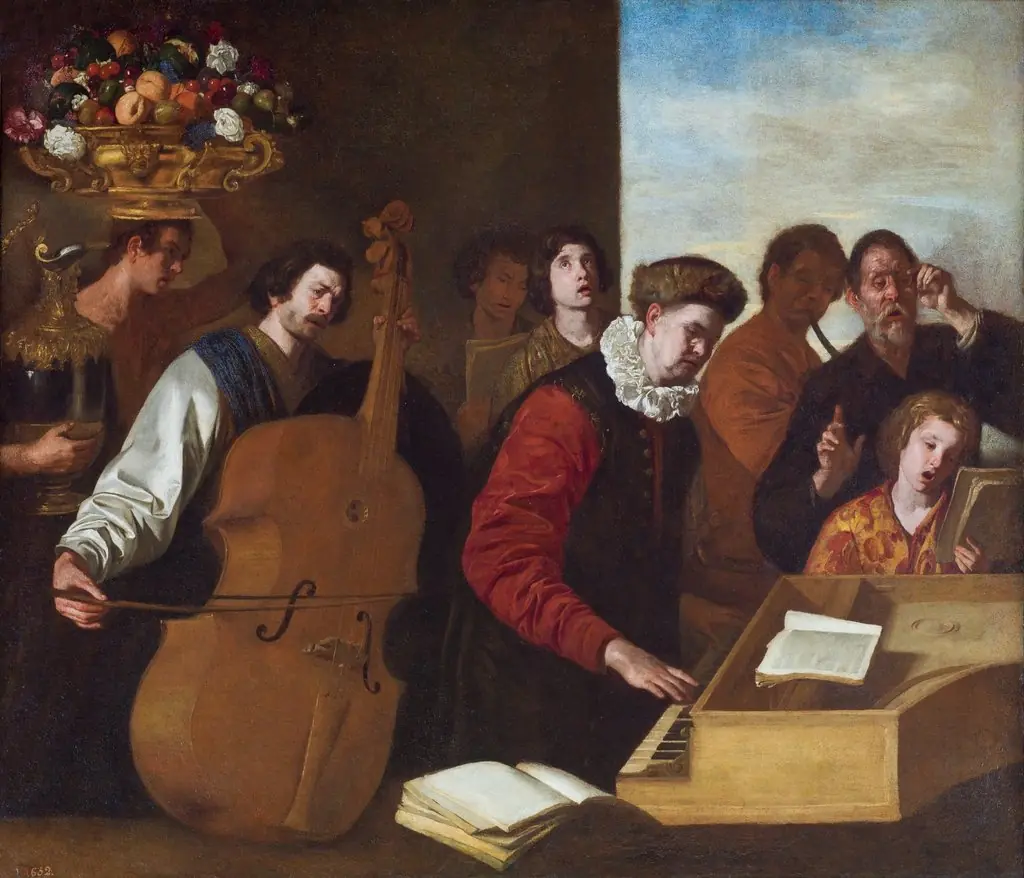 The Concert
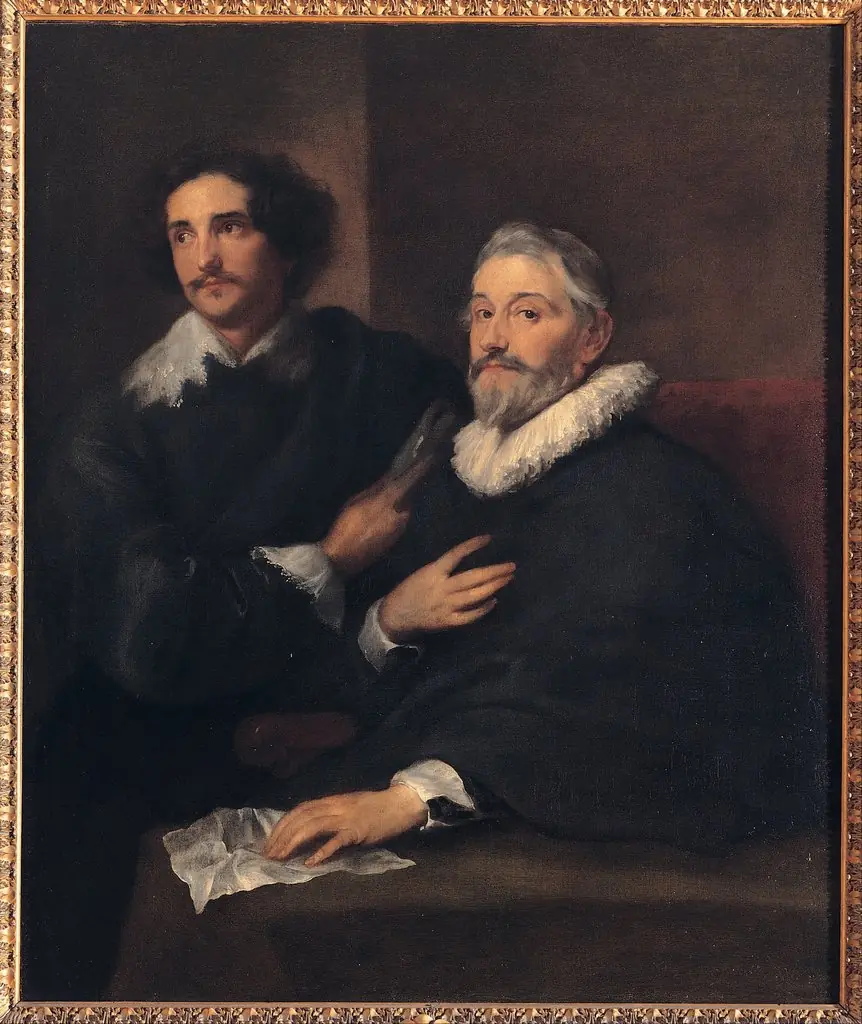 Portrait of the engravers Pieter de Jode the Elder and Pieter de Jode the Younger
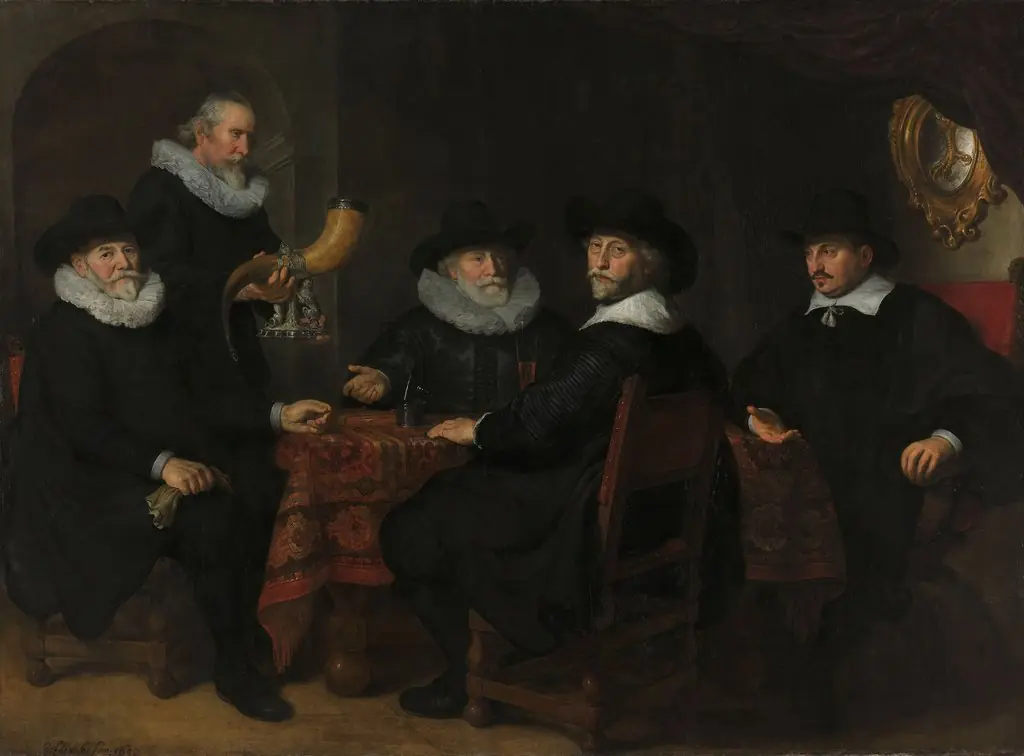 Four directors of the arquebusier's guild, Amsterdam, 1642
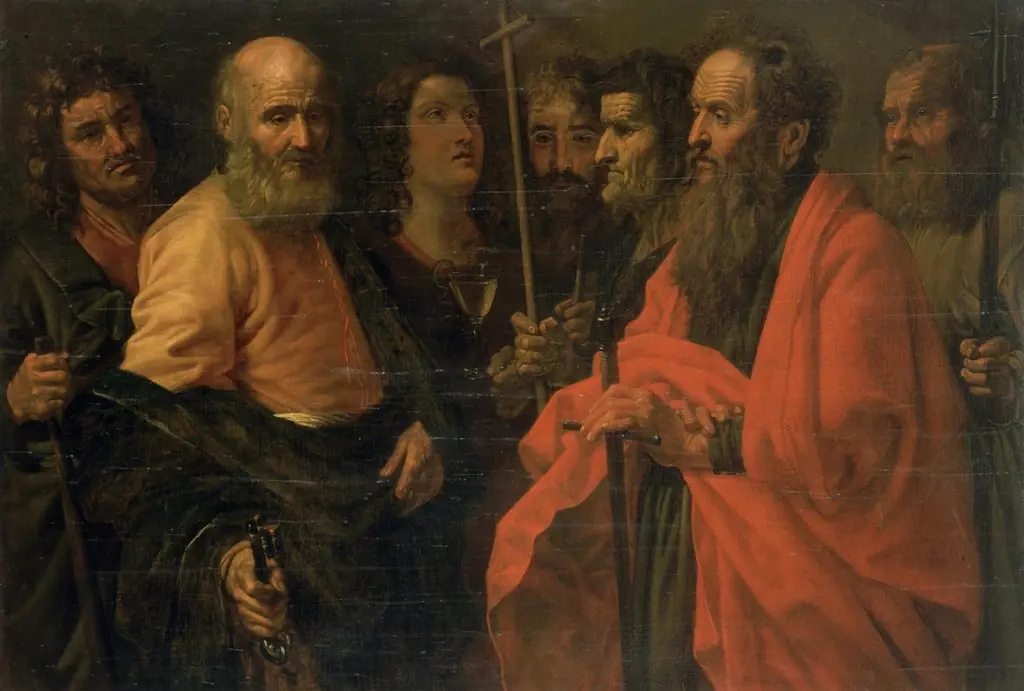 St James the Less, Sts Peter, Paul, John, Thomas, Philip, Judas and Thaddeus the Apostles
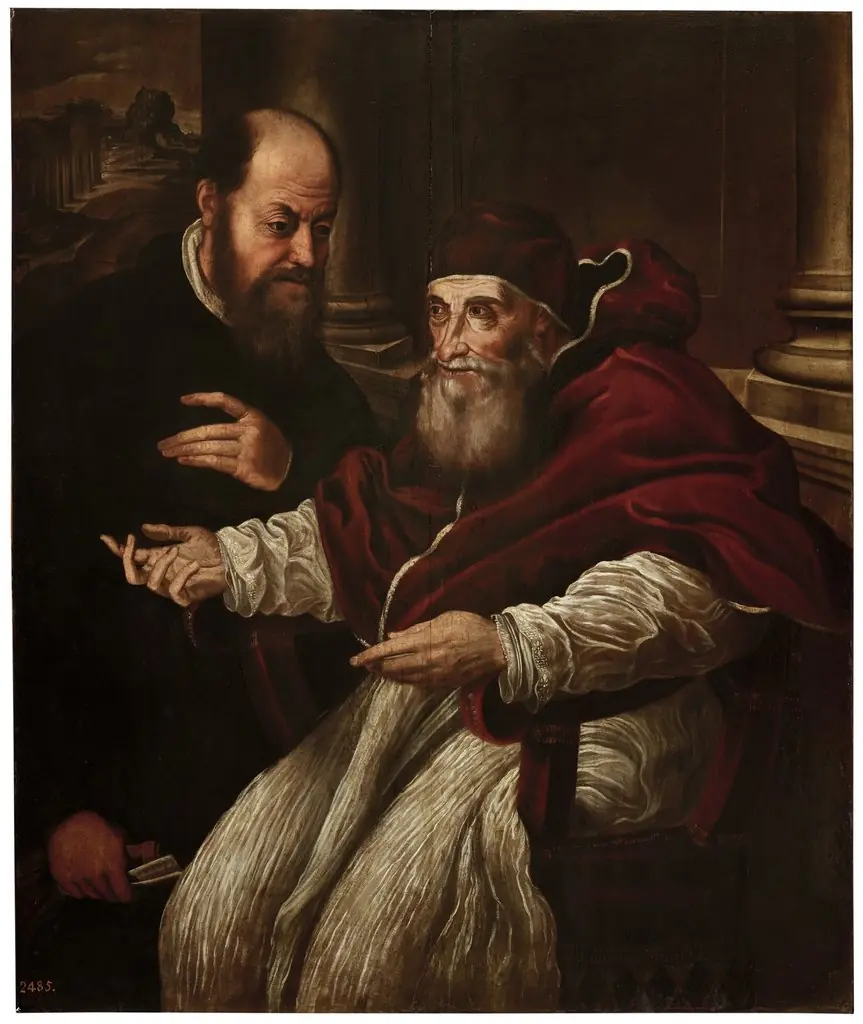 Paul III with a prelate
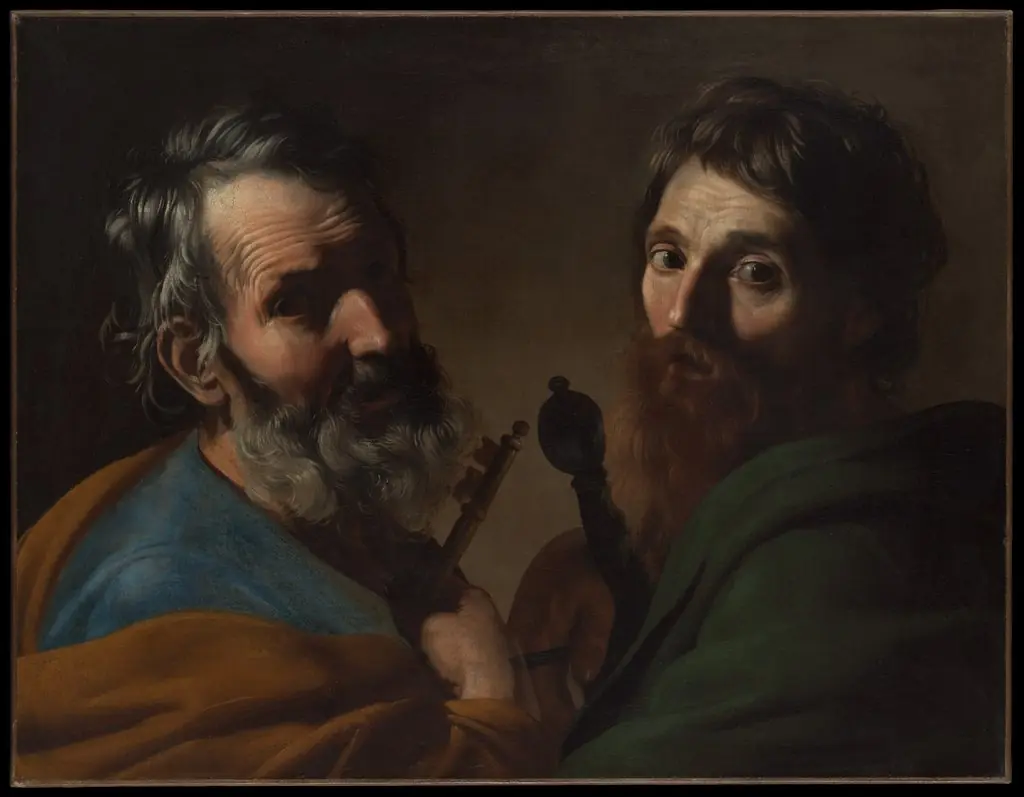 Saints Peter and Paul
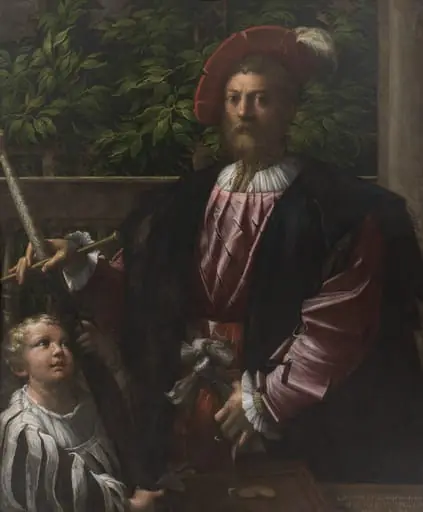 Portrait of Lorenzo Cybo
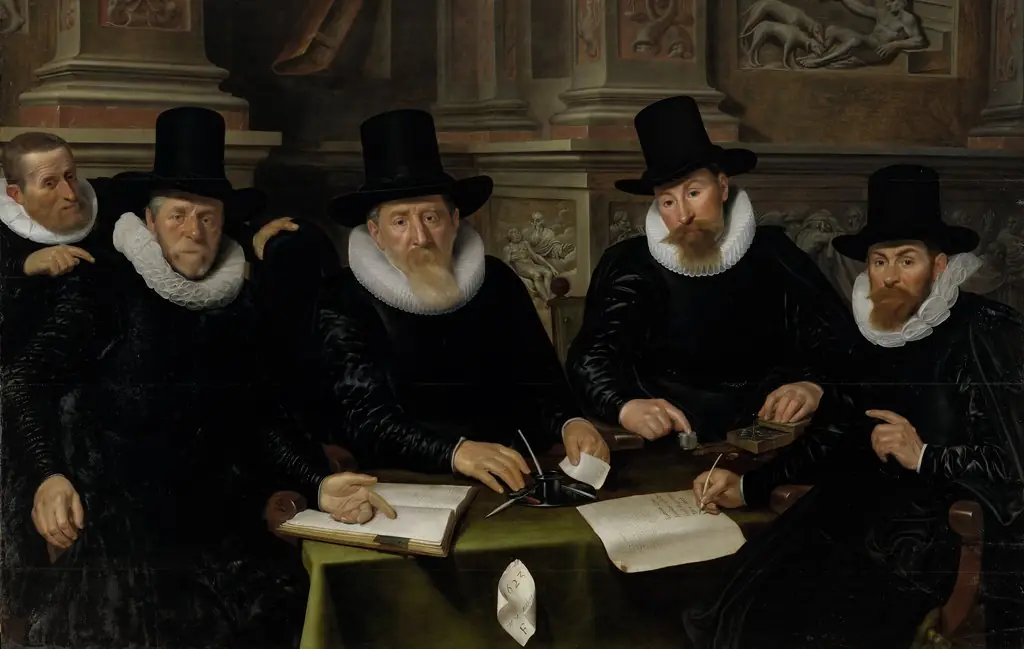 Four Regents and the ‘House Father’ of the Amsterdam Lepers’ Asylum
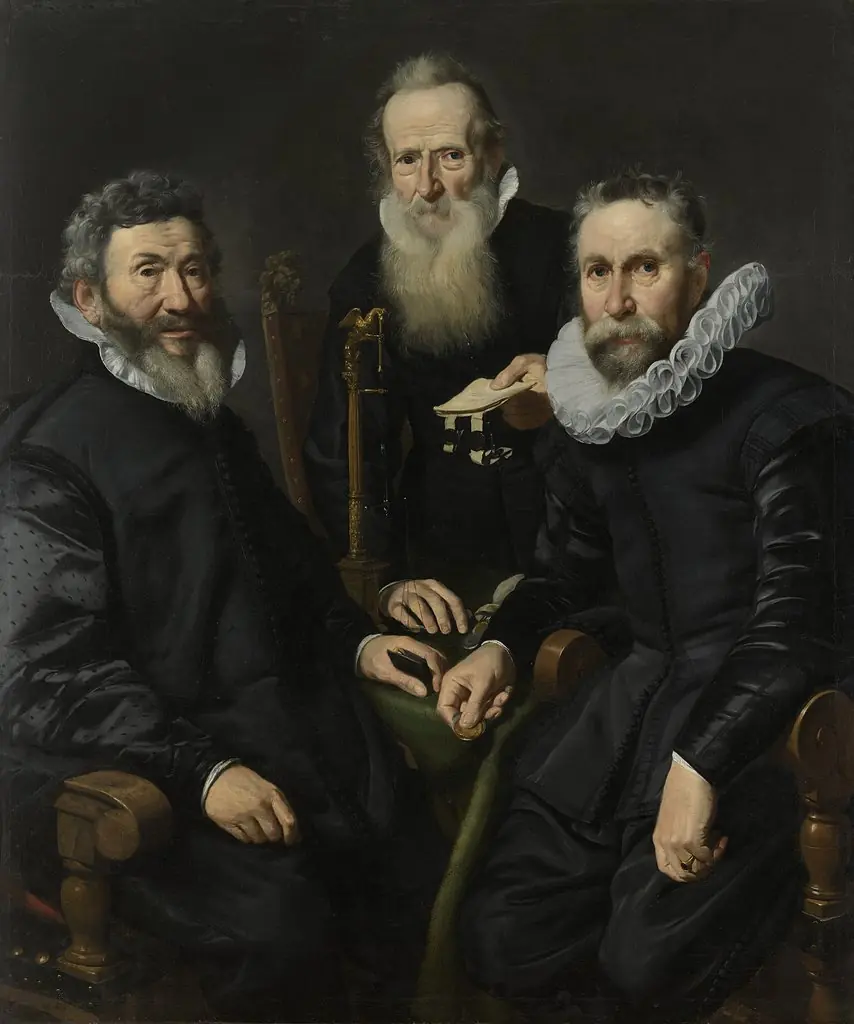 Group Portrait of an unidentified Board of Governors