Artwork
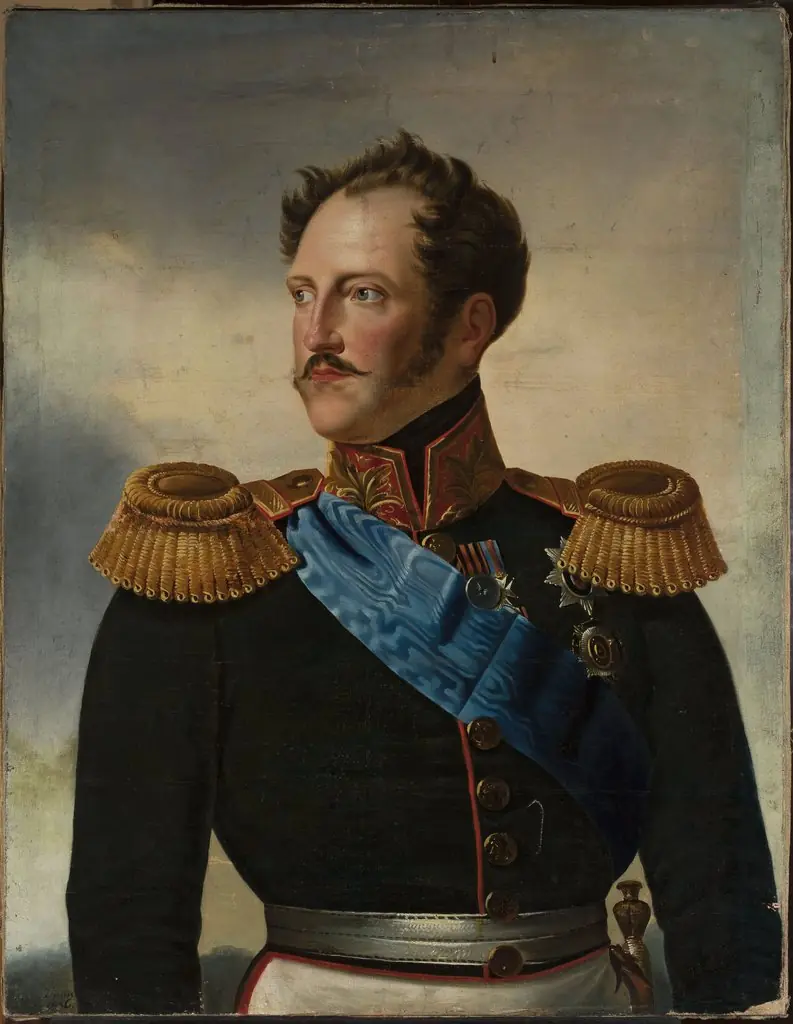
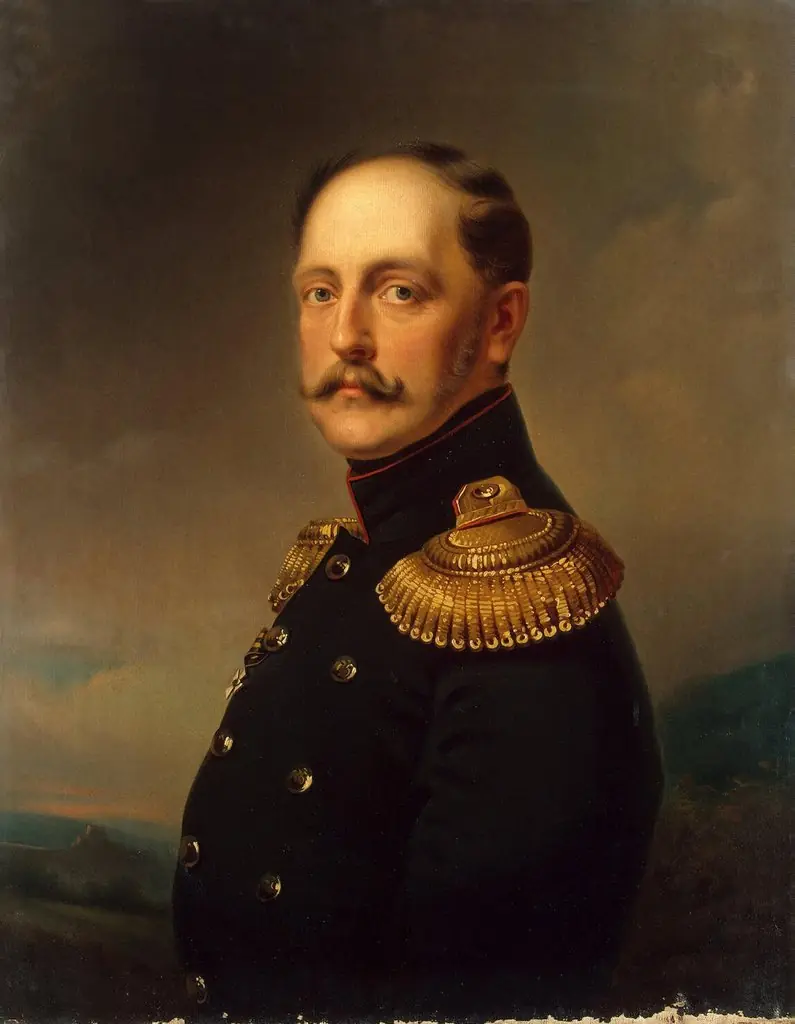
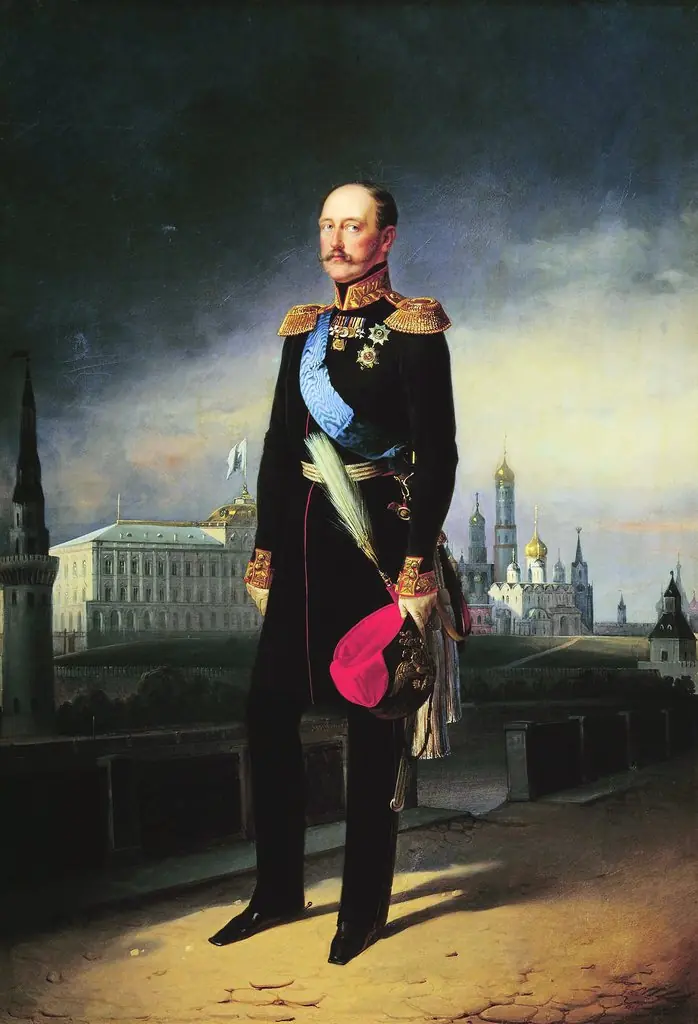
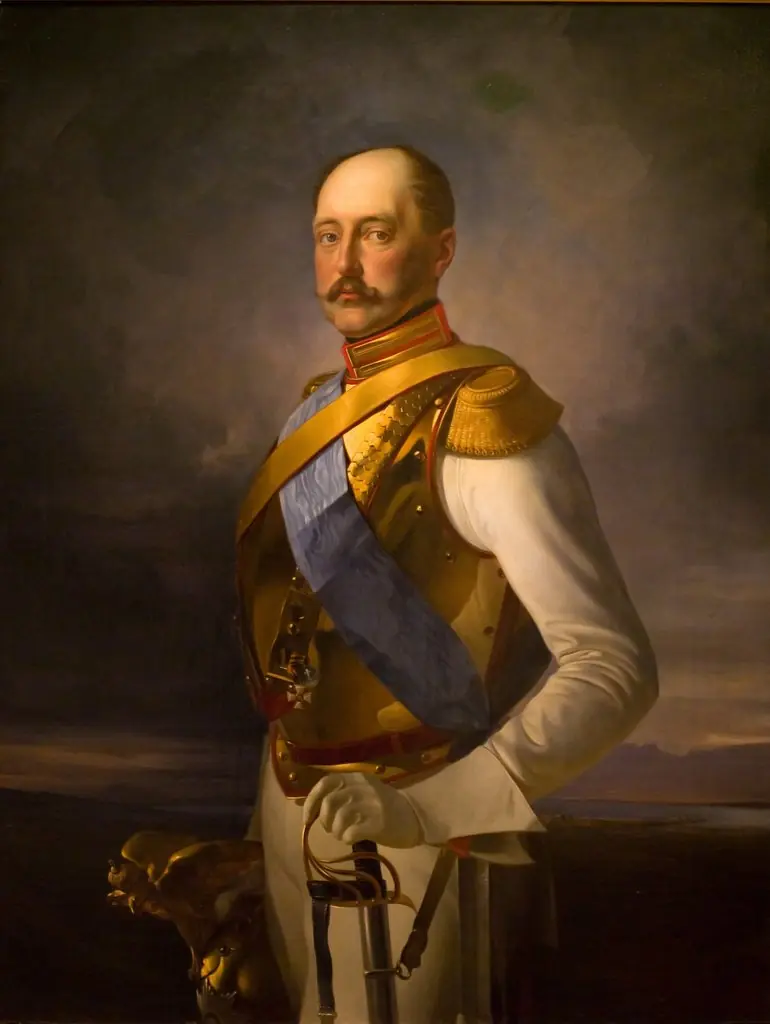
Portrait of Emperor Nicholas I
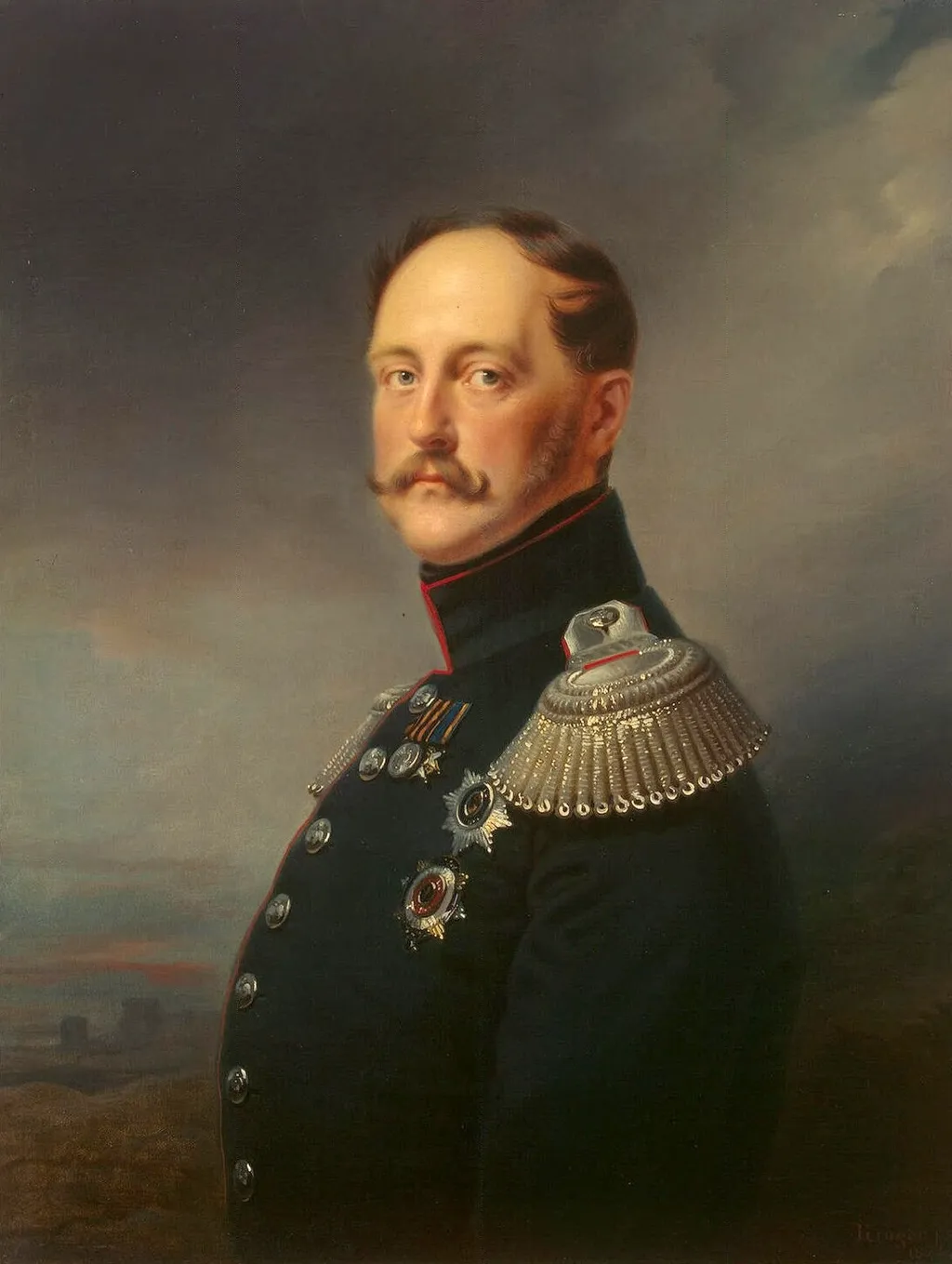
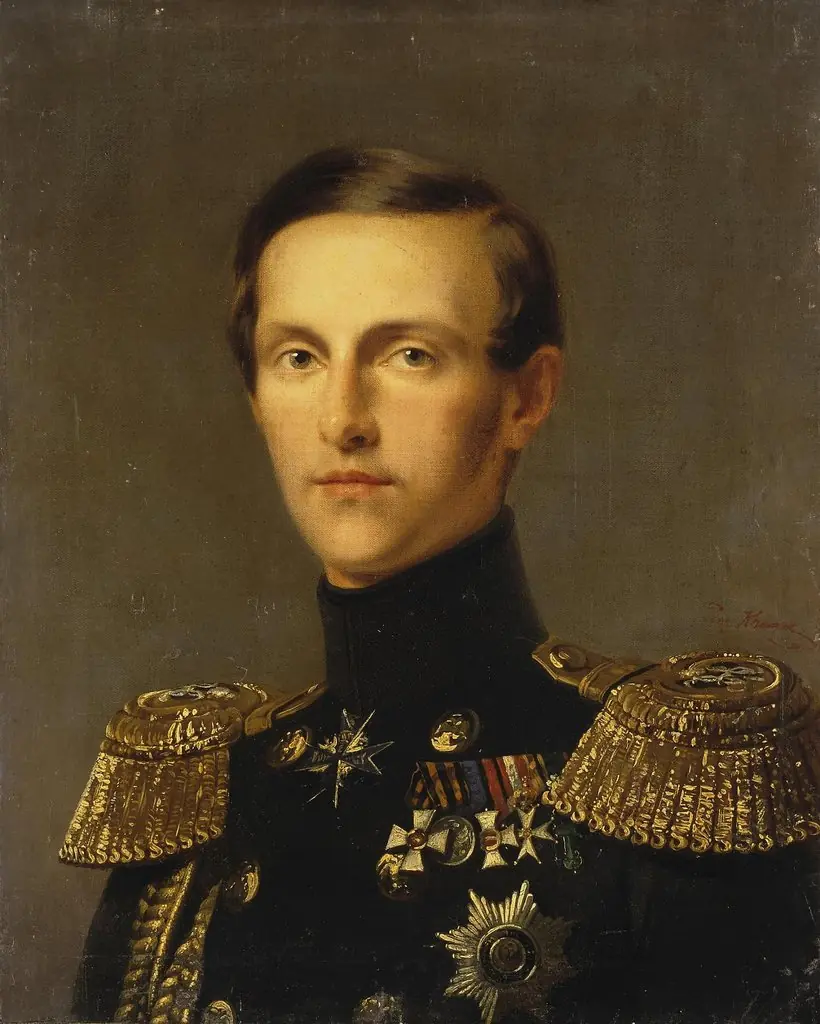
Portrait of Emperor Nicholas I is an oil painting by the Realist artist Franz Krüger. It dates from 1852 and is held in the collection of the Hermitage Museum.
About this work
Overview
Krüger, known for his precise renderings of military figures and aristocratic subjects, completed the work during his time in Berlin.
Painted in 1852 by the Prussian artist Franz Krüger, this oil portrait depicts Emperor Nicholas I of Russia. Krüger, known for his precise renderings of military figures and aristocratic subjects, completed the work during his time in Berlin. The painting is part of the State Hermitage Museum’s collection and exemplifies the formal portraiture favored by European monarchies in the mid-nineteenth century.
Subject & Meaning
The portrait presents Nicholas I in full military regalia, emphasizing his role as commander-in-chief and autocratic ruler. The abundance of medals and ornate uniform details convey status and military achievement. The restrained expression and direct gaze project authority, aligning with the imperial image cultivated during his reign. The background’s muted cityscape subtly references his seat of power without distracting from the figure.
Technique & Style
Krüger employed a realistic style with meticulous attention to texture and surface. The metallic gleam of medals and the sheen of fabric are rendered through fine brushwork, while the face is modeled with soft chiaroscuro to create volume and depth. The dark, atmospheric background contrasts with the illuminated figure, focusing attention on the emperor’s presence and the precision of his attire.
History & Provenance
Commissioned during Nicholas I’s reign, the portrait was likely intended for state display. It entered the Hermitage collection shortly after its completion, reflecting the close cultural ties between Prussia and Russia. Krüger’s reputation as a portraitist to European elites made him a natural choice for such a commission, ensuring the work’s immediate recognition among imperial circles.
Context
In the 1850s, European monarchs increasingly relied on portraiture to reinforce political legitimacy. Krüger’s style, rooted in academic realism, aligned with the era’s preference for dignified, unembellished representation. Unlike romanticized depictions, this portrait avoids idealization, presenting the emperor as a stern, authoritative figure grounded in the visible symbols of power.
Legacy
The portrait remains a key example of mid-nineteenth-century imperial imagery, illustrating how visual culture served state ideology. Krüger’s technique influenced later military portraiture in Russia and Germany, though his broader oeuvre remains less widely studied. The work continues to be referenced in historical analyses of autocratic representation in the Russian Empire.
Artist & collection
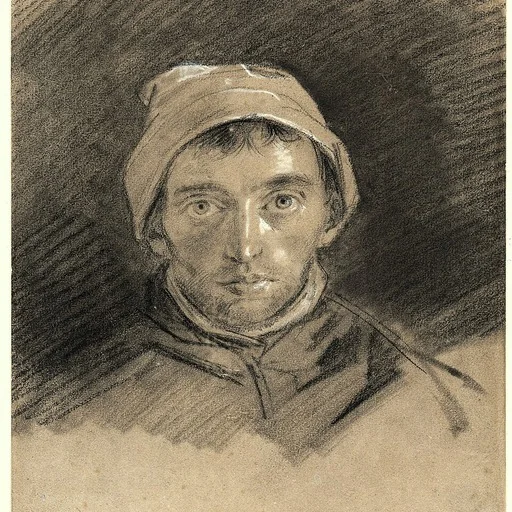
Artist
Franz Krüger (10 September 1797, in Großbadegast, Köthen, Anhalt – 21 January 1857, in Berlin), known as Pferde-Krüger ("Horse-Krüger"), was a German (Prussian) painter and lithographer.

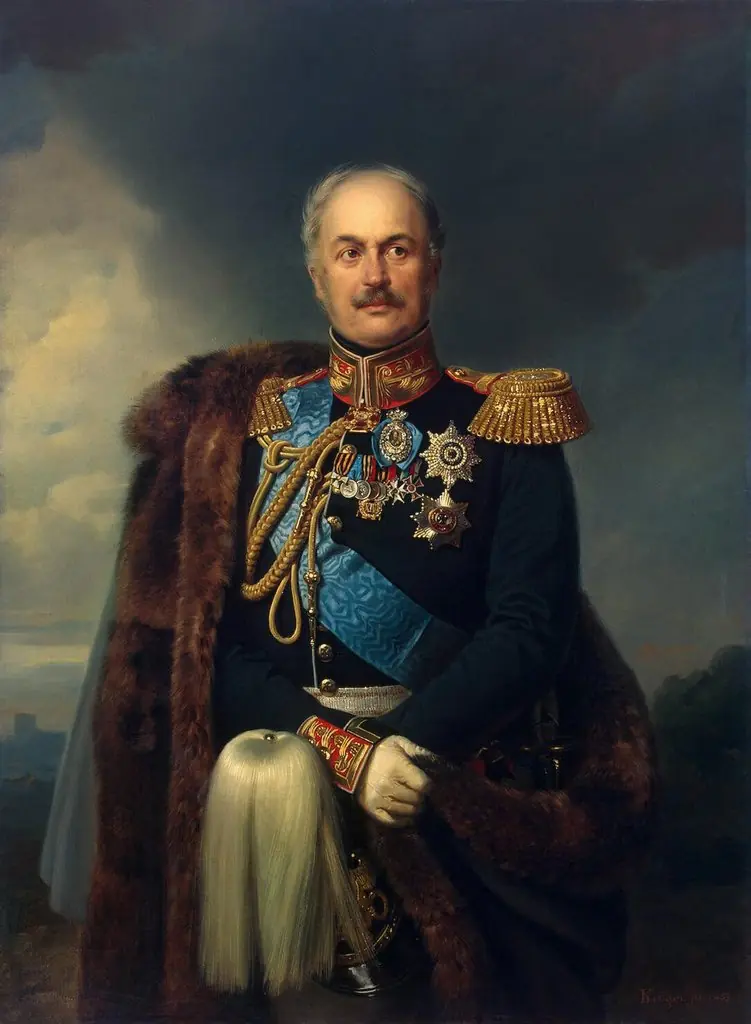 Portrait of Pavel Kiselyov
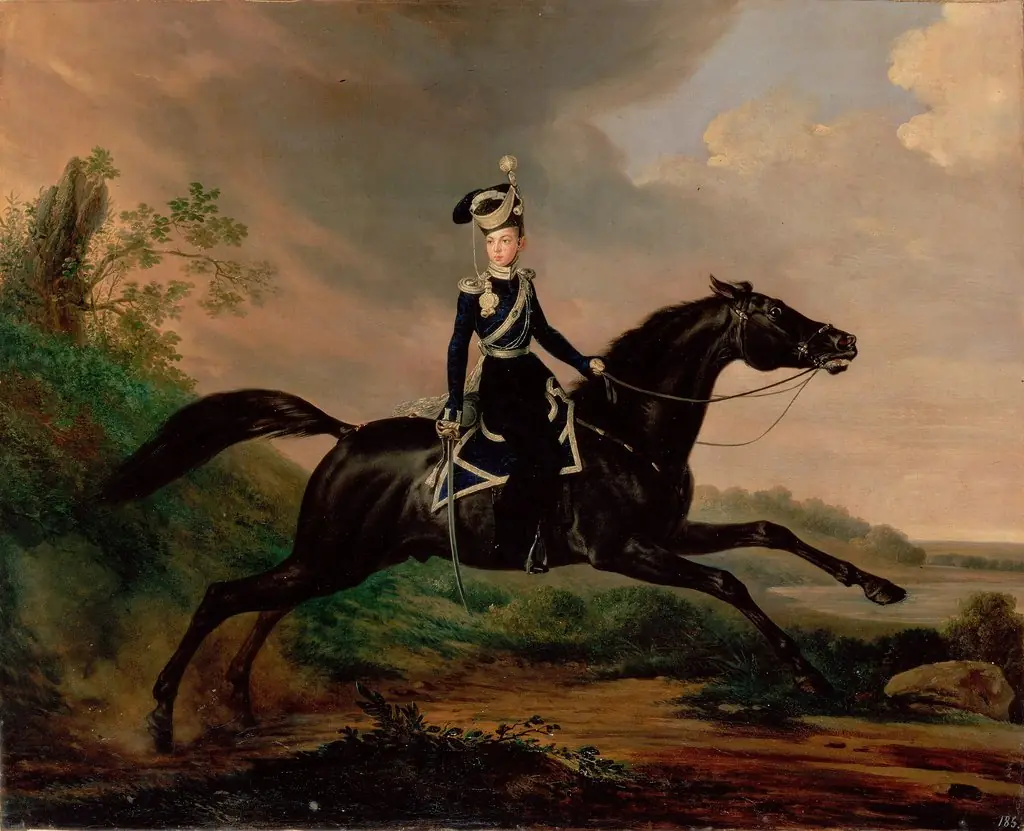 Equestrian Portrait of Grand Prince Alexander Nikolayevich
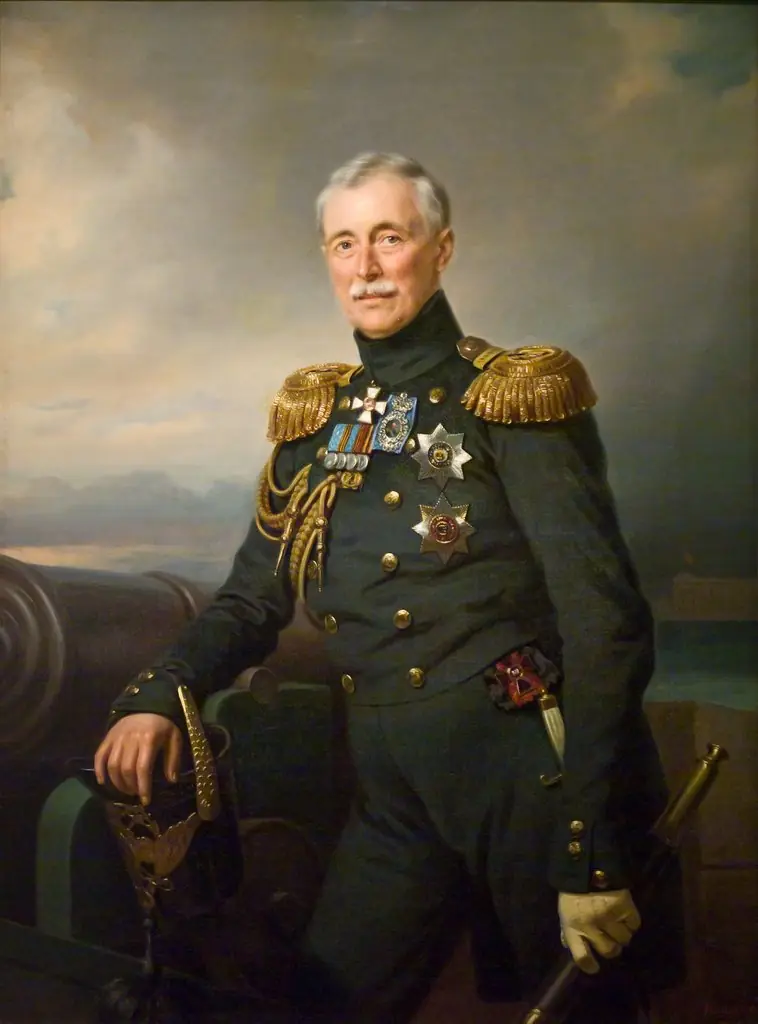 Portrait of Alexander Menshikov
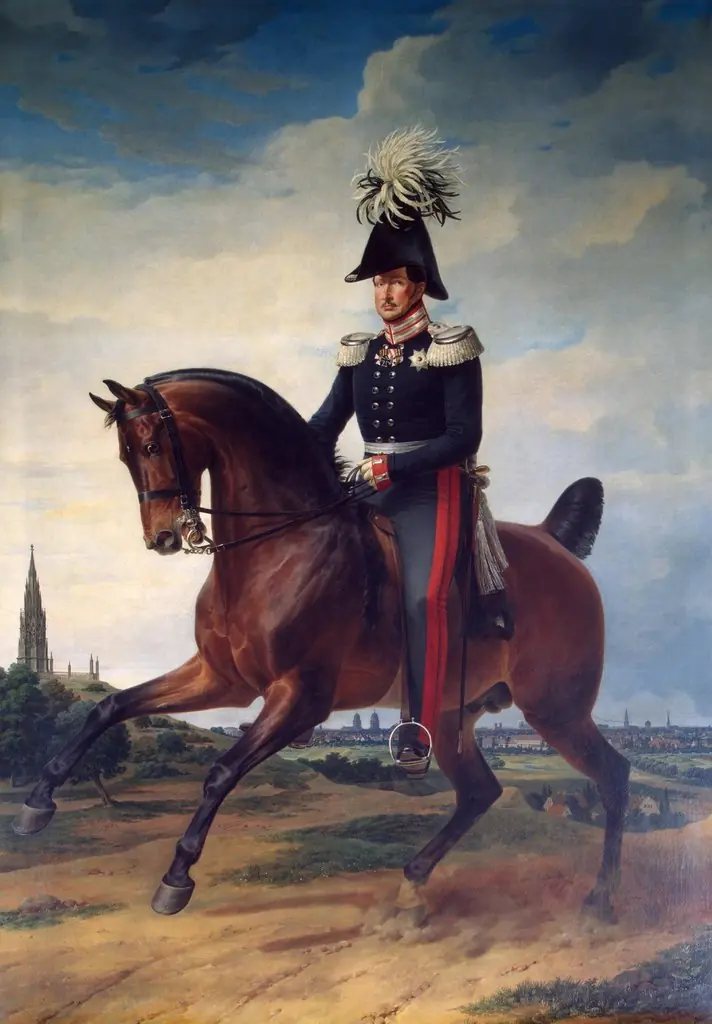 Equestrian Portrait of Frederick William III
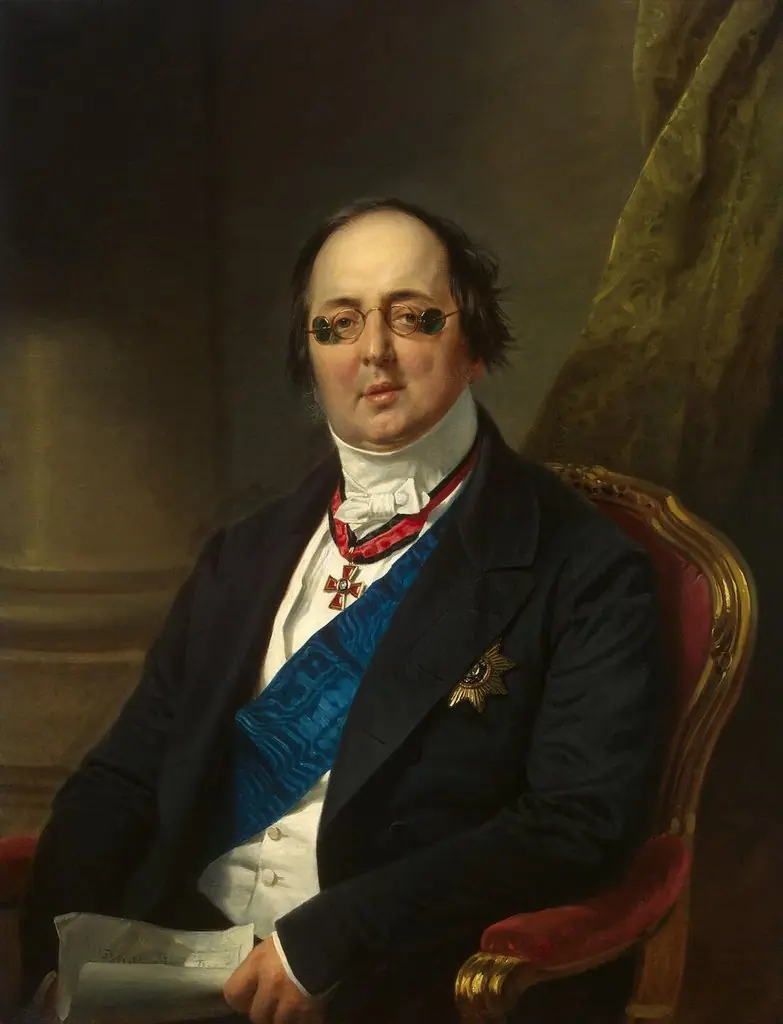 Portrait of Count Alexander Kushelev-Bezborodko
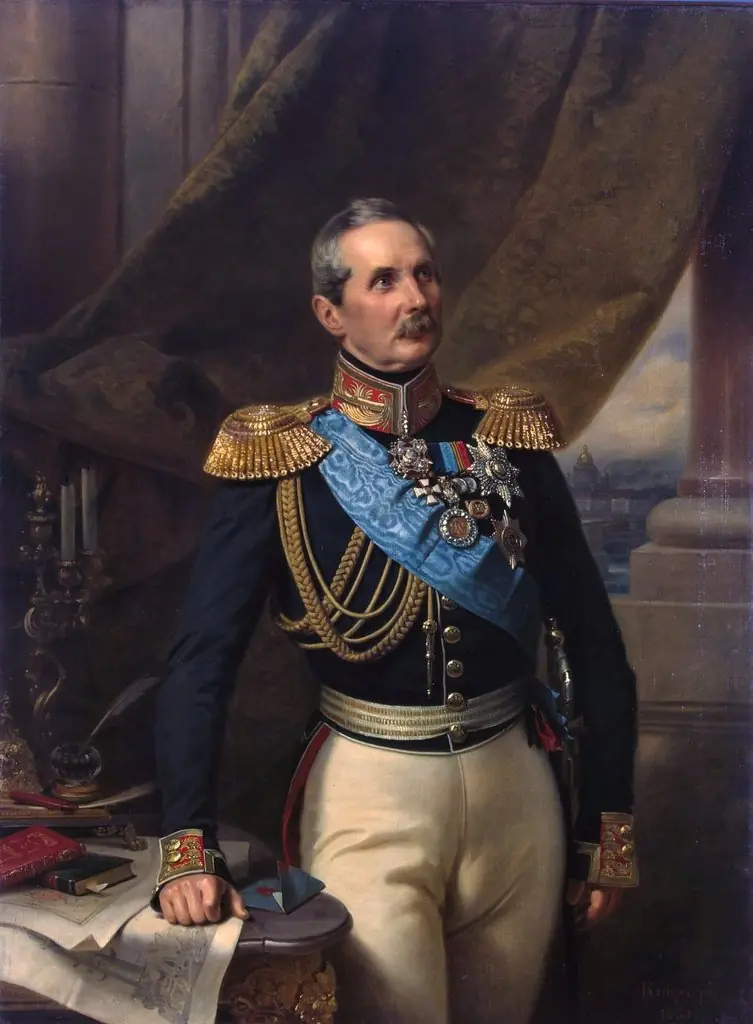 Portrait of Pyotr Kleinmichel
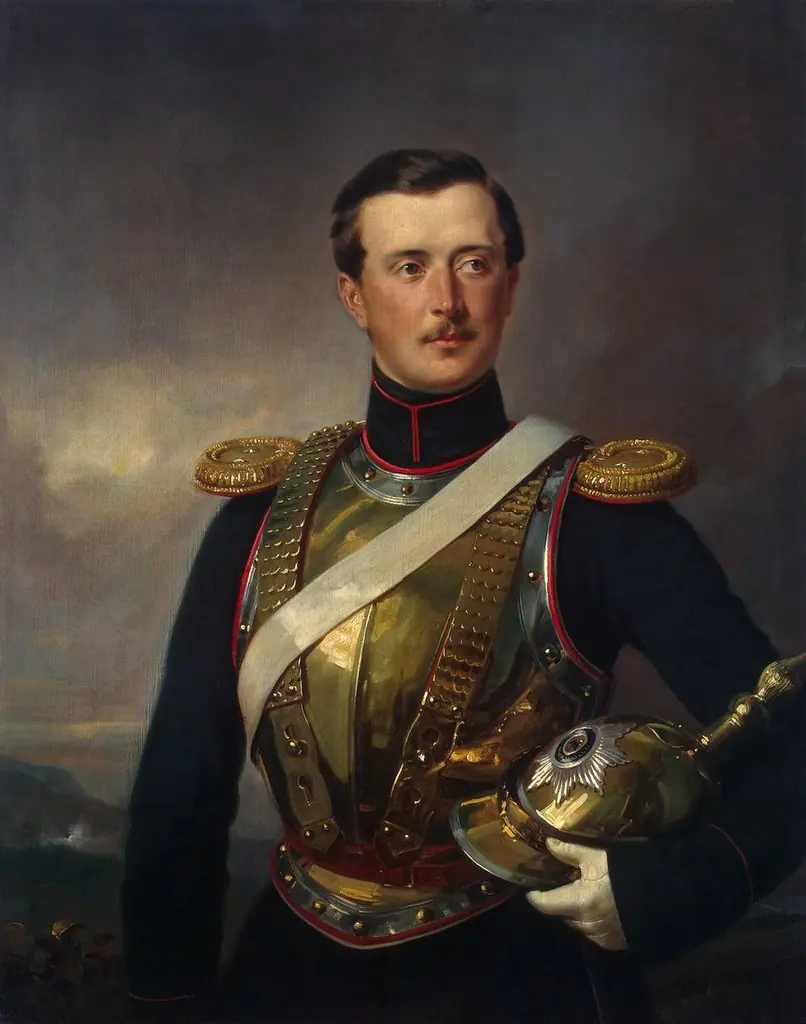 Portrait of Count Pyotr Shuvalov
 Portrait of Grand Duke Konstantin Nikolayevich