Artwork
"Marialyst" at Frederiksberg. Ole Winstrup's House
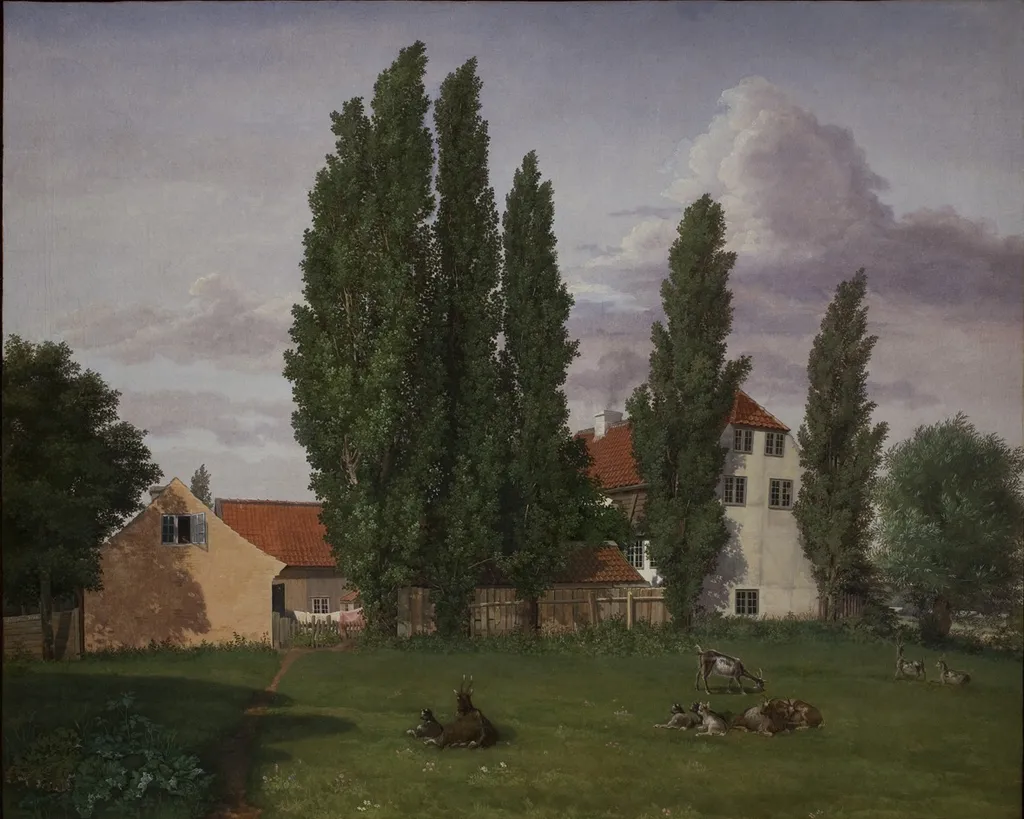
"Marialyst" at Frederiksberg. Ole Winstrup's House is an unspecified painting by the Biedermeier artist Frederik Sødring. It dates from 1828 and is held in the collection of the Statens Museum for Kunst.
About this work
Overview
The work is part of the collection at Statens Museum for Kunst, reflecting Sødring’s interest in Danish landscape and domestic architecture of the period.
Painted in 1828 by Frederik Sødring, 'Marialyst' at Frederiksberg. Ole Winstrup's House captures a quiet rural estate in Denmark. The scene centers on a modest residence surrounded by a fenced yard, with deer resting in the foreground grass. Soft natural light and muted earth tones create a calm, unembellished atmosphere. The work is part of the collection at Statens Museum for Kunst, reflecting Sødring’s interest in Danish landscape and domestic architecture of the period.
Subject & Meaning
The painting portrays a private estate associated with Ole Winstrup, likely intended as a record of place rather than a symbolic narrative. The presence of deer suggests a managed or semi-wild environment, common in aristocratic or affluent country properties. The house, partially veiled by trees, conveys privacy and integration with nature. There is no human figure, emphasizing solitude and the quiet rhythm of rural life.
Technique & Style
Sødring employs a restrained palette of greens, browns, and soft blues to evoke natural harmony. Brushwork is deliberate but not overly detailed, favoring atmospheric effect over precision. Light is diffused evenly across the scene, with subtle contrasts between shadowed foliage and sunlit grass. The composition guides the eye from foreground deer toward the house via a winding path, creating depth without dramatic perspective.
History & Provenance
Created in 1828, the painting was likely commissioned or acquired by someone connected to the Winstrup family or Frederiksberg estate. It entered the collection of Statens Museum for Kunst in the 19th century, where it remains today. Its preservation reflects early Danish institutional interest in documenting local landscapes and architectural heritage, even when devoid of grand historical themes.
Context
In early 19th-century Denmark, landscape painting gained traction as national identity formed around rural life and nature. Sødring’s work aligns with this trend, avoiding romanticized drama in favor of quiet observation. Unlike contemporaries who painted dramatic skies or ruins, he focused on ordinary, lived-in spaces—reflecting a broader cultural shift toward valuing the everyday and the local.
Legacy
While not widely exhibited today, 'Marialyst' contributes to the understanding of Danish landscape painting’s evolution. Sødring’s restrained approach influenced later artists who sought authenticity over spectacle. The painting stands as a modest but enduring record of a specific place and time, valued for its sincerity rather than its technical innovation.
Artist & collection

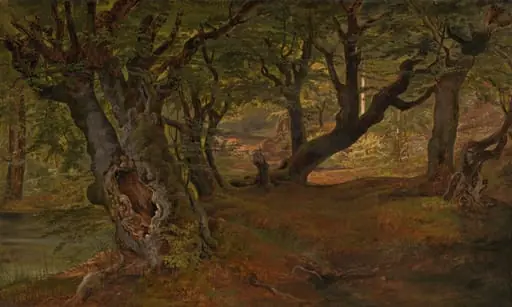 View of Bregentved Forest, Sjaeeland
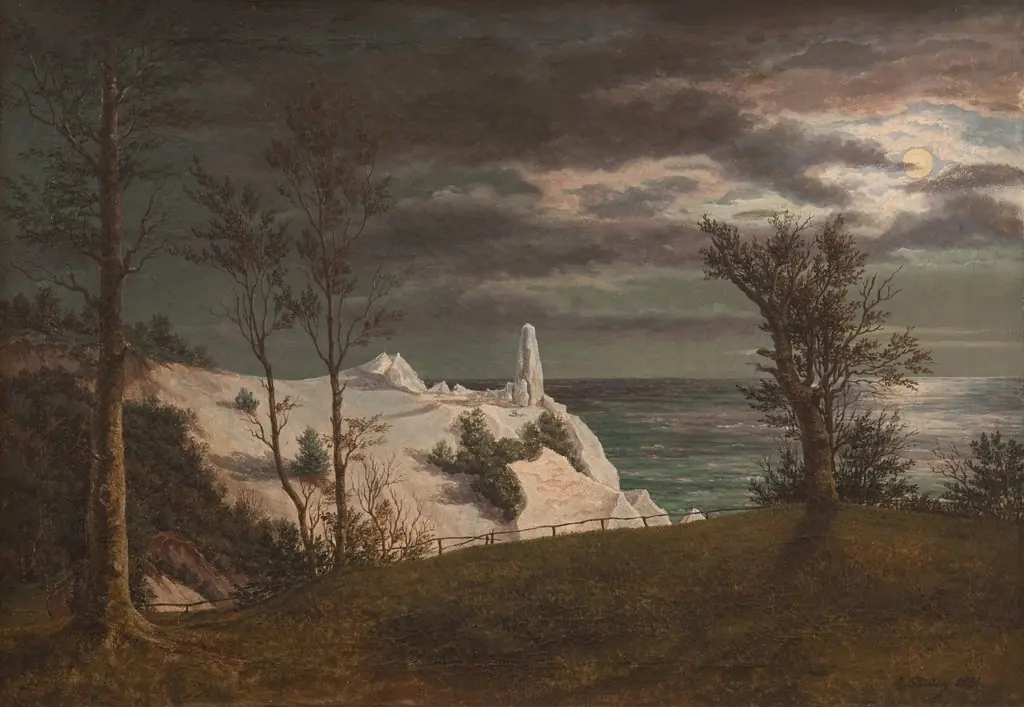 The "Summer Spire" on the Chalk Cliffs of the Island Møn. Moonlight
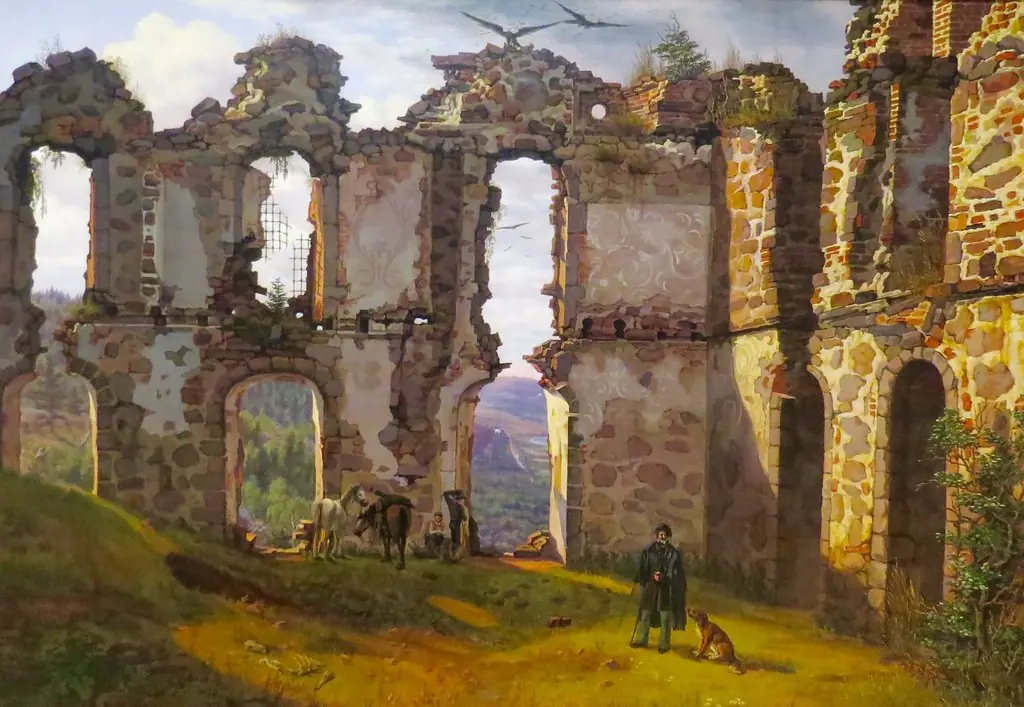 The Ruins of Brahehus near Jönköping, Sweden
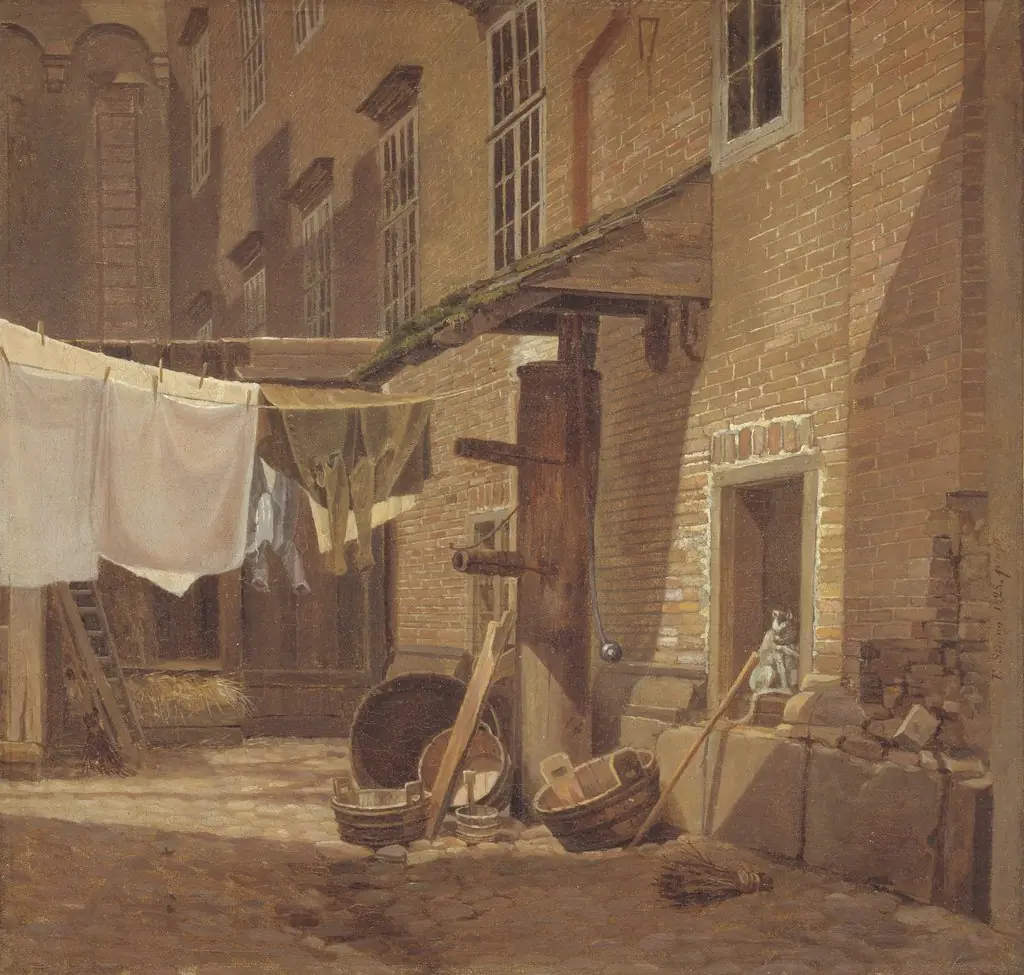 The Rear Courtyard of Charlottenborg Palace
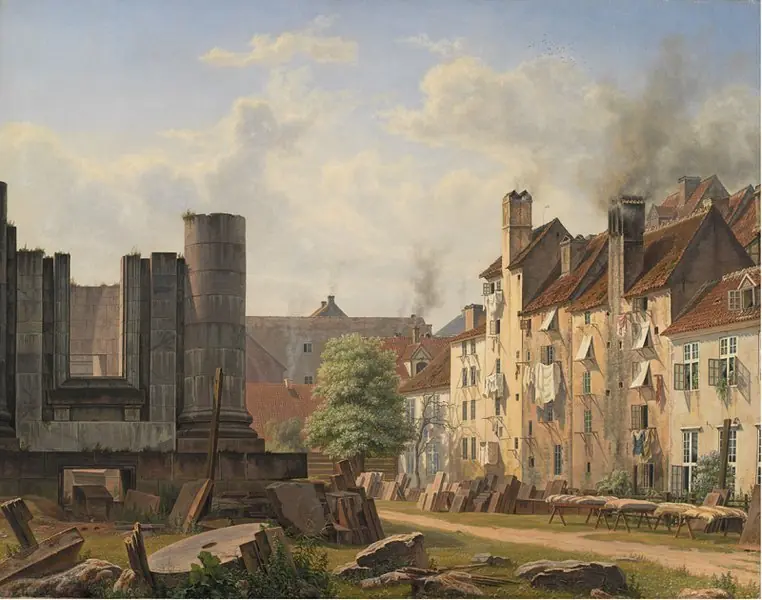 View of the Marble Square with the Ruins of the Uncompleted Frederik's Church
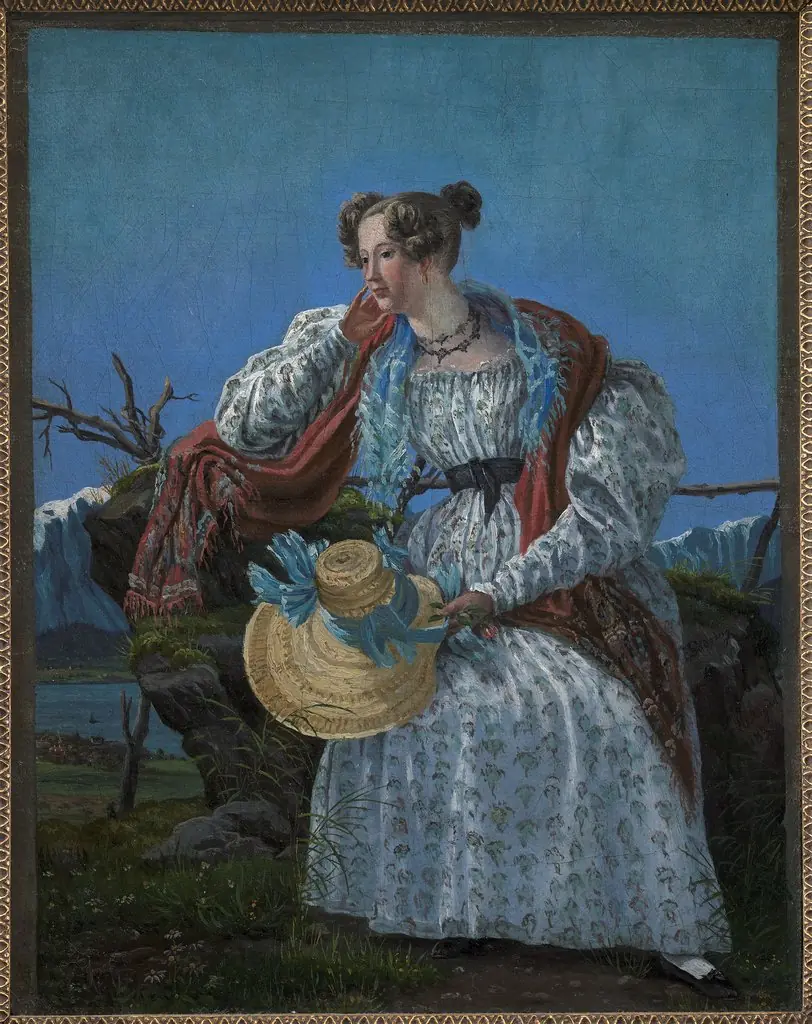 Young Woman Sitting in a Norwegian Landscape
 Slottet Büresheim ved Eifelfloden
 View of Oberwesel and the Rhine. Germany
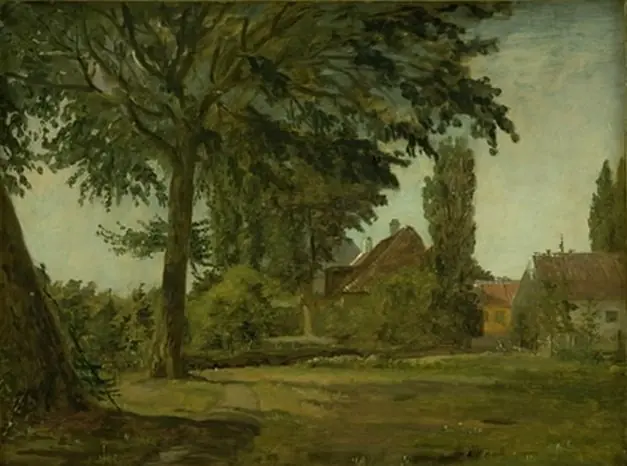 View of Falkonerallé outside Copenhagen
 View of Falkonerallé outside Copenhagen
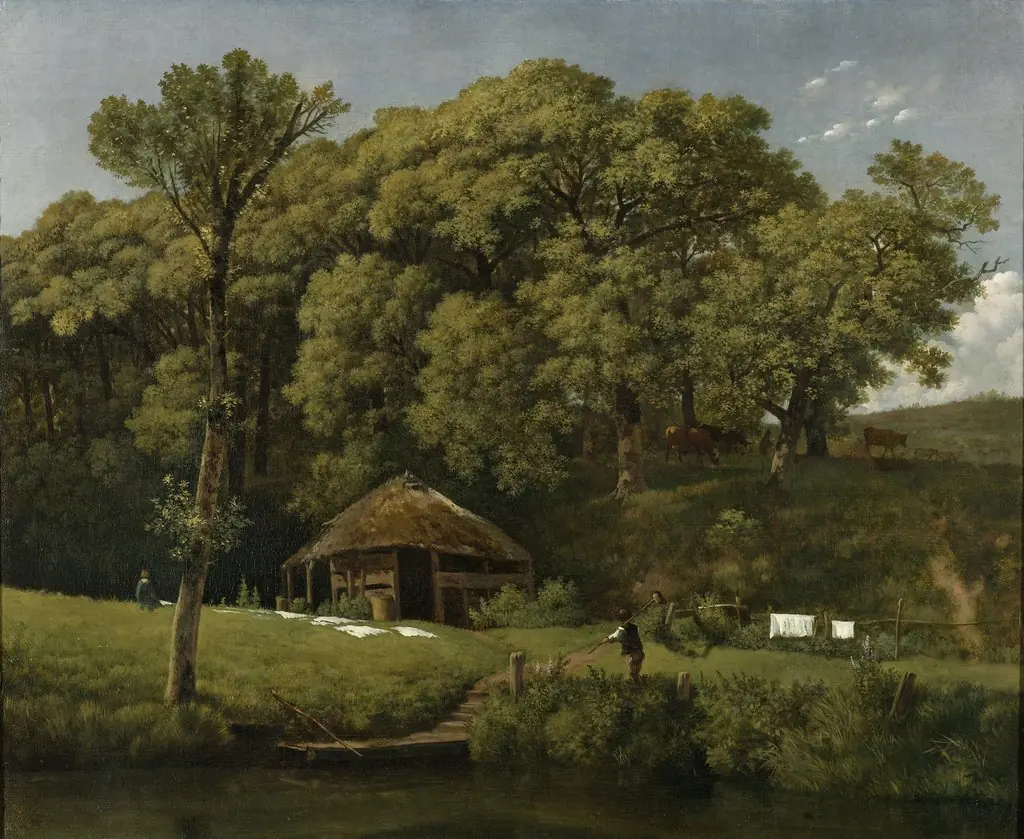 A Barn on the Bank of a Stream in Gelderland
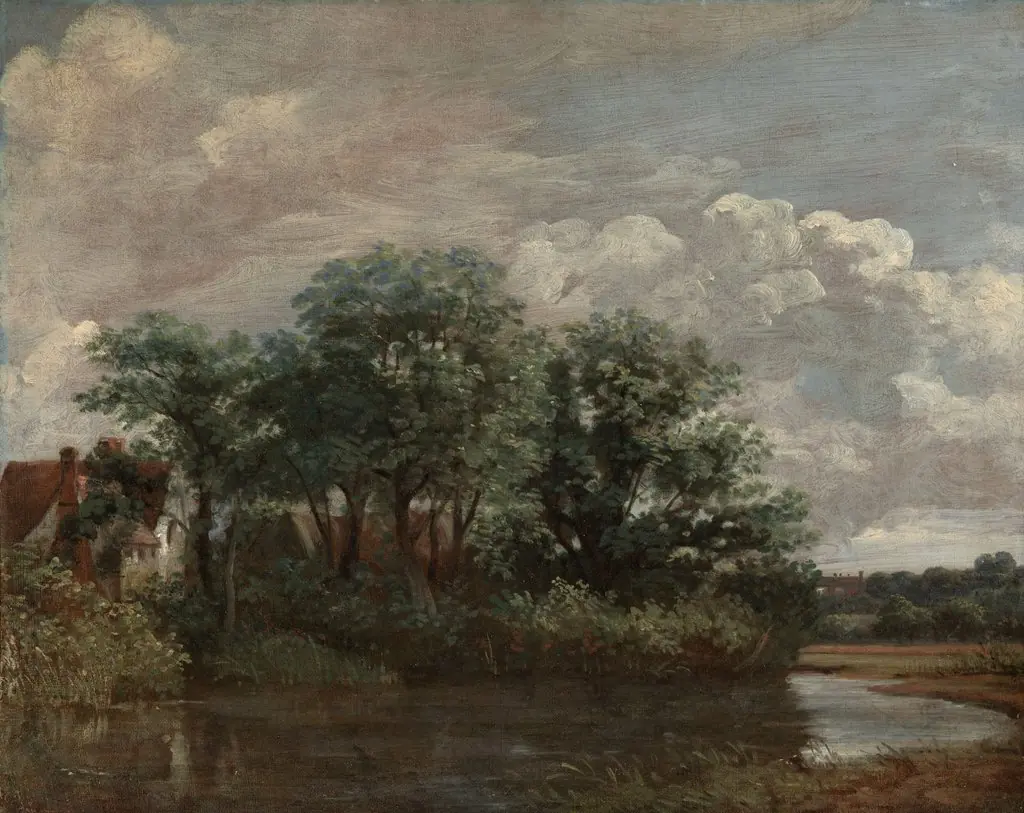 Willy Lott's House
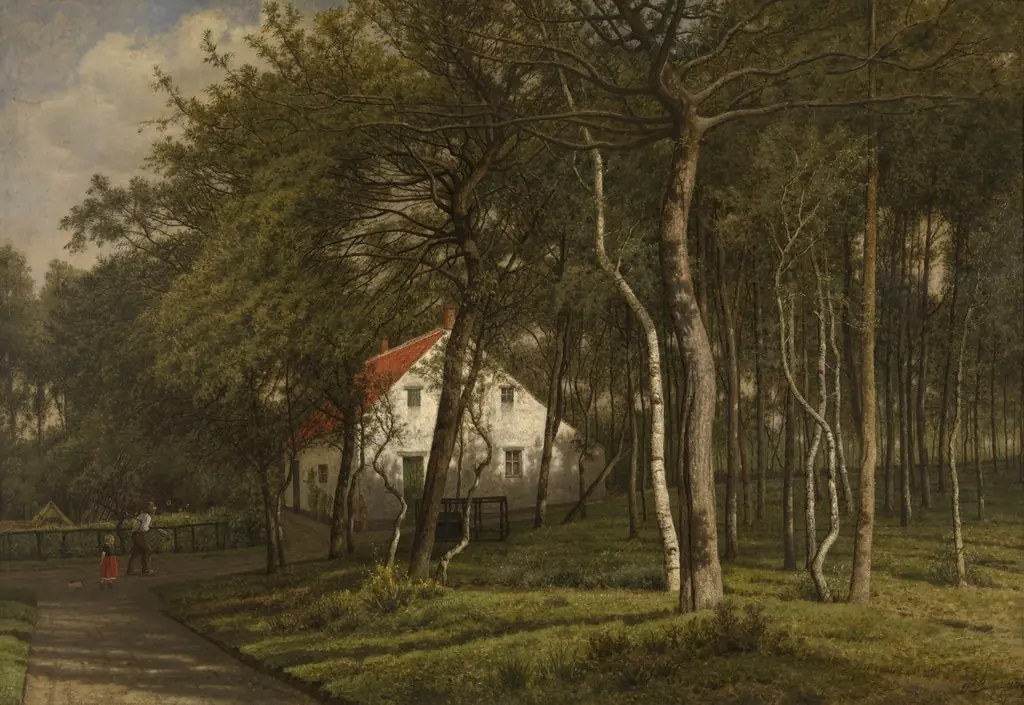 A Forester Cottage in Putte
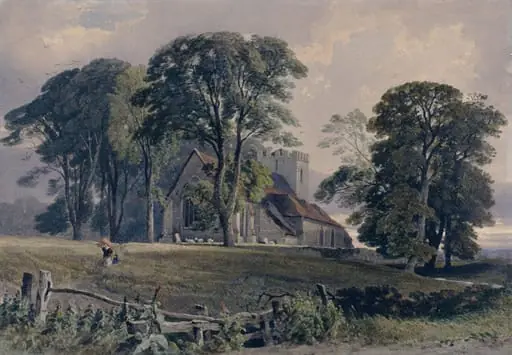 A Country Church
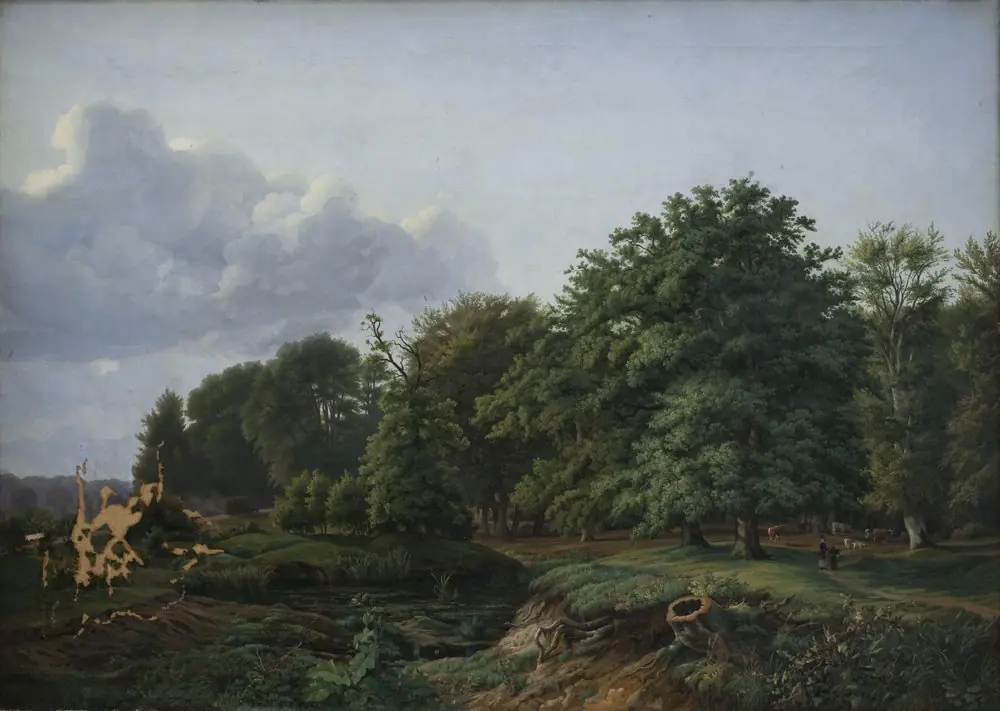 A Forrest near Hellebæk in the North of Zealand. Afternoon.
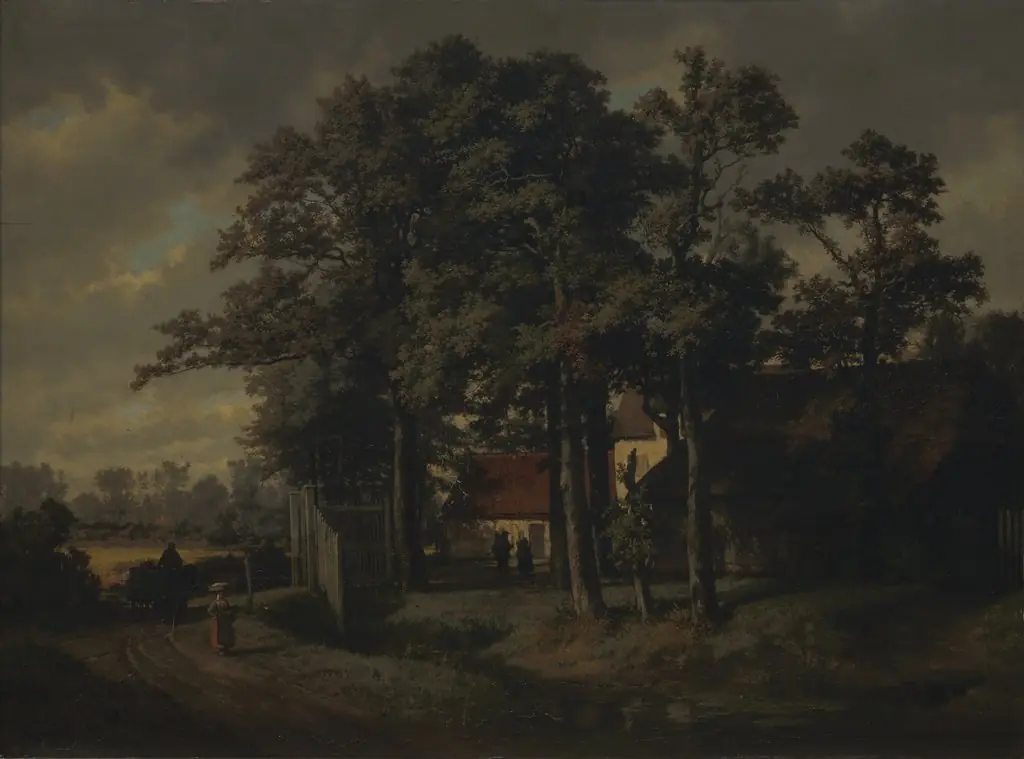 Farm in Merksem
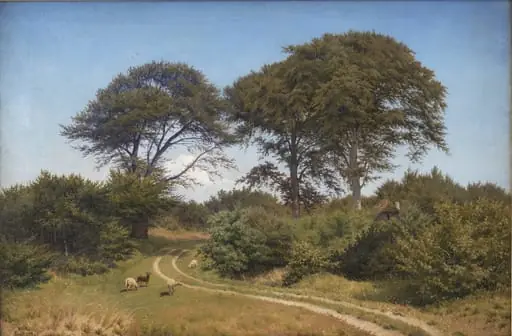 Parti af Færgelunden ved Jægerspris
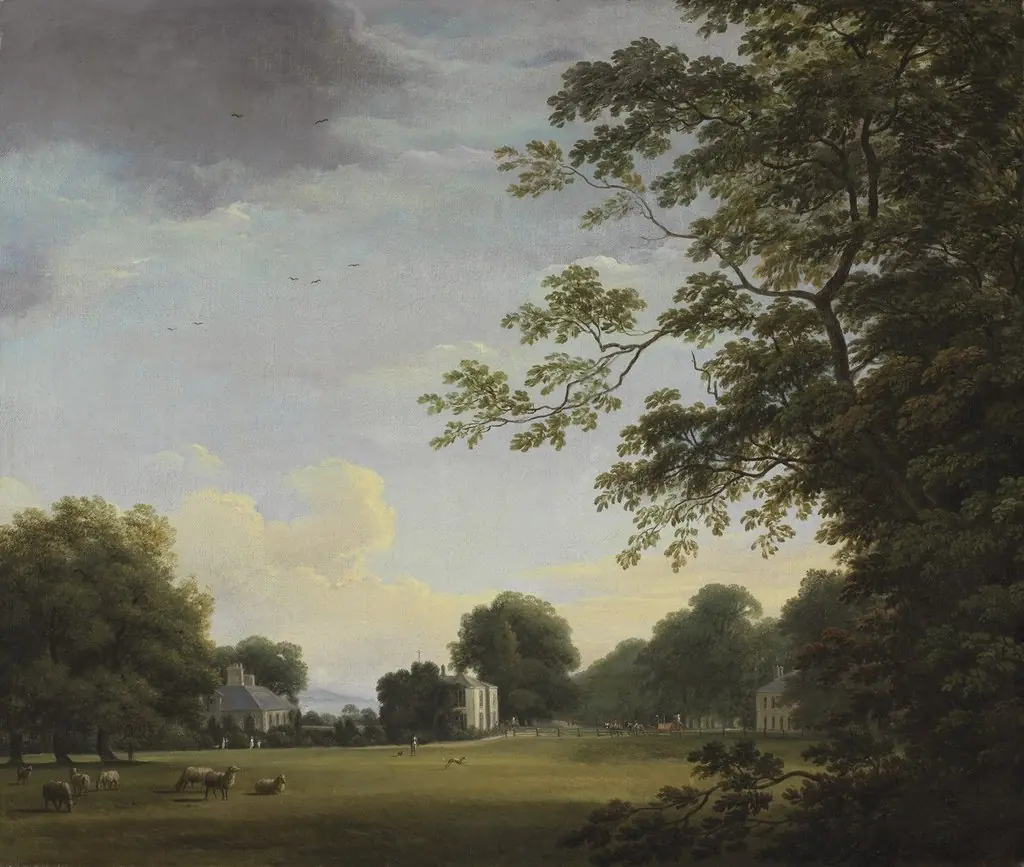 View in Mount Merrion Park
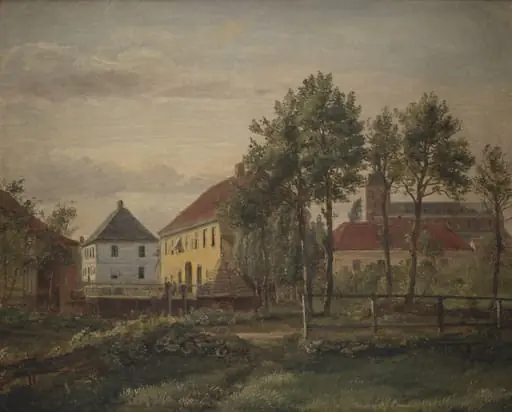 A Mill in Odense
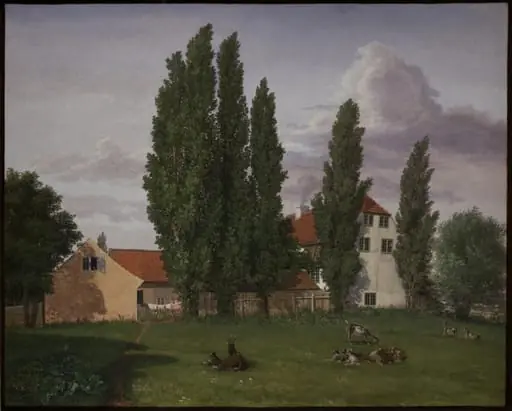 "Marialyst" at Frederiksberg. Ole Winstrup's House