Artwork
A Virgem do Leite - Frei Carlos
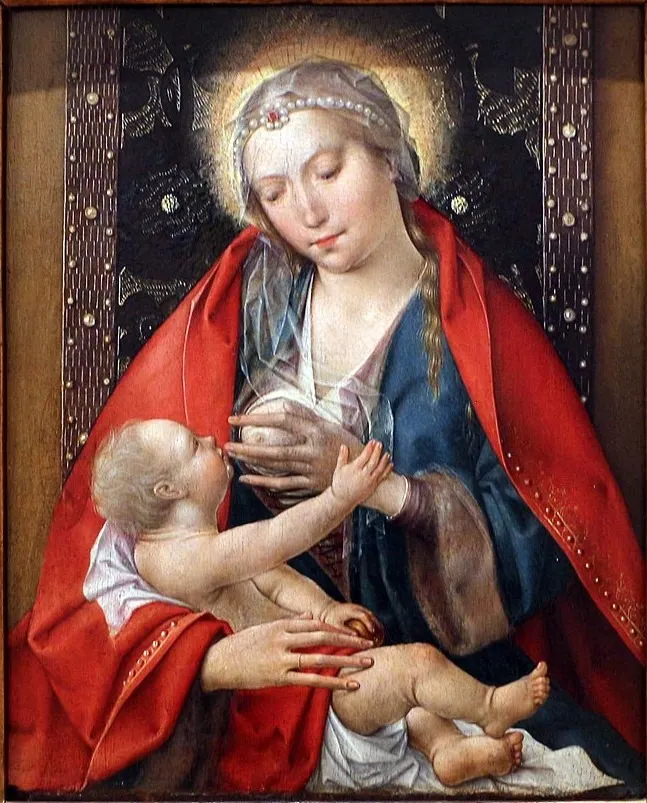
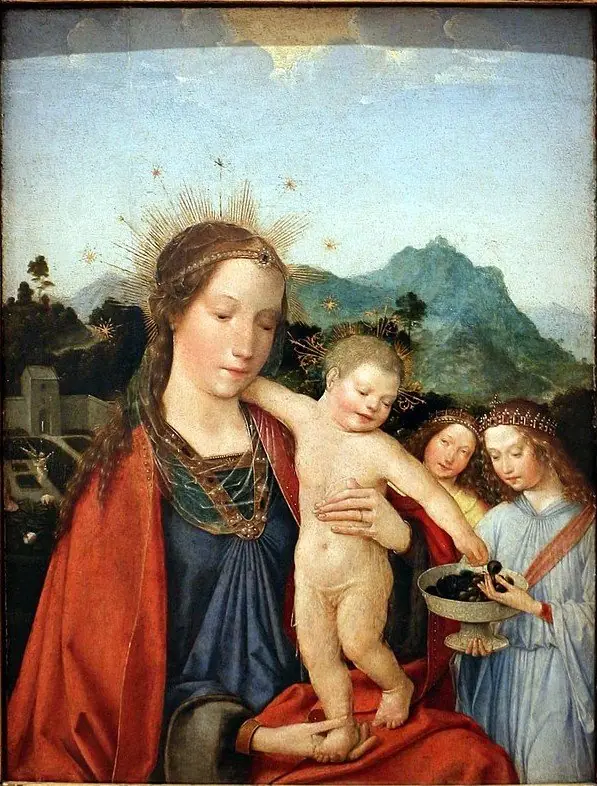
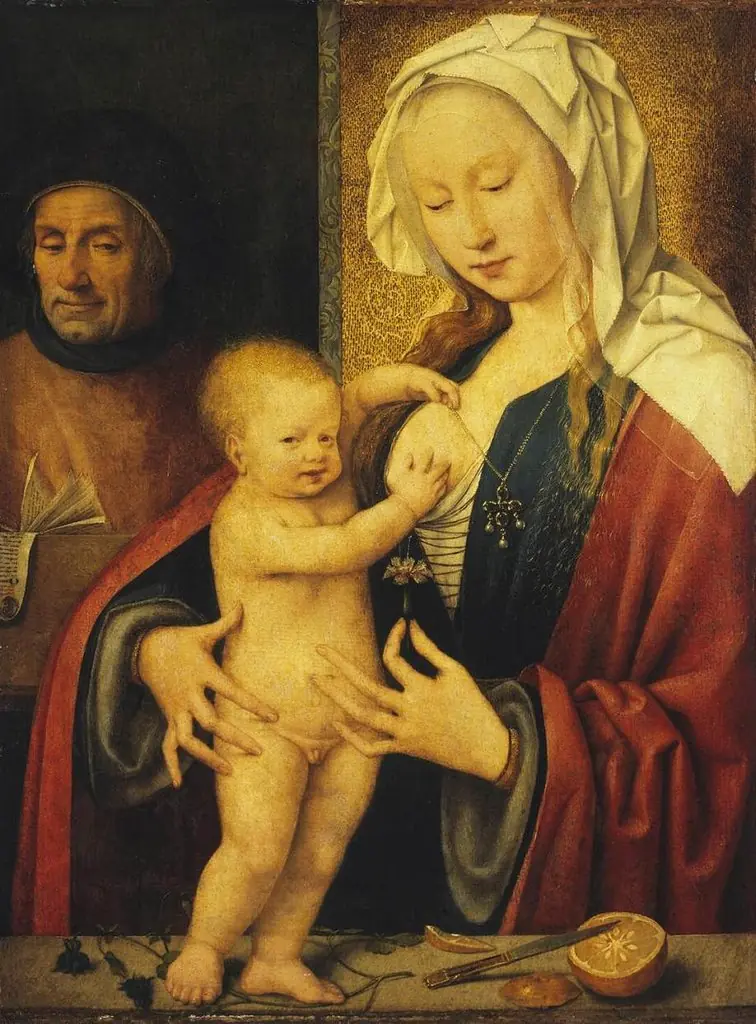
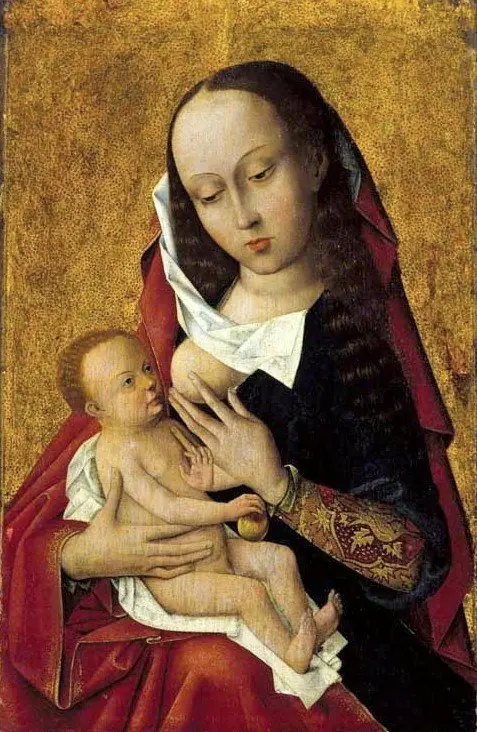
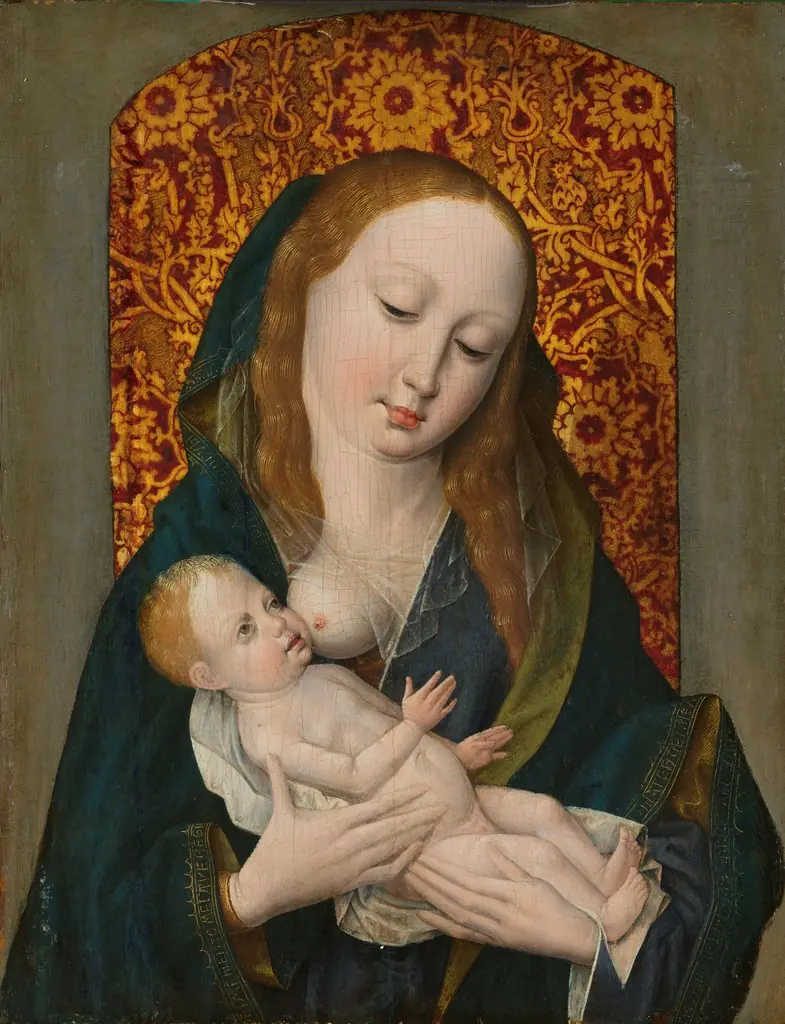
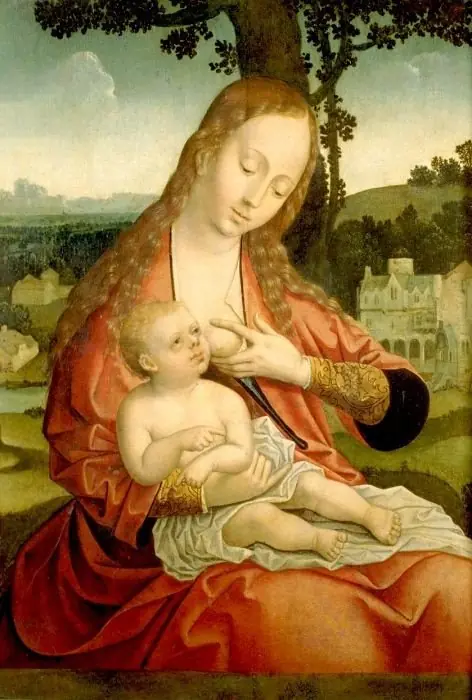
A Virgem do Leite - Frei Carlos is an unspecified painting by the Early Renaissance artist Frei Carlos. It dates from 1518 and is held in the collection of the National Museum of Ancient Art.
About this work
Overview
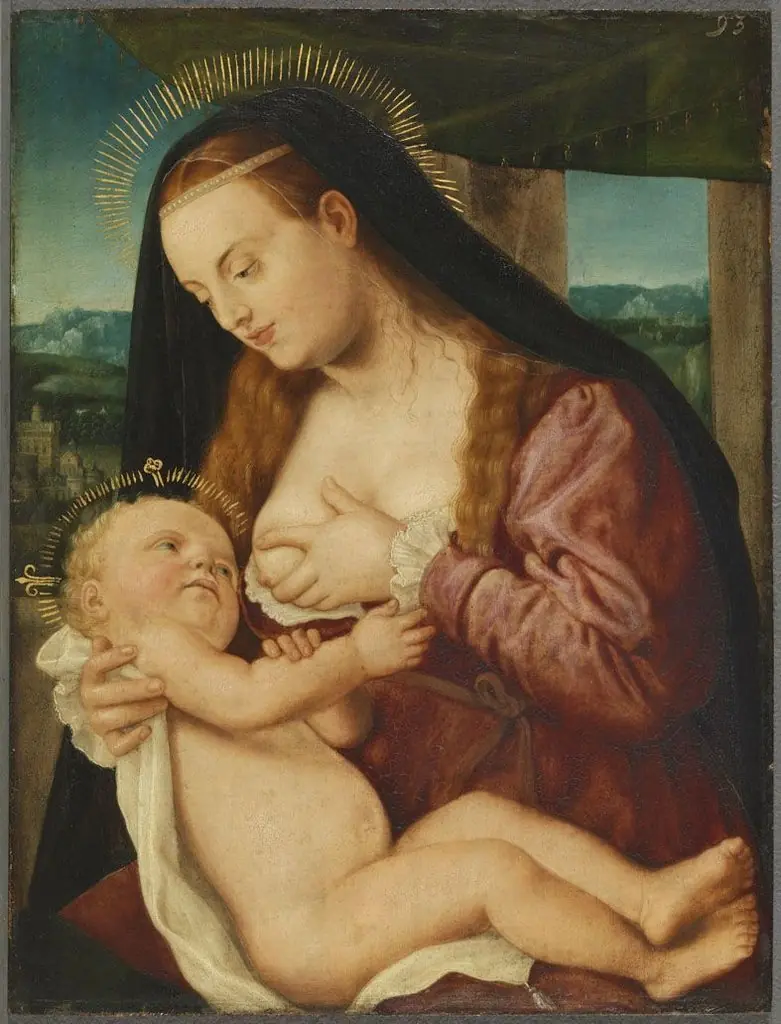
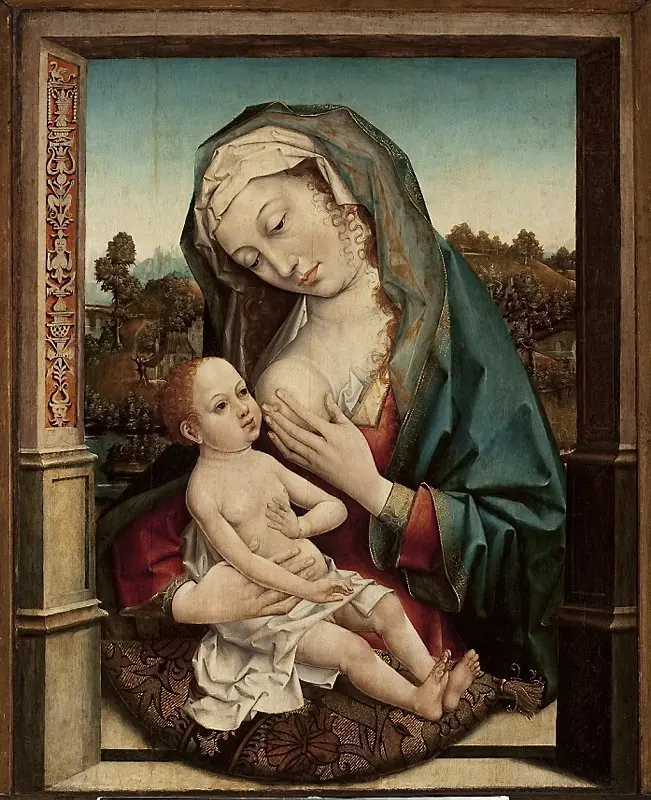
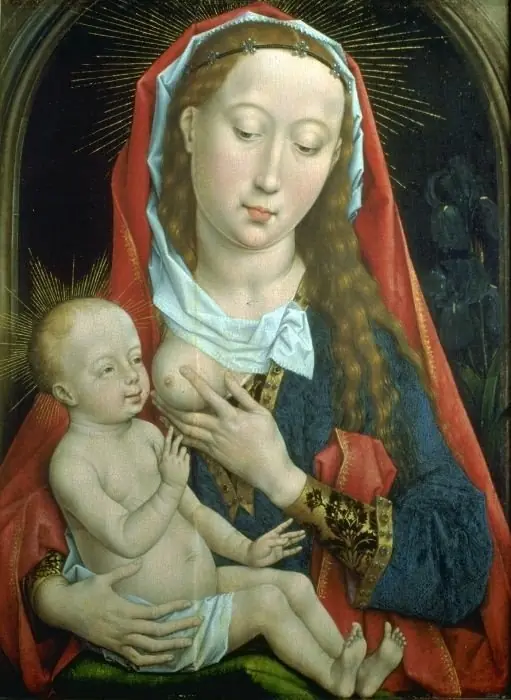
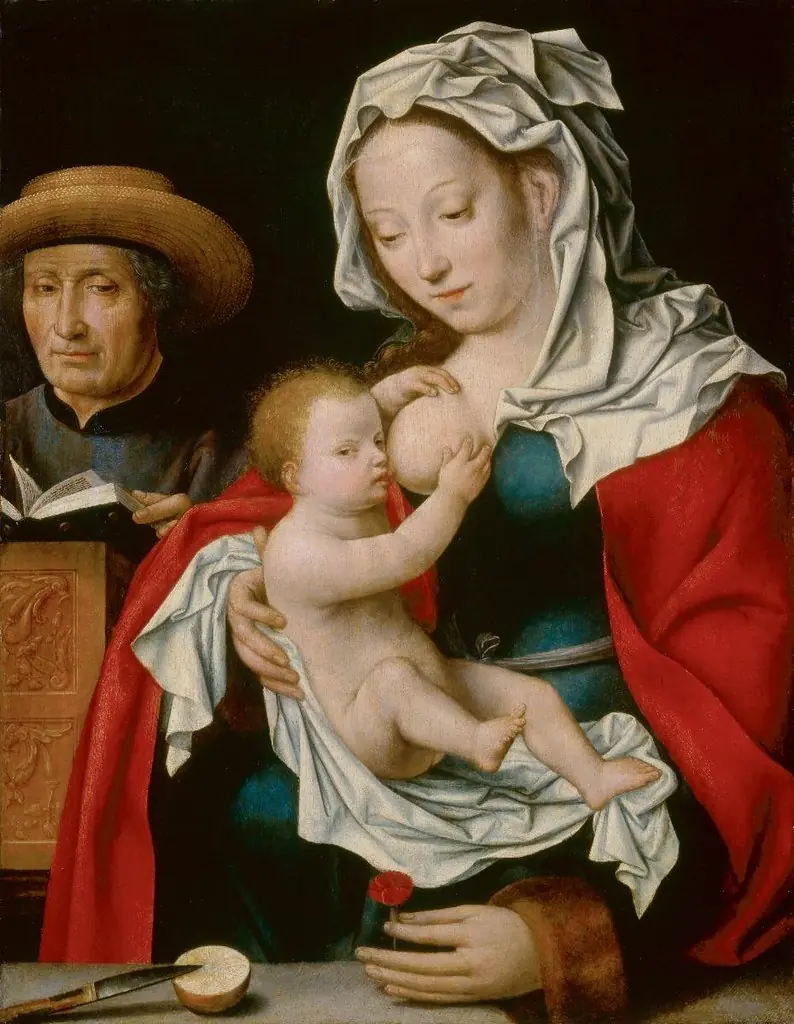
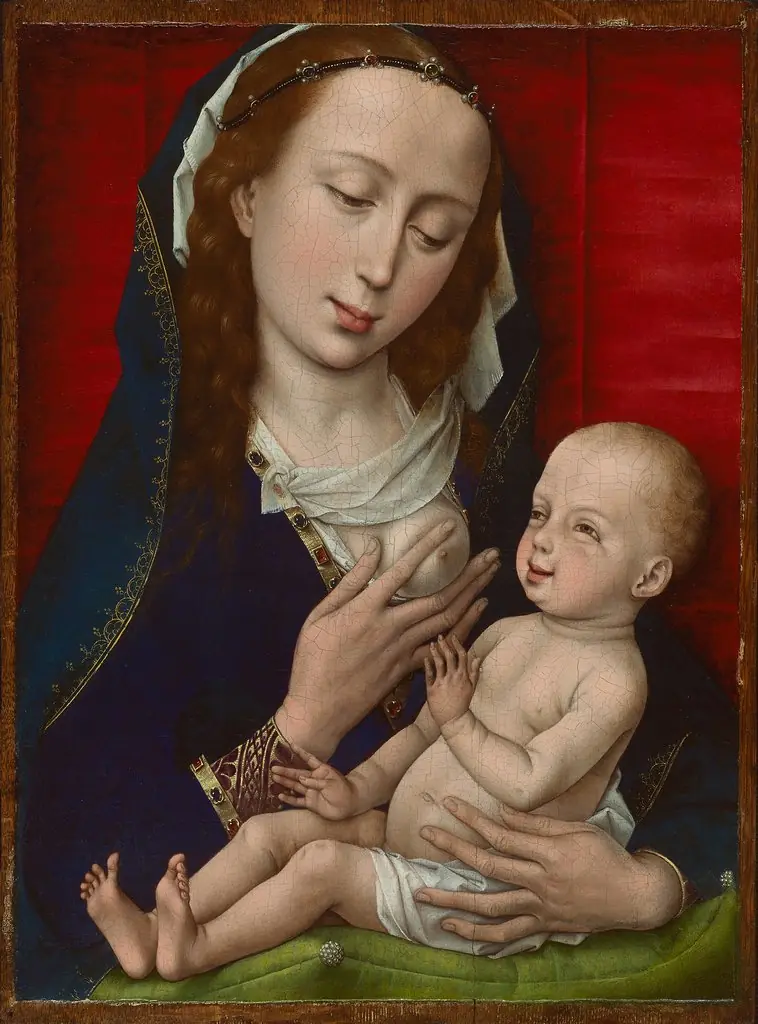
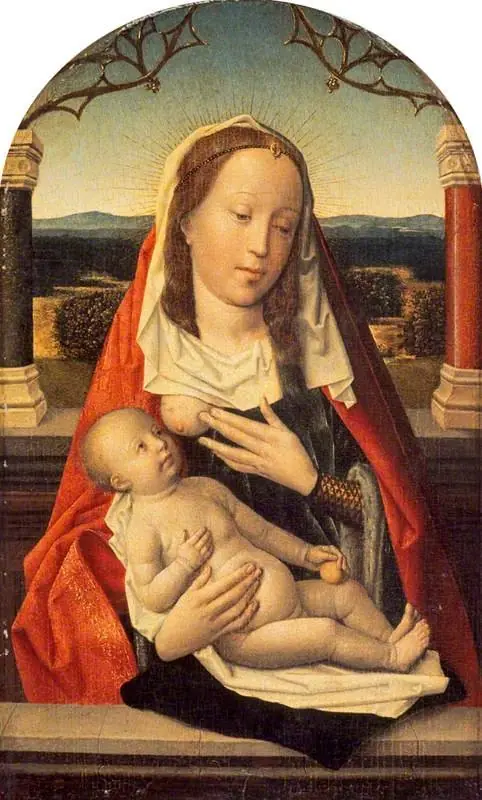
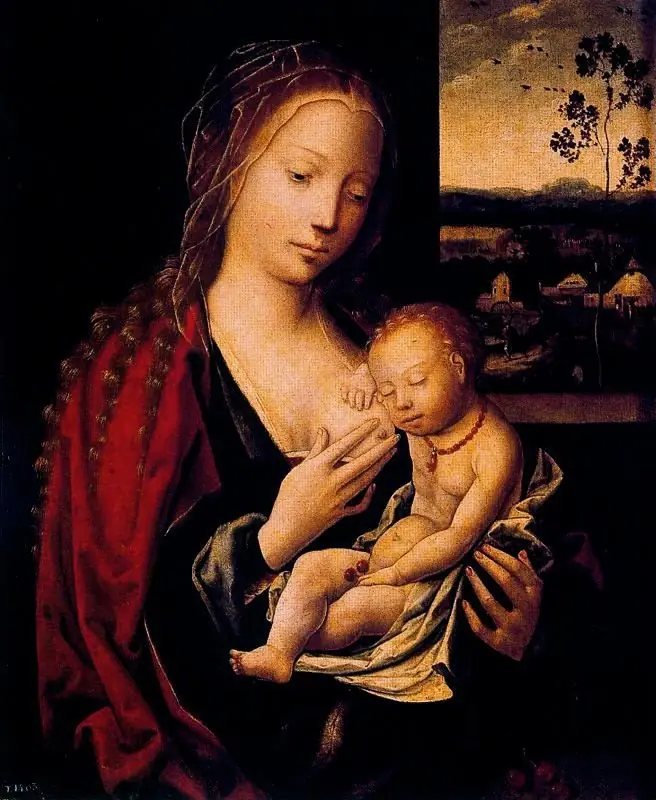
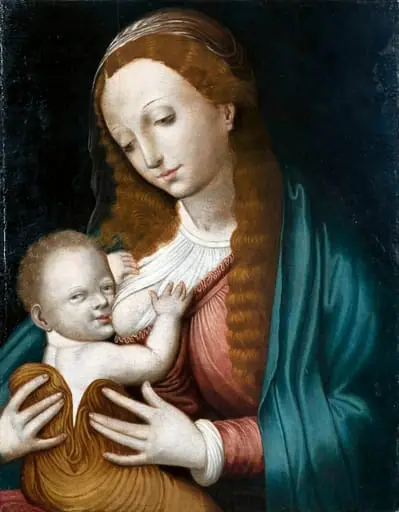
Painted in 1518 by the Portuguese Franciscan friar Frei Carlos, this devotional work portrays the Virgin Mary nursing the infant Jesus.
Painted in 1518 by the Portuguese Franciscan friar Frei Carlos, this devotional work portrays the Virgin Mary nursing the infant Jesus. Executed in oil on panel, it belongs to the collection of the National Museum of Ancient Art in Lisbon. The composition follows a traditional iconography of the Nursing Madonna, emphasizing tenderness and spiritual connection between mother and child within a restrained, contemplative framework.
Subject & Meaning
The painting presents the Virgin Mary as the Madonna Lactans, a motif symbolizing both maternal care and divine nourishment. The Christ Child’s gesture toward her breast underscores the physical reality of the Incarnation, while the quiet exchange between them conveys spiritual intimacy. The absence of elaborate narrative elements focuses attention on the sacred bond, inviting private meditation rather than public spectacle.
Technique & Style
Frei Carlos employs a muted palette dominated by deep red and blue, with the Virgin’s garments rendered in smooth, layered pigments. The background is dark and unadorned, enhancing the luminous gold halo encircling her head. Facial features are softly modeled, with minimal detail, contributing to a serene, timeless quality. The brushwork is deliberate and restrained, reflecting monastic discipline and an emphasis on spiritual presence over naturalistic detail.
History & Provenance
The painting was created during Frei Carlos’s active years as a friar and artist in Portugal, likely for private devotion within a religious community. It entered the collection of the National Museum of Ancient Art in the 19th century, following the dissolution of monastic institutions. Its survival is notable, as many works by lesser-known Portuguese religious painters were lost or dispersed during periods of secularization.
Context
Produced in early 16th-century Portugal, the work reflects the enduring influence of Northern European devotional models, particularly those from the Low Countries, adapted to local tastes. While Italian Renaissance ideals were spreading, Portuguese religious art retained a more intimate, emotionally restrained character. Frei Carlos’s output exemplifies how monastic artists sustained traditional iconography amid broader artistic shifts.
Legacy
Frei Carlos remains a minor but significant figure in Portuguese religious painting, known for his quiet, meditative style. 'A Virgem do Leite' stands as one of the few securely attributed works by him, offering insight into the devotional practices of Portuguese friars. It continues to be studied as an example of how spiritual themes were rendered with simplicity and emotional restraint in early modern Iberia.
Artist & collection