Artwork
Manuscript Leaf from the Beauvais Missal
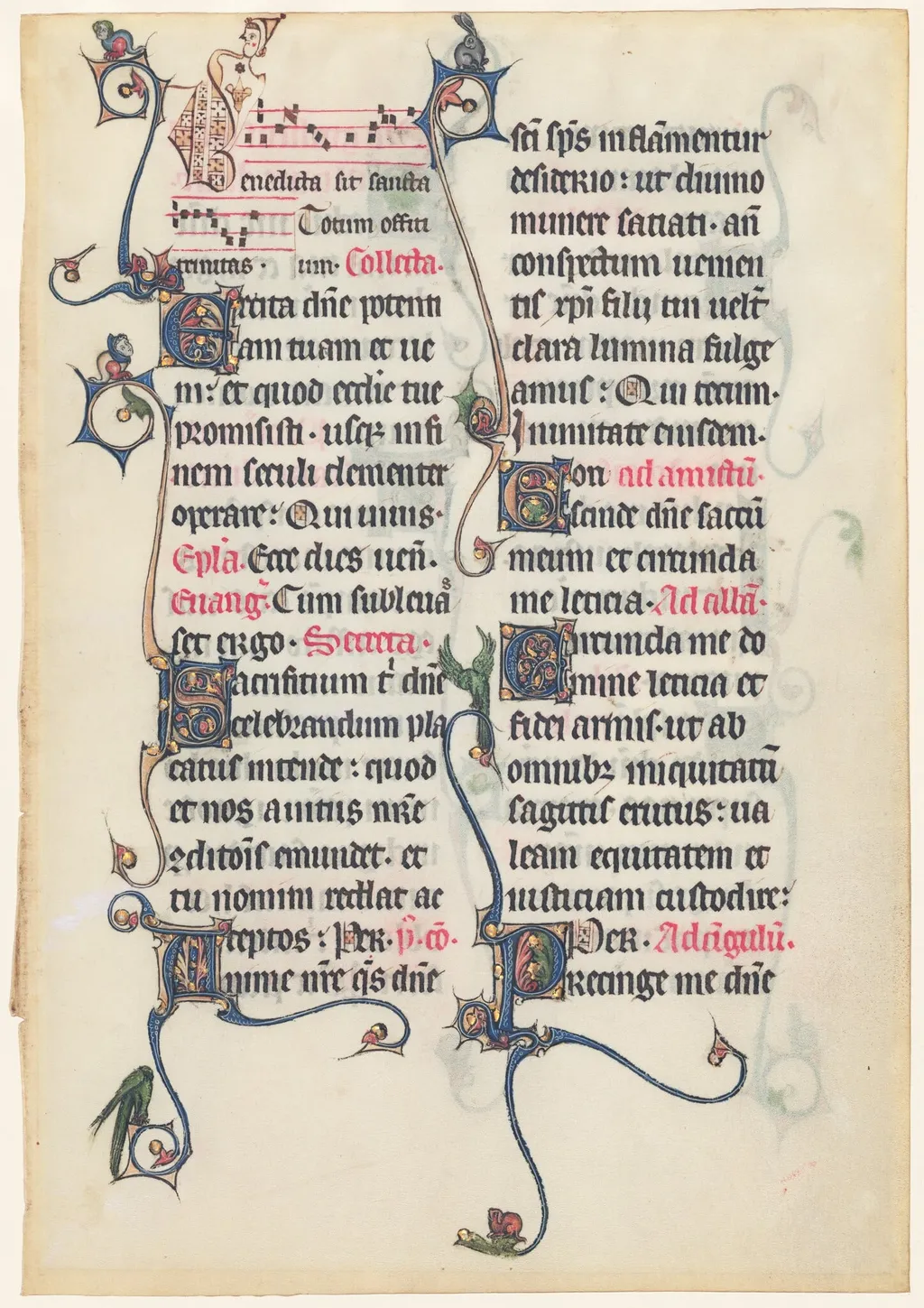
Manuscript Leaf from the Beauvais Missal is a gouache drawing by French 13th Century. It dates from 1285 and is held in the collection of the National Gallery of Art.
About this work
Overview
This leaf originates from a medieval liturgical manuscript known as the Beauvais Missal, produced in northern France during the late 13th century.
This leaf originates from a medieval liturgical manuscript known as the Beauvais Missal, produced in northern France during the late 13th century. Crafted on vellum with pen, ink, gouache, and gold leaf, it served as a single page in a larger book used for Mass. Its ornate design reflects the devotional purpose of the text, blending sacred content with elaborate visual embellishment typical of high Gothic book production.
Subject & Meaning
The text, written in Latin, contains portions of liturgical prayers and hymns intended for church services. The decorative initials, often extending into elaborate borders, function both as visual anchors for the reader and as symbolic representations of divine presence. Tiny figures, animals, and foliage embedded within the letters may allude to theological concepts or serve as meditative aids, reinforcing the sacred nature of the words they frame.
Technique & Style
Artisans employed fine penwork to outline forms, then filled them with opaque gouache in vivid reds, blues, greens, and yellows. Gold leaf was applied selectively to highlight key elements, catching light during ritual use. The initials are expanded into complex, organic shapes—some resembling vines or architectural forms—while miniature figures and creatures are integrated seamlessly into the letterforms, demonstrating a highly skilled, labor-intensive approach to illumination.
History & Provenance
The Beauvais Missal was compiled for use in the cathedral of Beauvais, a major ecclesiastical center in medieval France. Over time, the manuscript was disbound, and its leaves dispersed across collections. This particular folio entered the National Gallery of Art’s holdings through acquisition, preserving its original condition despite its separation from the rest of the volume.
Context
Produced during a period of intense monastic and cathedral book production, this leaf reflects the growing demand for visually rich liturgical texts among clergy and wealthy patrons. Similar manuscripts were created across Europe, but the Beauvais style is noted for its dense ornamentation and expressive figuration, distinguishing it from more restrained regional traditions.
Legacy
Though no longer intact as a complete volume, individual leaves from the Beauvais Missal remain significant for understanding medieval scribal practices and devotional aesthetics. Their survival in public collections allows ongoing study of how text and image worked together to elevate worship, influencing later manuscript traditions and modern perceptions of medieval art.
Artist & collection

Artist
This artist worked in the last decades of the 13th century, painting scenes from the Bible on vellum with gold leaf and bright colors.

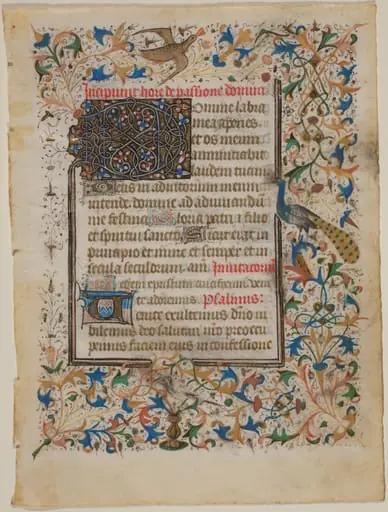 Manuscript Leaf from a Book of Hours (incip. Passionis)
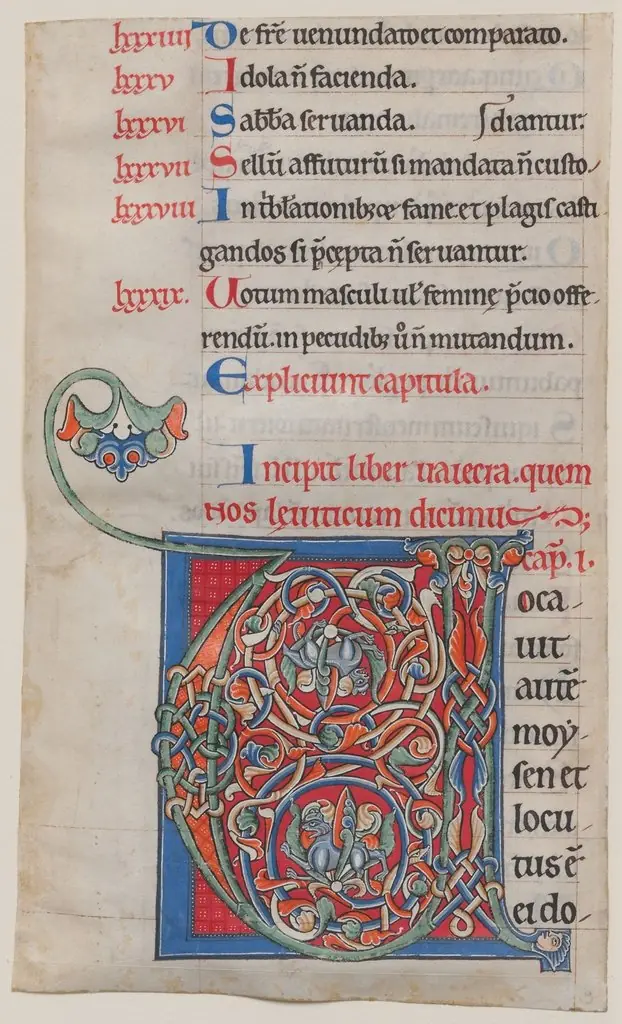 Manuscript Illumination with Initial V, from a Bible
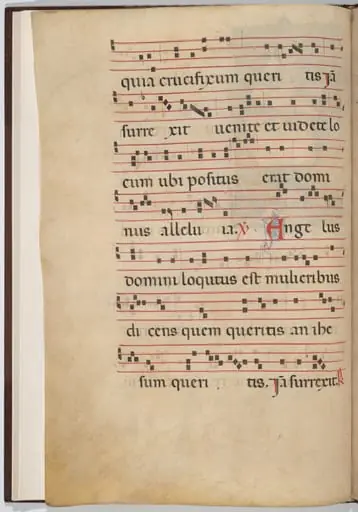 Leaf 1 from an antiphonal fragment (verso)
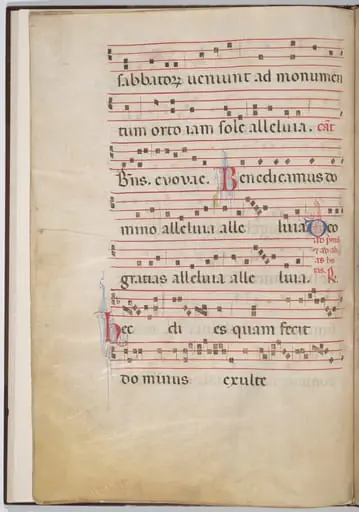 Leaf 4 from an antiphonal fragment (verso)
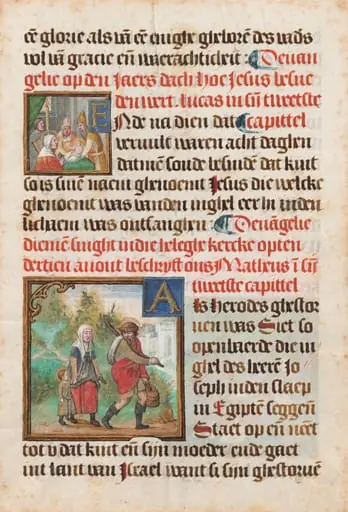 Manuscript Leaf from a Book of Hours
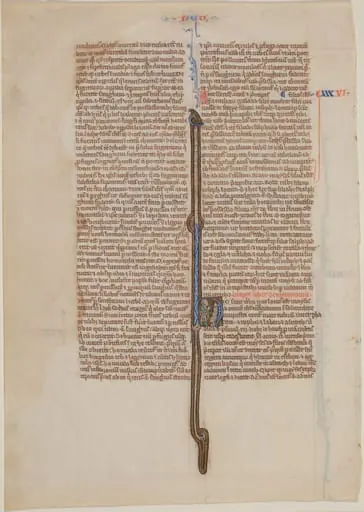 Manuscript Leaf from a Bible (Deuteronomy)
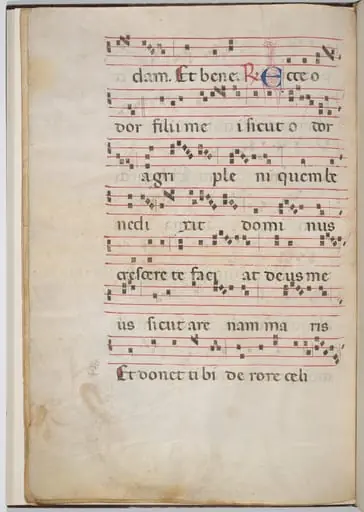 Leaf 8 from an antiphonal fragment (verso)
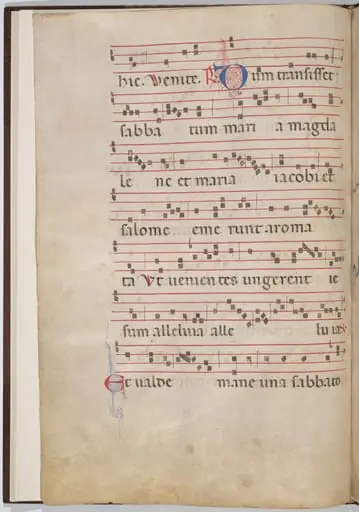 Leaf 2 from an antiphonal fragment (verso)
![Title Page for a Missal, with Satyr and Putti Border [verso], by Urs Graf I](https://artifactworldgallery.com/img/urs-graf-i--title-page-for-a-missal-with-satyr-and-putti-border-verso--df26a3e076a25bf5-w320.webp) Title Page for a Missal, with Satyr and Putti Border [verso]
Title Page for a Missal, with Satyr and Putti Border [verso]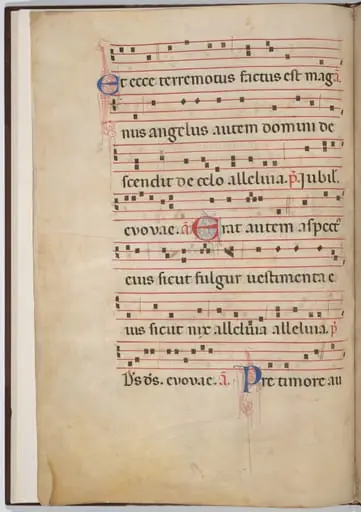 Leaf 3 from an antiphonal fragment (verso)
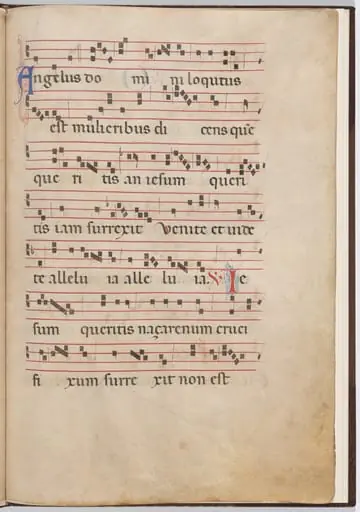 Leaf 2 from an antiphonal fragment
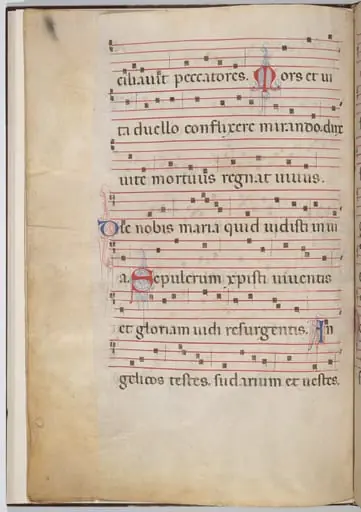 Leaf 6 from an antiphonal fragment (verso)