Artwork
Manuscript Leaf from a Bible (Deuteronomy)
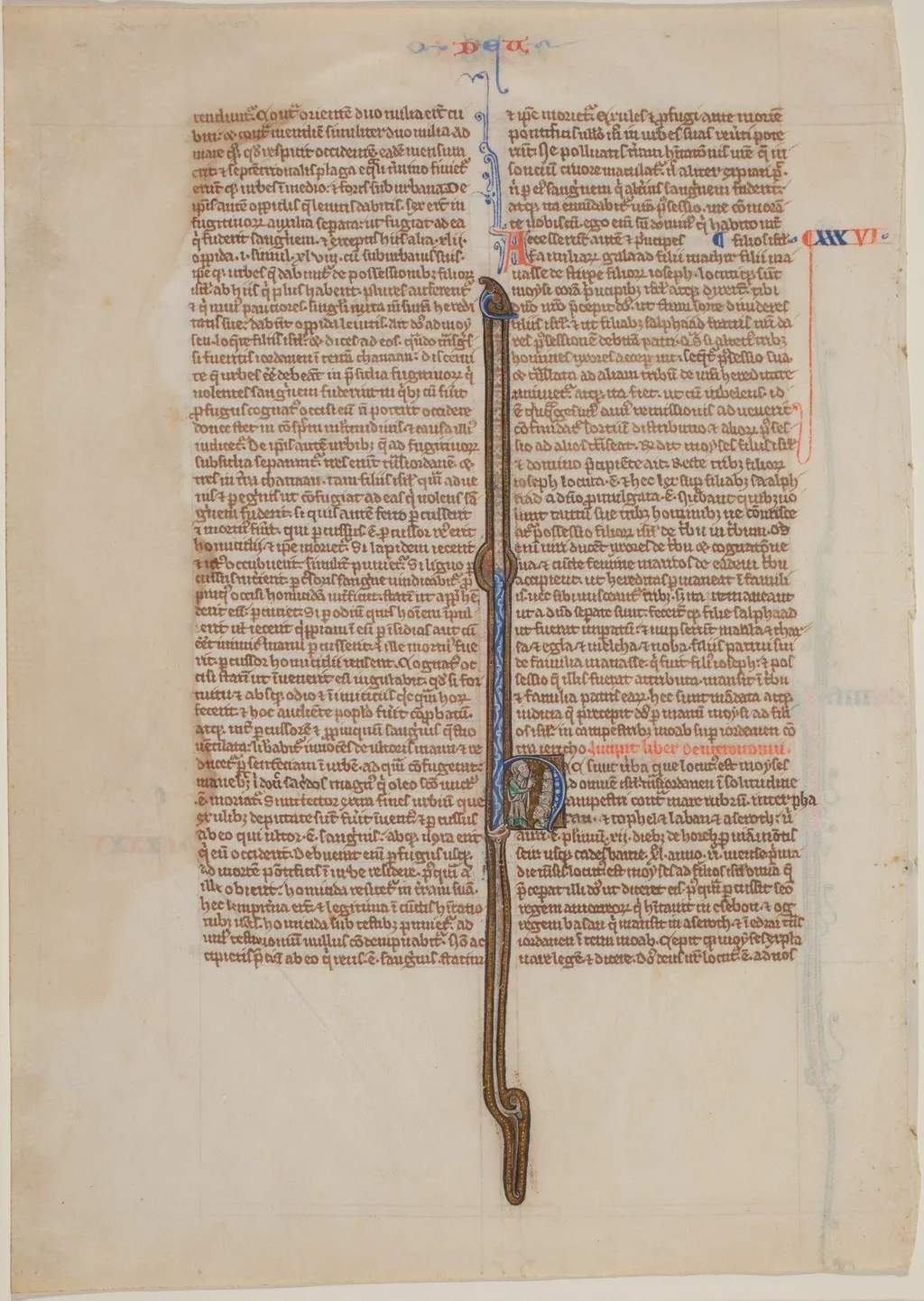
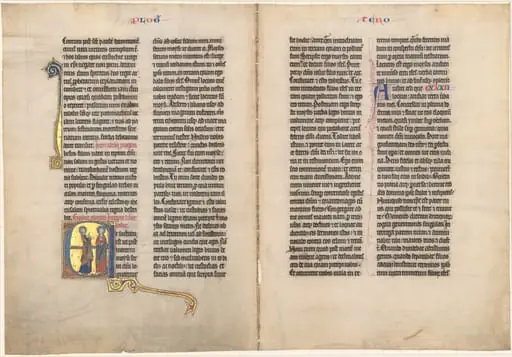
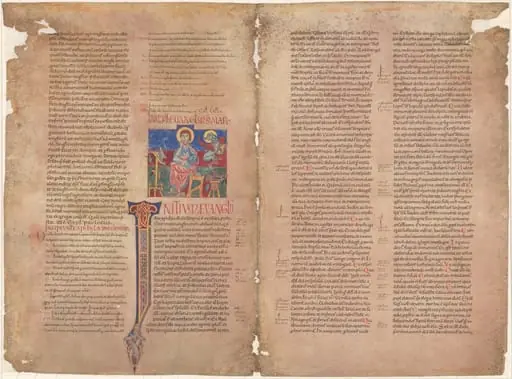
Manuscript Leaf from a Bible (Deuteronomy) is an ink drawing by English 13th Century. It dates from 1240 and is held in the collection of the National Gallery of Art. This single vellum leaf originates from a thirteenth-century Bible, executed in Latin.
About this work
Overview
Though centuries old, the pigments retain notable vibrancy, while marginal annotations in red ink suggest later scholarly engagement.
This single vellum leaf originates from a thirteenth-century Bible, executed in Latin. The layout divides the text into two narrow columns, each line rendered in a precise, uniform script. Illumination in red, blue, and gold leaf punctuates the page, marking chapter openings and embellishing initial letters. Though centuries old, the pigments retain notable vibrancy, while marginal annotations in red ink suggest later scholarly engagement.
Subject & Meaning
The leaf contains passages from Deuteronomy, the fifth book of the Hebrew Bible and Christian Old Testament. Its content—Moses’ final exhortations to the Israelites—served both liturgical and instructional purposes in medieval monastic life. The decorative elements not only guide the reader but also reflect the sacred weight of the text, elevating scripture through visual splendor.
Technique & Style
The scribe employed a fine, consistent gothic minuscule script, characteristic of high medieval manuscript production. Gold leaf, applied in thin sheets, lends a luminous quality to initials, while red and blue gouache provide contrast. White highlights enhance dimensionality, a technique common in thirteenth-century illumination. Marginal marks indicate later corrections or glosses, revealing ongoing use.
History & Provenance
Created in a European scriptorium, likely during the mid-1200s, the leaf formed part of a complete Bible before disassembly. Its later history remains fragmentary, though it entered the collection of the National Gallery of Art, Washington, where it is preserved. The survival of such leaves offers insight into medieval book production and the dispersal of manuscripts over time.
Context
Bibles of this era were labor-intensive, produced in monastic or professional workshops for ecclesiastical or aristocratic patrons. The two-column format and illuminated initials facilitated reading and memorization, reflecting the period’s emphasis on scriptural study. Such manuscripts also underscore the transition from monastic to university-based scholarship in the thirteenth century.
Legacy
Though a single leaf, this fragment exemplifies the craftsmanship of medieval scribes and illuminators. Its preservation allows study of period-specific techniques, materials, and textual traditions. As part of a larger corpus of dispersed manuscripts, it contributes to the reconstruction of medieval book history and the broader cultural role of illuminated Bibles.
Artist & collection
Artist
This artist worked in the 1200s, painting tiny scenes inside handmade Bibles. Their Manuscript Leaf from a Bible shows Deuteronomy with ink, colored paint, and gold leaf on animal skin. The letters curve like vines, and…

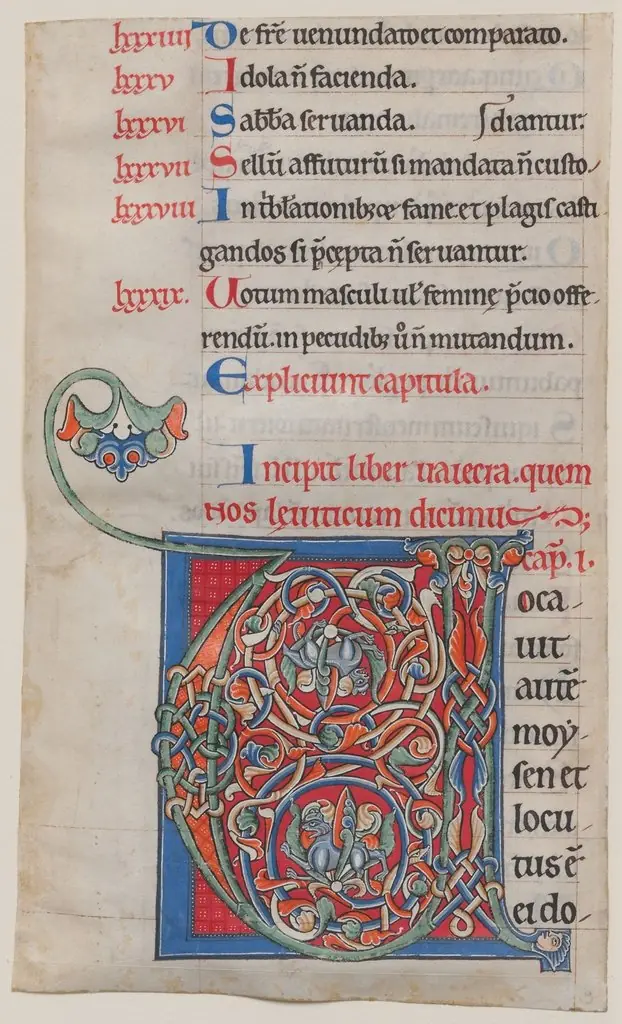 Manuscript Illumination with Initial V, from a Bible
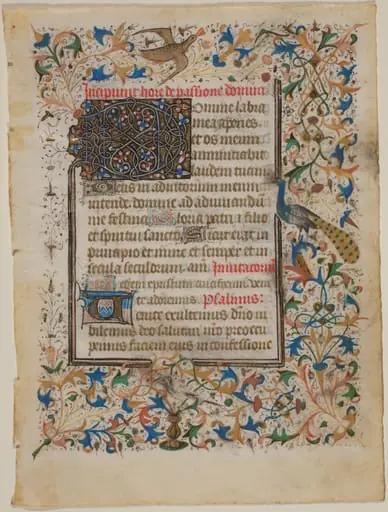 Manuscript Leaf from a Book of Hours (incip. Passionis)
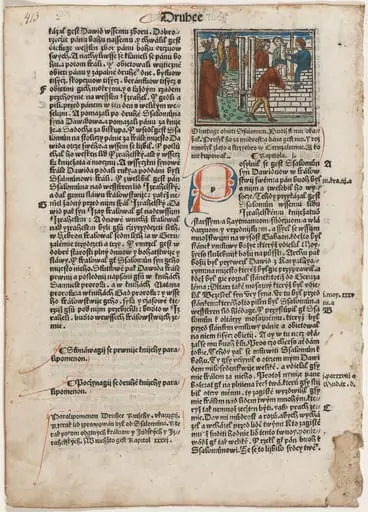 page from the Holy Bible in Bohemian
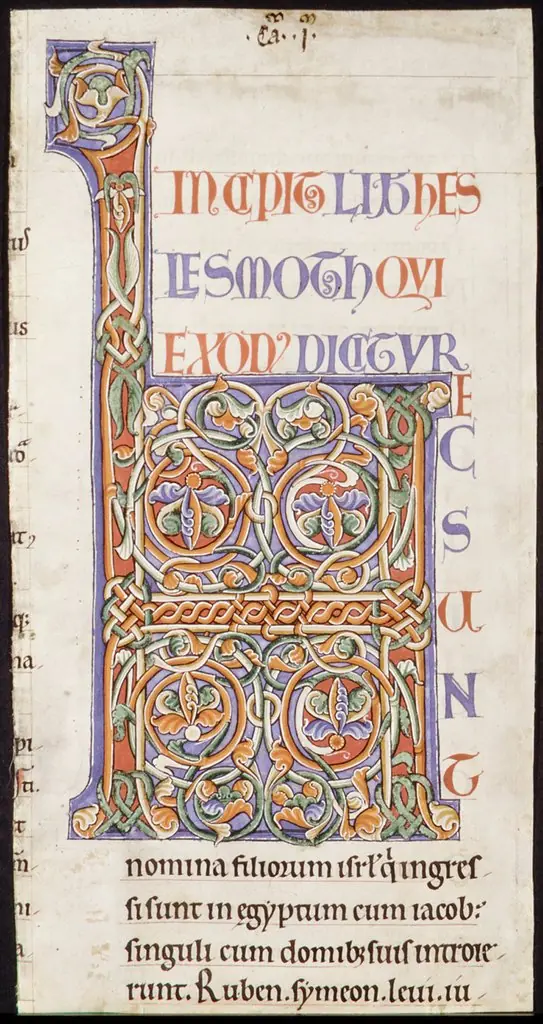 Manuscript Illumination with Initial H, from a Bible
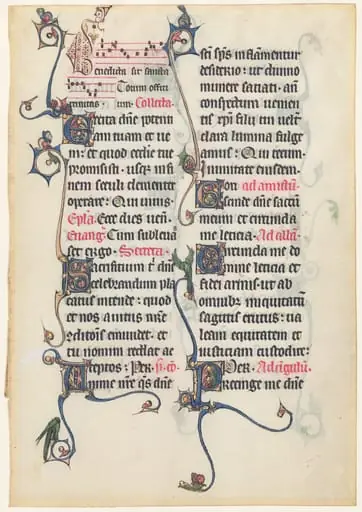 Manuscript Leaf from the Beauvais Missal
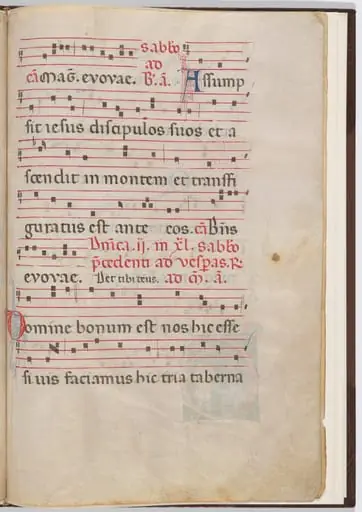 Leaf 7 from an antiphonal fragment
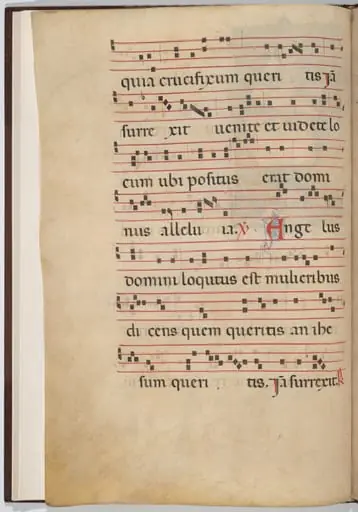 Leaf 1 from an antiphonal fragment (verso)
 Leaf 8 from an antiphonal fragment (verso)
 Leaf 8 from an antiphonal fragment
 Leaf 2 from an antiphonal fragment (verso)
 Initial "V" from the commentary of Nehemiah, one of six illustrated leaves from the Postilla Litteralis (Literal Commentary) of Nicholas of Lyra
 Joshua before the Lord
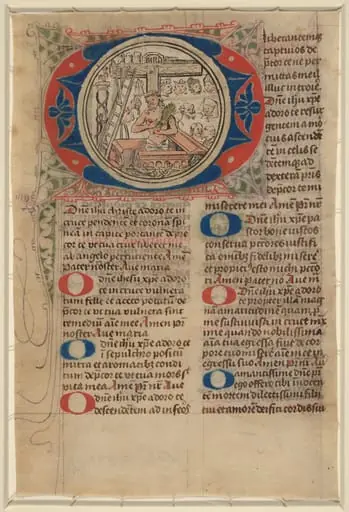 Christ as the Man of Sorrows
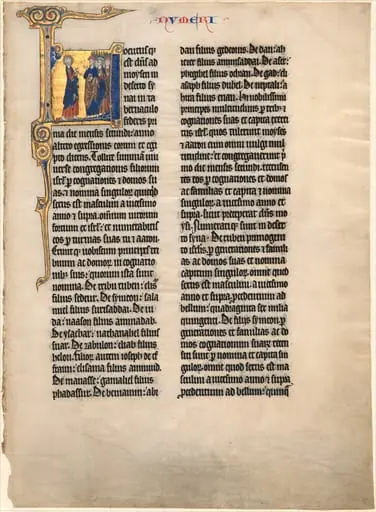 Moses Counting the Children of Israel
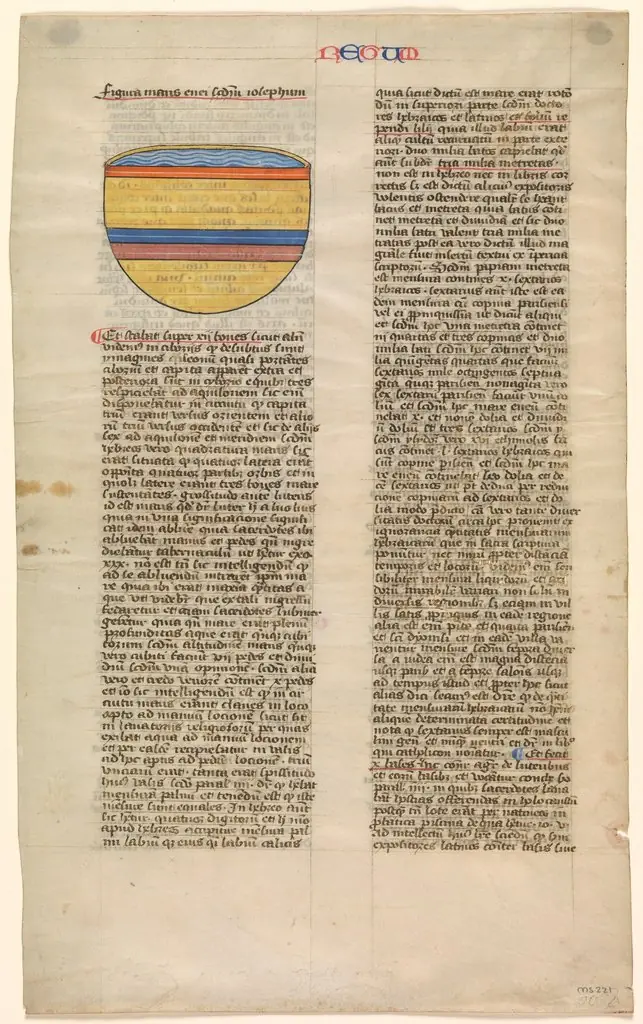 Brazen Sea, one of six illustrated leaves from the Postilla Litteralis (Literal Commentary) of Nicholas of Lyra
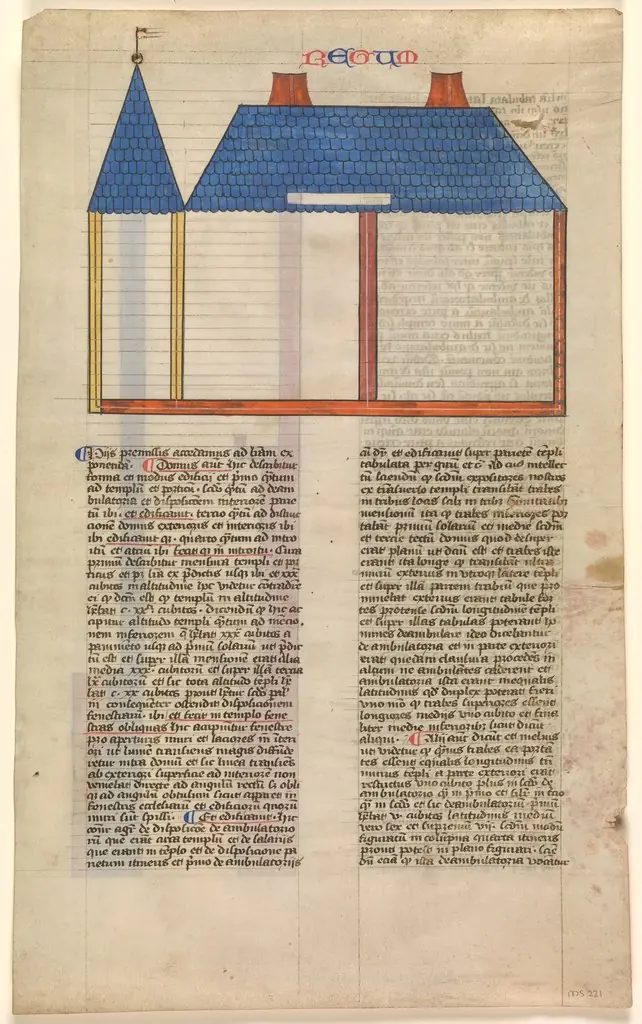 Elevation of Solomon's Temple, one of six illustrated leaves from the Postilla Litteralis (Literal Commentary) of Nicholas of Lyra
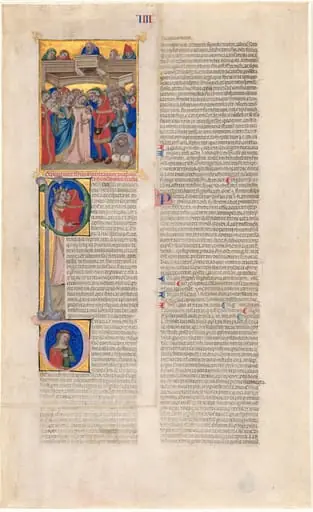 The Marriage; the Kiss of the Bride (initial P); the Bride Abandoned (initial D)
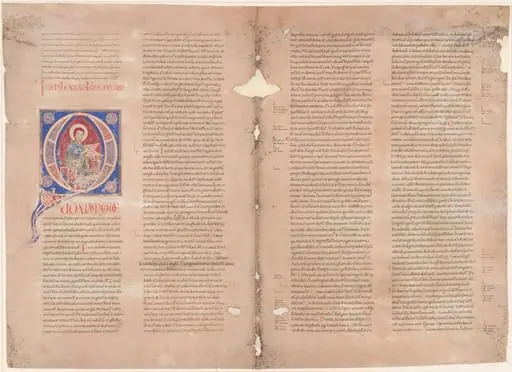 Saint Luke
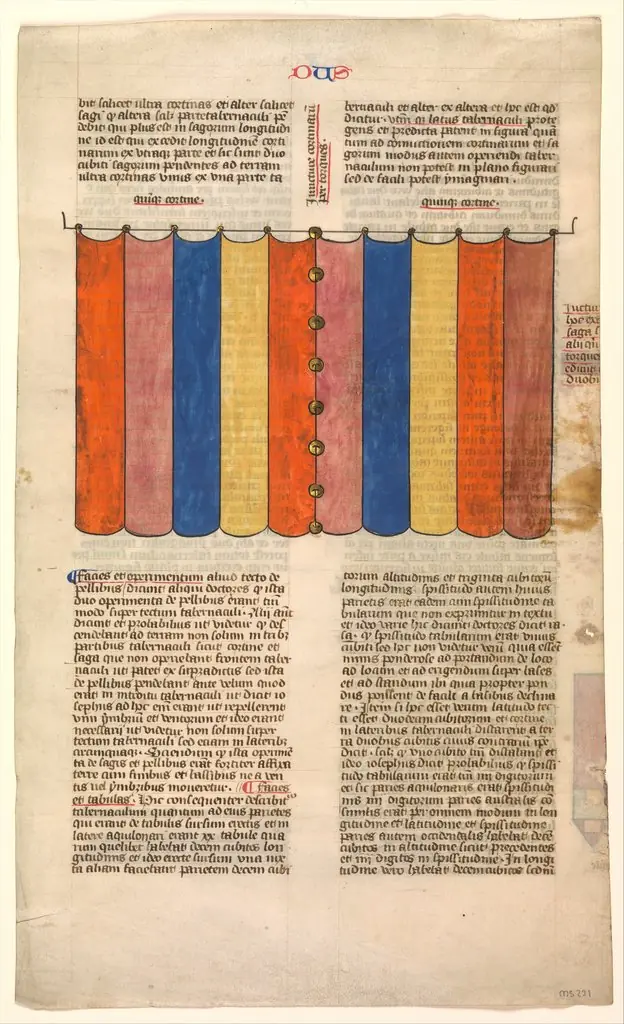 Curtain of the Tabernacle, one of six illustrated leaves from the Postilla Litteralis (Literal Commentary) of Nicholas of Lyra
 Saint Mark