Artwork
Guatsetto and Mestolino
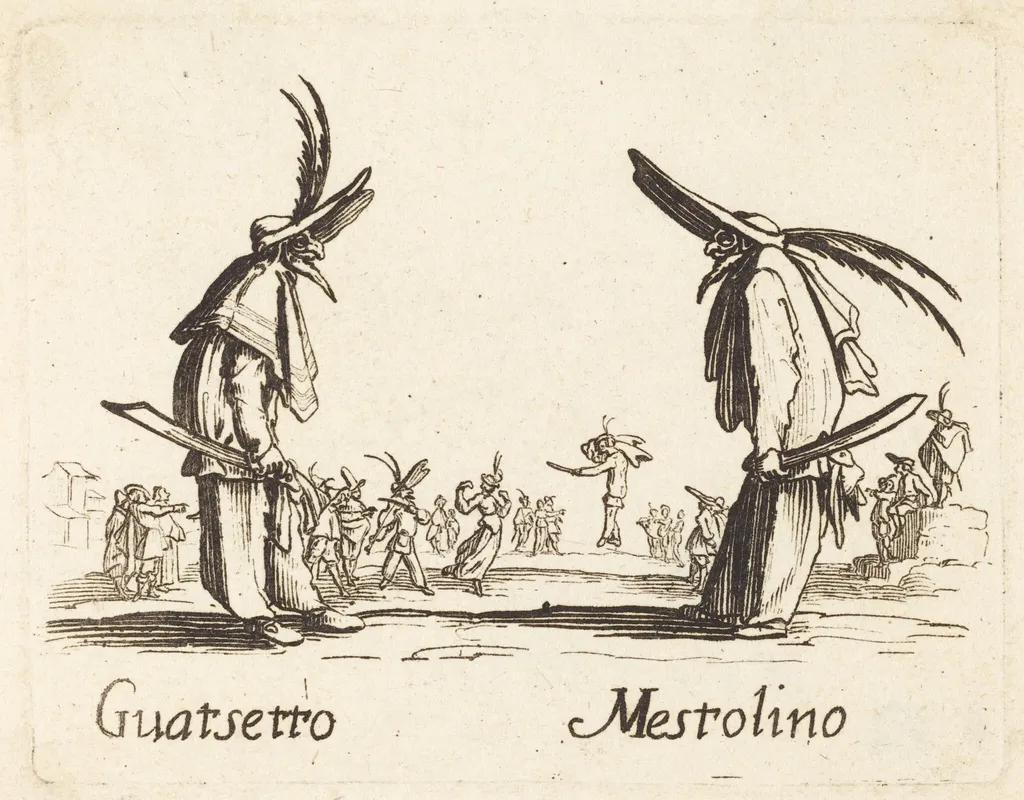
Guatsetto and Mestolino is an ink print by the Baroque artist French 17th Century. It dates from 1622 and is held in the collection of the National Gallery of Art.
About this work
Overview
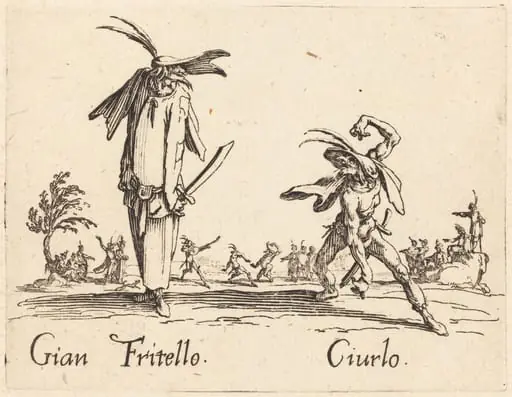
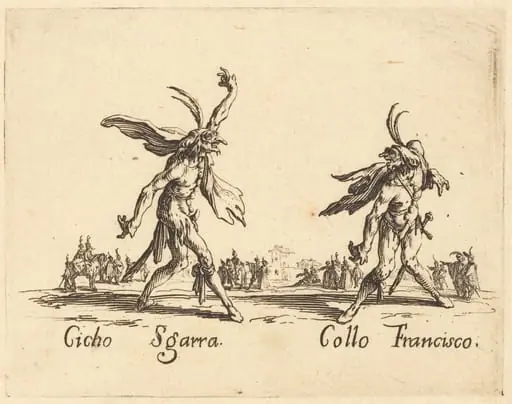
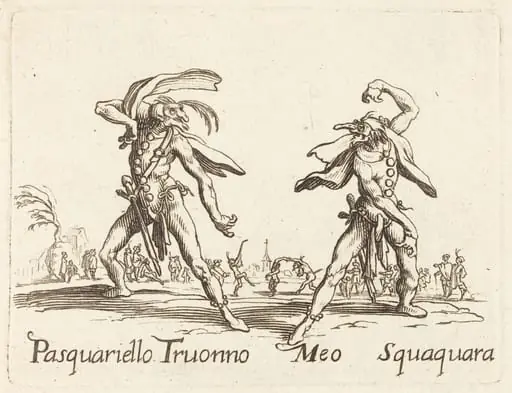
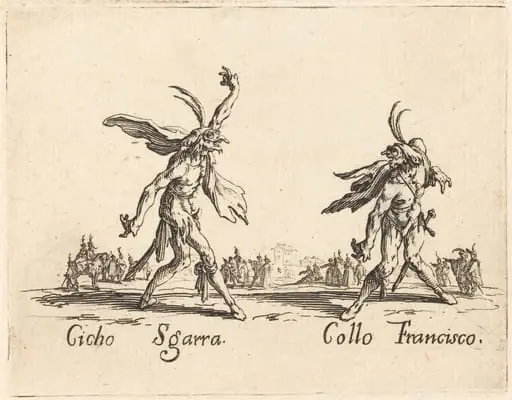
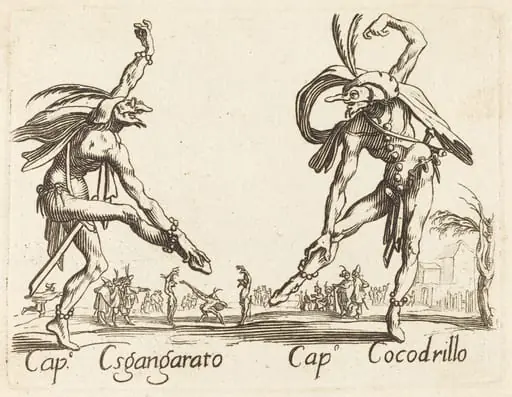
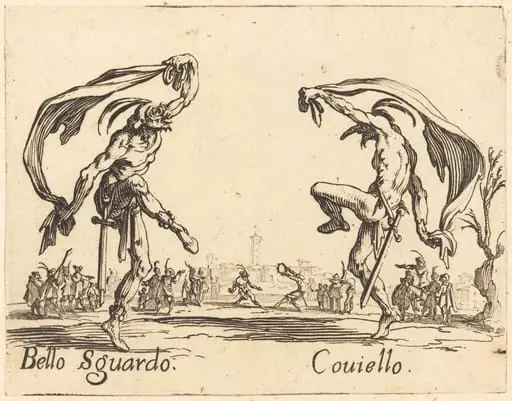
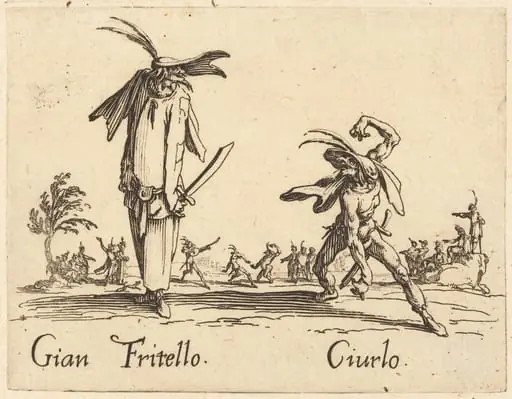
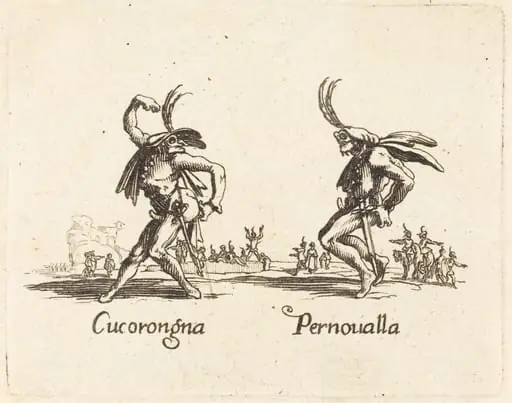
The work is an etching on laid paper that presents a dramatic encounter between two robed figures, each bearing a sword and a feather‑adorned hat. A gathering of onlookers forms the backdrop, suggesting a public spectacle. The composition is rendered with fine, intricate lines that convey tension and movement.
Subject & Meaning
The central figures, identified as Guatsetto and Mestolino, stand opposite one another, poised for conflict. Their elaborate attire and weaponry imply a ceremonial or ritualized duel, while the surrounding crowd underscores the event’s social significance, inviting viewers to contemplate themes of honor, rivalry, and public performance.
Technique & Style
Executed through traditional intaglio etching, the artist employed delicate incisions and varied line weights to model textures of fabric, feathered headgear, and the bustling audience. The use of laid paper enhances the tonal richness, allowing subtle gradations that deepen the sense of spatial depth and atmospheric tension.
History & Provenance
The print is part of the collection of the National Gallery of Art in Washington, D.C. Its acquisition details are recorded by the museum, confirming its status as a representative example of the medium within the institution’s holdings of historic prints.
Artist & collection

Artist
Seventeenth-century French printmakers turned ink into story. Their tools were burin and acid, paper their stage. Look at the Beggar Woman with Rosary (1622), etched on laid paper, her hands folded around faith, or The…