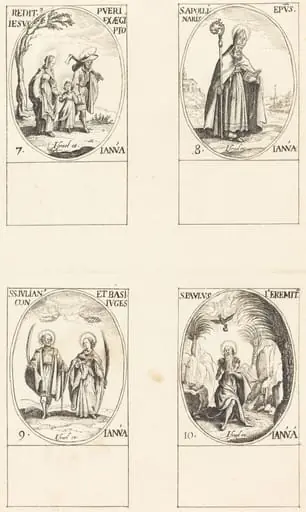
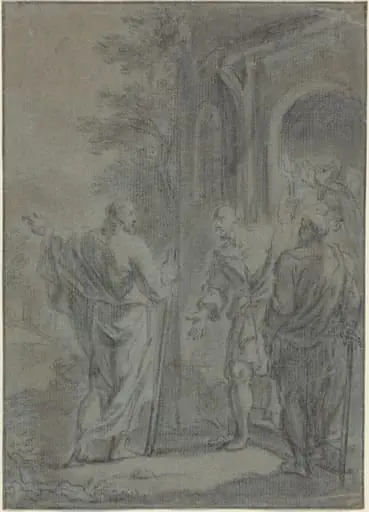
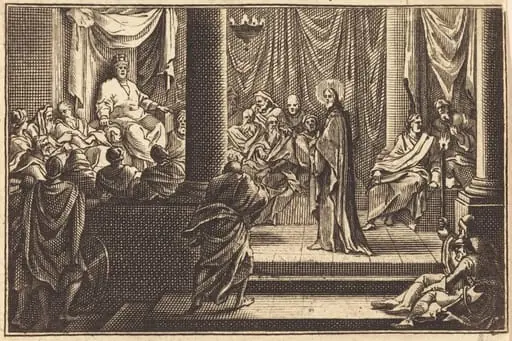
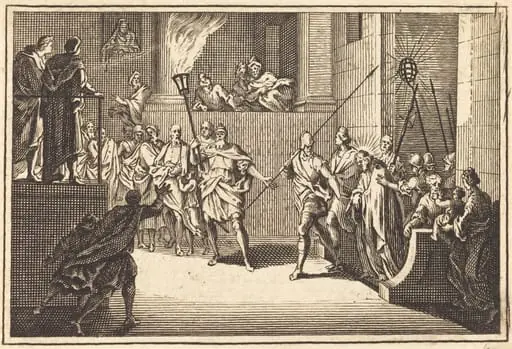
Artwork
The Ascension
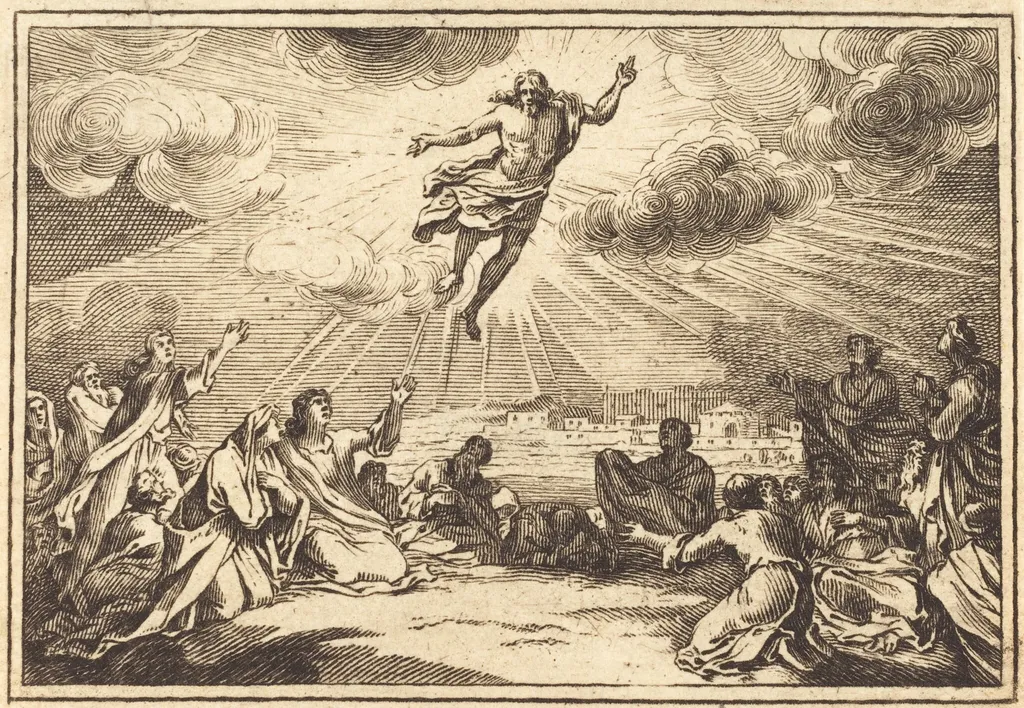
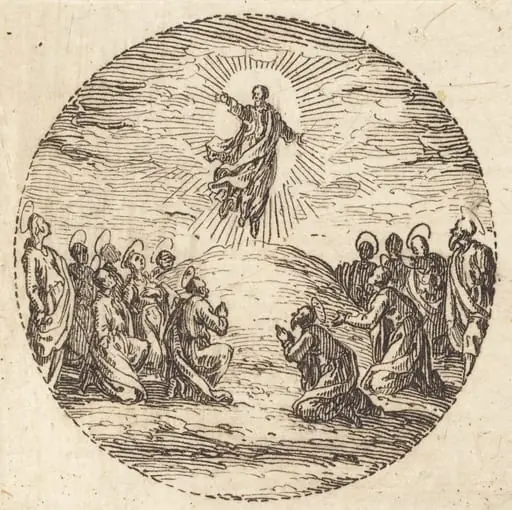
The Ascension is an ink print by the Baroque artist French 17th Century. It dates from 1650 and is held in the collection of the National Gallery of Art.
About this work
Overview
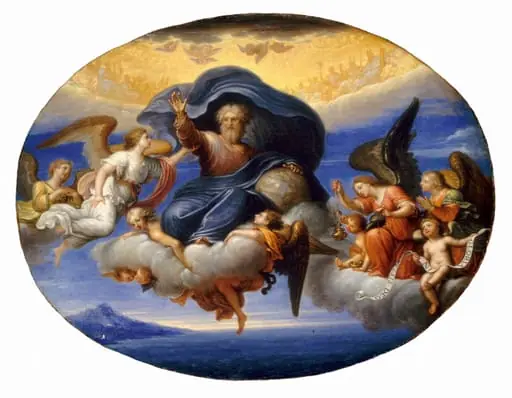
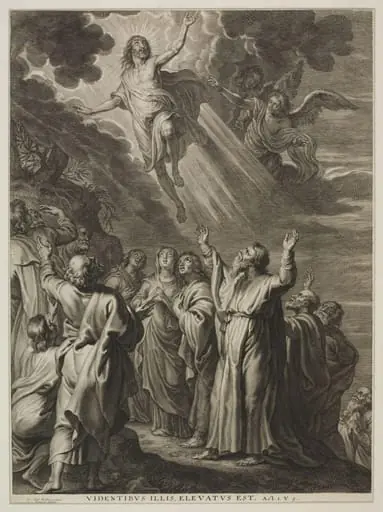
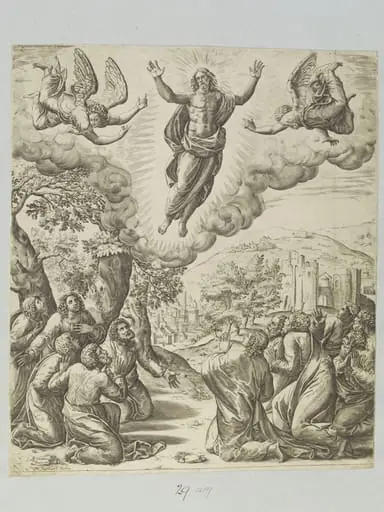
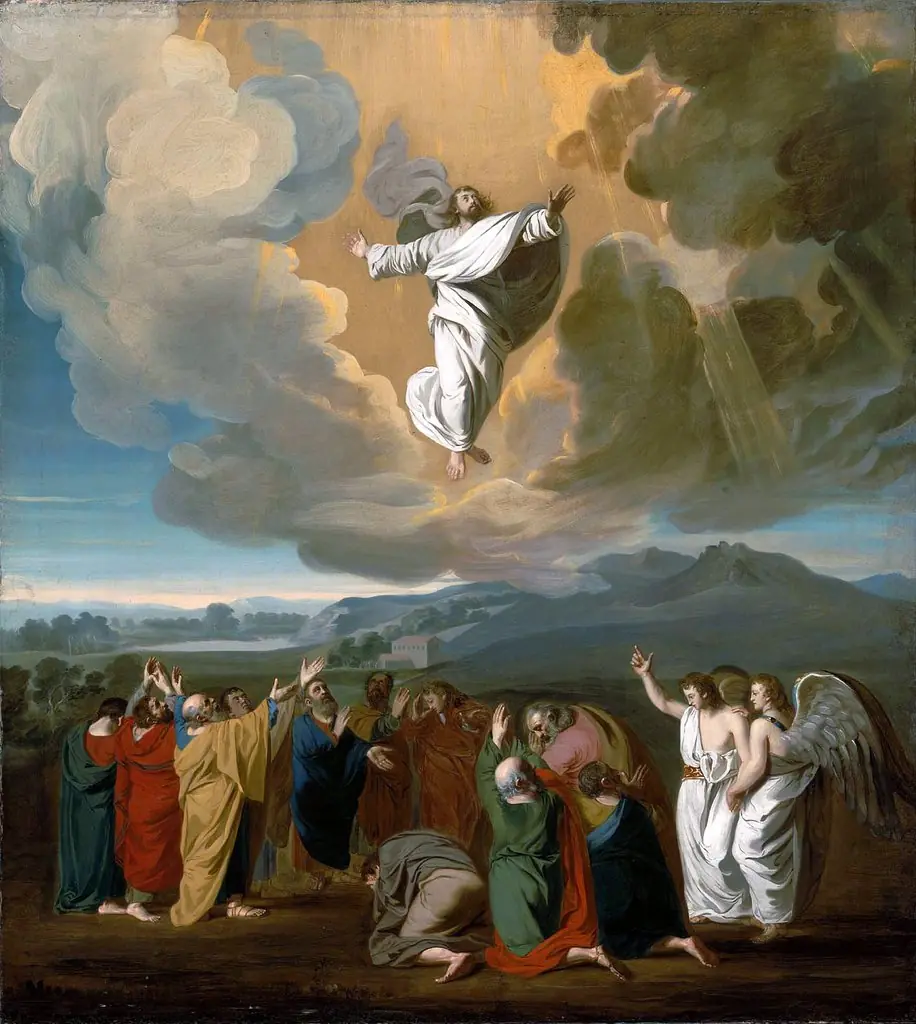
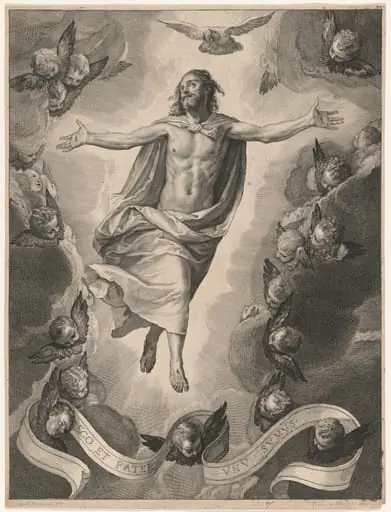
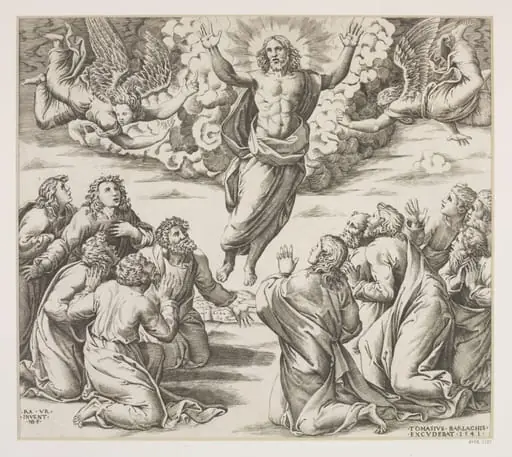
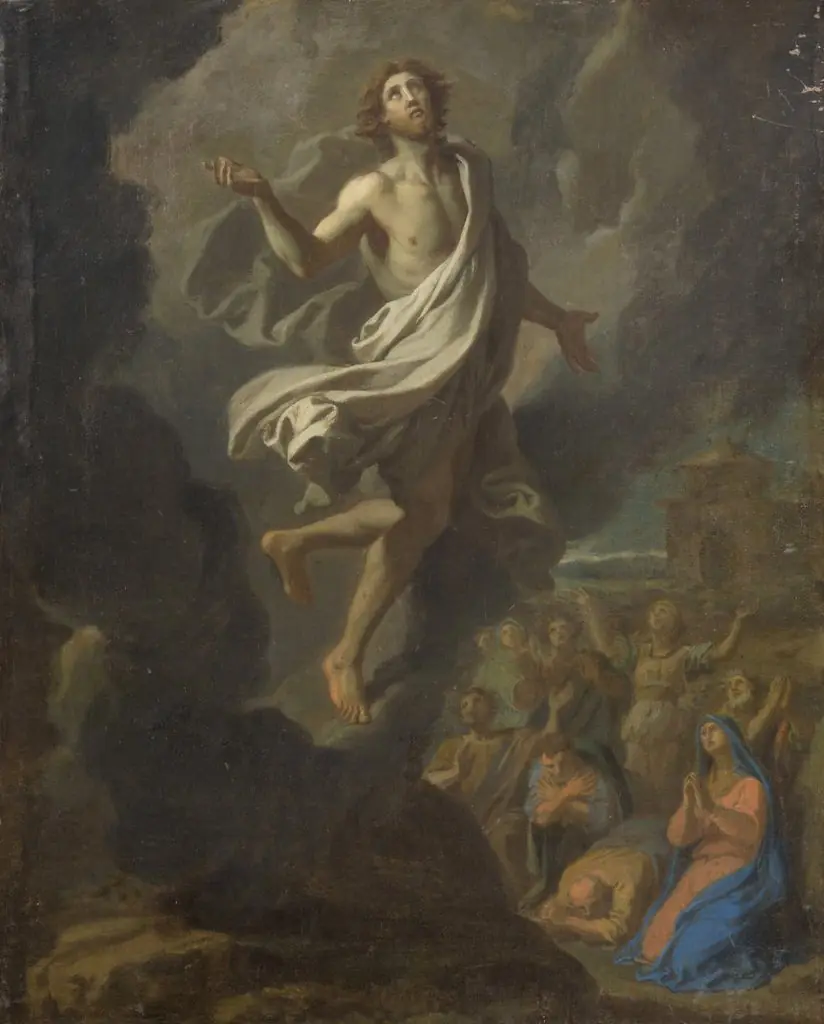
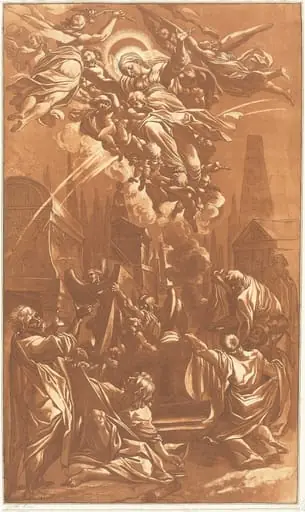
The work entitled The Ascension is an engraving, a print created by incising a design onto a metal plate and transferring it to paper. The image captures the biblical moment when Christ is lifted upward into the heavens, surrounded by swirling clouds and attended by angels, while his disciples look on from below with expressions of awe.
Subject & Meaning
The composition depicts the climactic event of Christ’s ascent, emphasizing divine elevation and the human response to the supernatural. The angels serve as celestial witnesses, reinforcing the heavenly realm, whereas the disciples’ upward‑tilted gazes convey both reverence and the mystery of the transition from earthly ministry to divine glorification.
Technique & Style
The artist employs dense cross‑hatching to model shadows, giving depth to the figures’ robes and the billowing clouds. Intersecting lines create a tactile texture that suggests movement in the atmosphere and the weight of the moment. The engraving’s tonal range, achieved through meticulous line work, highlights contrasts between light‑filled sky and the darker ground.
Context
Engravings of religious narratives were common in early modern Europe, serving both devotional and didactic purposes. By rendering the Ascension in a reproducible medium, the image could reach a wider audience than a singular painting, reflecting the period’s interest in disseminating biblical stories through accessible visual forms.
Artist & collection

Artist
Seventeenth-century French printmakers turned ink into story. Their tools were burin and acid, paper their stage. Look at the Beggar Woman with Rosary (1622), etched on laid paper, her hands folded around faith, or The…