Artwork
The Ascension of Jesus Christ
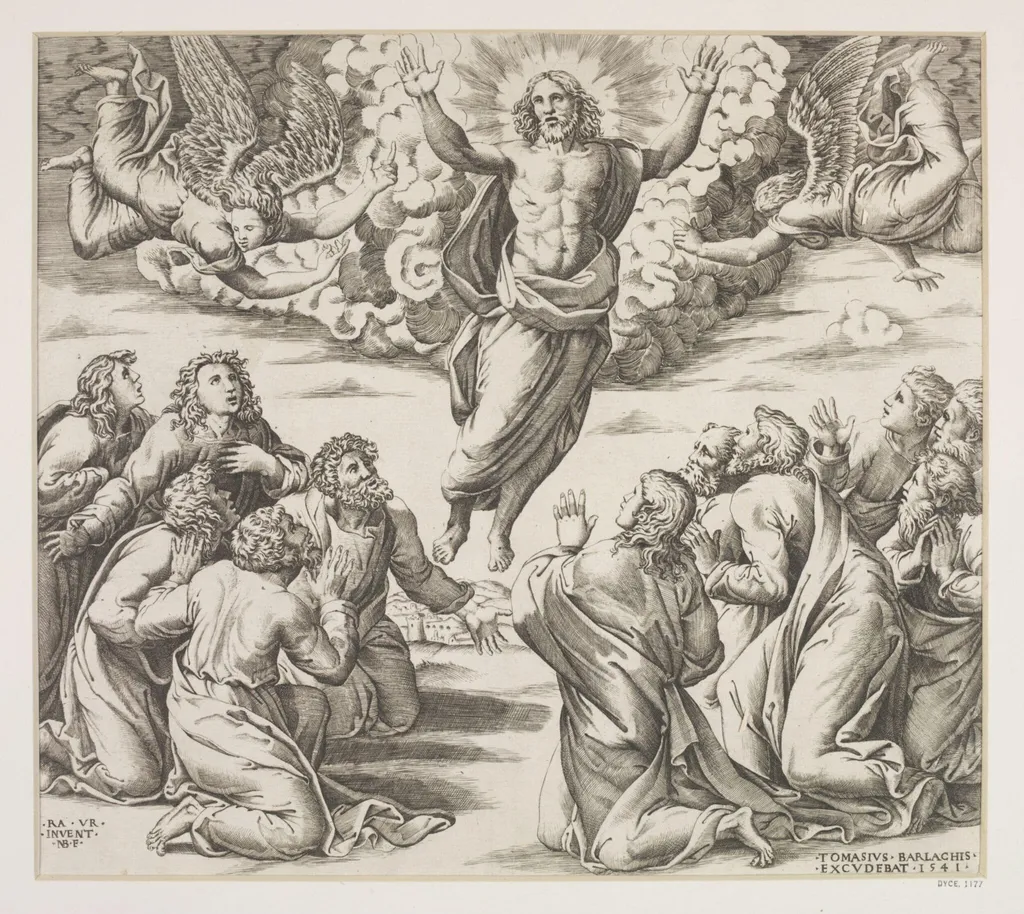
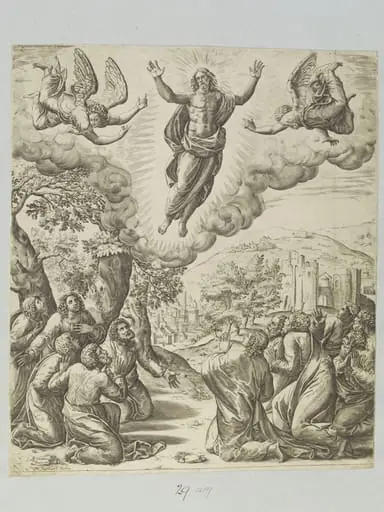
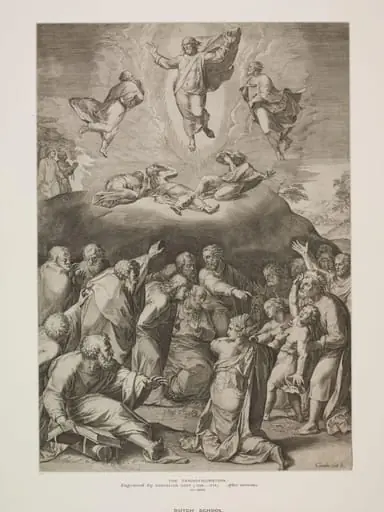
The Ascension of Jesus Christ is a print by the Renaissance artist Nicolas Beatrizet. It dates from 1520 and is held in the collection of the Victoria and Albert Museum.
About this work
Overview
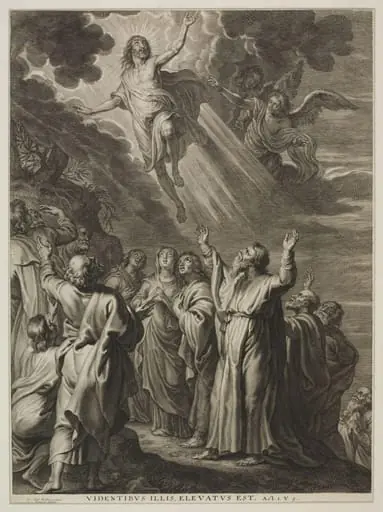
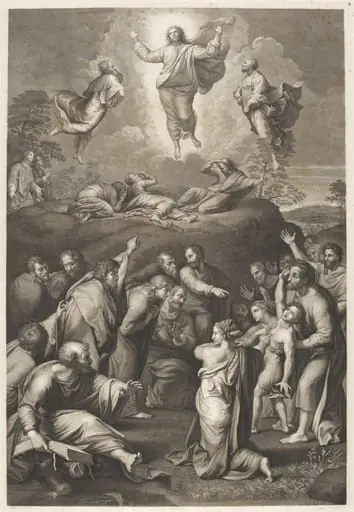
This print captures the Ascension of Jesus Christ, derived from a composition by Raphael and translated into engraving by Nicolas Beatrizet.
This print captures the Ascension of Jesus Christ, derived from a composition by Raphael and translated into engraving by Nicolas Beatrizet. Executed on paper, it represents the earliest known state of the work, before any printer’s mark or address was added by Antonio Lafreri. The image preserves the original tonal balance and detail intended by the engraver, offering a direct view of the print as first issued.
Subject & Meaning
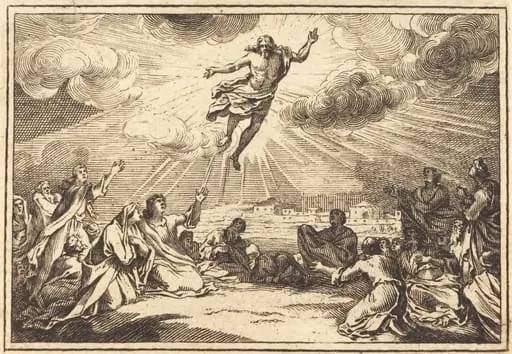
The scene illustrates Christ rising toward heaven, his body illuminated and drawn upward by divine force, while a group of apostles and followers watches from below. Their postures—raised arms, bowed heads, and outstretched hands—convey awe and reverence. The composition emphasizes the theological moment of Christ’s departure from earth, affirming his divine nature and the promise of salvation to those left behind.
Technique & Style
Beatrizet employed fine, precise lines to render drapery, facial expressions, and the swirling clouds of the heavens. The engraving’s clarity and controlled hatching reflect Renaissance ideals of harmony and anatomical grace, adapted from Raphael’s original design. The figures are arranged in a balanced, semi-circular group, enhancing the sense of solemnity and spatial depth despite the flatness of the medium.
History & Provenance
Created in the mid-16th century, this print circulated in Rome as part of a broader market for reproductive engravings after High Renaissance paintings. Its initial state, lacking Lafreri’s imprint, suggests it was issued before commercial branding became standard. Surviving impressions from this early phase are rare, making this version a key document in understanding the dissemination of Raphael’s imagery through print.
Context
During the Renaissance, engravings like this served as accessible conduits for religious imagery, allowing wider audiences to engage with sacred narratives. Beatrizet’s work responded to demand for devotional art that mirrored the authority of major painters. The Ascension, a central theme in Christian theology, was frequently reproduced, reinforcing doctrinal messages through visual repetition across Europe.
Legacy
Beatrizet’s engraving contributed to the enduring visual language of the Ascension in Western art. By faithfully translating Raphael’s composition into print, it helped standardize the iconography for generations of viewers and artists. Though overshadowed by the original painting, the print played a vital role in shaping how the event was imagined and remembered in devotional and educational contexts.
Artist & collection


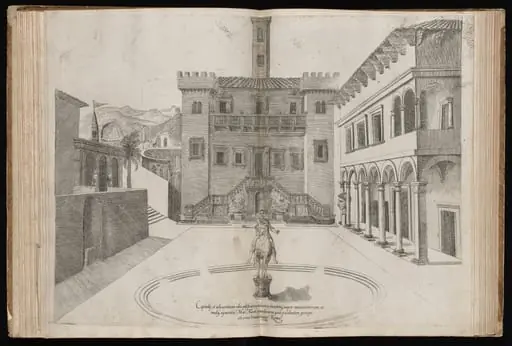
![Castello S. Angelo di Roma [Castel Sant'Angelo in Rome], by Nicolas Beatrizet](https://artifactworldgallery.com/img/nicolas-beatrizet--castello-s-angelo-di-roma-castel-sant-angelo-in-rome--6c77d3bfe127c436-w320.webp)
![Pantheum Romanum [The Roman Pantheon], by Nicolas Beatrizet](https://artifactworldgallery.com/img/nicolas-beatrizet--pantheum-romanum-the-roman-pantheon--8069db7dd8e6f190-w320.webp)