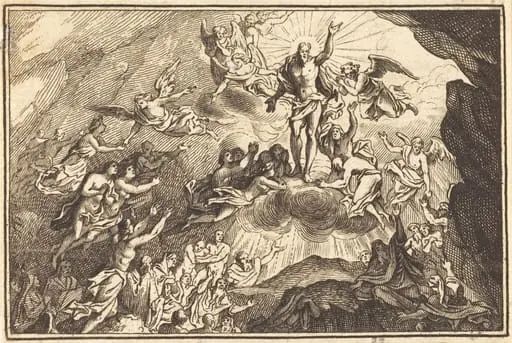
Artwork
The Ascension of Christ
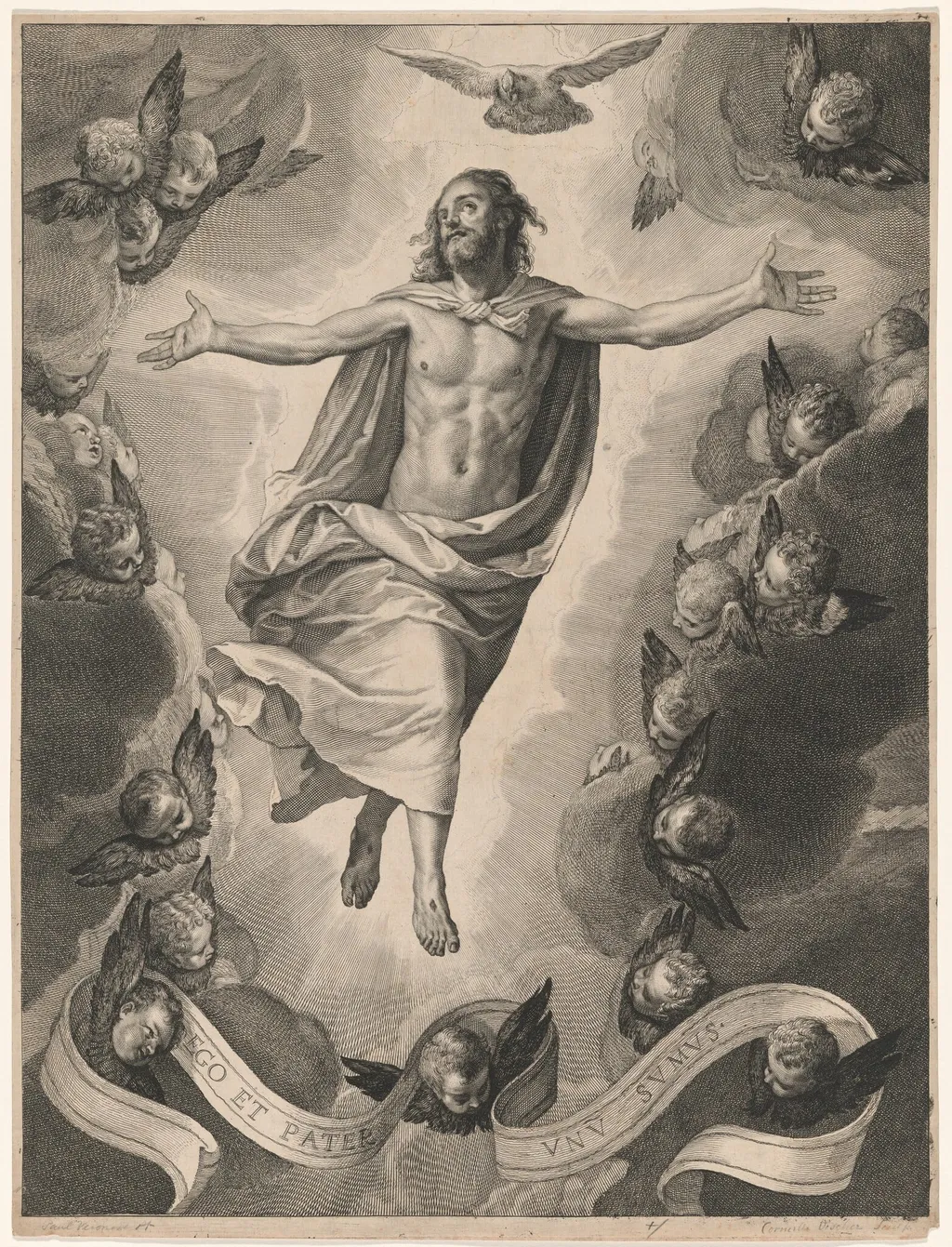
The Ascension of Christ is an ink print by the Baroque artist Cornelis Visscher. It dates from 1654 and is held in the collection of the National Gallery of Art.
About this work
Overview
The Ascension of Christ is a 17th-century religious engraving with etching on laid paper, attributed to Cornelis Visscher and dated circa 1654. It is part of the collection at the National Gallery of Art in Washington.
Subject & Meaning
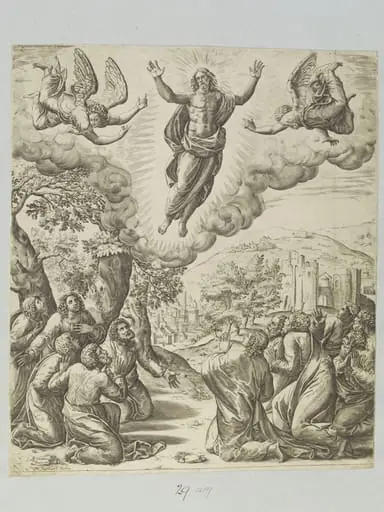
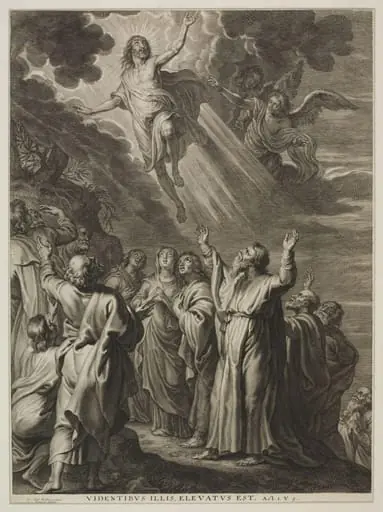
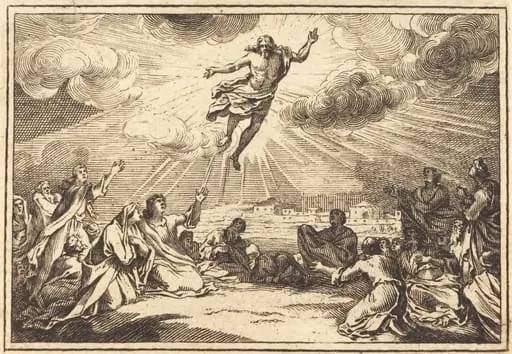
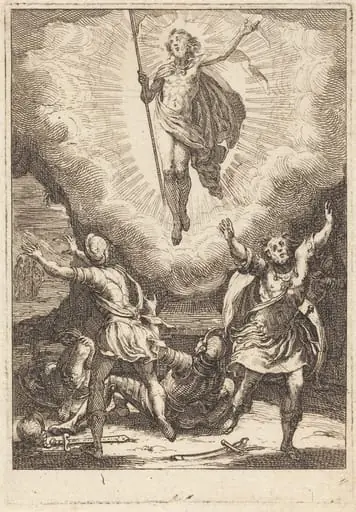
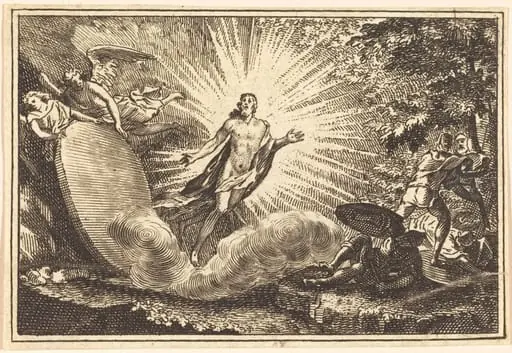
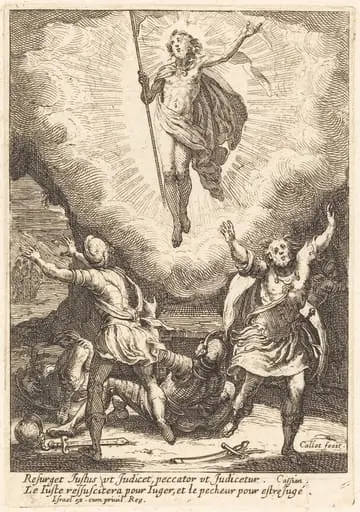
The print depicts the Ascension of Christ, showing a bearded Christ figure ascending with outstretched arms, enveloped in a flowing garment. Surrounding him are angels with wings, some holding scrolls inscribed with Latin text, while birds fly overhead and clouds swirl beneath his feet, conveying a sense of dynamic movement and divine presence.
Technique & Style
The artwork showcases Visscher's mastery of engraving and etching techniques. Fine, detailed lines create a dramatic interplay of light and shadow, emphasizing the emotional intensity of the scene. The precise marks characteristic of engraving are distinct from the softer qualities often associated with etching.
History & Provenance
Created around 1654, the engraving's early history is not detailed here, but it is currently held in the permanent collection of the National Gallery of Art in Washington, D.C., indicating its recognized artistic and historical value.
Context
Produced during the Dutch Golden Age, this work reflects the period's strong religious themes in art, as well as the technical advancements in printmaking. The use of Latin on the angels' scrolls suggests an audience familiar with religious texts.
Legacy
While specific influences or direct artistic legacies of 'The Ascension of Christ' by Visscher are not highlighted in available information, the piece contributes to the broader legacy of 17th-century Dutch printmaking and religious art, potentially inspiring later artists in their depiction of biblical scenes.
Artist & collection