Artwork
...alors, il s'approcha d'elle: Parody of van Dyck's Betrayal of Christ
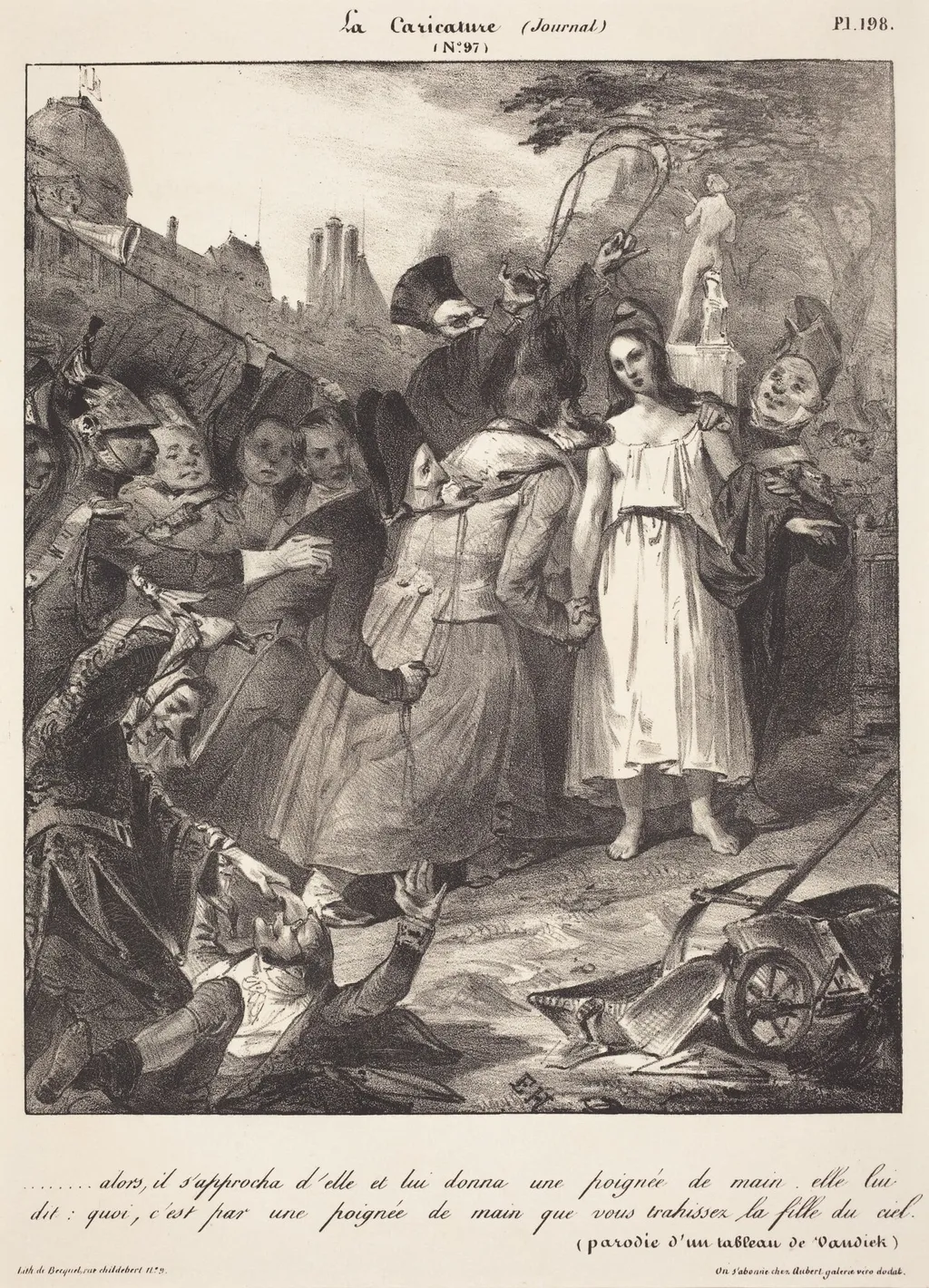
...alors, il s'approcha d'elle: Parody of van Dyck's Betrayal of Christ is an ink print by the Romanticist artist French 19th Century. It dates from 1832 and is held in the collection of the National Gallery of Art. This lithographic print, titled “…alors, il s'approcha d'elle,” reinterprets Anthony van Dyck’s Betrayal of Christ through a satirical lens.
About this work
Overview
This lithographic print, titled “…alors, il s'approcha d'elle,” reinterprets Anthony van Dyck’s Betrayal of Christ through a satirical lens. Executed in the 19th‑century printmaking technique of lithography, the work juxtaposes a tumultuous crowd with a composed female figure, creating a visual contrast that underscores its parodic intent.
Subject & Meaning
At the center, a woman in a plain dress cradles a statue of a robed figure, her serene expression contrasting sharply with the surrounding chaos. Around her, figures scramble, some reaching outward, others collapsed on the ground, while a haloed man is being dragged away. The composition mocks the solemnity of van Dyck’s original by inserting everyday disorder into a sacred narrative.
Technique & Style
Lithography, a planographic process that uses a greasy medium on stone or metal, allows for the sketchy, expressive lines evident in the background cityscape of towers and buildings. The artist exploits the medium’s capacity for tonal variation, rendering the crowd in loose, gestural strokes that convey movement, while the central figure is rendered with finer detail to emphasize calm amid disorder.
History & Provenance
Created as a parody, the print likely circulated among avant‑garde circles that engaged in critical reinterpretations of canonical works. Its provenance traces through private collections of 19th‑century French satirists, though specific ownership records remain sparse.
Context
The work emerges from a period when artists frequently employed parody to question religious and artistic authority. By echoing van Dyck’s composition, the lithograph participates in a broader dialogue about the role of reverence versus irreverence in visual culture.
Legacy
While not as widely reproduced as the original painting, the print exemplifies the use of lithography for social commentary. It continues to be referenced in studies of parody in art, illustrating how print media can subvert established iconography.
Artist & collection

Artist
This sculptor liked to keep sharp tools in the studio and blunt ones in his pocket—his niece recalled finding him absentmindedly whittling a stick while talking philosophy.

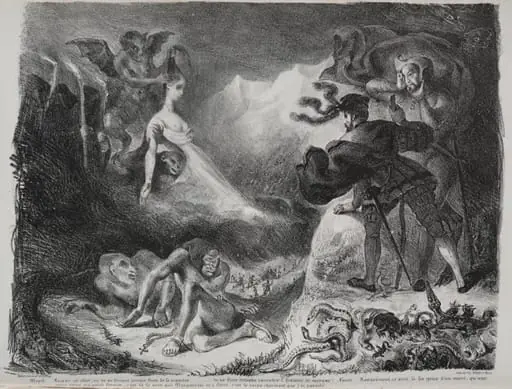 Illustrations for Faust: Marguerite's shadow appears to Faust
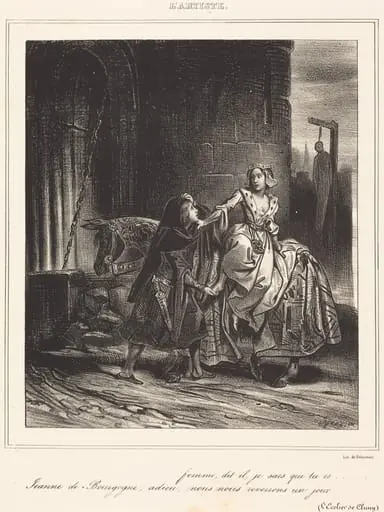 Jeanne de Bourgogne
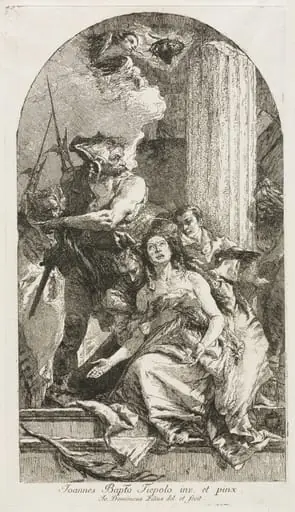 Martyrdom of St. Agatha
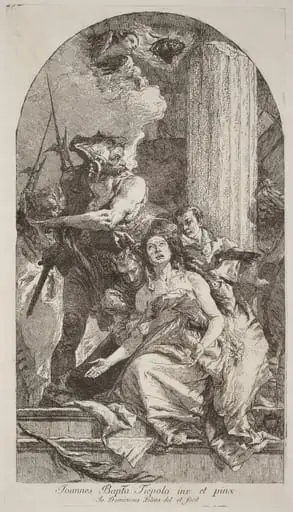 Martyrdom of Saint Agatha
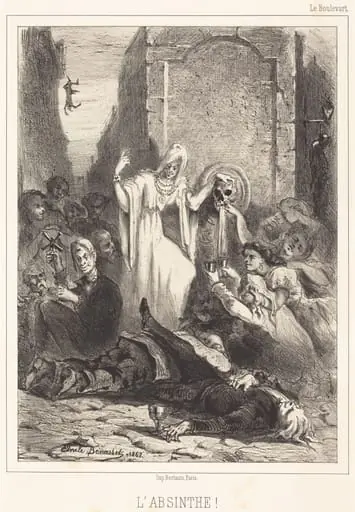 L'Absinthe!
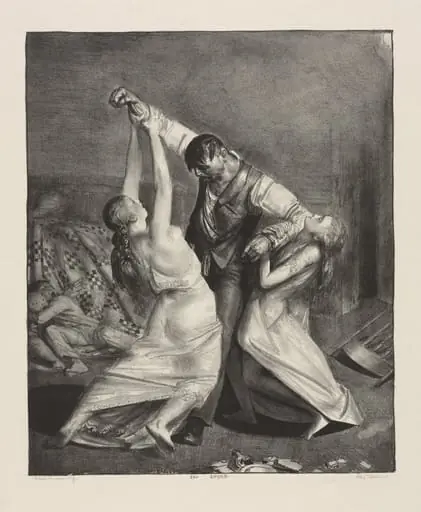 The Drunk
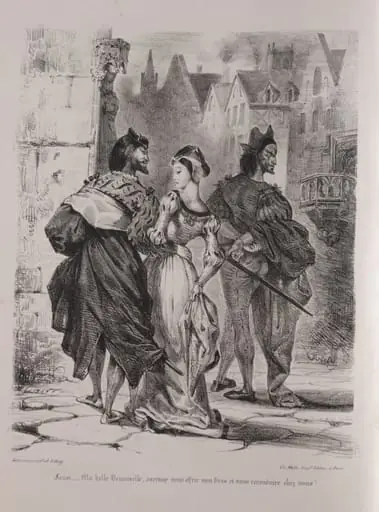 Illustrations for Faust: Faust seeks to allure Marguerite
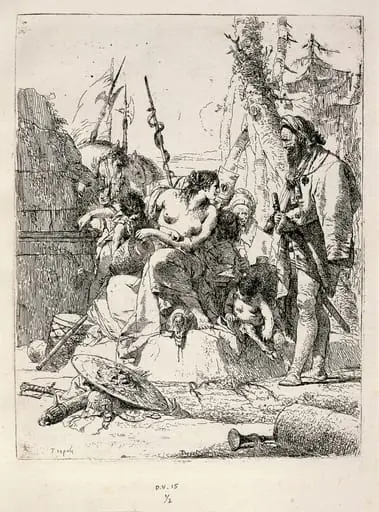 Seated Woman and Standing Man Surrounded by Other Figures and Paraphernalia
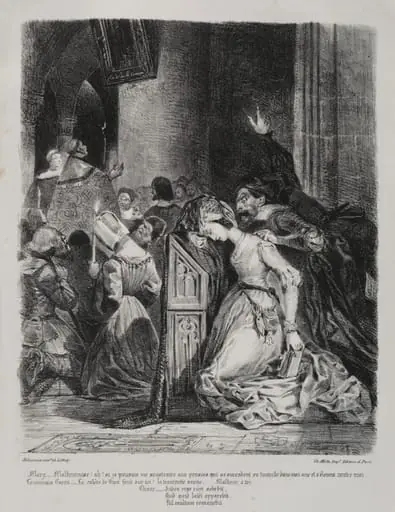 Illustrations for Faust: Marguerite at church
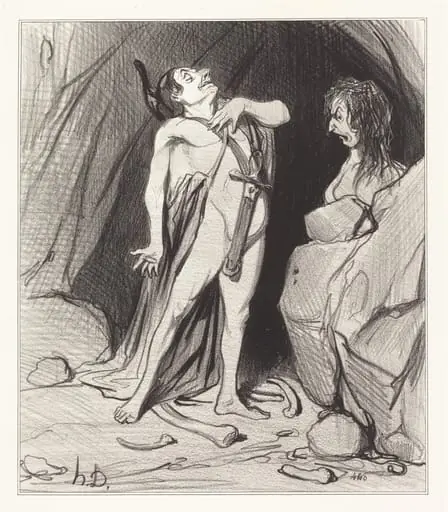 Oedipe chez le Sphinx
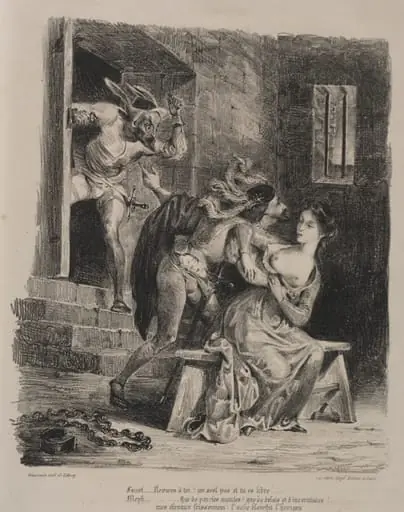 Illustrations for Faust: Faust in the prison of Marguerite
 Hamlet: The Chant of Ophelia