Artwork
Portrait of Countess Nákó
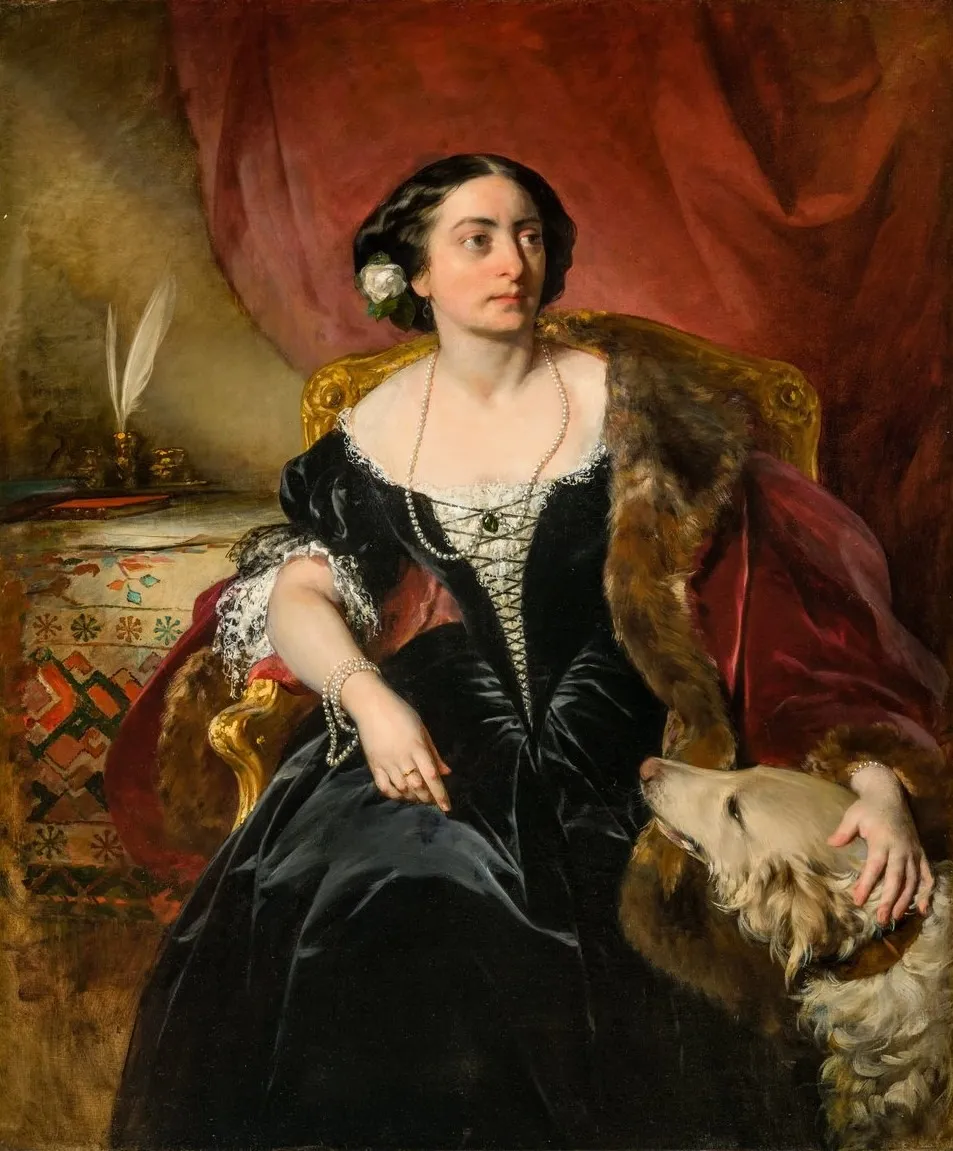
Portrait of Countess Nákó is an oil painting by the Biedermeier artist Friedrich von Amerling. It dates from 1855 and is held in the collection of the Hungarian National Gallery.
About this work
Overview
Friedrich von Amerling painted the Portrait of Countess Nákó in 1855. Executed in oil on canvas, the work depicts a seated woman in a gold chair, dressed in a dark gown with a fur shawl, pearl necklace, and a white flower in her hair, accompanied by a dog. The background consists of a red curtain, emphasizing the intimate setting typical of mid‑nineteenth‑century portraiture.
Subject & Meaning
The sitter, identified as Countess Nákó, is presented with symbols of aristocratic status: fine clothing, fur, pearls, and a pet dog, all arranged to convey refinement and composure. The calm pose and restrained expression reflect the Biedermeier ideal of personal dignity and private elegance, offering insight into the social aspirations of the Hungarian nobility during the period.
Technique & Style
The muted palette of the dress contrasts with the vivid red curtain, creating depth while keeping the focus on the figure.
Amerling employed the precise, smooth brushwork characteristic of Biedermeier portraiture, rendering textures such as fur, silk, and the sheen of pearls with meticulous detail. The muted palette of the dress contrasts with the vivid red curtain, creating depth while keeping the focus on the figure. Light falls softly across the face, highlighting the sitter’s features without dramatic chiaroscuro.
History & Provenance
Created while Amerling served as court painter to Emperor Franz Josef, the portrait entered the collection of the Hungarian National Gallery, where it remains on display. Its acquisition reflects the gallery’s effort to represent 19th‑century Central European art and to preserve works by one of Austria’s foremost portraitists of the era.
Artist & collection
Artist
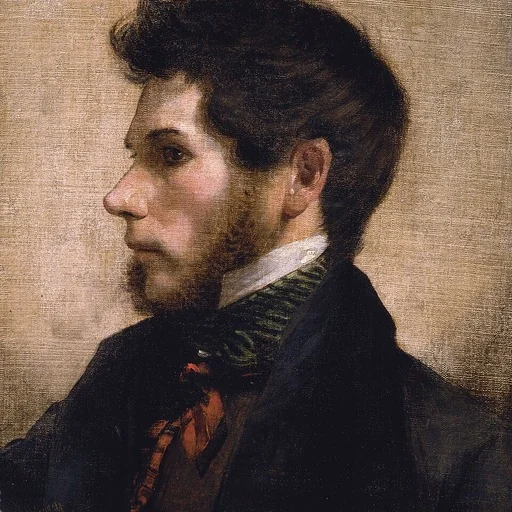
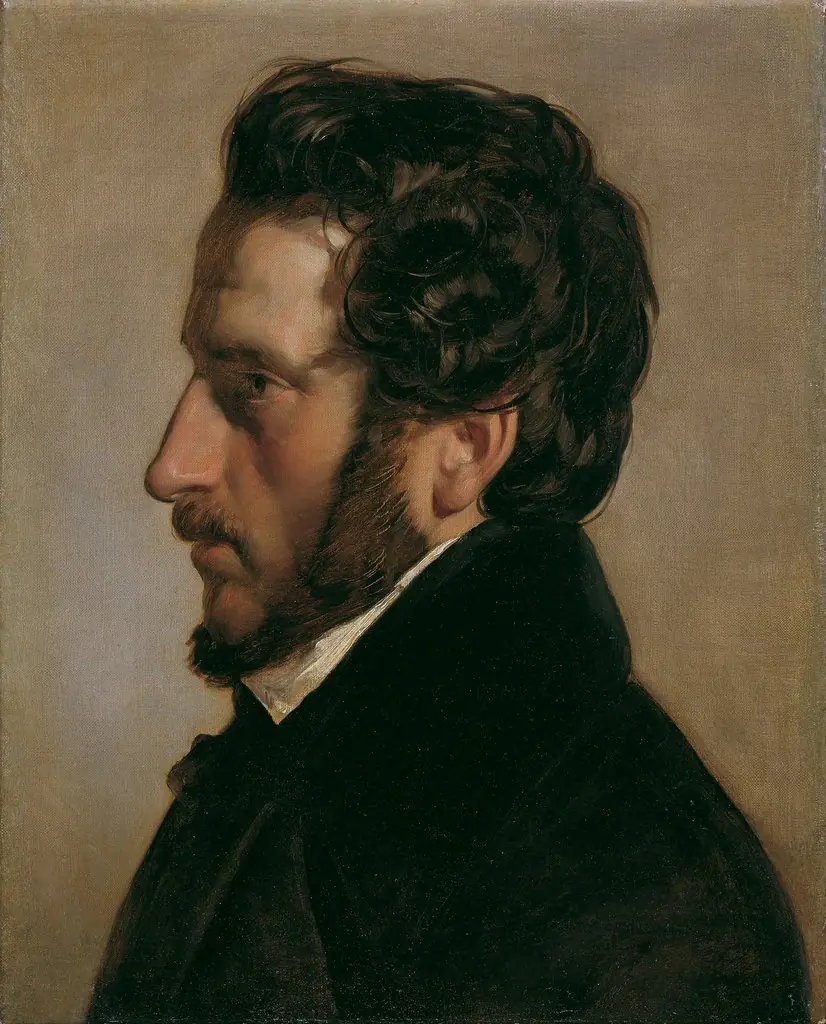
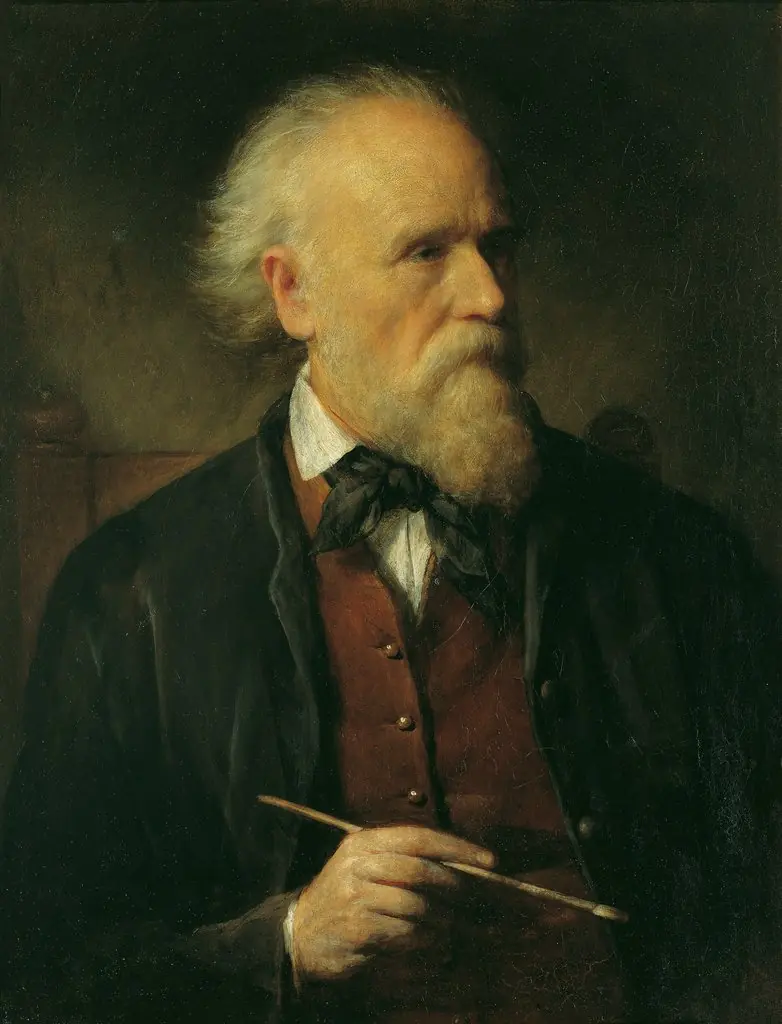
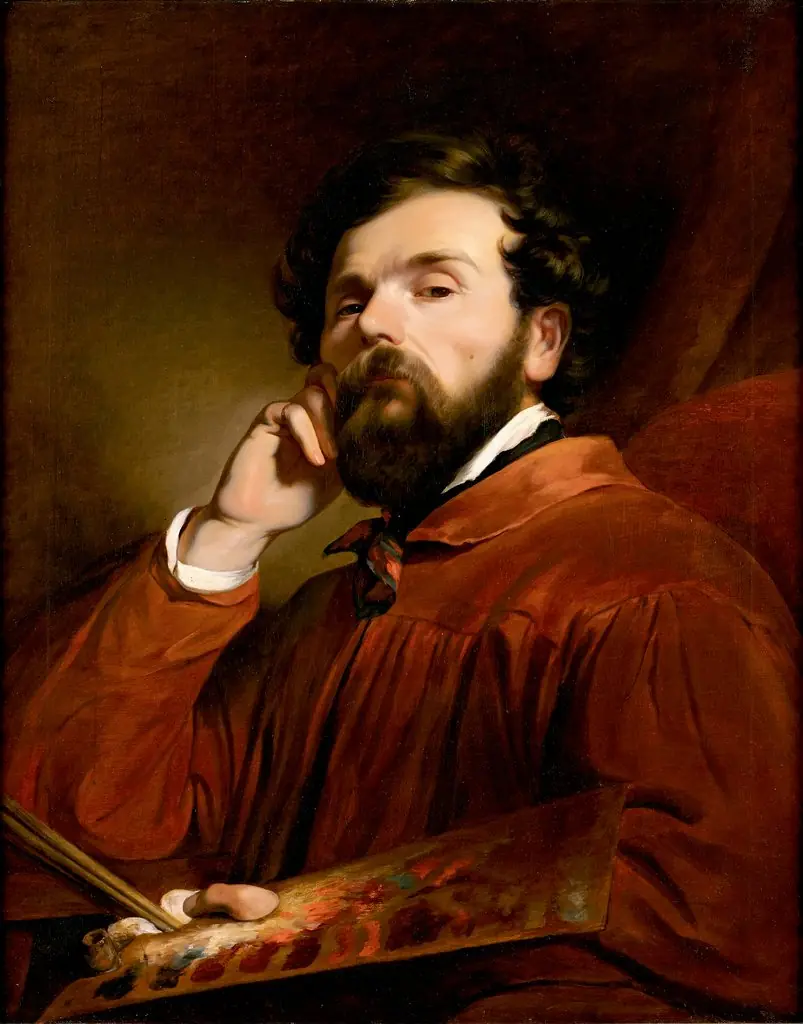
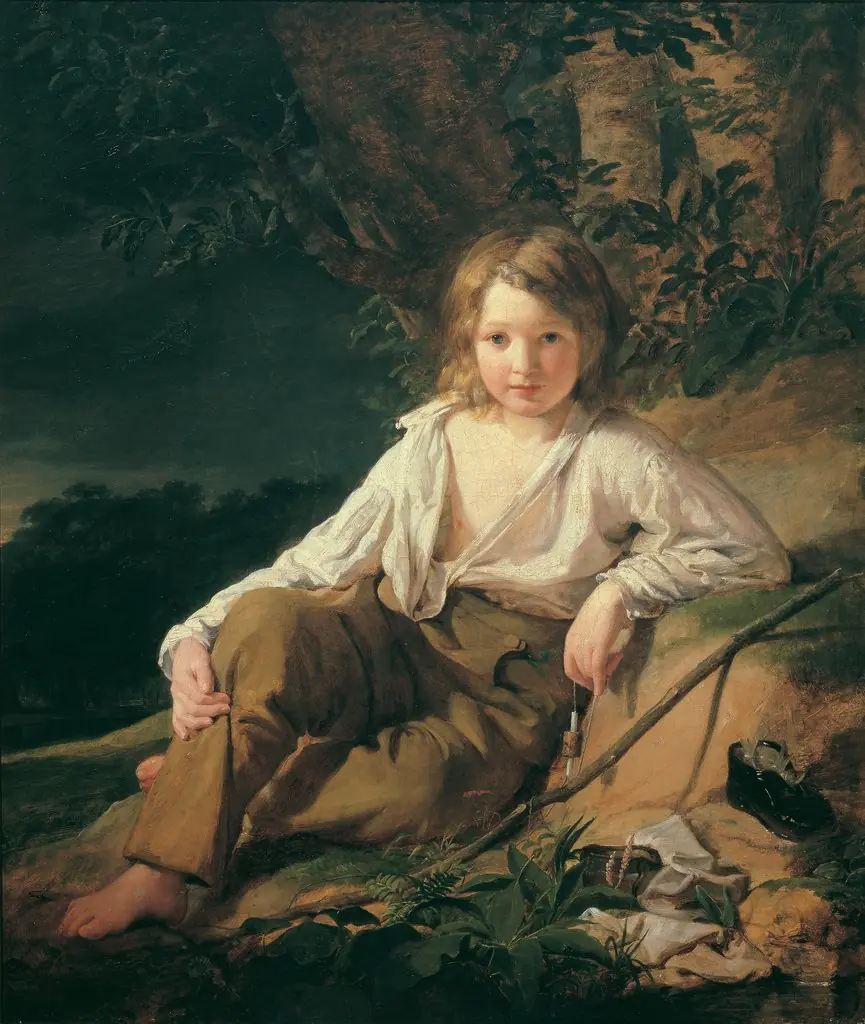
Friedrich Ritter von Amerling (14 April 1803 – 14 January 1887) was an Austrian portrait painter in the court of Franz Josef.

 Portrait of Princess Zinaida I. Yusupova
 María Dolores de Aldama, Marchioness of Montelo
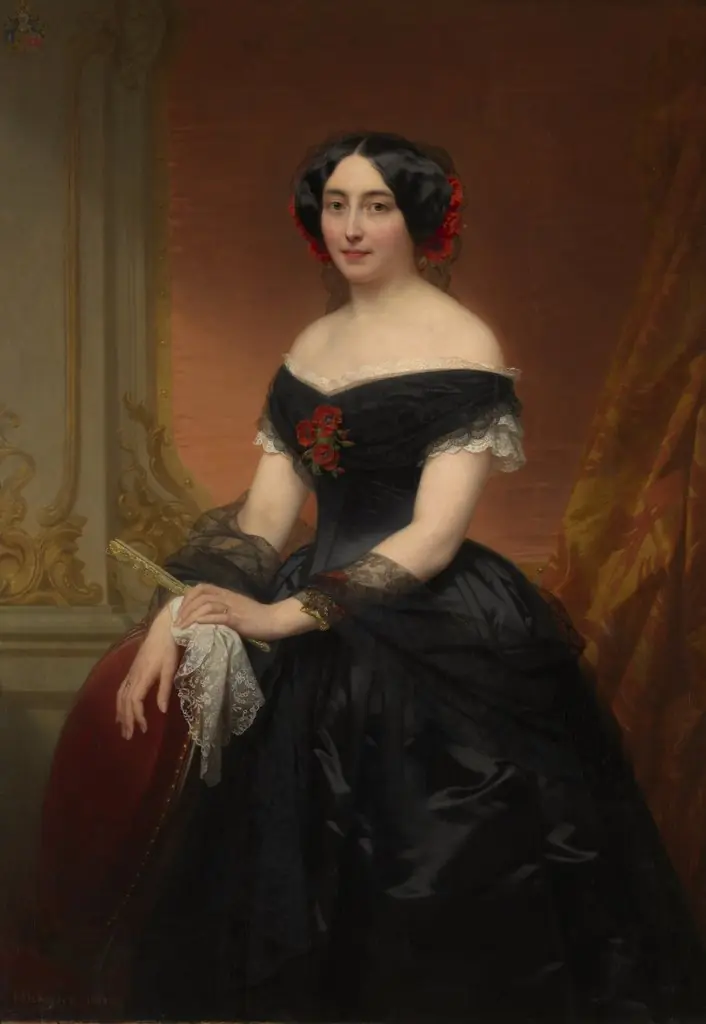 Madame Mols-de Brialmont
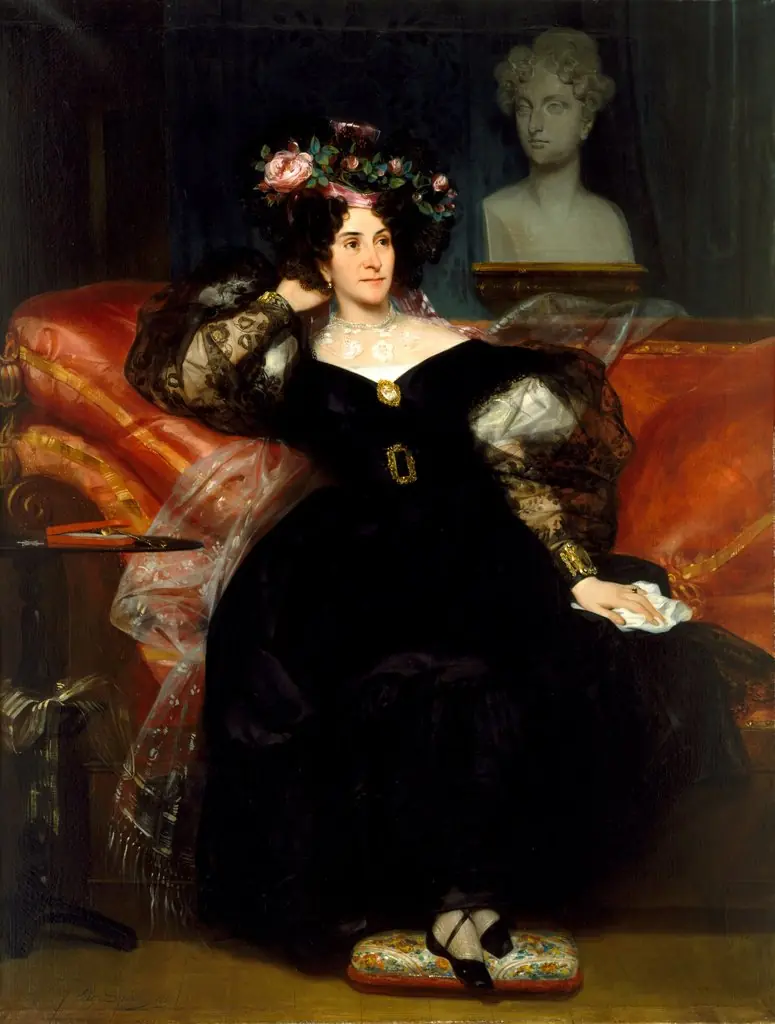 Portrait of Mme. Jule-Antoine Droz
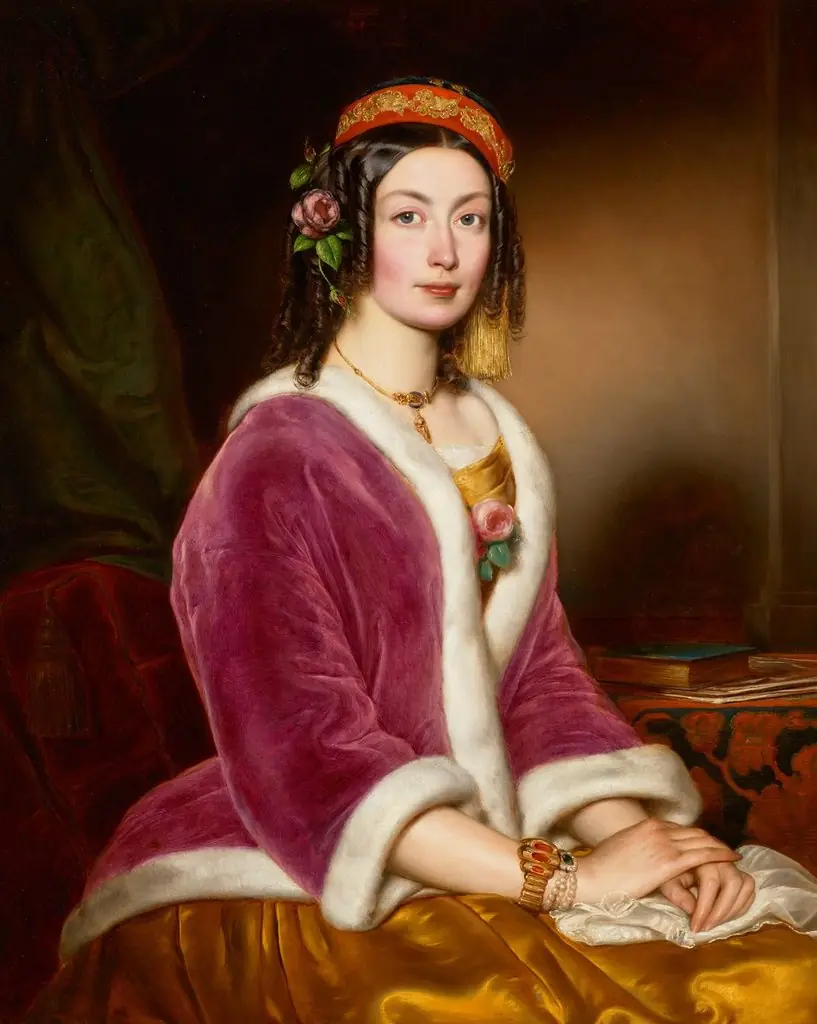 Portrait of a Woman in Velvet Pelisse
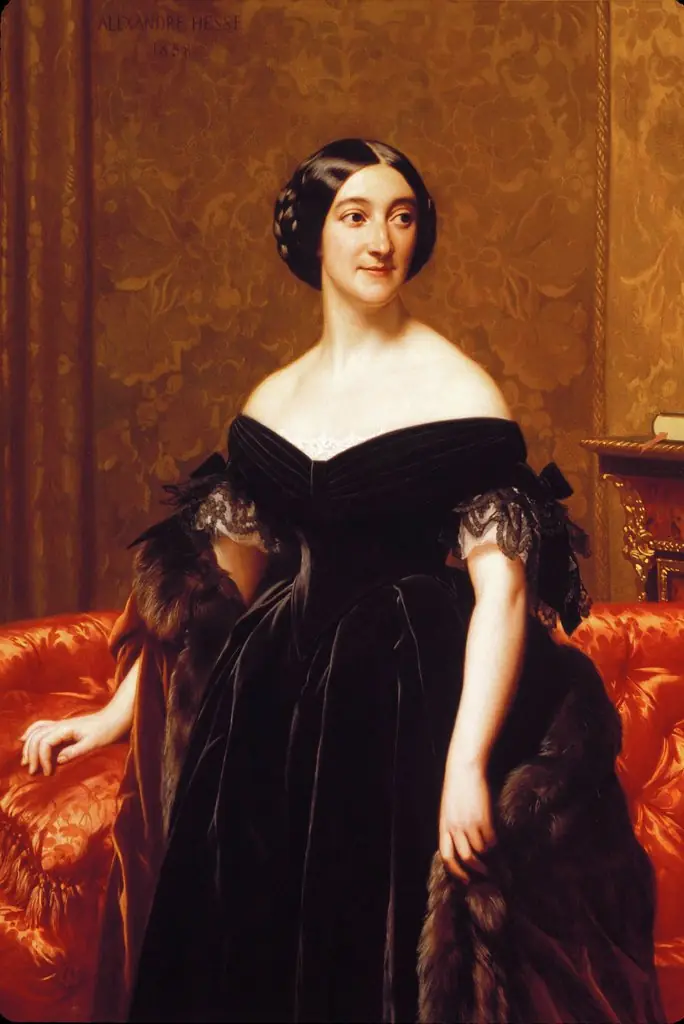 Young Woman
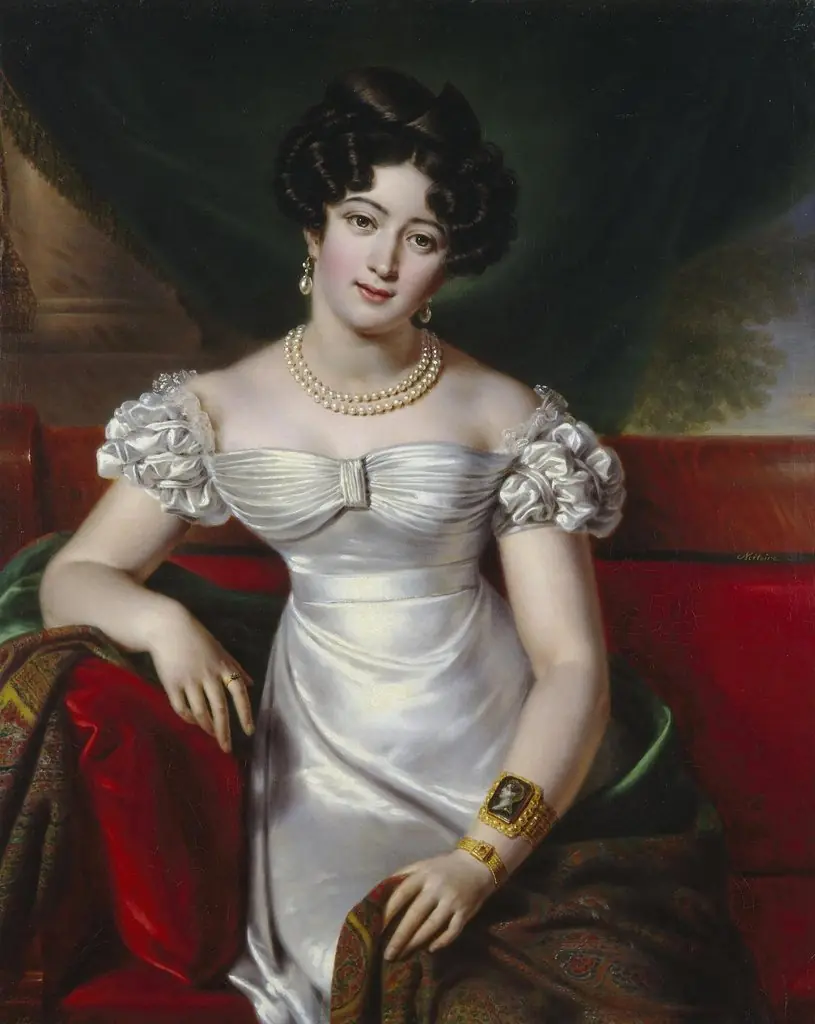 Portrait of Countess Yulia Samoilova
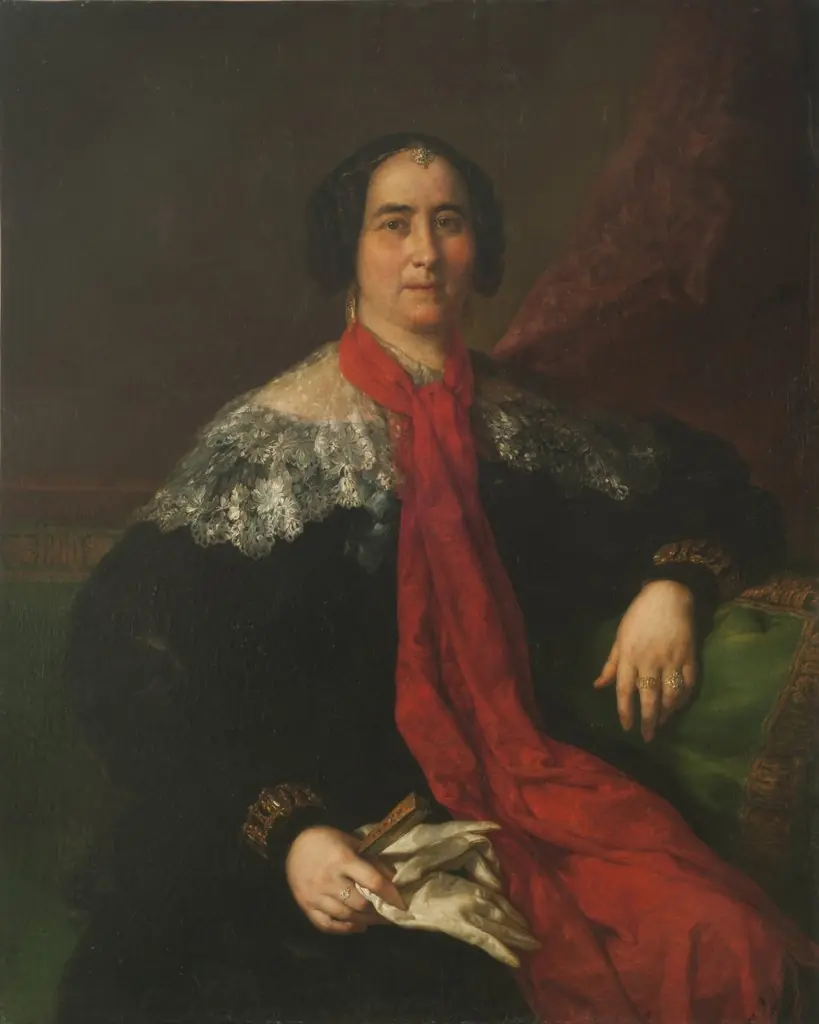 Spanish lady
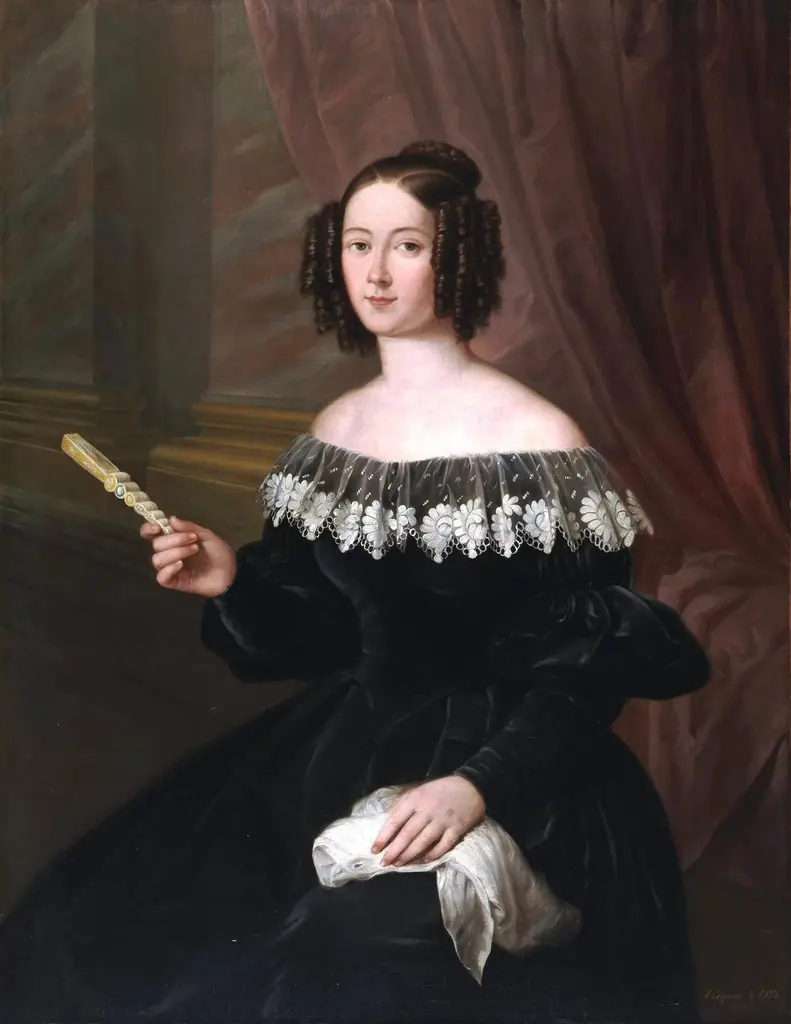 Pilar Gandiola
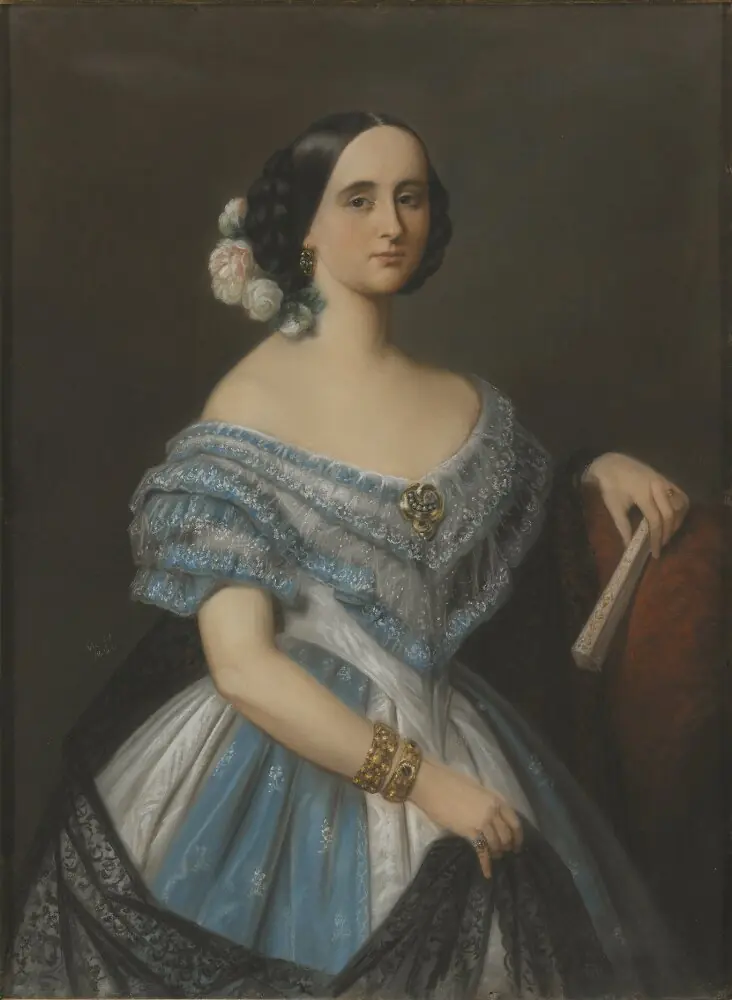 Julie (Julia Mathilda) Berwald, g. Åkerhielm af Margrethelund (1822-1877), operasångerska, gift med friherre hovmarskalk Gustaf Georg Knut Åkerhielm af Mergrethelund
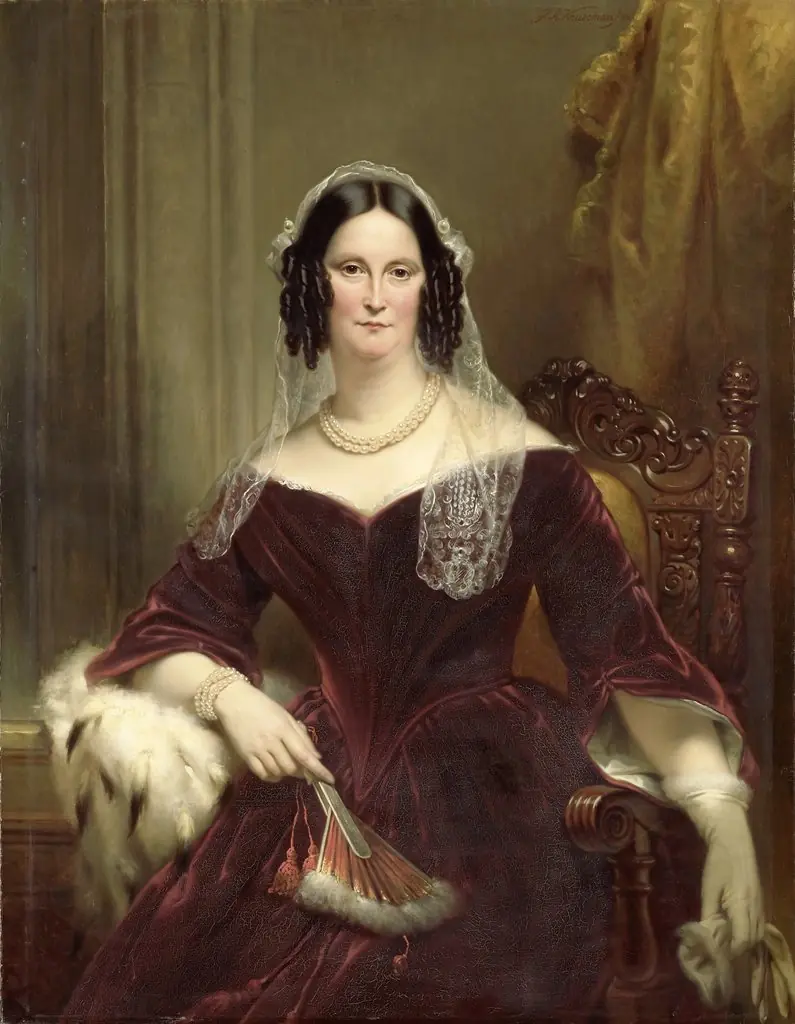 Portrait of Dieuwke Fontein, second Wife of Adriaan van der Hoop
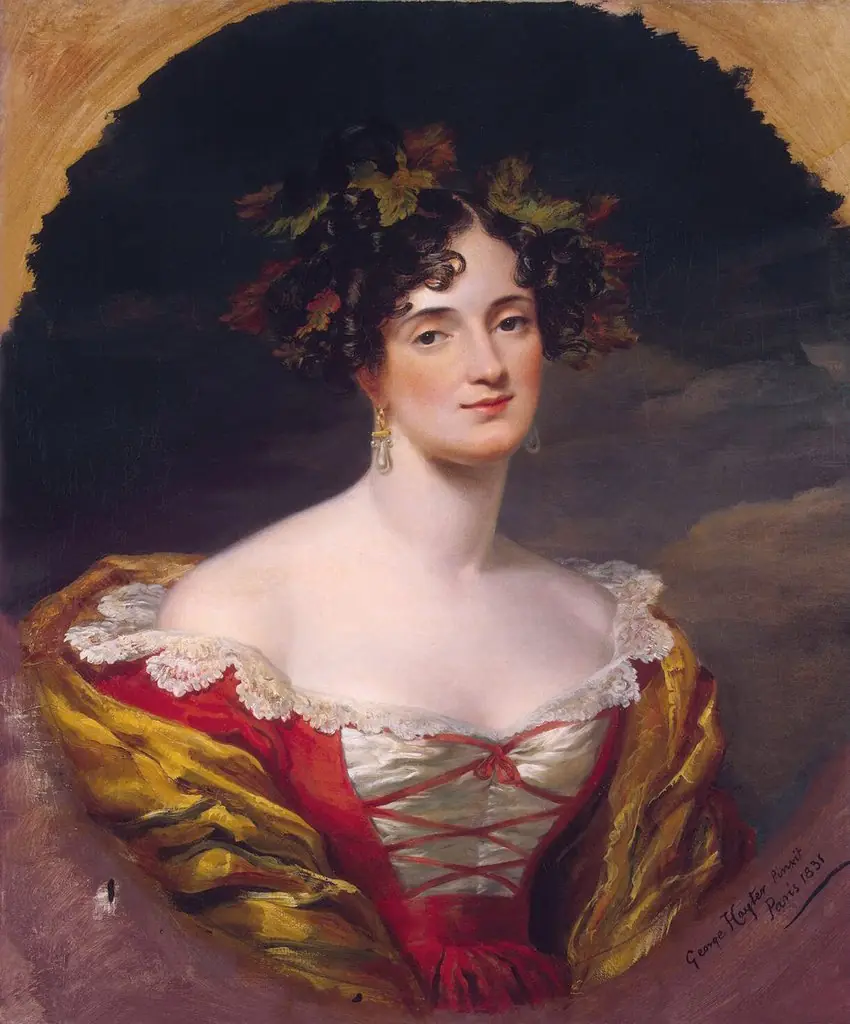 Portrait of Sophia S. Kiselyova (1801-1875)