Artwork
Portrait of Maximilien de Bethune, duc de Sully
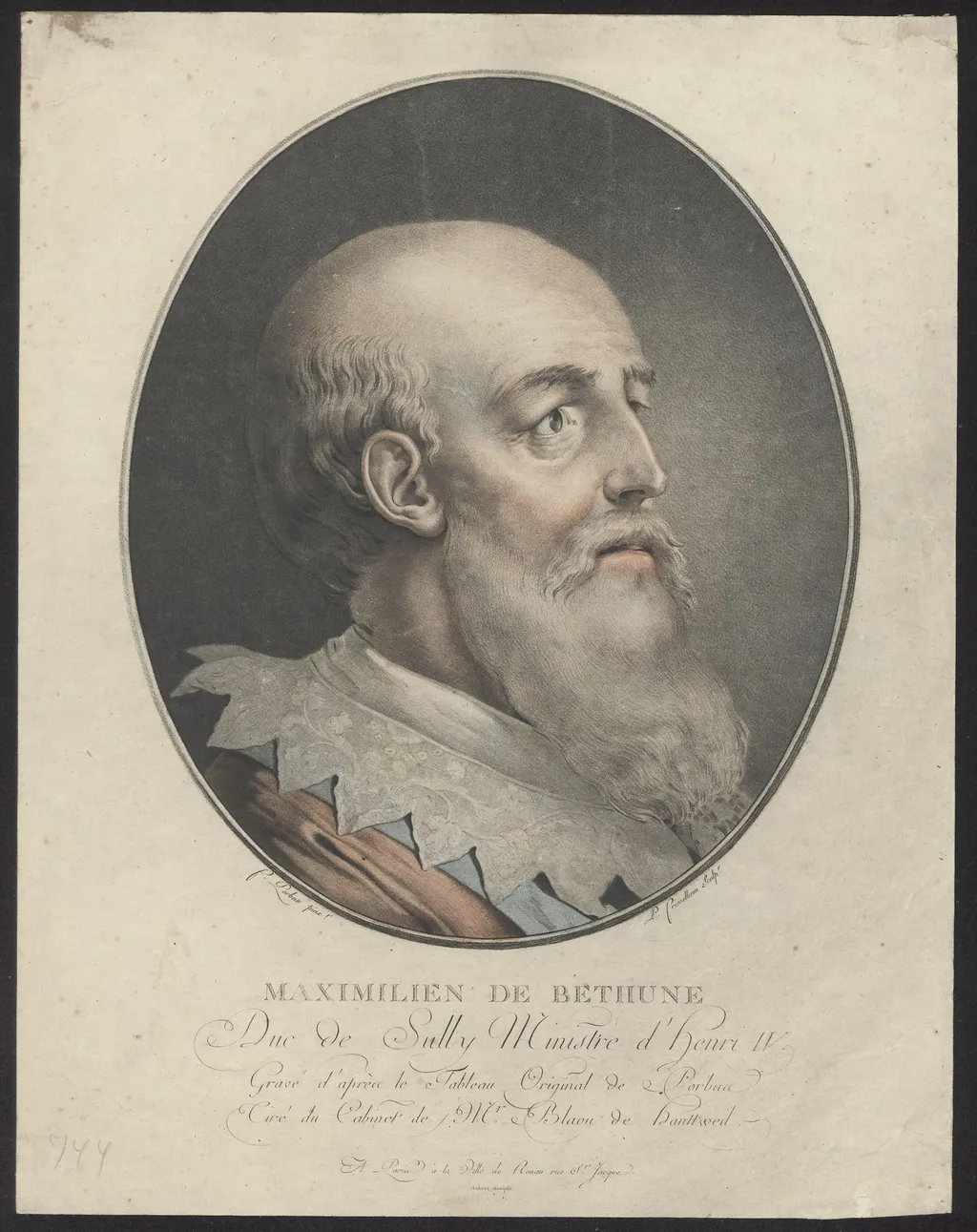
Portrait of Maximilien de Bethune, duc de Sully is an unspecified painting by P. Frieselhem. It is held in the collection of the Leiden University Libraries.
About this work
Overview
The work preserves the formal dignity of the subject while adapting its visual language to the mechanical reproduction techniques of its time.
This colored lithograph reproduces a portrait originally painted by Frans Pourbus the Younger, depicting Maximilien de Bethune, duc de Sully. Created as a printed reproduction, it translates the oil painting’s composition into a multi-color lithographic process, reflecting 19th-century efforts to disseminate portraiture beyond original canvases. The work preserves the formal dignity of the subject while adapting its visual language to the mechanical reproduction techniques of its time.
Subject & Meaning
Maximilien de Bethune, duc de Sully, was a key minister to King Henry IV of France, renowned for his administrative reforms and fiscal policies. The portrait captures him in aristocratic attire, conveying authority and status. His serious expression and composed posture reflect the gravitas expected of high-ranking officials, aligning with the conventions of early modern state portraiture that emphasized duty and leadership over personal expression.
Technique & Style
The image is a colored lithograph, a printmaking method that allowed for tonal gradations and multiple hues without hand-painting. Unlike the original oil painting, which may have employed sfumato for soft transitions, this version relies on flat planes of color and defined outlines typical of lithographic reproduction. The technique prioritizes clarity and reproducibility over the subtle blending characteristic of Renaissance and Mannerist portraiture.
History & Provenance
The original portrait by Frans Pourbus the Younger was likely painted in the early 17th century, during Sully’s tenure as a royal advisor. The lithograph dates from the 19th century, part of a broader trend in which historical figures were reimagined through new print technologies. This reproduction may have been produced for educational or archival purposes, circulating Sully’s image among a wider public unfamiliar with the original painting.
Context
In the 19th century, lithography became a dominant medium for reproducing historical portraits, especially of political figures. Sully’s image, originally a symbol of royal authority, was repurposed during a period of renewed interest in France’s early modern statecraft. The lithograph reflects both technological advancement and a cultural desire to visually anchor national identity through historical precedent.
Legacy
As a reproductive print, this lithograph preserves the visual record of Pourbus’s portrait while demonstrating the evolving relationship between original art and mass reproduction. It contributes to the historical documentation of Sully’s public image, serving as a bridge between early modern portraiture and modern visual culture. Its value lies not in originality, but in its role as a conduit of historical memory.
Artist & collection

 James, Earl of Morton
 Gellius de Bouma
 Portrait of Emperor Charles V
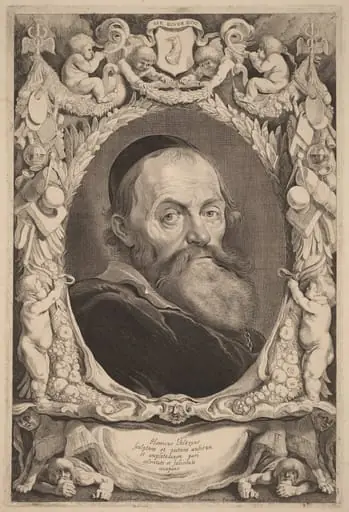 Hendrick Goltzius
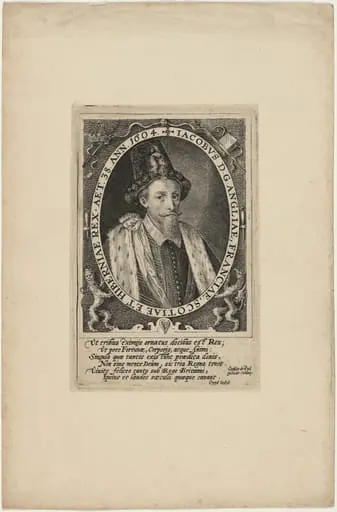 James I, King of England
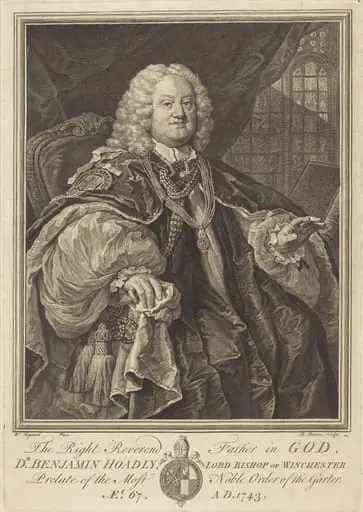 Bishop Hoadly
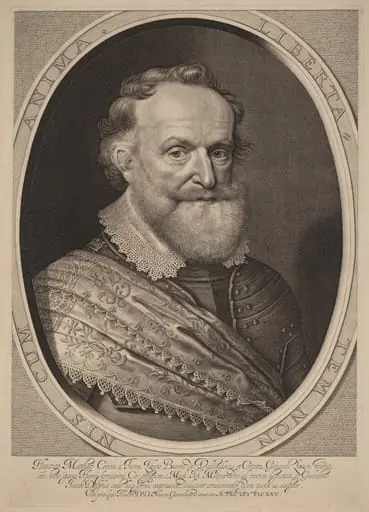 Hendrik Matthias, Count of Thurn and Taxis
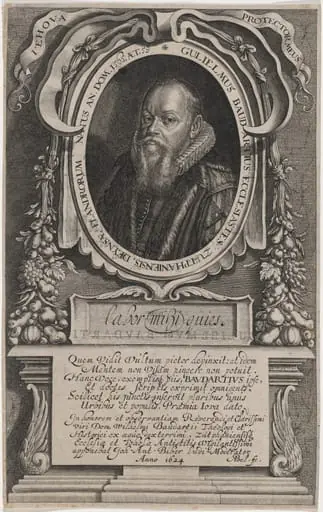 Gulielmus Baudartius, Theologian and Historian
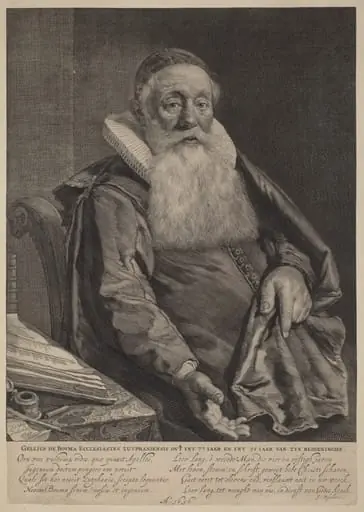 Gellius de Bouma
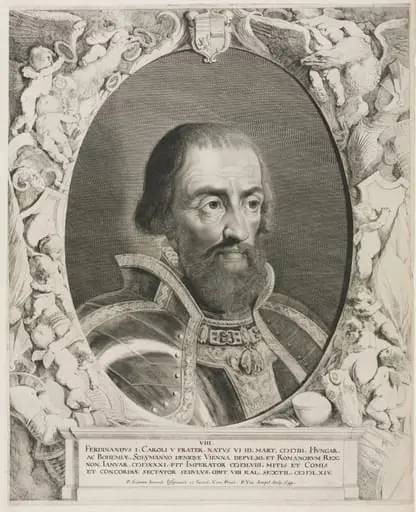 Portrait of Emperor Ferdinand I, from the series Imperatores Domus Austriacæ ...
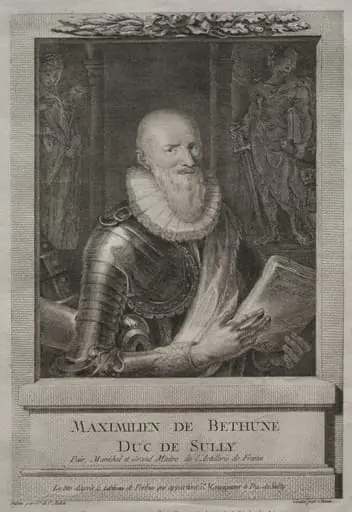 Maximilien de Bethune, Duc de Sully
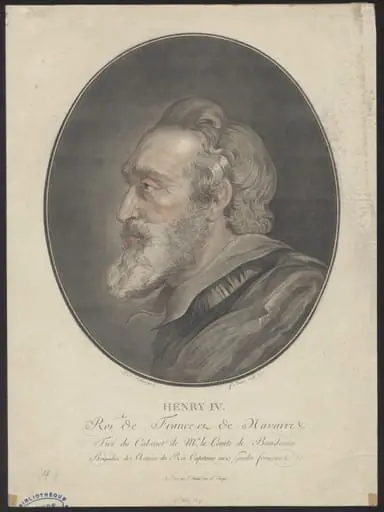 Portrait of Henry IV, king of France