Artwork
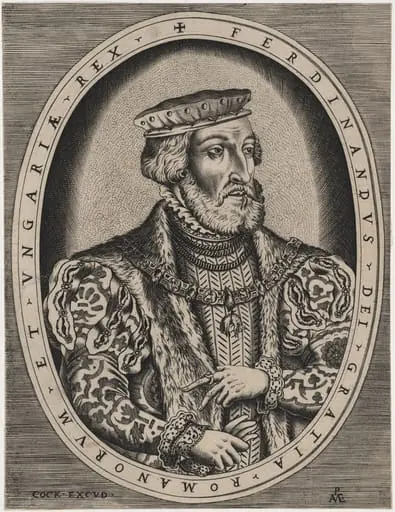
Portrait of Emperor Ferdinand I, from the series Imperatores Domus Austriacæ ...
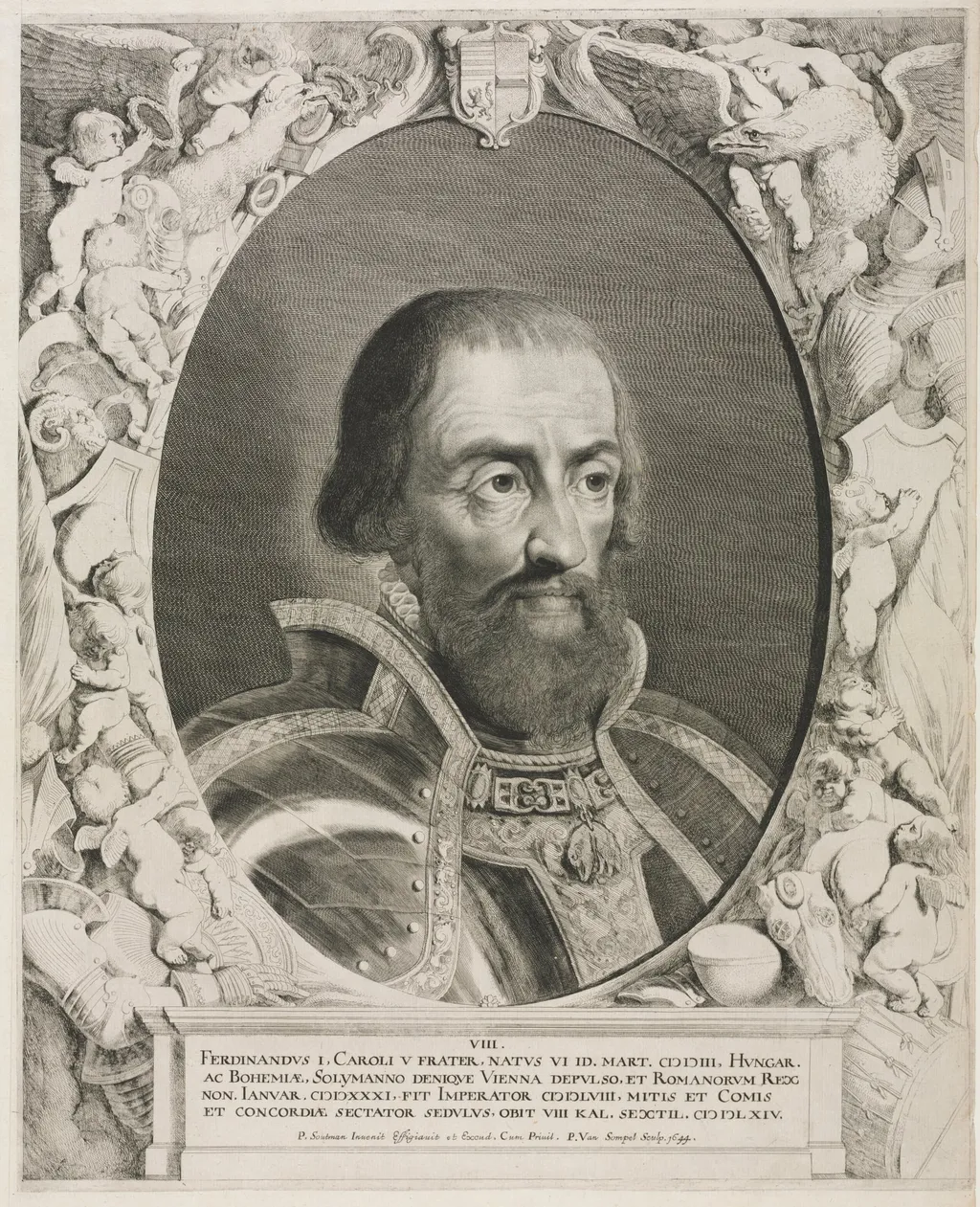
Portrait of Emperor Ferdinand I, from the series Imperatores Domus Austriacæ ... is a print by the Baroque artist Pieter van Sompel. It dates from 1644 and is held in the collection of the Cleveland Museum of Art.
About this work
Overview
This print, created in 1644 by Pieter van Sompel, is part of the series Imperatores Domus Austriacæ, which documents rulers of the Habsburg dynasty. It depicts Emperor Ferdinand I in formal attire, rendered through engraved lines and subtle tonal gradations. The work is held in the collection of The Cleveland Museum of Art and reflects the tradition of dynastic portraiture in early modern Europe.
Subject & Meaning
The image serves not as a personal likeness but as a symbol of imperial authority, reinforcing the legitimacy and continuity of Habsburg rule.
Emperor Ferdinand I, Holy Roman Emperor from 1556 to 1564, is portrayed with solemn dignity, his gaze direct and composed. The image serves not as a personal likeness but as a symbol of imperial authority, reinforcing the legitimacy and continuity of Habsburg rule. His attire and posture convey rank, not individuality, aligning with the series’ purpose of cataloging rulers as institutional figures.
Technique & Style
Van Sompel employed engraving to achieve fine detail and controlled contrast, emphasizing texture in fabric and the crispness of the hat’s brim. The face is rendered with restrained modeling, avoiding dramatic chiaroscuro. The composition is frontal and static, prioritizing clarity and formal presence over psychological depth, typical of official portraiture of the period.
History & Provenance
The print was produced in the mid-17th century as part of a broader project to visually chronicle Habsburg emperors. Van Sompel, a Flemish engraver, worked from earlier models or existing portraits. The Cleveland Museum of Art acquired the print as part of its collection of European graphic arts, preserving it as a historical record of imperial imagery.
Context
The series Imperatores Domus Austriacæ emerged during a time when printed portraiture was used to consolidate political identity across the Habsburg territories. These images circulated among nobility and institutions, functioning as both historical documents and tools of dynastic propaganda, reinforcing loyalty through visual continuity of rule.
Legacy
Van Sompel’s portrait contributes to a broader tradition of engraved imperial imagery that influenced later historical documentation. While not widely known today, such prints remain valuable for understanding how authority was visually constructed in early modern Europe, offering insight into the intersection of art, power, and print culture.
Artist & collection

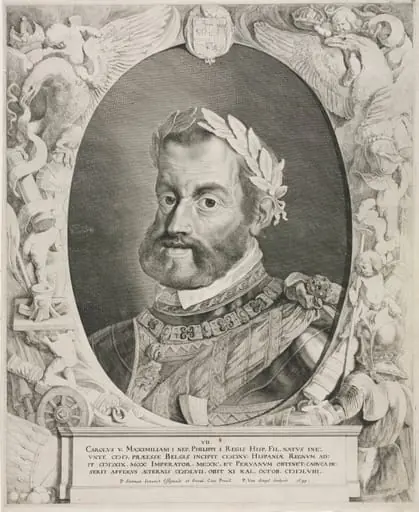 Portrait of Emperor Charles V
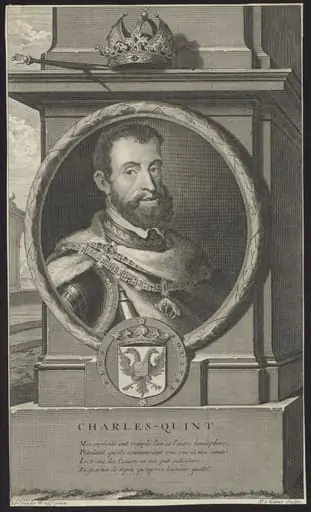 Portrait of the emperor Charles V
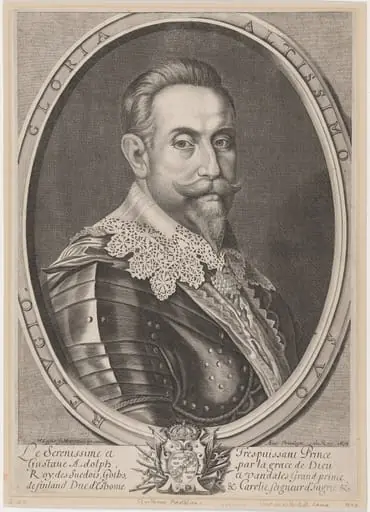 Gustavus Adolphus
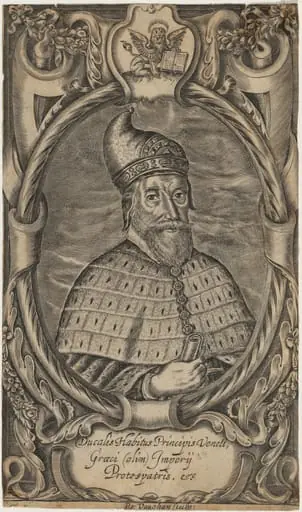 A Venetian Doge
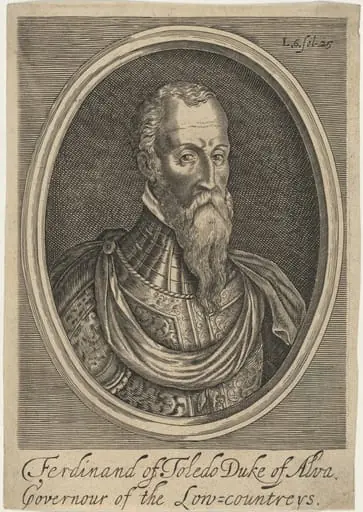 Fernando Alvarez de Toledo, Duke of Alva
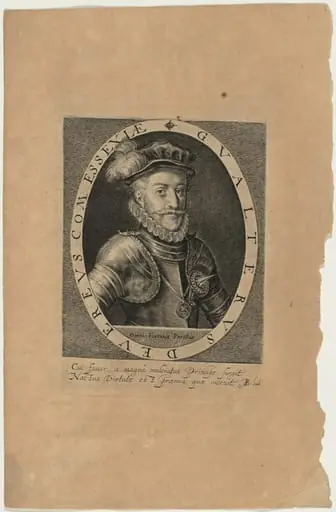 Walter Devereux, First Earl of Essex
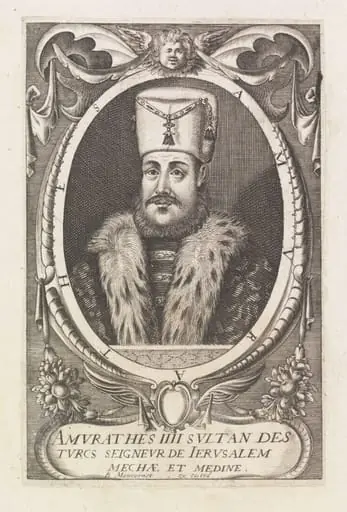 Turkish sultans, sultanas and other historical figures
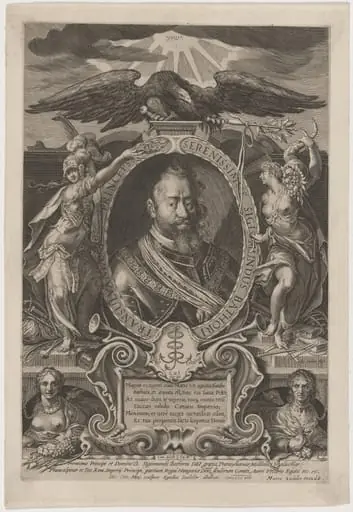 Sigismund Bathori, Prince of Transylvania
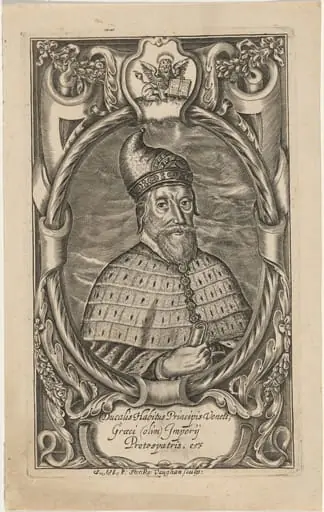 A Doge of Venice
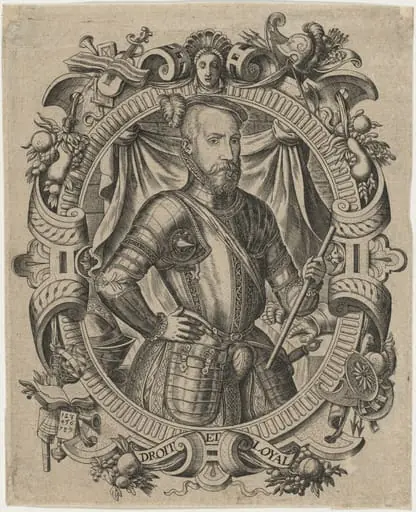 Robert Dudley, Earl of Leicester
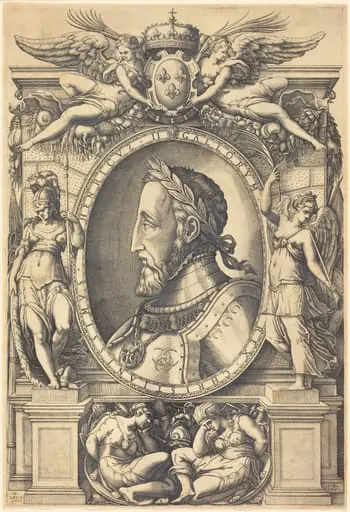 Henri II, King of France
 Ferdinand I, Roman Emperor