Artwork
Ezechial
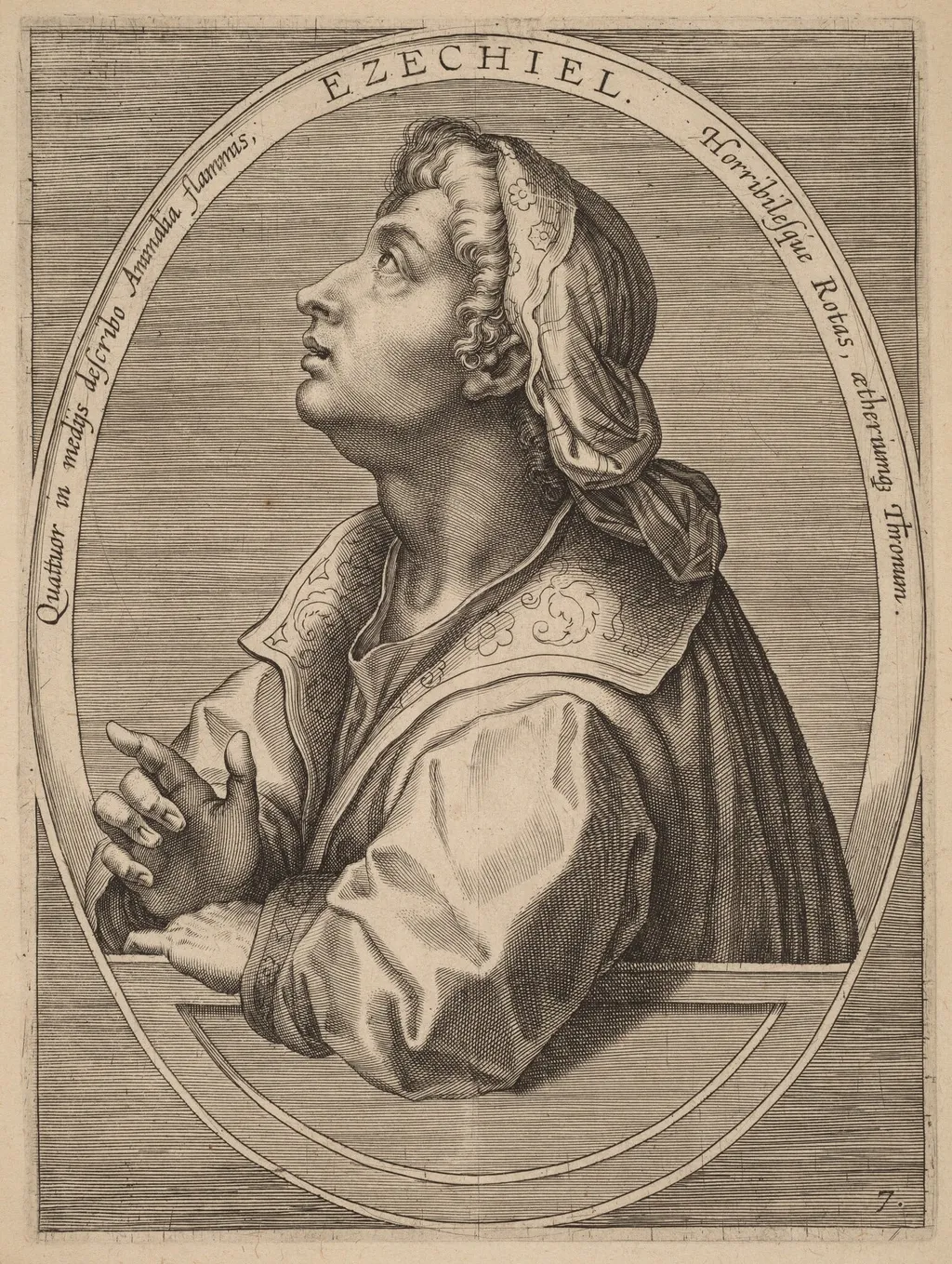
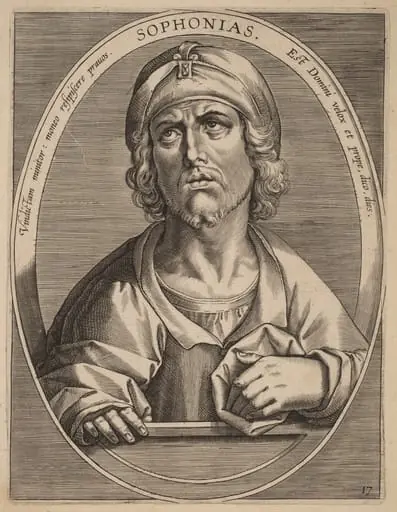
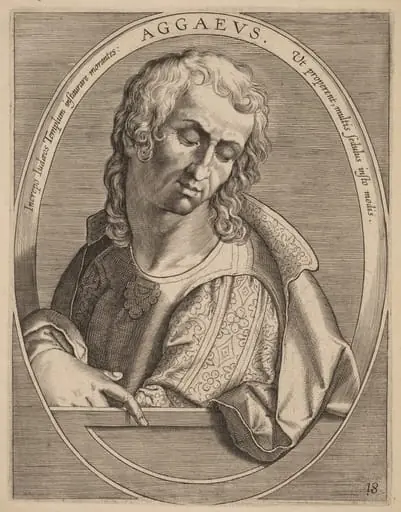
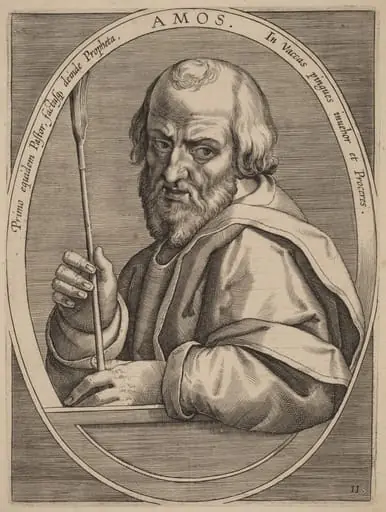
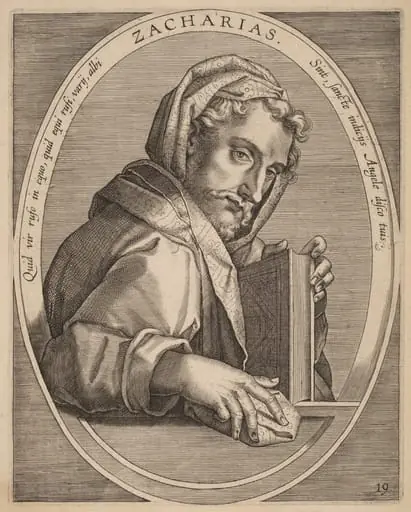
Ezechial is an ink print by the Baroque artist Theodor Galle. It dates from 1613 and is held in the collection of the National Gallery of Art.
About this work
Overview
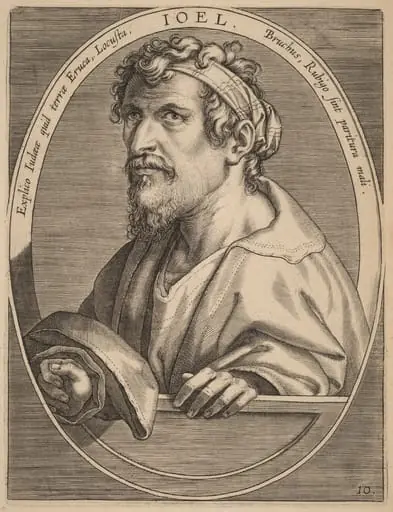
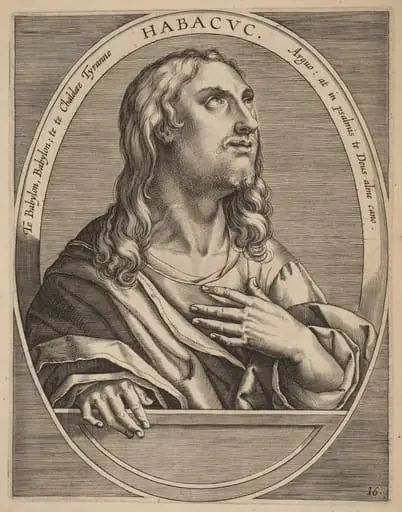
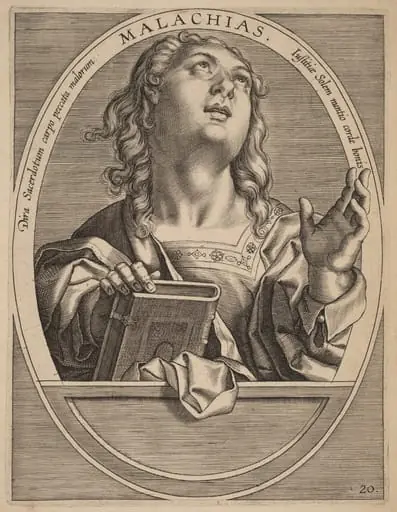
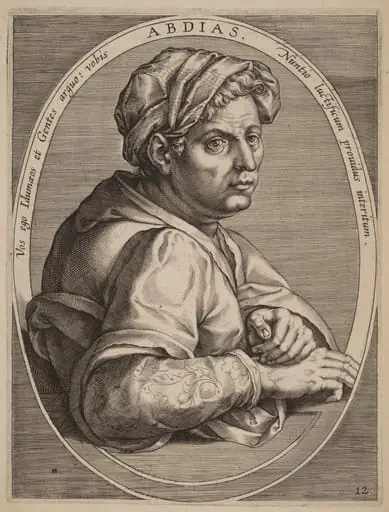
The work is a black‑and‑white print executed as an engraving on laid paper by the Flemish artist Theodor Galle in 1613. It presents a single figure rendered in fine lines that produce a nuanced play of light and shadow, characteristic of early 17th‑century printmaking.
Subject & Meaning
The image depicts a bearded man with curly hair, dressed in a loose, high‑collared robe and a visible chain around his neck. His hands are joined in front of him and his head is turned slightly, suggesting a contemplative or formal pose. The inscription "Ezechiel" at the top identifies the sitter, though no further narrative is supplied.
Technique & Style
Galle employed traditional engraving methods, incising lines into a metal plate before transferring the design onto laid paper. The fine, closely spaced strokes create a dense, shadowy effect that models the figure’s features and clothing. A surrounding border contains Latin text, integrating decorative script with the portrait.
History & Provenance
Created in 1613, the print belongs to the early period of Theodor Galle’s career, when he was active in the Southern Netherlands. It reflects the era’s demand for portrait prints that could be reproduced and circulated among collectors and scholars.
Context
Engravings of this type served both as personal likenesses and as illustrative material for books or devotional objects. The inclusion of a Latin border aligns the work with contemporary humanist practices, where classical language framed visual content for educated audiences.
Artist & collection