Artwork
Aggaeus
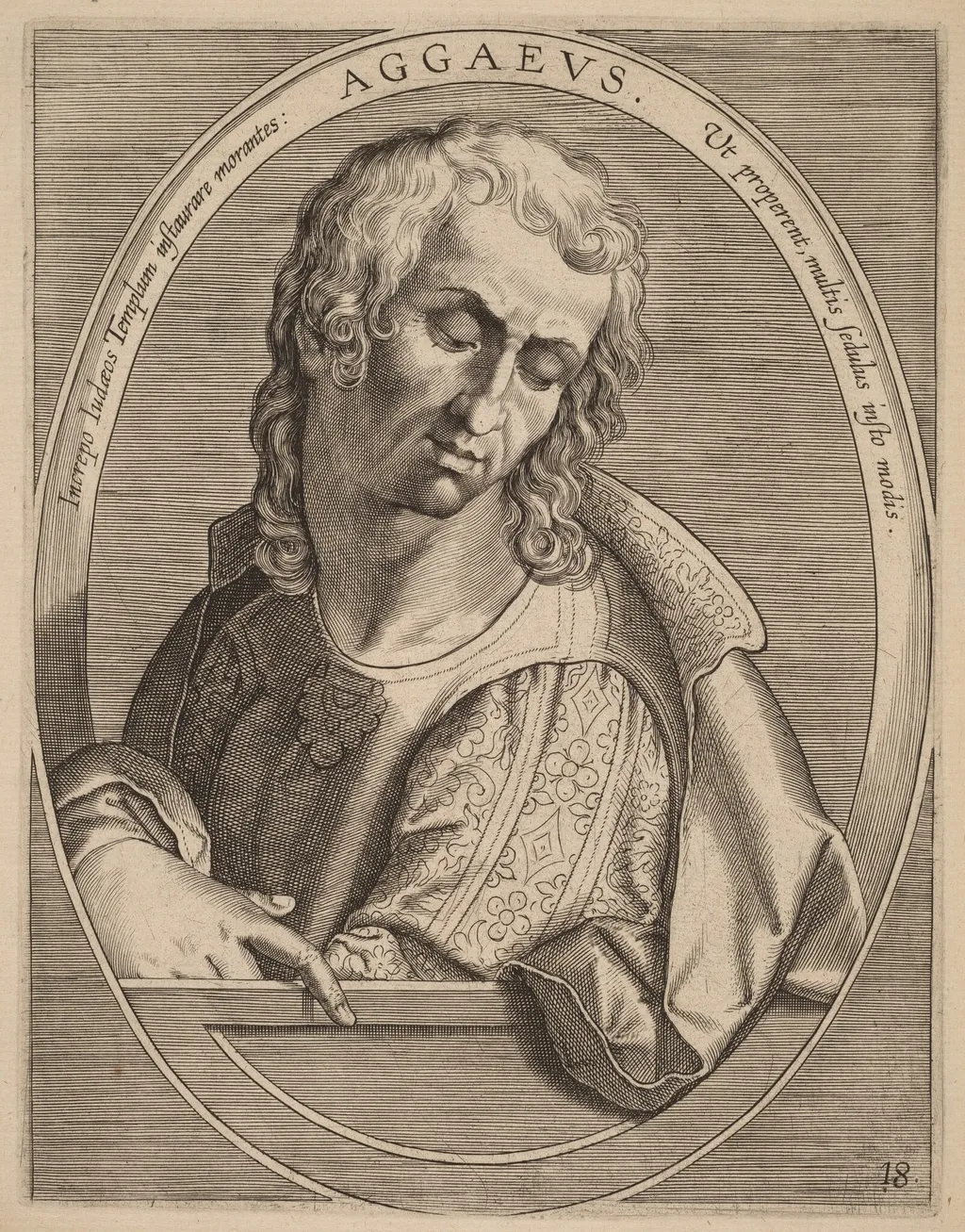
Aggaeus is an ink print by the Baroque artist Theodor Galle. It dates from 1613 and is held in the collection of the National Gallery of Art.
About this work
Overview
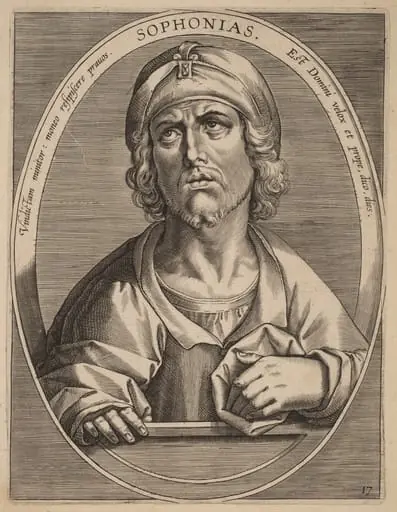
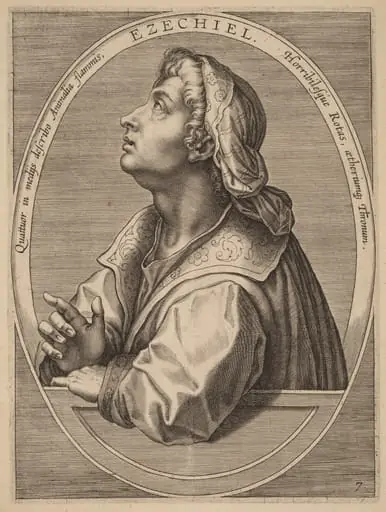
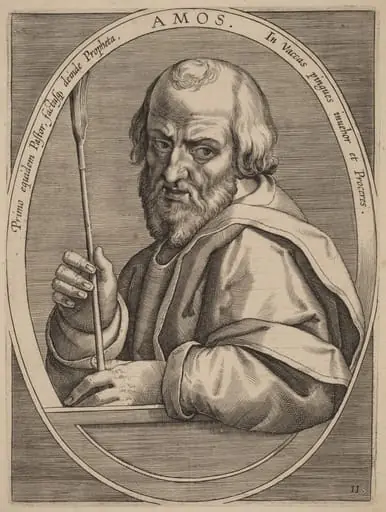
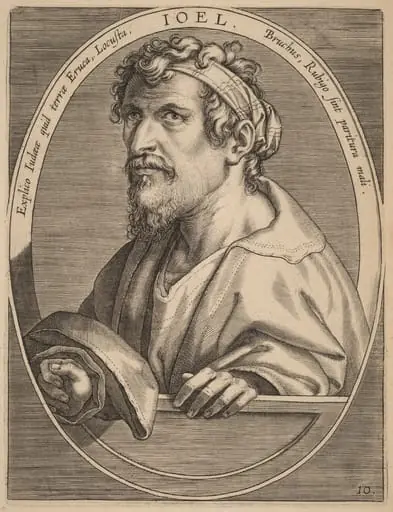
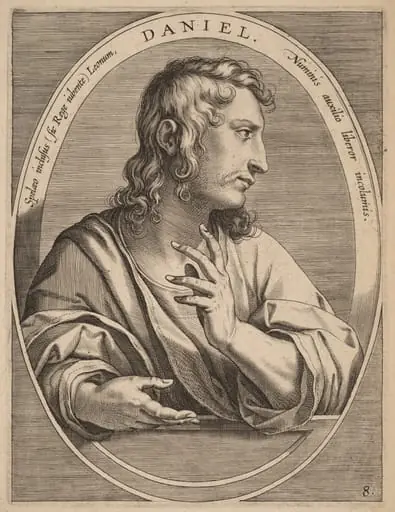
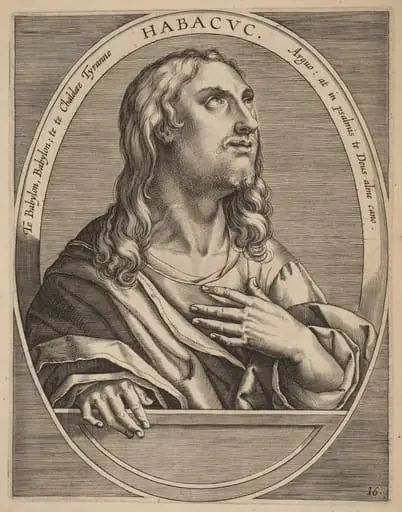
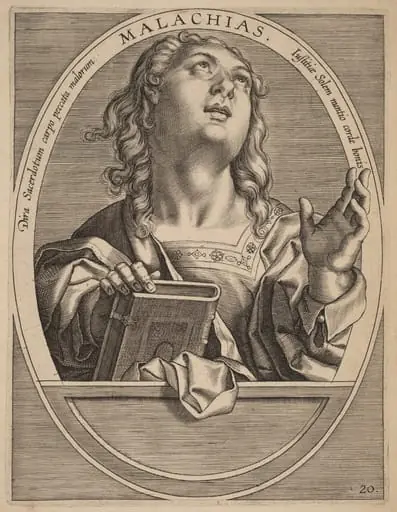
Aggaeus is a 1613 engraving by Theodor Galle, executed in ink on laid paper. It presents a half-length portrait of a bearded male figure, rendered with fine linear detail characteristic of early 17th-century printmaking. The composition focuses tightly on the head and upper torso, set against a flat, dark ground that enhances the figure’s presence without distraction.
Subject & Meaning
The figure is identified as Aggaeus, likely a biblical or historical personage, though no definitive source confirms his identity. His downward gaze and serene expression suggest introspection or solemnity, common in devotional portraiture of the period. The absence of hands and contextual elements directs attention solely to the face, emphasizing inner contemplation over narrative action.
Technique & Style
Galle employed fine, controlled engraving lines to model the contours of the face and the textured folds of the robe. The dark background contrasts with the softly modeled skin and hair, creating subtle tonal depth. The style reflects Northern Mannerist influences, prioritizing precision and quiet intensity over the theatricality often associated with later Baroque works.
History & Provenance
The engraving was produced during Galle’s active years in Antwerp, a center for print distribution in the Low Countries. It was likely part of a series of portraits or religious figures intended for scholarly or devotional audiences. No early ownership records are widely documented, but the print survives in several institutional collections, indicating modest circulation in its time.
Context
Created during the early Baroque era, Aggaeus aligns with a broader trend of engraved portraiture used to disseminate religious and intellectual ideals. While not overtly dramatic, its restrained emotion reflects the quiet piety favored in certain Protestant and humanist circles. Printmakers like Galle played a key role in shaping visual culture beyond painting and sculpture.
Legacy
Aggaeus remains a representative example of skilled engraving from the early 1600s, valued for its technical refinement and psychological nuance. Though not widely reproduced in modern scholarship, it contributes to understanding how portraiture functioned in print form—bridging the sacred and the personal in an age before mass media.
Artist & collection