Artwork
Kevätpäivä Helsingissä, Esplanadi
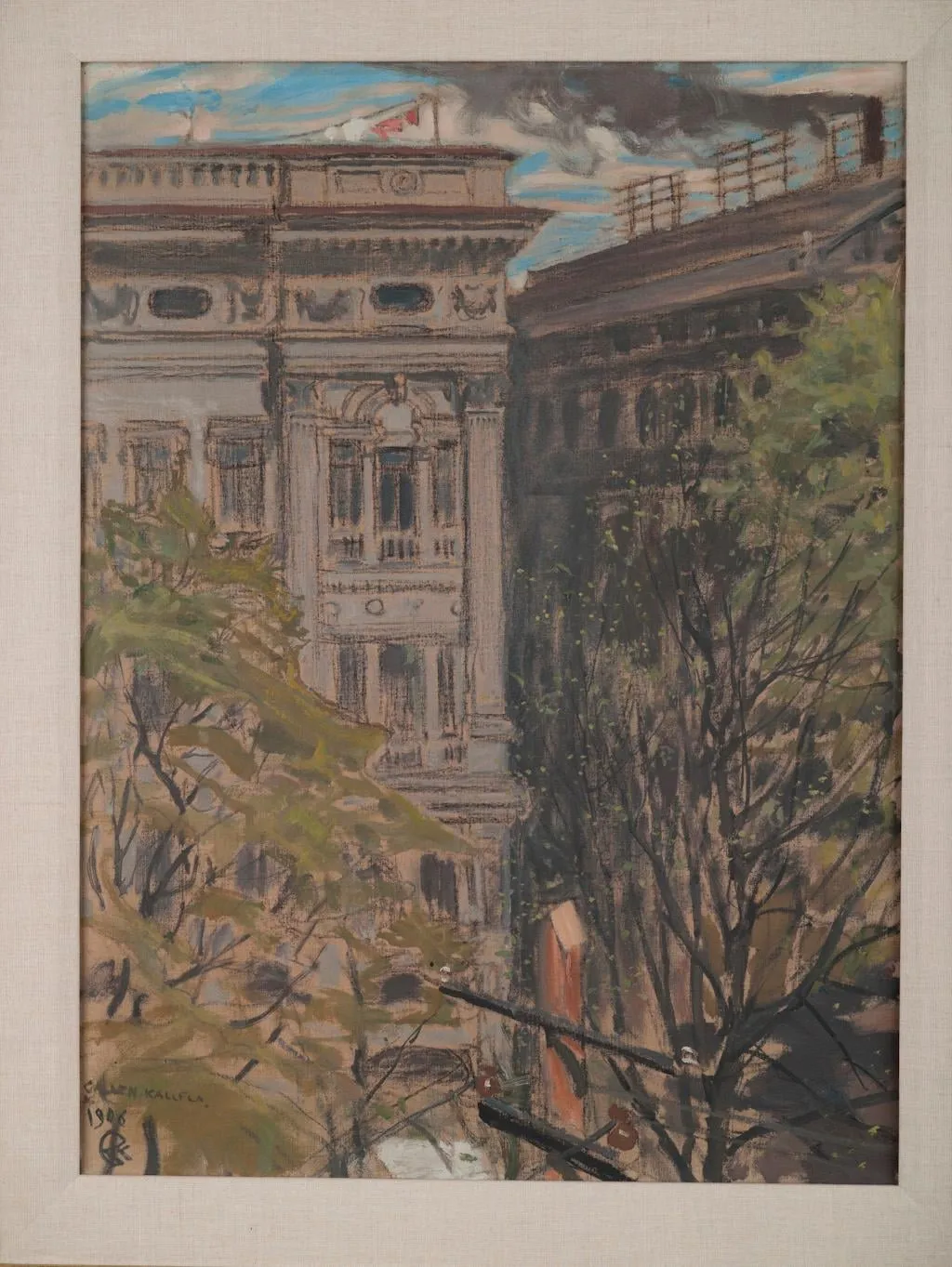
Kevätpäivä Helsingissä, Esplanadi is an unspecified painting by Akseli Gallen-Kallela. It is held in the collection of the Gallen-Kallela Museum.
About this work
Overview
Kevätpäivä Helsingissä, Esplanadi depicts a spring day in Helsinki’s Esplanadi Park, capturing the urban landscape with a quiet vitality.
Kevätpäivä Helsingissä, Esplanadi depicts a spring day in Helsinki’s Esplanadi Park, capturing the urban landscape with a quiet vitality. The composition centers on a tall, windowed building to the left, flanked by leafy trees and framed by a distant bridge on the right. The sky, lightly clouded and pale blue, lends a soft luminosity to the scene, while the palette favors subdued browns and greens, reinforcing a restrained, contemplative tone.
Subject & Meaning
The painting presents an ordinary urban moment—springtime in a public space—without narrative drama. The absence of figures shifts focus to architecture and nature in quiet coexistence. The building, likely a civic or residential structure, anchors the scene as a symbol of urban stability, while the trees and open sky suggest seasonal renewal. The mood is reflective, evoking the calm rhythm of city life in transition.
Technique & Style
Loose, expressive brushwork conveys movement through foliage and shifting light, avoiding rigid detail in favor of atmospheric suggestion. Chiaroscuro is employed subtly to model forms, enhancing volume in the building’s facade and the depth of the trees. The muted color scheme, dominated by earth tones and soft greens, unifies the composition and reinforces the painting’s subdued, introspective character.
History & Provenance
The work originates from early 20th-century Finland, likely painted during a period of growing national identity and urban development in Helsinki. It reflects the artist’s engagement with everyday environments rather than grand historical themes. While specific ownership history is not documented, its preservation suggests recognition within Finnish artistic circles of the time.
Context
Created amid Finland’s cultural awakening before independence, the painting aligns with a broader trend of Nordic artists turning to local landscapes and urban scenes. Unlike romanticized rural imagery, this work embraces the modest beauty of the city’s public spaces, mirroring a shift toward realism and personal observation in Finnish art of the era.
Legacy
The painting contributes to a quiet but significant body of Finnish urban realism, influencing later artists who sought to capture the emotional texture of everyday environments. Its restrained palette and emphasis on atmosphere helped define a distinctly Nordic approach to landscape painting, one that valued subtlety over spectacle.
Artist & collection
Artist
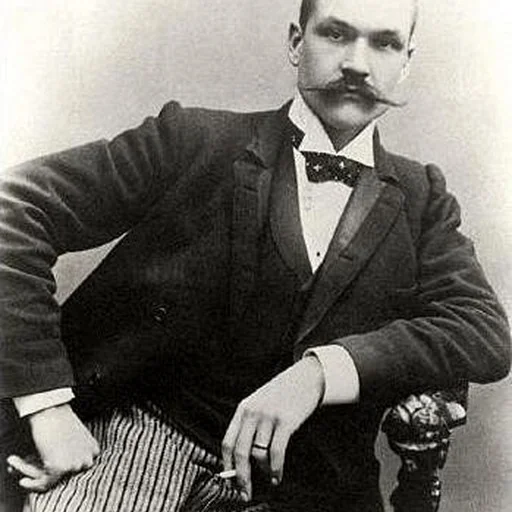
Akseli Gallen-Kallela (born Axel Waldemar Gallén; 26 April 1865 – 7 March 1931) was a Finnish painter and a leading figure of Finnish romantic nationalism around the turn of the 20th century.

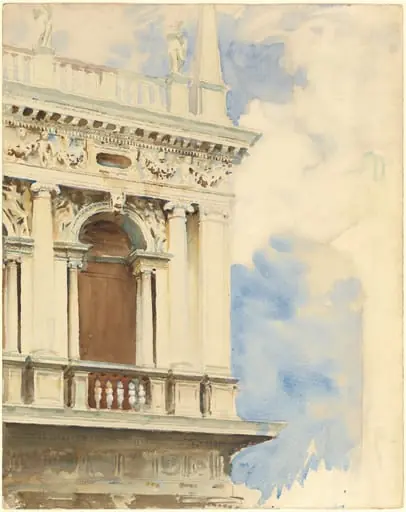 A Corner of the Library in Venice
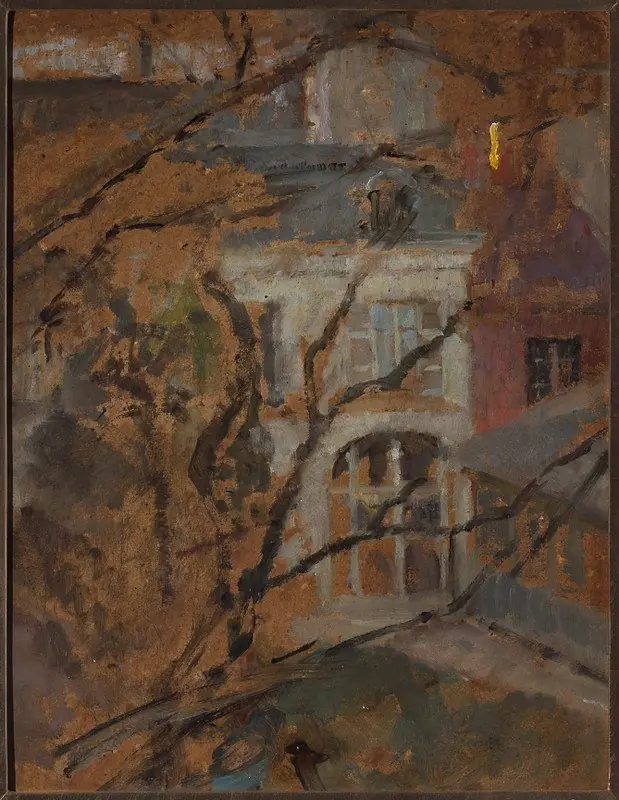 View from the window of the studio in Kraków
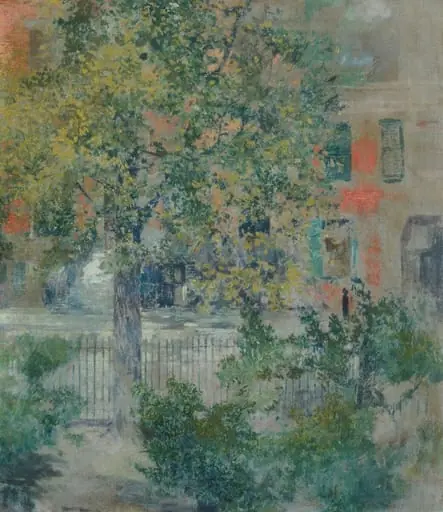 View from the Artist's Window, Grove Street
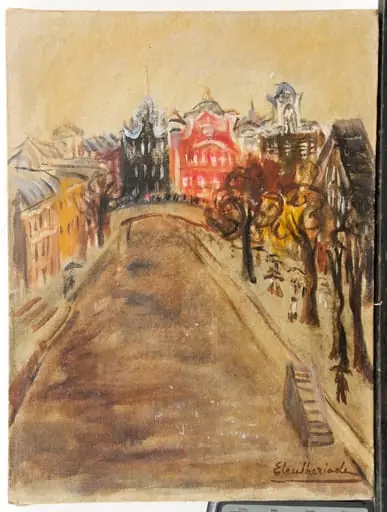 Canal la Amsterdam
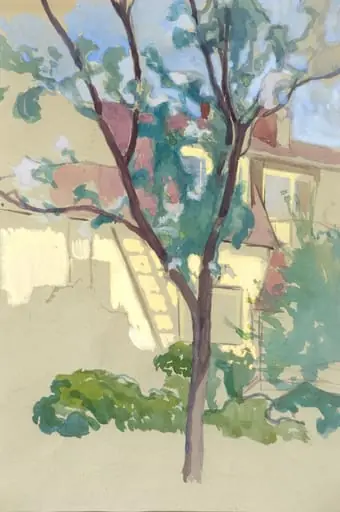 Suviranta
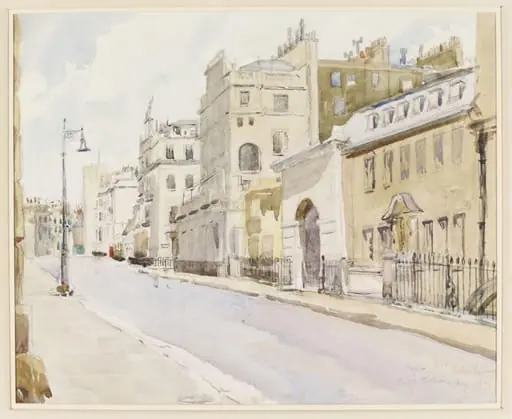 Lyall Street, Eaton Square
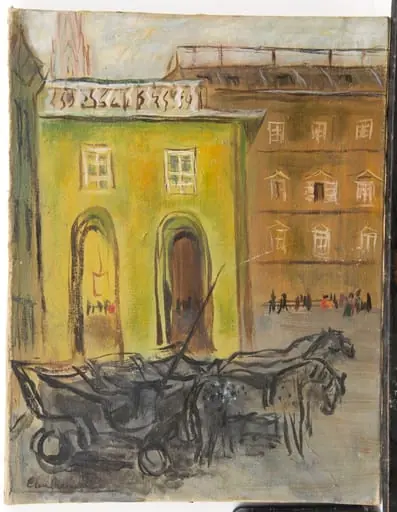 Rezidenz Platz (Salzburg)
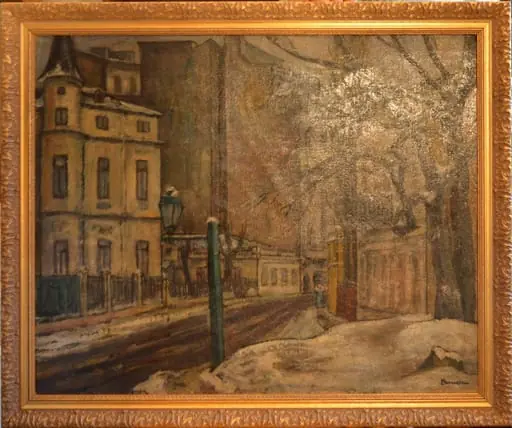 Stradă din București (Str. Lahovary)
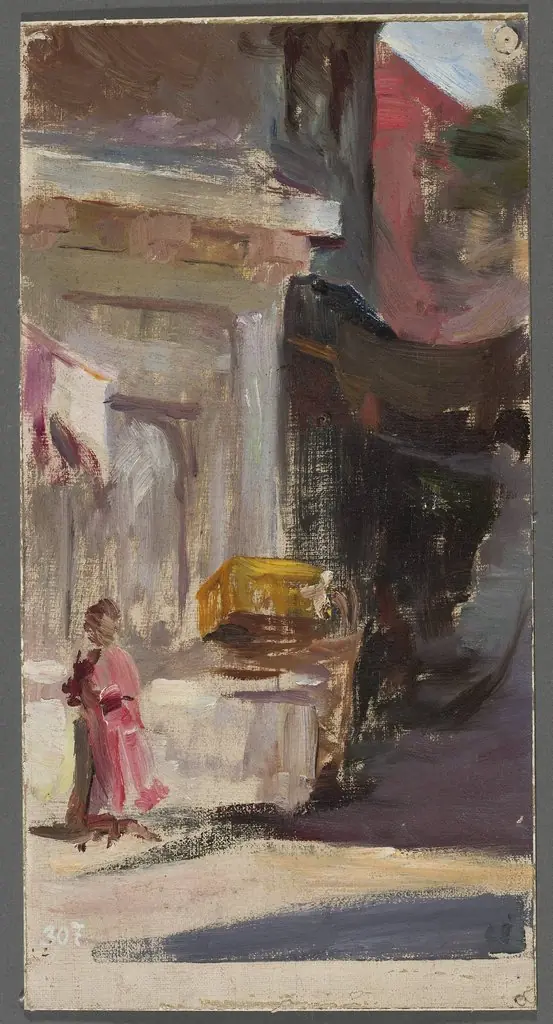 Street fragment. From the journey to Constantinople
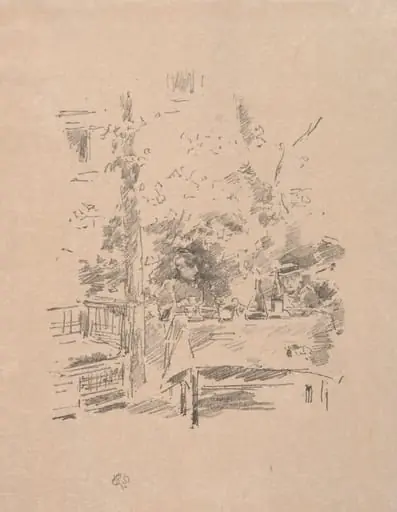 Tête-à-tête in the Garden
 New York City: 42nd Street
 Belvedere Palace, Vienna