Artwork
Descent from the Cross
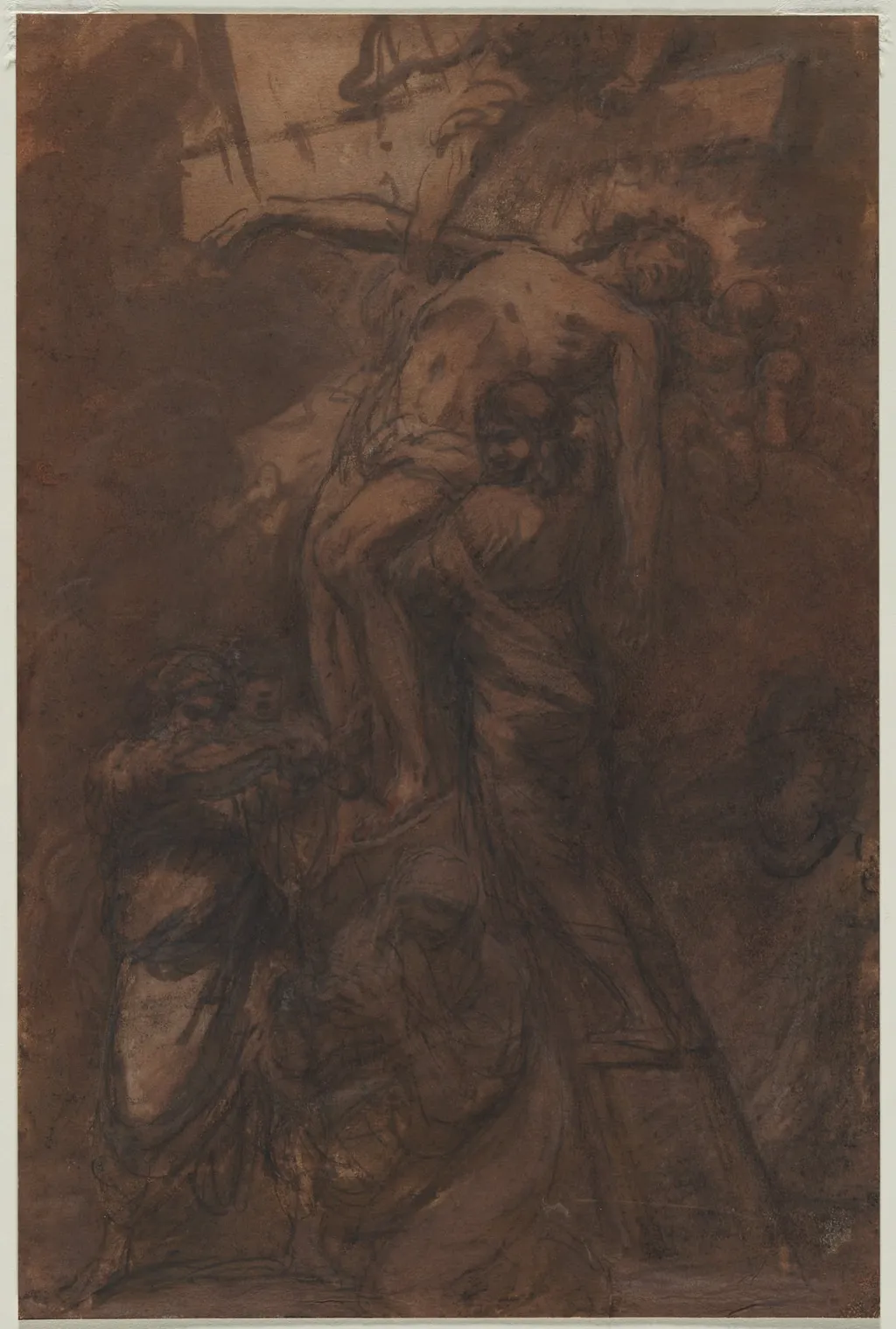
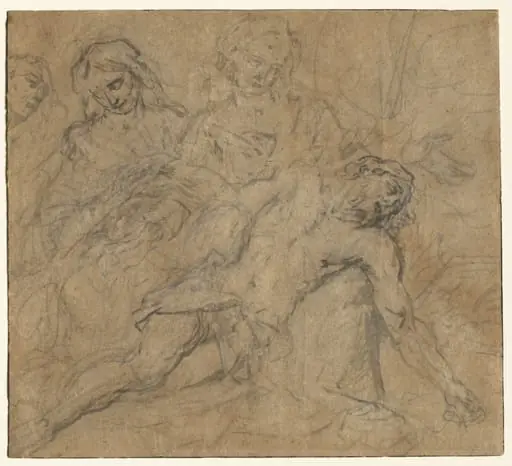
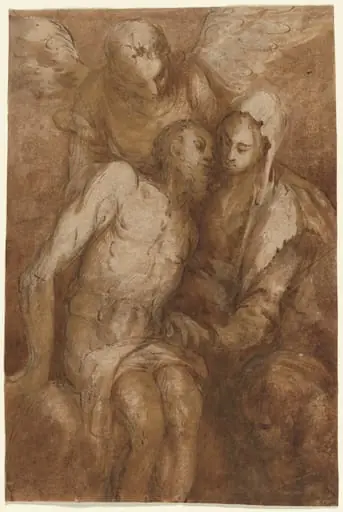
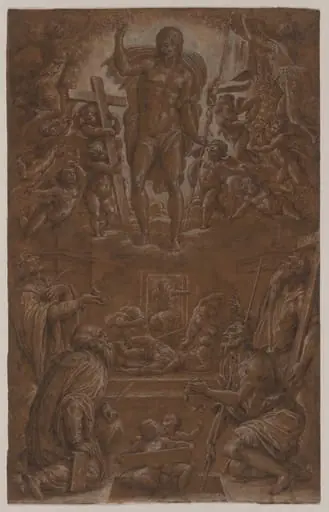
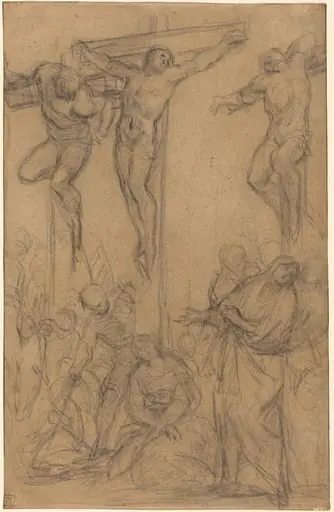
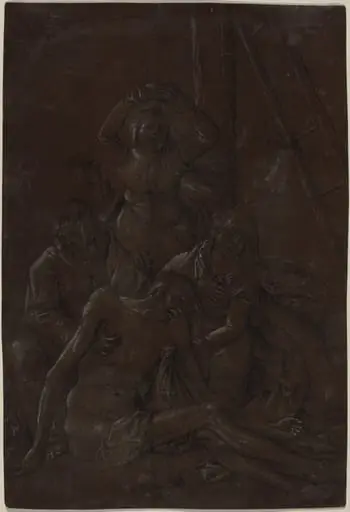
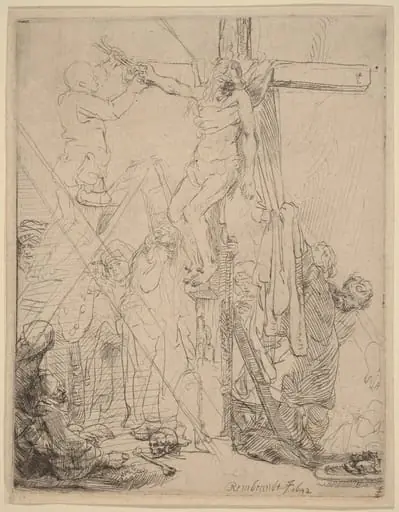
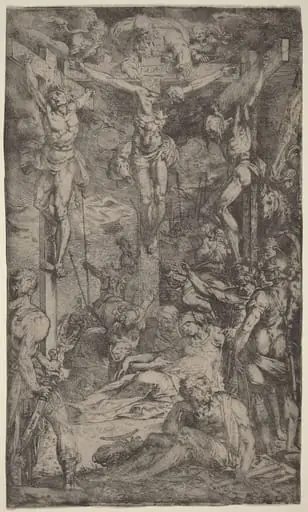
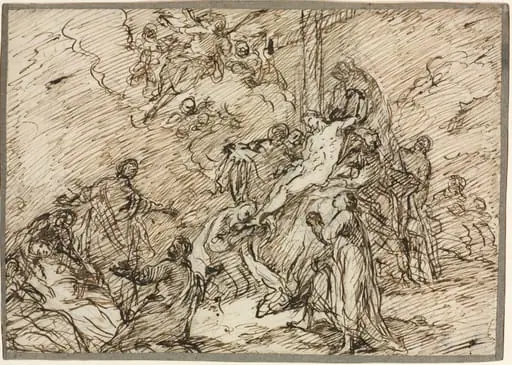
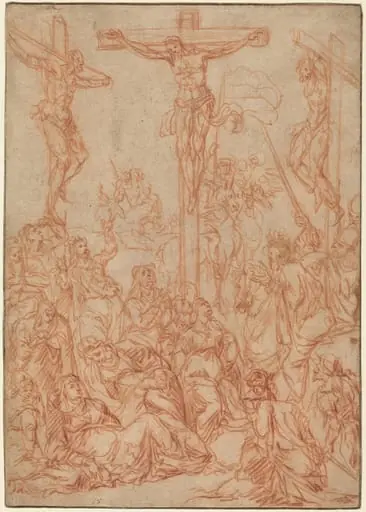
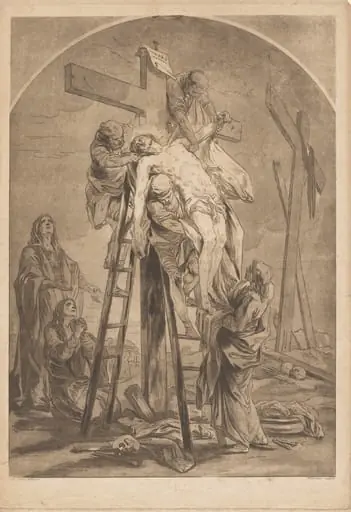
Descent from the Cross is a drawing by the Baroque artist Unknown. It dates from 1604 and is held in the collection of the Cleveland Museum of Art. This drawing depicts the moment Christ’s body is lowered from the cross, a scene drawn from the Gospel accounts of his crucifixion.
About this work
Overview
The absence of overt emotion and the plain attire of the participants emphasize solemnity over theatricality, inviting contemplation rather than awe.
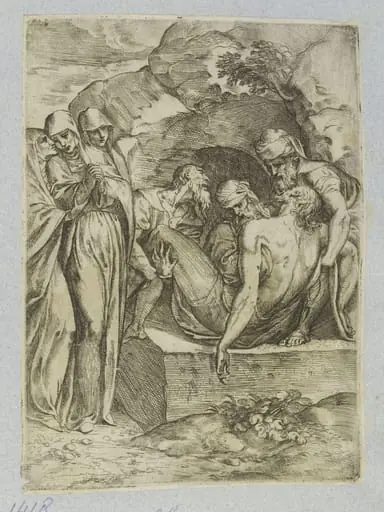
This drawing depicts the moment Christ’s body is lowered from the cross, a scene drawn from the Gospel accounts of his crucifixion. The composition centers on a quiet, reverent group of figures engaged in the physical act of removal, avoiding dramatic spectacle. The absence of overt emotion and the plain attire of the participants emphasize solemnity over theatricality, inviting contemplation rather than awe.
Subject & Meaning
The subject reflects a moment of human tenderness following divine sacrifice. By focusing on the physical labor of removing the body—rather than the moment of death—the drawing underscores themes of care, grief, and ritual. The quietude of the scene suggests a pause in sacred narrative, where human action bears witness to spiritual loss.
Technique & Style
The artist employs chiaroscuro to model forms with subtle contrasts of light and shadow, giving volume to draped cloth and anatomical contours without overt modeling. Lines are restrained, avoiding flourish, and the tonal gradations create depth through atmospheric suggestion rather than sharp definition. This restrained approach aligns with devotional clarity over visual spectacle.
History & Provenance
The drawing likely originated in a devotional context, possibly as a preparatory study for a larger altarpiece or as an independent object for private meditation. Its survival suggests it was valued within a religious community, though its exact origin and early ownership remain undocumented. No known signatures or inscriptions accompany the work.
Context
Created during a period when religious imagery emphasized personal piety, the drawing reflects broader trends in late medieval and early Renaissance devotional art. Artists increasingly focused on intimate, human moments from sacred narratives to foster emotional engagement among viewers, moving away from hierarchical, symbolic representations toward empathetic realism.
Legacy
The drawing contributes to a tradition of quiet, emotionally restrained depictions of Christ’s Passion, influencing later artists who favored understated solemnity over grandeur. Its emphasis on tactile detail and subdued lighting became a model for contemplative religious art, particularly in regions where austerity in worship was valued.
Artist & collection

 Domestic Scene
 Giacomo and Cardinal Marco, investing Andrea, Abbot of San Zeno, with his Benefice
 The Nymph of Fontainebleau
 Portrait of a Woman
 Madonna and Child with Saints in the Enclosed Garden
 Venus and Minerva
 Family Group of Four on Sofa
 Wall painting from Room H of the Villa of P. Fannius Synistor at Boscoreale