Artwork
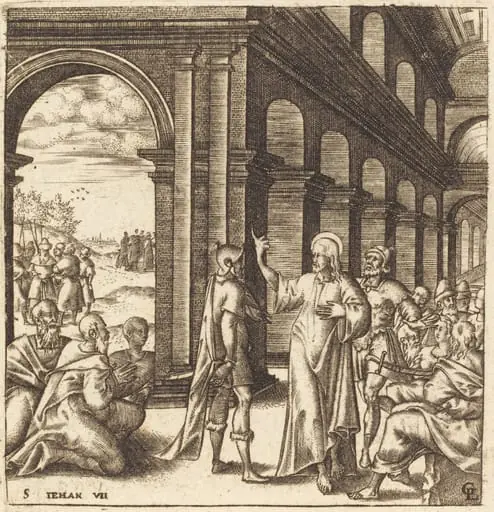
Christ Heals the Sick
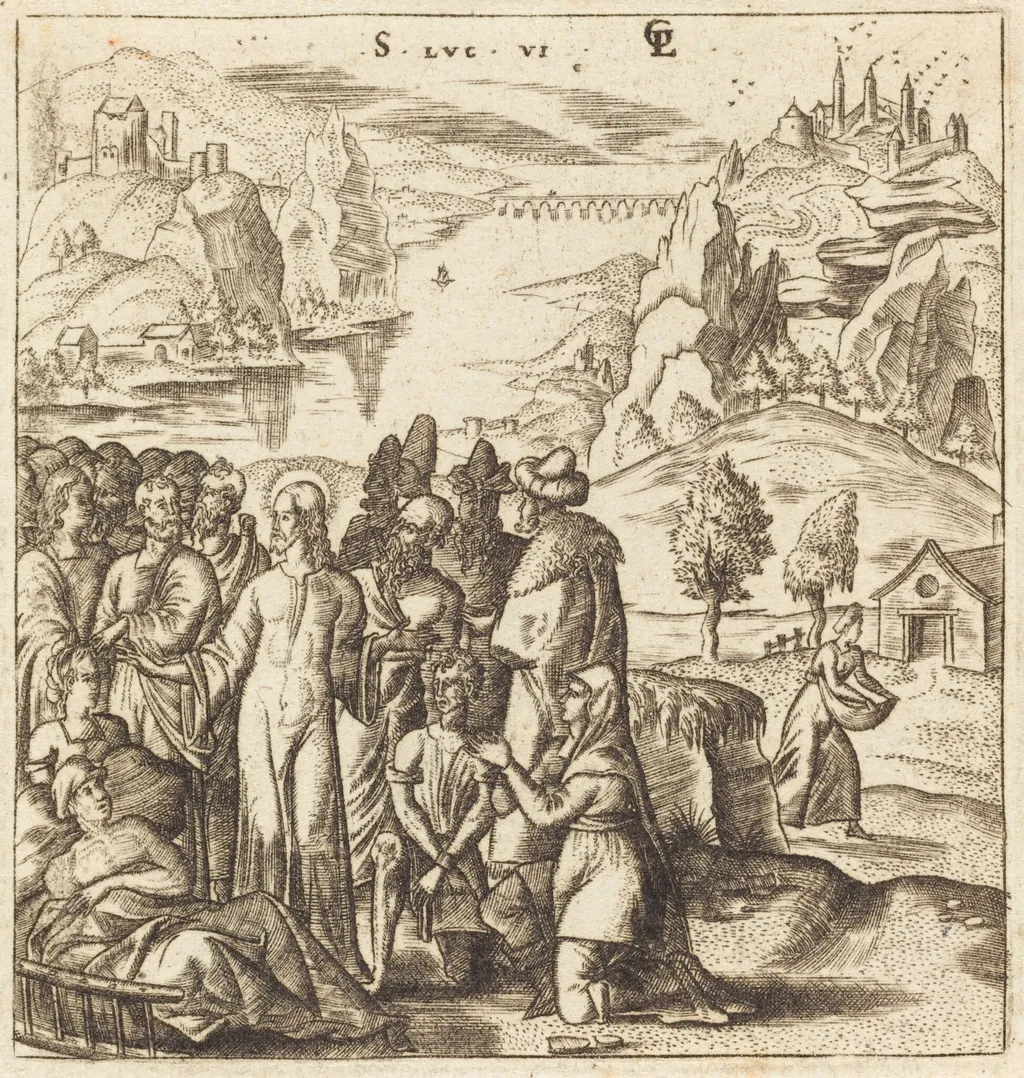
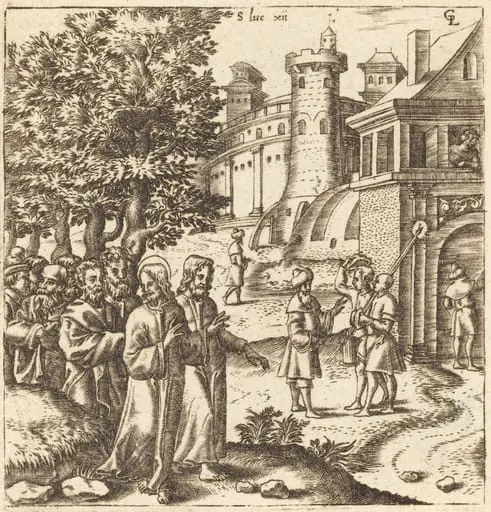
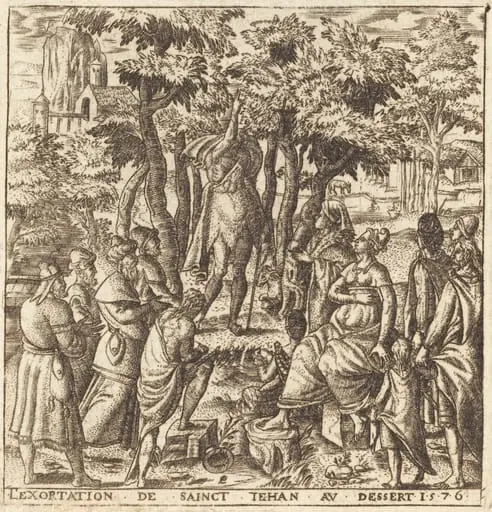
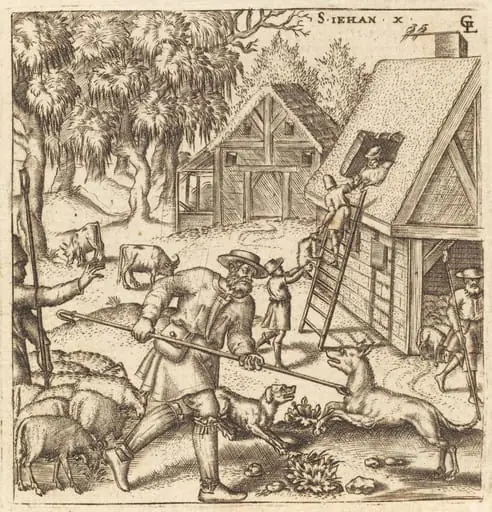
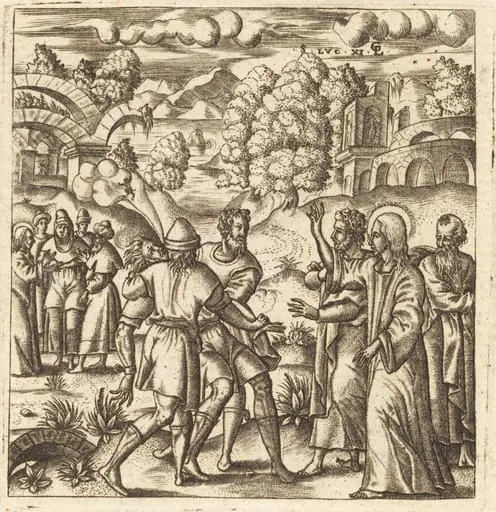
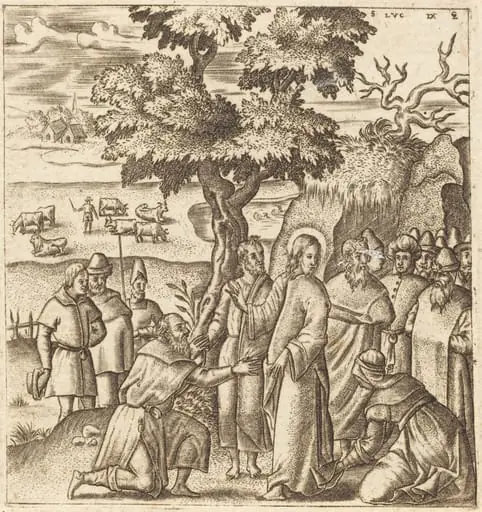
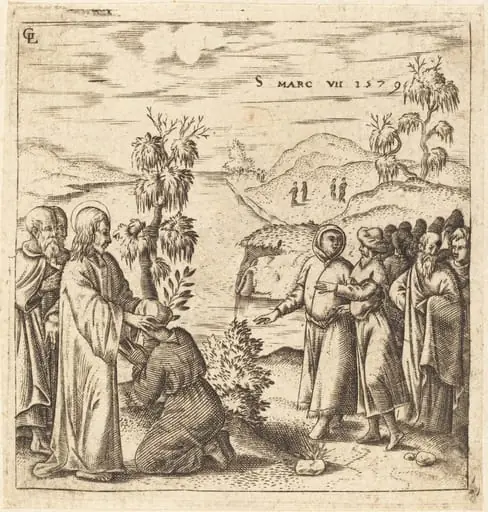
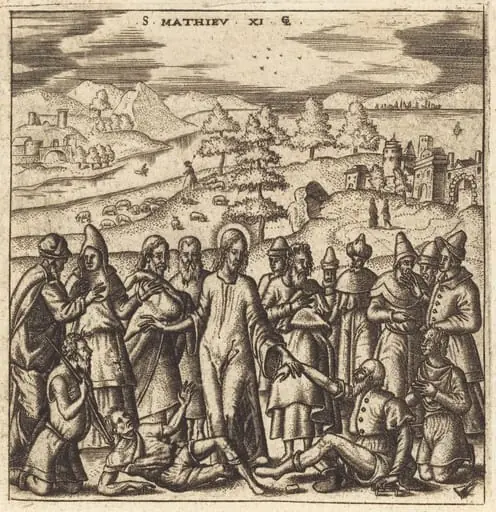
Christ Heals the Sick is an ink print by the Renaissance artist Léonard Gaultier. It dates from 1578 and is held in the collection of the National Gallery of Art.
About this work
Overview
The composition is framed by a distant landscape of rocky hills, modest architecture, and sparse trees, emphasizing the narrative focus on the miracle.
Christ Heals the Sick is an engraved print executed by Léonard Gaultier, a French engraver active in Paris in the late sixteenth and early seventeenth centuries. Produced circa 1578, the image presents a biblical healing episode, with a haloed central figure surrounded by a crowd of onlookers. The composition is framed by a distant landscape of rocky hills, modest architecture, and sparse trees, emphasizing the narrative focus on the miracle.
Subject & Meaning
The scene illustrates a moment from the Gospels in which Christ, identified by his luminous halo, touches and cures the afflicted. The gathered figures, rendered with attentive gazes, convey a collective response to divine intervention. By concentrating on the act of healing, the print underscores themes of compassion, faith, and the transformative power attributed to the central figure within Christian iconography.
Technique & Style
Gaultier employs a meticulous cross‑hatching method, layering intersecting lines to generate tonal variation, shadow, and texture. The engraving’s line work is precise yet retains a formal stiffness characteristic of his generation, reflecting the influence of Northern engravers such as the Wierix brothers and Crispyn van de Passe. This approach yields a clear, almost architectural rendering of forms while maintaining a sense of depth.
History & Provenance
Born around 1561 in Mainz, Gaultier settled in Paris where he worked until his death in 1641. He produced more than eight hundred prints, many of which were religious subjects derived from his own designs. Christ Heals the Sick belongs to this prolific output and exemplifies his sustained interest in biblical narratives during a period when printed devotional images were in high demand.
Context & Legacy
The print emerges from a broader European tradition of reproductive engraving that disseminated religious imagery to a wide audience. Gaultier’s work contributed to the visual culture of Counter‑Reformation France, providing accessible devotional material. Although not celebrated for innovative composition, his disciplined technique and extensive catalogue have secured his place among the notable French printmakers of his era.
Artist & collection
Artist
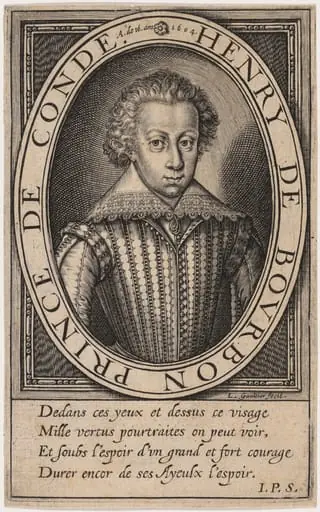
Léonard Gaultier, or, as he sometimes signed himself, Galter, a French engraver, was born at Mainz about 1561, and died in Paris in 1641.