Artwork
The Parable of the Good Shepherd
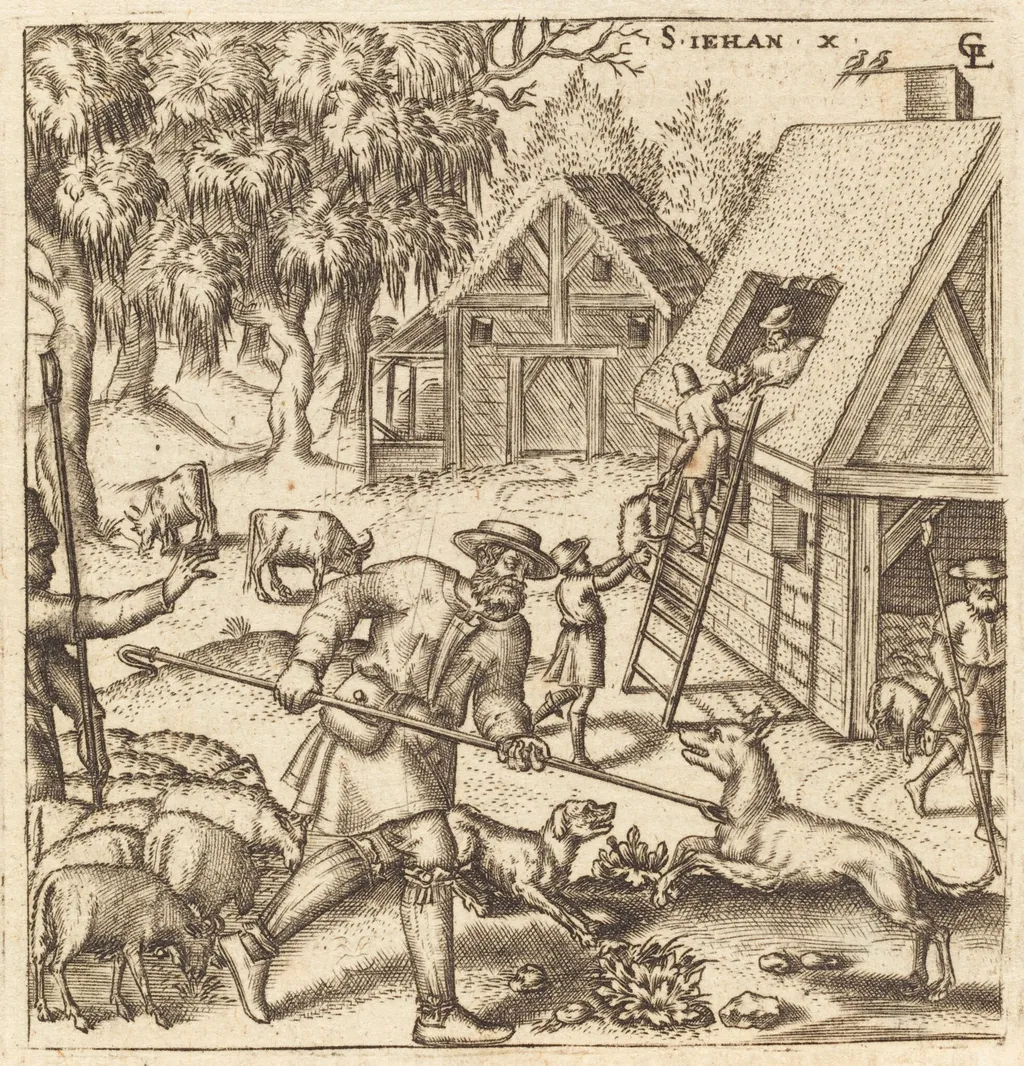
The Parable of the Good Shepherd is an ink print by the Renaissance artist Léonard Gaultier. It dates from 1578 and is held in the collection of the National Gallery of Art.
About this work
Overview
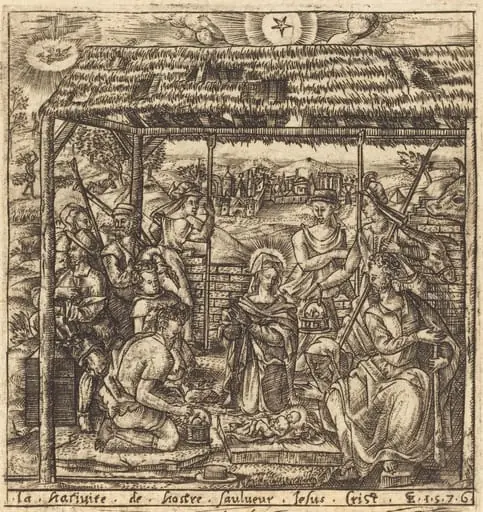
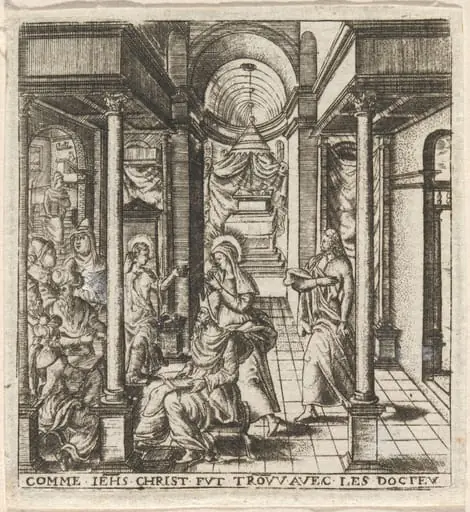
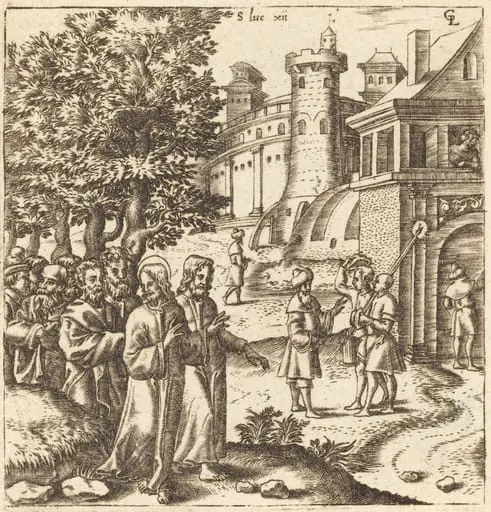
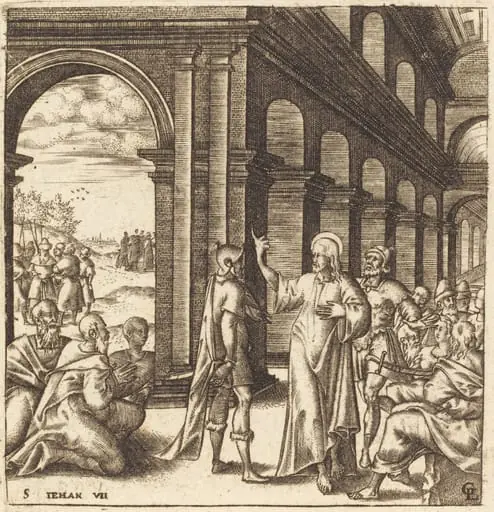
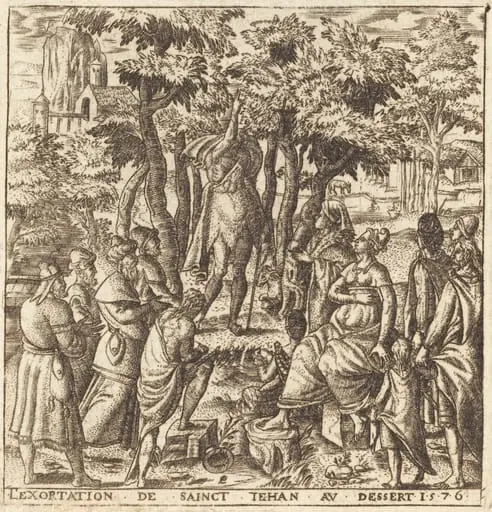
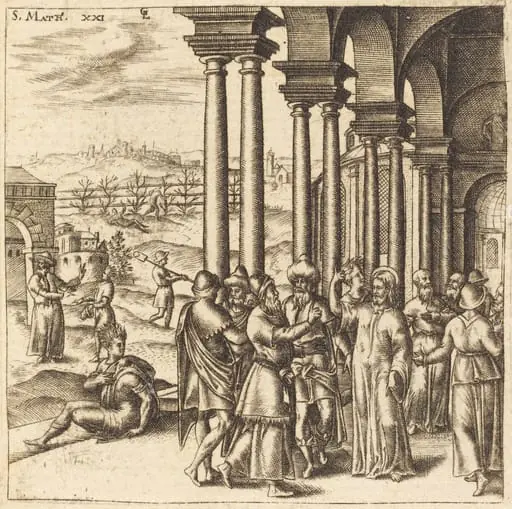
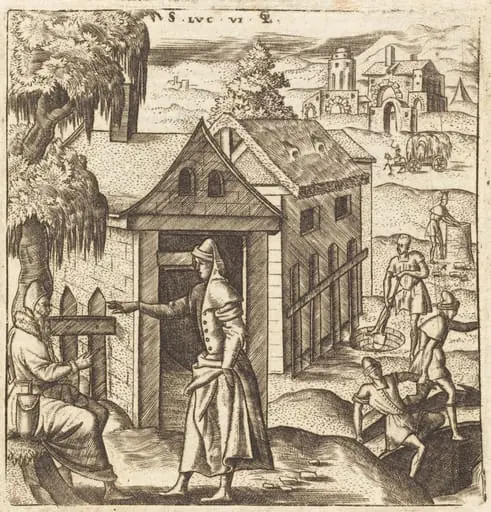
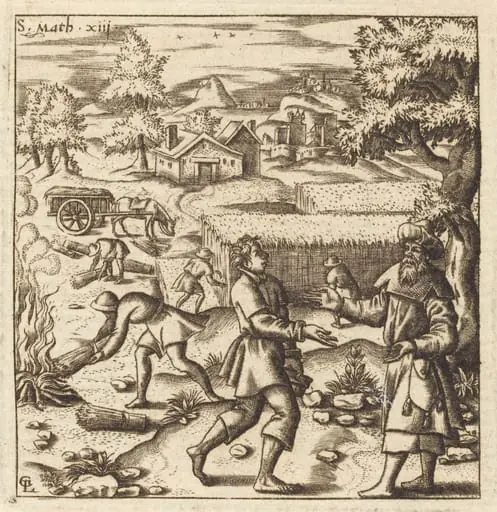
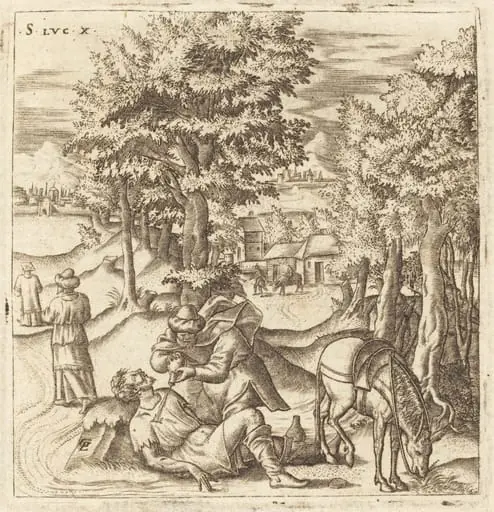
Leonard Gaultier’s engraving *The Parable of the Good Shepherd* dates to circa 1578. Executed in black‑and‑white line, the print presents a shepherd bearing a lamb on his shoulders amid a dense crowd of diminutive figures. The composition is rendered with meticulous cross‑hatching that models the wool, garments, and background shadows.
Subject & Meaning
The image visualises the biblical parable in which the shepherd protects his flock, symbolising divine care. The central figure’s composed expression contrasts with the bustling surrounding, emphasizing the shepherd’s calm authority and the lamb’s vulnerable yet secure position.
Technique & Style
Gaultier employs a tight, formal line work typical of late‑Renaissance French engraving. Cross‑hatching creates tonal depth, while the stiff, highly delineated figures reflect the influence of the Wierix brothers and Crispyn van de Passe, whose prints favored intricate detail and clear narrative structure.
History & Provenance
Born in Mainz around 1561, Gaultier worked in Paris until his death in 1641, producing many prints after his own designs. *The Parable of the Good Shepherd* is among his religious series, illustrating his sustained interest in biblical themes and portraiture.
Context
The print belongs to a period when engravers sought to convey complex stories within a single image, catering to a market for devotional material. The crowded composition and fine hatching align with broader Renaissance trends that prized narrative density and technical precision.
Artist & collection
Artist
Léonard Gaultier, or, as he sometimes signed himself, Galter, a French engraver, was born at Mainz about 1561, and died in Paris in 1641.