Artwork
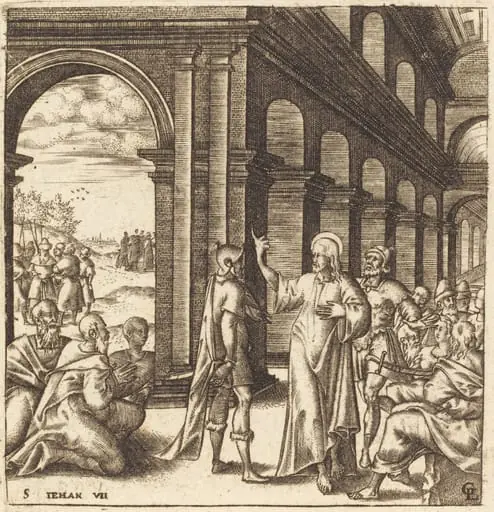
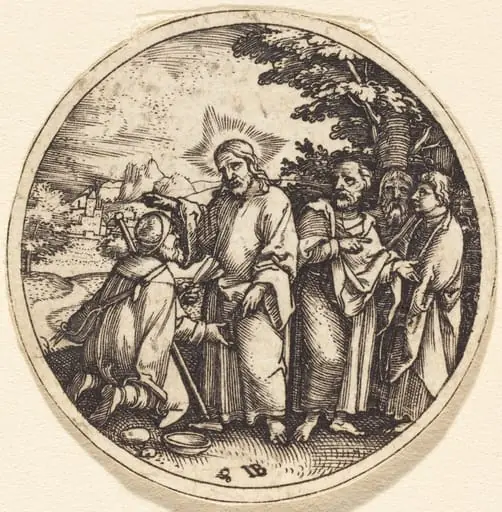
Christ Teaching the Multitude
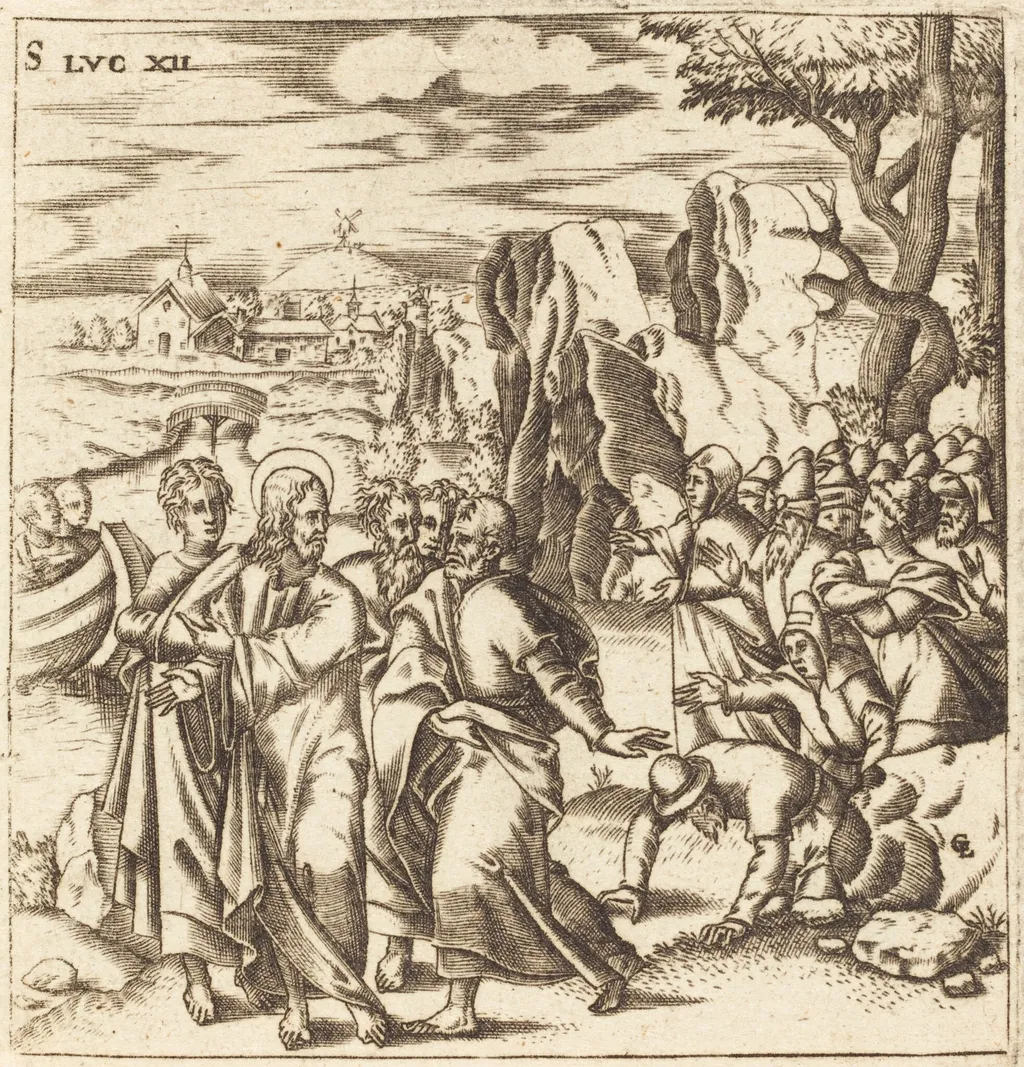
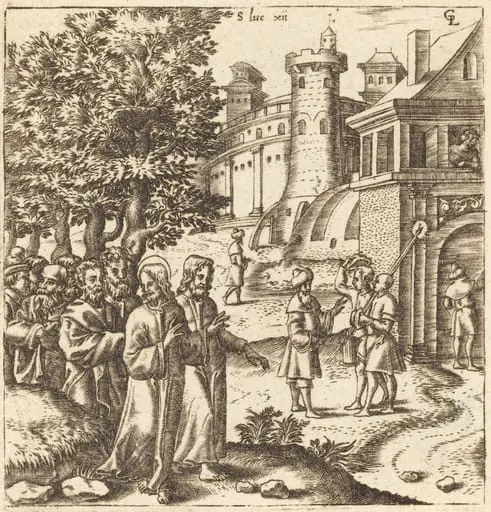
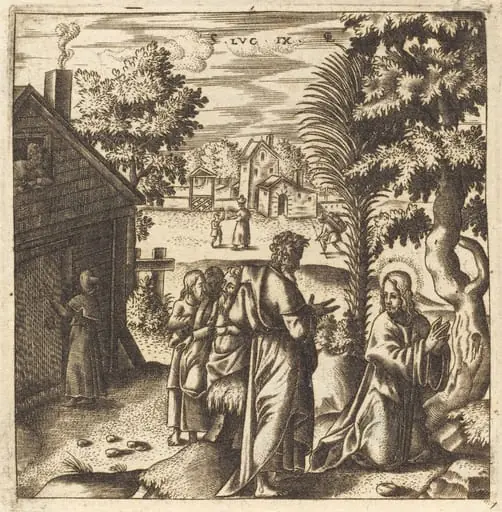
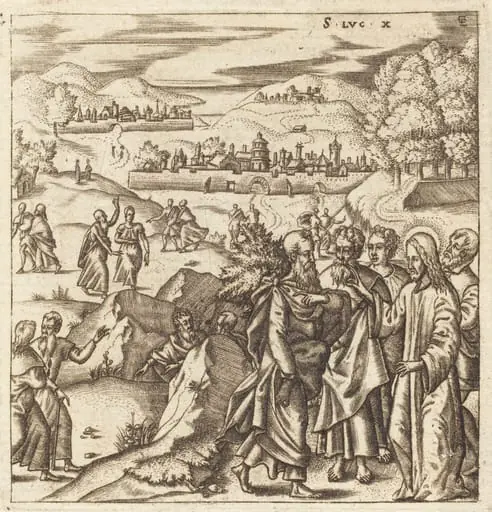
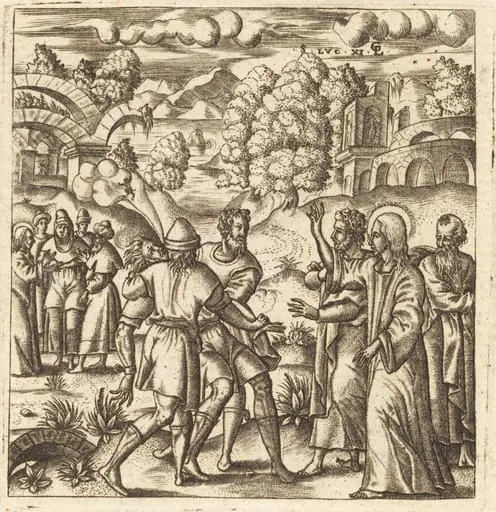
Christ Teaching the Multitude is an ink print by the Renaissance artist Léonard Gaultier. It dates from 1578 and is held in the collection of the National Gallery of Art.
About this work
Overview
This work is one of many prints he created, often based on his own designs, reflecting his dedication to religious and portrait subjects.
Léonard Gaultier, a French engraver born in Mainz around 1561 and active in Paris until 1641, produced this religious print around 1578. Executed entirely in fine linework, the engraving depicts Christ addressing a gathered crowd. Gaultier’s technique relied on the graver rather than tonal washes, emphasizing precision over atmospheric effect. This work is one of many prints he created, often based on his own designs, reflecting his dedication to religious and portrait subjects.
Subject & Meaning
The scene portrays Christ delivering a teaching to a diverse assembly of listeners, positioned on a gentle slope beneath a sky framed by trees and distant hills. His halo and central placement signal spiritual authority, while the attentive postures of the crowd underscore reverence. The composition avoids dramatic action, instead favoring quiet contemplation. The setting, neither urban nor wilderness, suggests a timeless, universal moment of instruction, aligning with devotional ideals of the period.
Technique & Style
Gaultier employed fine, controlled cross-hatching to model form and suggest depth without gradations of tone. His lines are dense yet orderly, creating texture in robes, foliage, and terrain through repetition rather than variation. The style reflects the influence of Netherlandish engravers like the Wierix family and Crispyn van de Passe, known for their meticulous detail and formal compositions. The absence of chiaroscuro results in a flat, graphic clarity characteristic of late 16th-century reproductive printmaking.
History & Provenance
Created during Gaultier’s early career, this engraving belongs to a series of religious prints he produced in Paris, often circulated among private collectors and religious institutions. Though no specific early ownership records are documented, its survival in multiple institutional collections suggests steady demand for devotional imagery in post-Reformation France. Gaultier’s prints were valued for their clarity and portability, making them accessible tools for personal meditation and instruction.
Context
This work emerged during a period when Catholic Europe saw renewed interest in visual religious instruction, especially following the Council of Trent. Engravings like Gaultier’s served as affordable alternatives to paintings, reaching wider audiences. His style, rooted in Northern European traditions, contrasted with the emerging dynamism of Italian Mannerism, favoring order and legibility over emotional intensity, aligning with Counter-Reformation ideals of clarity and piety.
Legacy
Gaultier’s engravings, including this one, contributed to the dissemination of religious imagery in early modern France. Though his work was never avant-garde, its technical consistency and devotional focus ensured its continued reproduction and study. Later engravers adopted his linear precision, and his prints remain valuable for understanding how religious narratives were visually standardized for public consumption in the late Renaissance.
Artist & collection
Artist
Léonard Gaultier, or, as he sometimes signed himself, Galter, a French engraver, was born at Mainz about 1561, and died in Paris in 1641.