Artwork
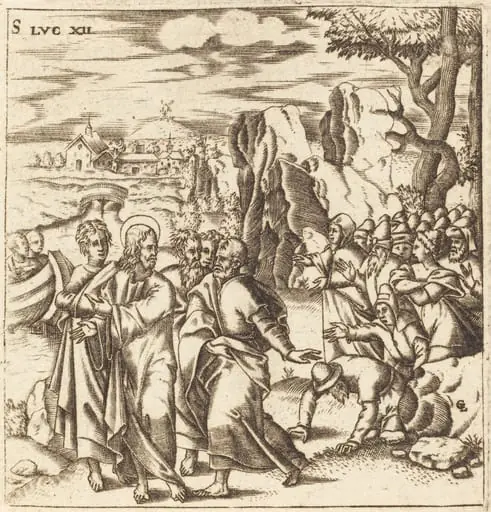
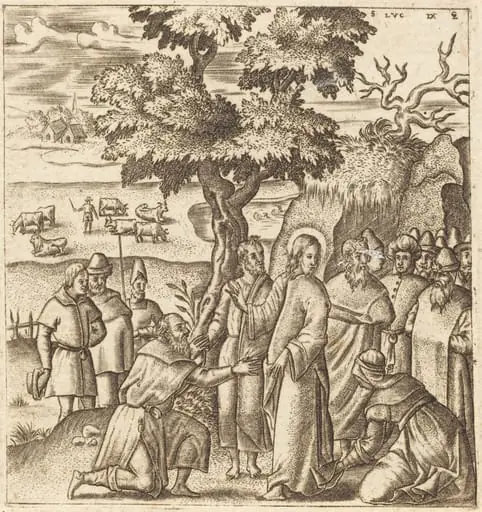
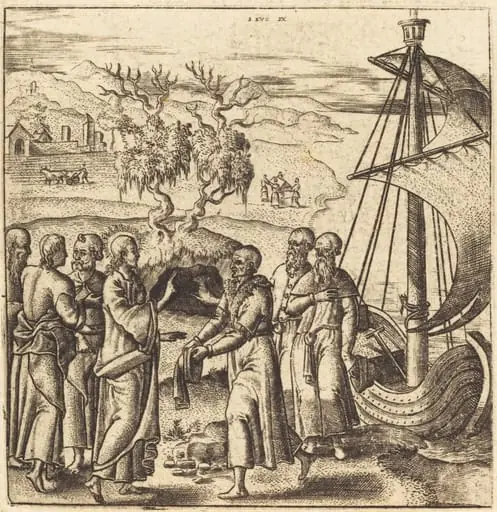
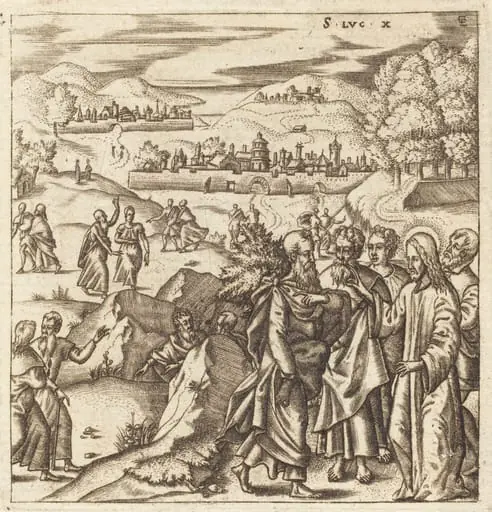
Christ Telling His Disciples of the Parable of the Dragnet
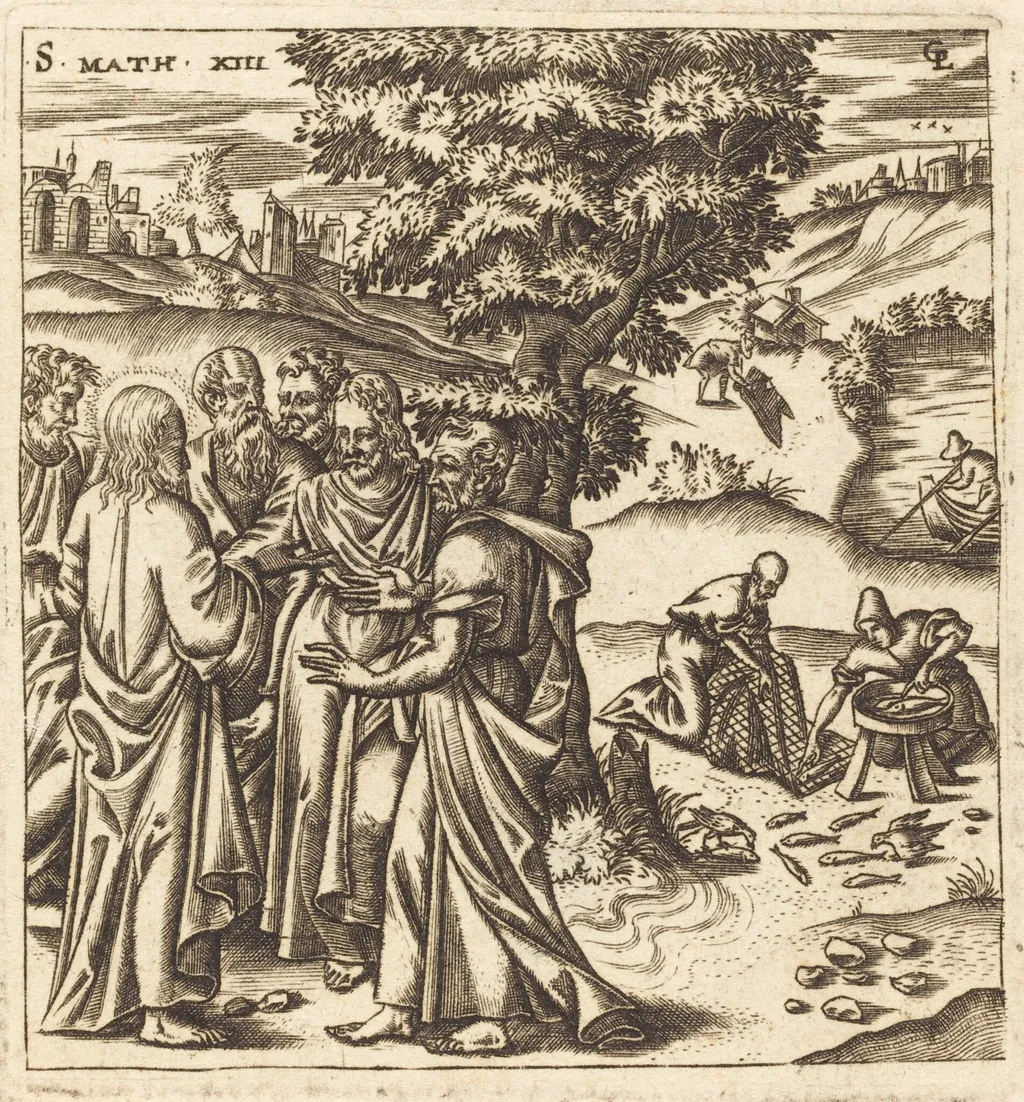
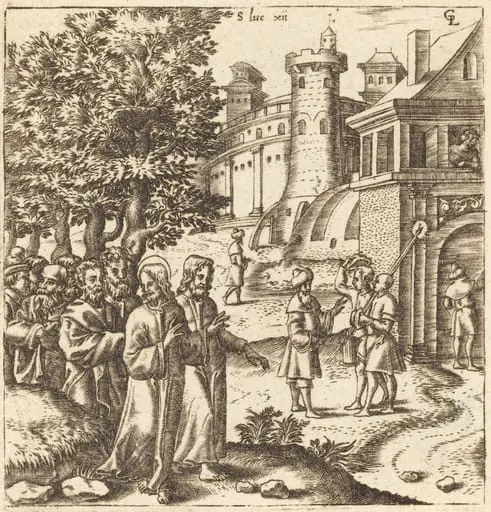
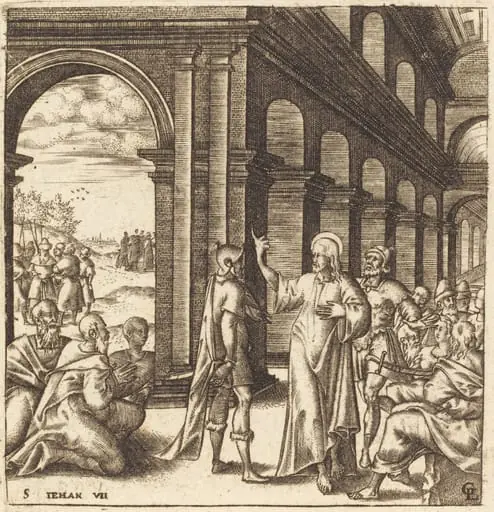
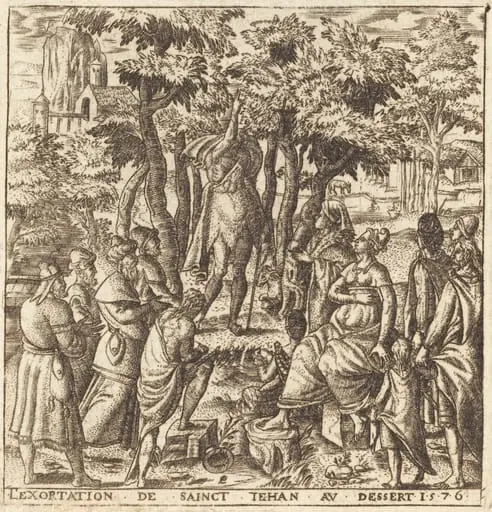
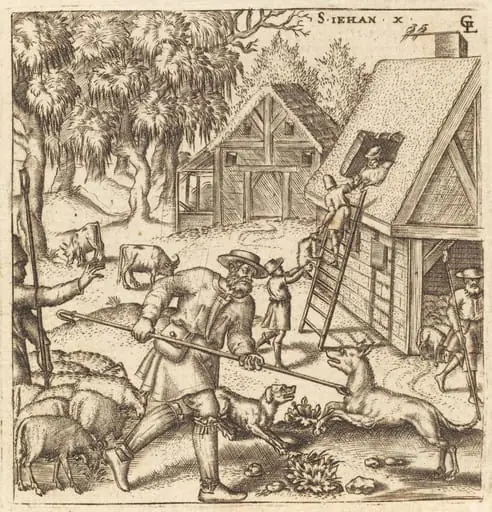
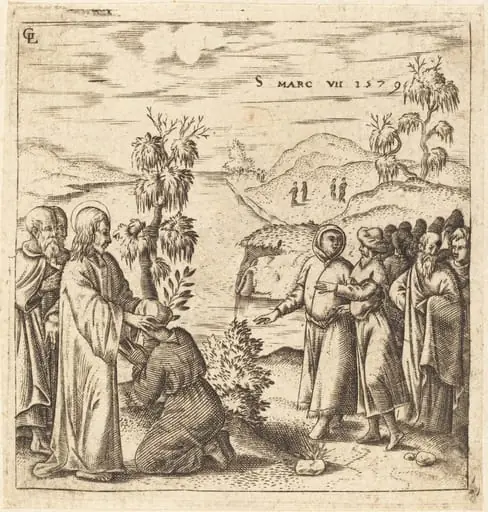
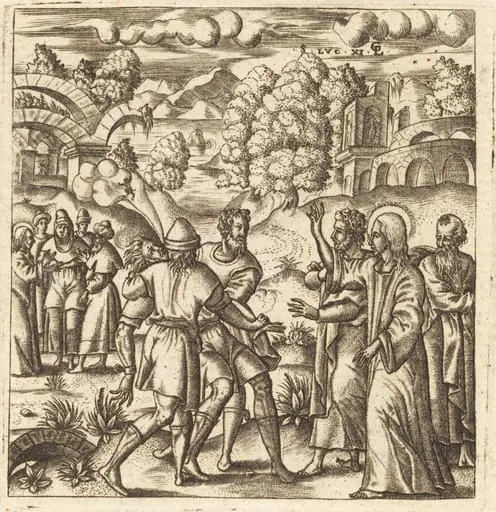
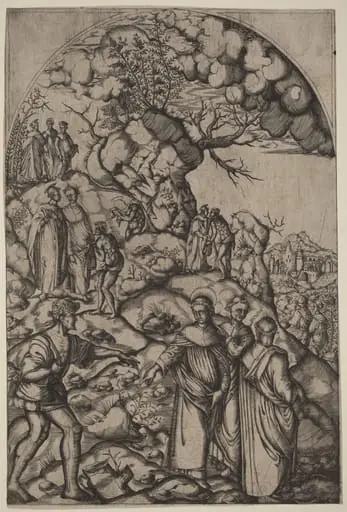
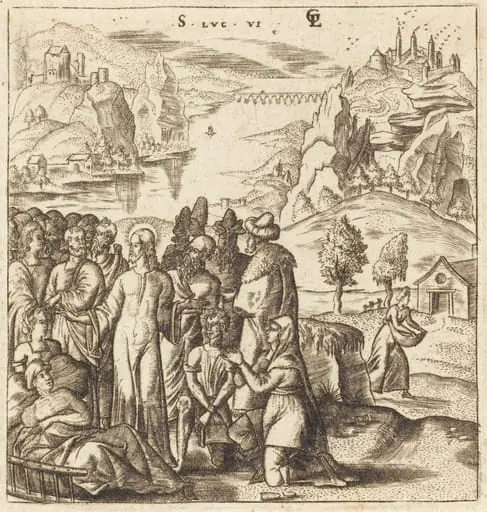
Christ Telling His Disciples of the Parable of the Dragnet is an ink print by the Renaissance artist Léonard Gaultier. It dates from 1578 and is held in the collection of the National Gallery of Art.
About this work
Overview
The print presents a biblical episode in which Jesus addresses his followers, set against a tranquil landscape of water, distant hills, and trees.
Léonard Gaultier’s copperplate engraving, titled *Christ Telling His Disciples of the Parable of the Dragnet*, dates to roughly 1578. The print presents a biblical episode in which Jesus addresses his followers, set against a tranquil landscape of water, distant hills, and trees. The composition is organized around a central figure, with the disciples gathered closely, creating a balanced and orderly visual narrative.
Subject & Meaning
The image captures the moment when Christ explains the parable of the net, a teaching about the gathering of souls. Jesus stands with outstretched arms, his robe flowing, while the disciples listen attentively, embodying the transmission of spiritual instruction. The surrounding scenery—calm water and modest vessels—suggests a peaceful setting that underscores the contemplative tone of the lesson.
Technique & Style
Executed entirely with a graver, the print demonstrates Gaultier’s precise line work and controlled hatching, hallmarks of his formal approach. The engraving’s fine detailing and crisp contours reflect the influence of Northern engravers such as the Wierix brothers and Crispyn van de Passe, whose meticulous handling of texture and anatomy Gaultier adapts within a Renaissance aesthetic.
History & Provenance
Born in Mainz around 1561, Gaultier established his career in Paris, where he worked until his death in 1641. He frequently produced prints from his own designs, and this work is among the religious series that secured his reputation. The engraving has survived in several collections, indicating its circulation among collectors of devotional imagery in the late sixteenth and early seventeenth centuries.
Context
Created during the late Renaissance, the print aligns with the period’s emphasis on didactic religious art intended for private contemplation. Its formal composition and restrained emotional expression mirror contemporary French printmaking trends, while the inclusion of a naturalistic landscape reflects broader European interests in integrating biblical narratives with recognizable settings.
Artist & collection
Artist
Léonard Gaultier, or, as he sometimes signed himself, Galter, a French engraver, was born at Mainz about 1561, and died in Paris in 1641.