Artwork
Jeremiah Burroughes, Puritan Divine
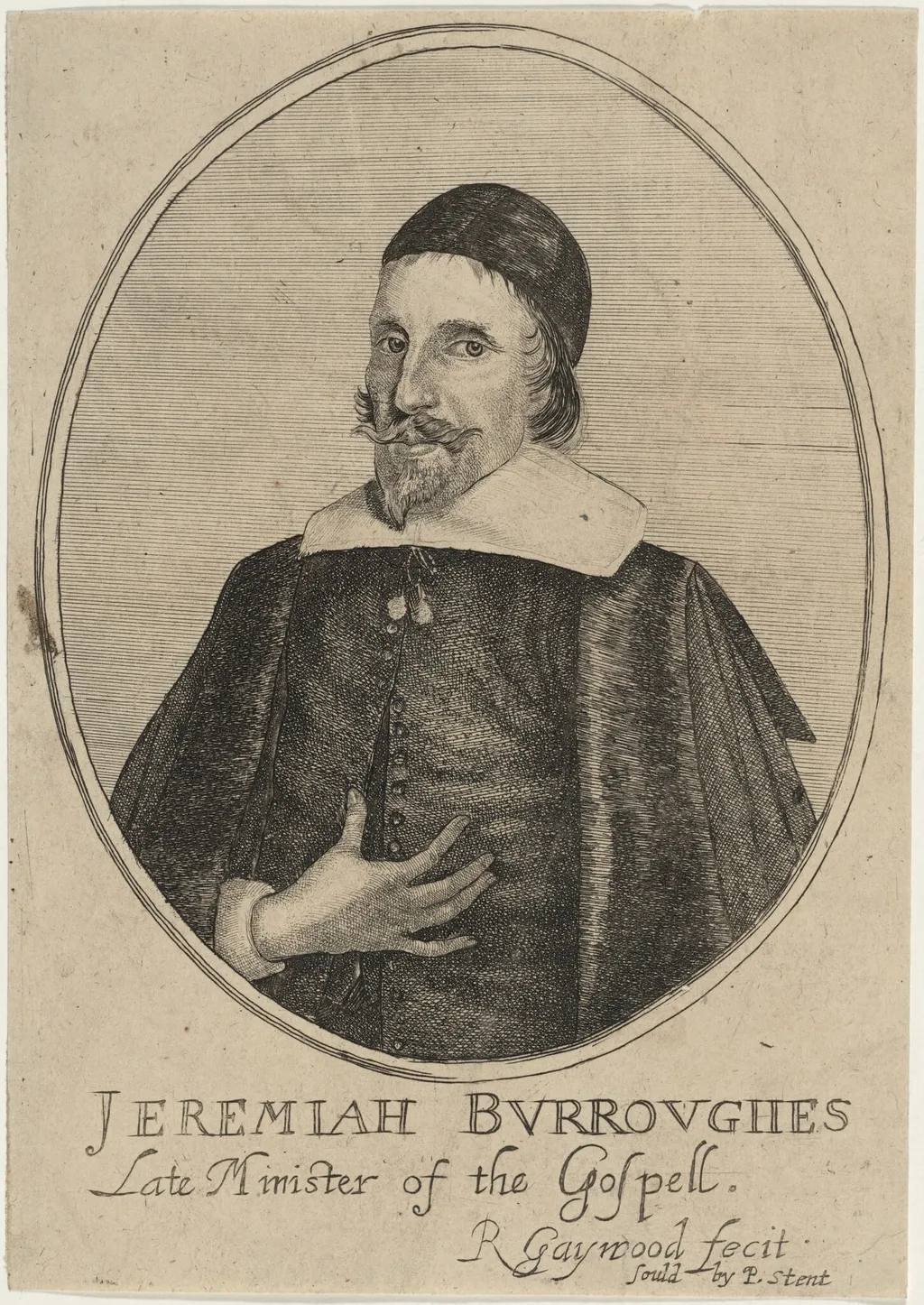
Jeremiah Burroughes, Puritan Divine is an ink print by the Baroque artist Robert Gaywood. It dates from 1655 and is held in the collection of the National Gallery of Art.
About this work
Overview
The work is a black‑and‑white etching executed in 1655 by the English printmaker Robert Gaywood. It presents a portrait of Jeremiah Burroughes, identified in the inscription as a late minister of the gospel, framed within a simple circular border and set against an unadorned background.
Subject & Meaning
Burroughes is depicted with a solemn expression, a trimmed mustache, and a dark coat trimmed with a white collar. His hands are clasped before him, a conventional gesture of piety and contemplation that underscores his role as a Puritan clergyman during a period of religious turbulence in England.
Technique & Style
The image is rendered through the traditional etching process, in which Gaywood incised lines into a copper plate coated with acid‑resistant ground. The resulting fine linear work emphasizes contrast between deep shadows and bright highlights, creating a clear, dignified likeness without the use of colour.
History & Provenance
Created in the mid‑seventeenth century, the print reflects contemporary interest in documenting prominent religious figures. The artist’s signature, R. Gaywood, appears in the lower corner, confirming authorship. The work has been preserved in several institutional collections, attesting to its value as a documentary portrait of a notable Puritan leader.
Context
Burroughes (c.1585‑1649) was a leading member of the Westminster Assembly and a vocal advocate for Presbyterian church governance. The portrait was likely produced shortly after his death, serving both as a memorial and as a visual affirmation of Puritan ideals during the Commonwealth era.
Artist & collection

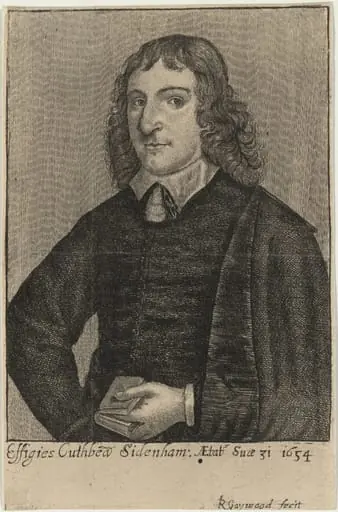
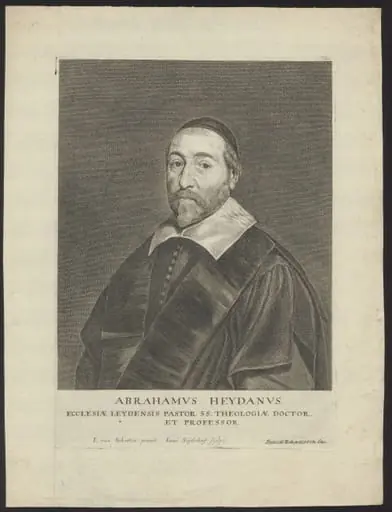 Portrait of Abrahamus Heydanus, pastor and professor of theology in Leiden
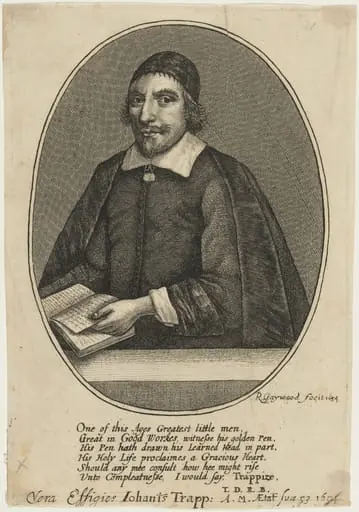 John Trapp, Vicar of Weston-on-Avon, BiblicalCommentator
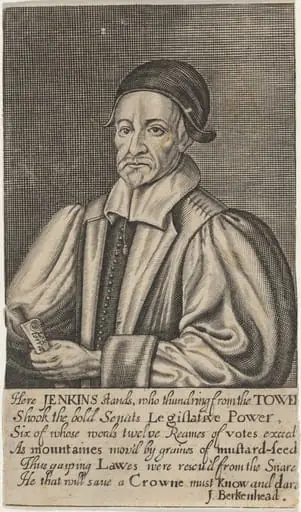 David Jenkins
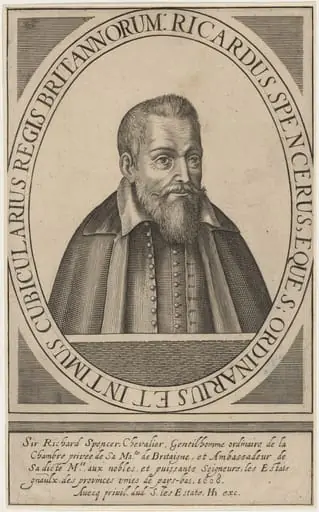 Sir Richard Spencer, Ambassador to Holland
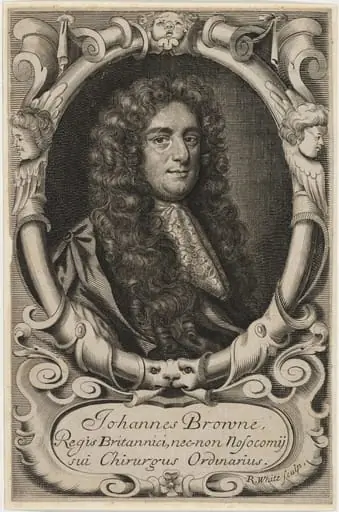 Dr. John Browne, Surgeon
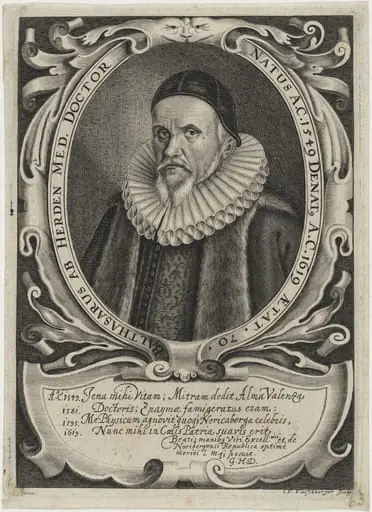 Balthasarus ab Herden Med. Doctor
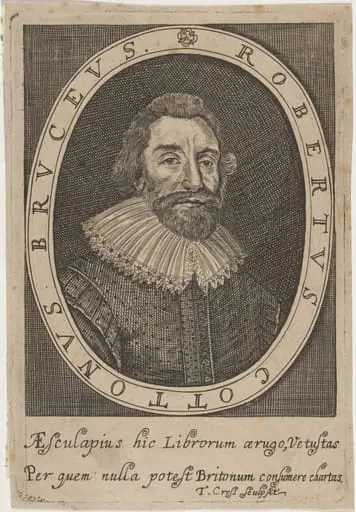 Robertus Cottonus Bruceus (Sir Robert Cotton)
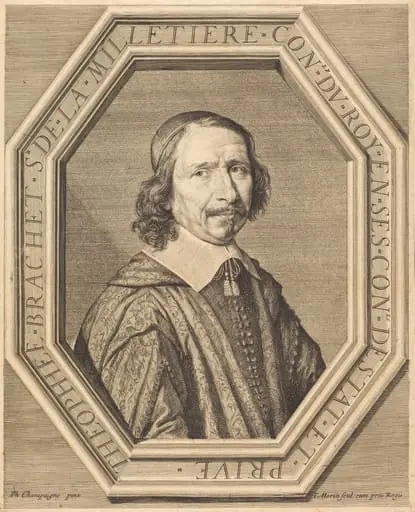 Theophile Brachet de la Milletiere
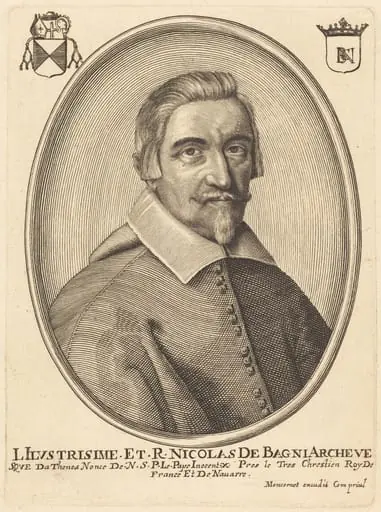 Jean-François Bagni
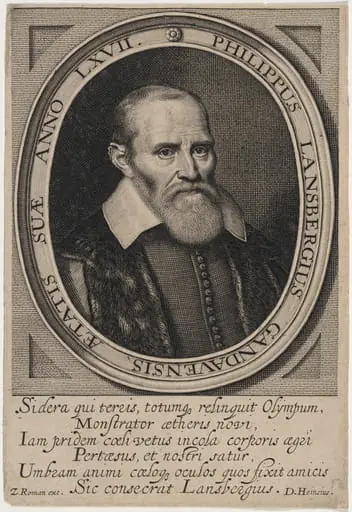 Philip Lansberg
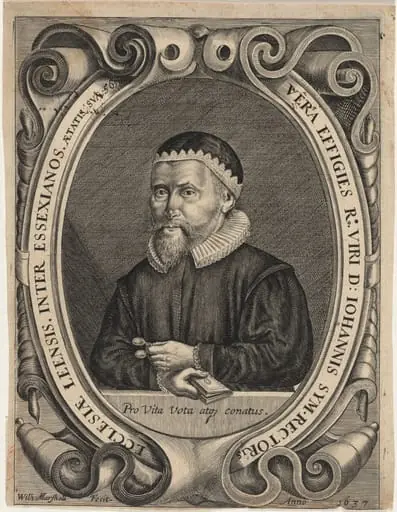 John Sym, Rector of Leigh and Essex
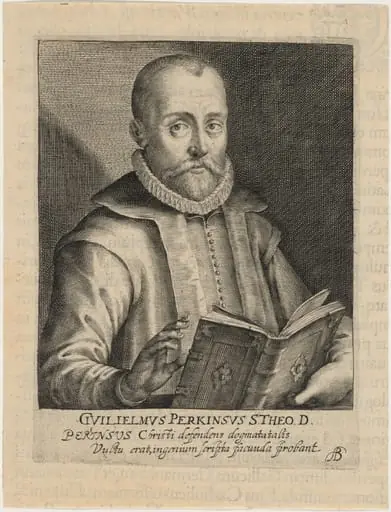 William Perkins, Puritan Divine