Artwork
Cuthbert Sydenham
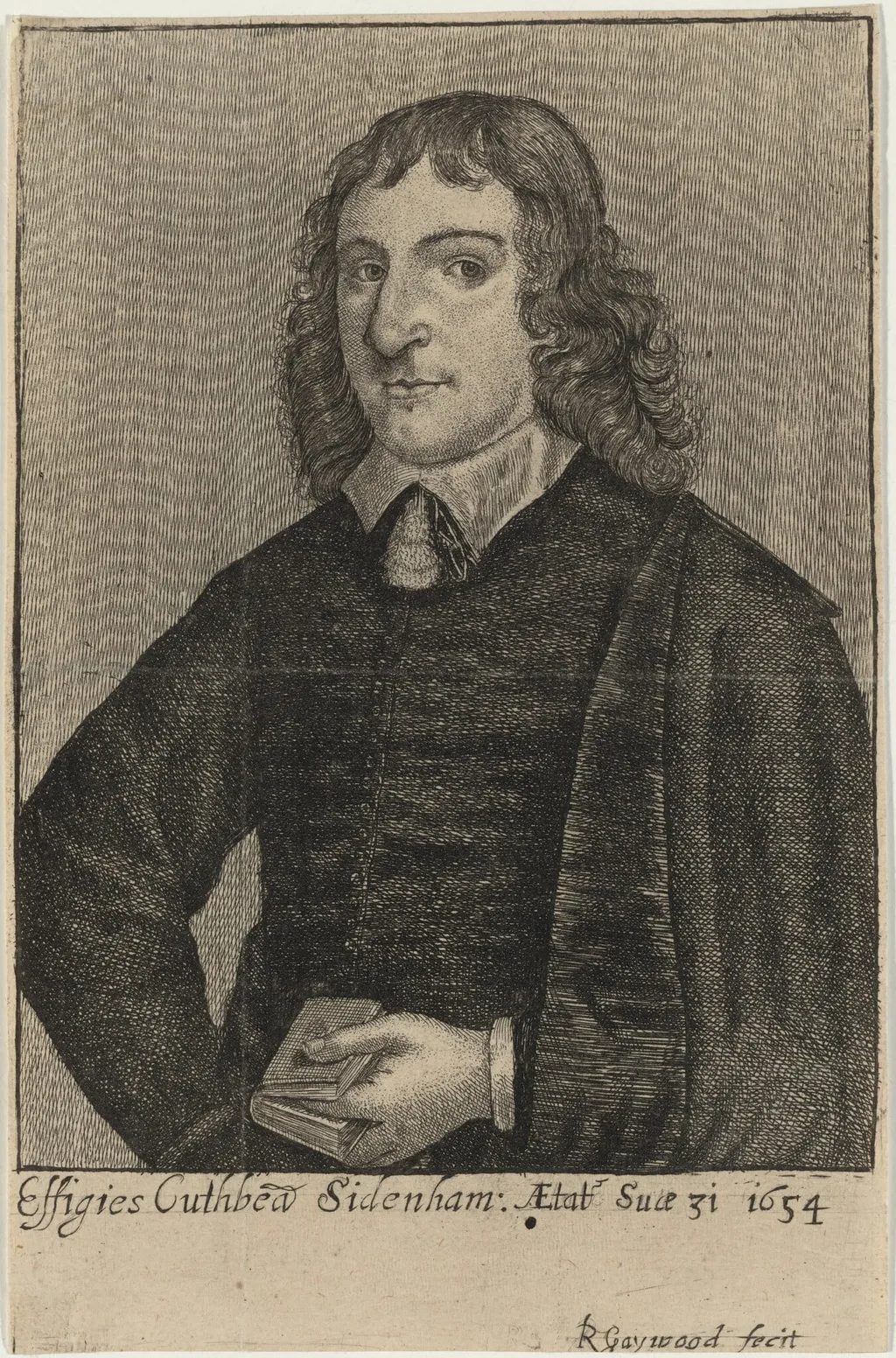
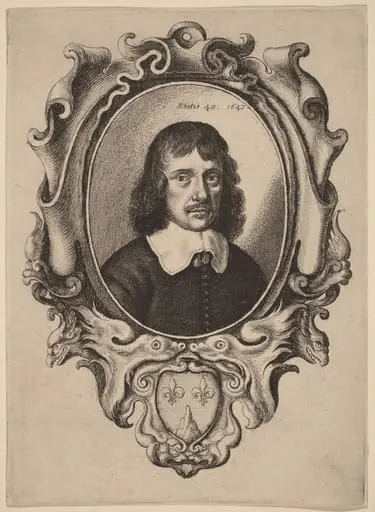
Cuthbert Sydenham is an ink print by the Baroque artist Robert Gaywood. It dates from 1654 and is held in the collection of the National Gallery of Art.
About this work
The artist used a technique that creates fine lines and shading—this isn’t paint, but metal.
This is a black-and-white portrait of a man in a dark, ruffled collar and jacket. He’s holding a folded paper in his left hand, resting it on his chest. His hair is curly, and his expression is serious but calm.
The text at the bottom says this is *Cuthbert Sydenham*, made in 1654. The artist used a technique that creates fine lines and shading—this isn’t paint, but metal.
Next, check out etching to see how artists like this made detailed prints.
Overview
This black-and-white print, created in 1654, is an etching by Robert Gaywood depicting Cuthbert Sydenham. Executed on metal and transferred to paper, the work belongs to the tradition of early modern portraiture in print form. The image captures a man in formal attire, rendered with delicate linear precision characteristic of etching techniques of the period.
Subject & Meaning
Cuthbert Sydenham is portrayed as a composed, middle-aged man, dressed in a dark jacket with a prominent ruffled collar. He holds a folded document against his chest, suggesting literacy, status, or official duty. His calm, direct gaze conveys quiet authority rather than flamboyance, aligning with the restrained demeanor common among provincial gentry of mid-17th century England.
Technique & Style
Gaywood employed etching to achieve fine, controlled lines and subtle tonal gradations. The method involved incising a design into a metal plate coated with acid-resistant ground, then using acid to bite the exposed lines. The resulting print shows careful hatching for shadow and texture, particularly in the collar and hair, demonstrating technical skill without overt embellishment.
History & Provenance
The print was produced in 1654, during the Interregnum, a period when portraiture in England shifted from grand oil paintings to more accessible printed formats. While little is recorded about Sydenham’s life, the inclusion of his name and date suggests a private commission, possibly for family or local documentation, reflecting the growing middle-class interest in personal commemoration.
Context
In mid-17th century England, etchings like this served as affordable alternatives to painted portraits, especially during political instability when traditional patronage declined. Artists such as Gaywood catered to a clientele seeking dignified likenesses without the expense of oil on canvas. This work reflects the rise of print culture and the democratization of portraiture beyond aristocratic circles.
Legacy
Though Robert Gaywood is not widely known today, this etching survives as a modest example of provincial English printmaking. It offers insight into how individuals outside the court preserved their image during a turbulent era. The work remains a quiet testament to the role of print in documenting personal identity when painting was less accessible.
Artist & collection

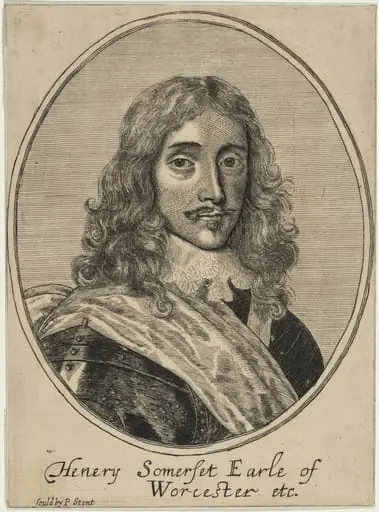 Henry Somerset, Earl of Worcester, First Dukeof Beaufort
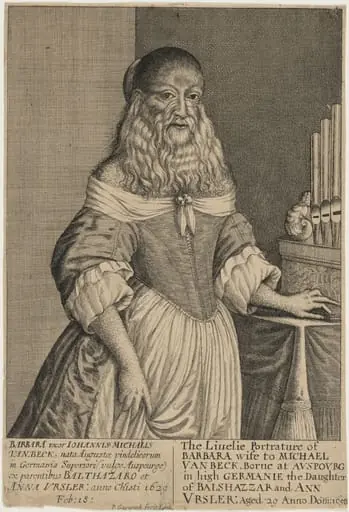 Barbara Van Beck, the Bearded Lady
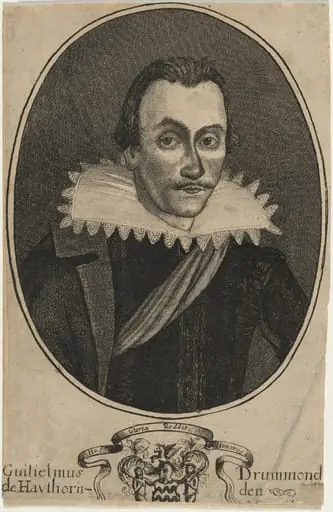 William Drummond of Hawthornden, Historian and Poet
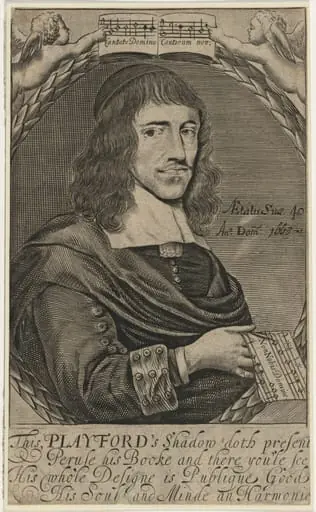 John Playford, Musician and Music Publisher
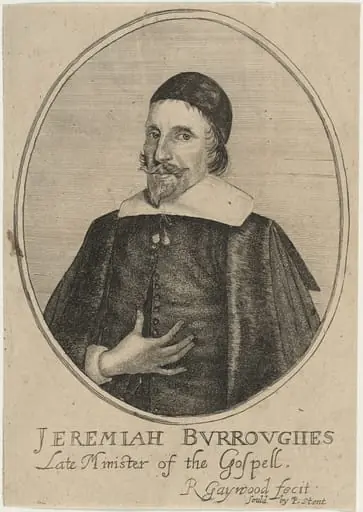 Jeremiah Burroughes, Puritan Divine
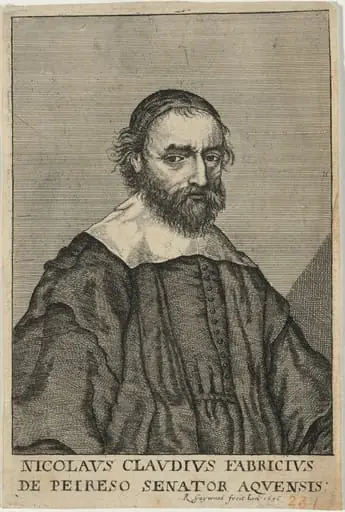 Nicholas Claude Fabri de Peireso, French Antiquary
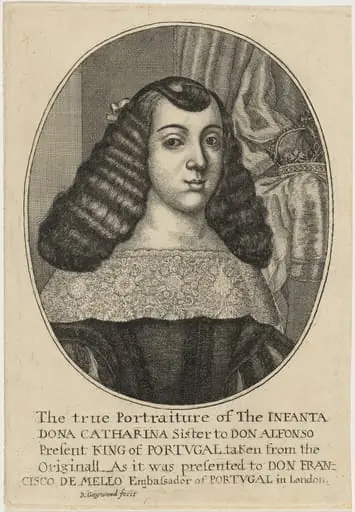 Catherine of Braganza
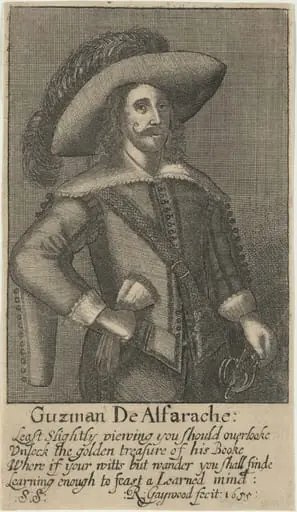 Guzman de Alfarache
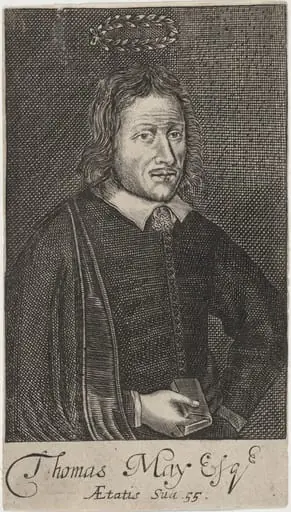 Thomas May, Poet and Historian
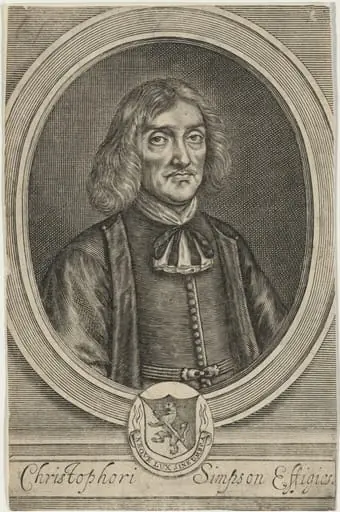 Christopher Chelys Simpson
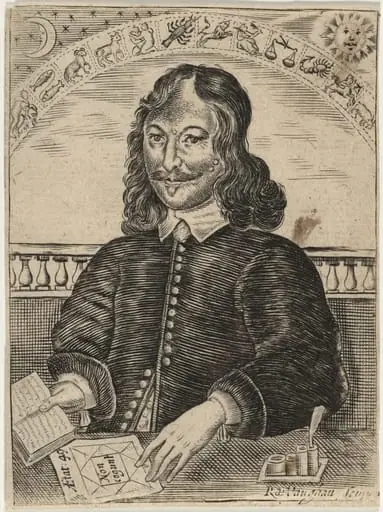 William Lilly
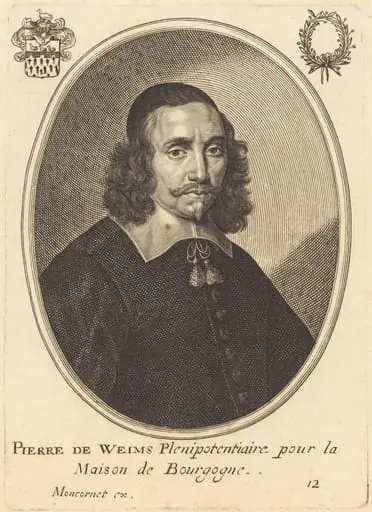 Pierre de Weims
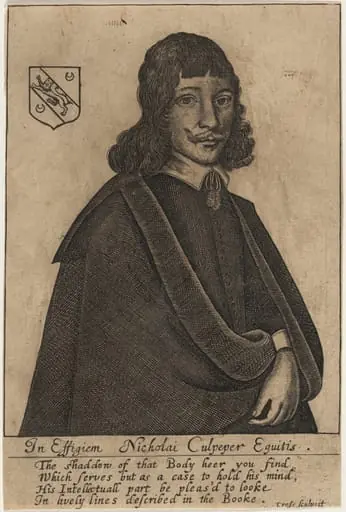 Nicholai Culpeper, Equitus
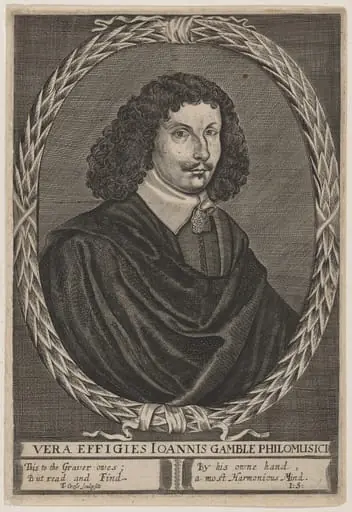 Johanis Gamble (John Gamble)
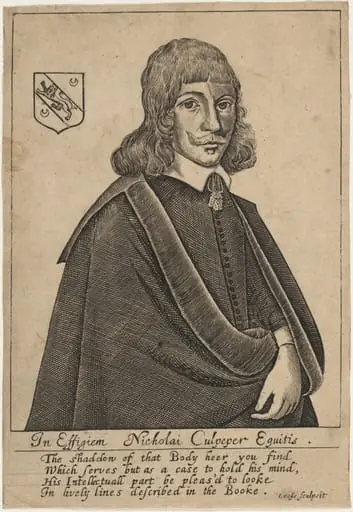 Nicholai Culpeper, Equitus
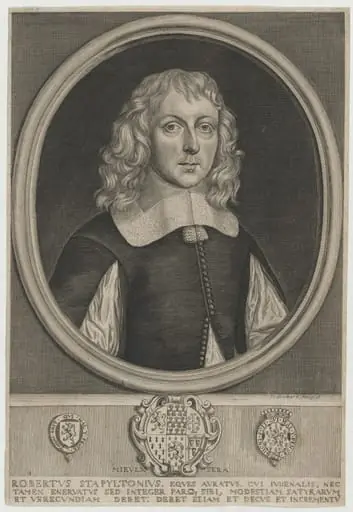 Sir Robert Stapylton, Dramatic Poet and Translator
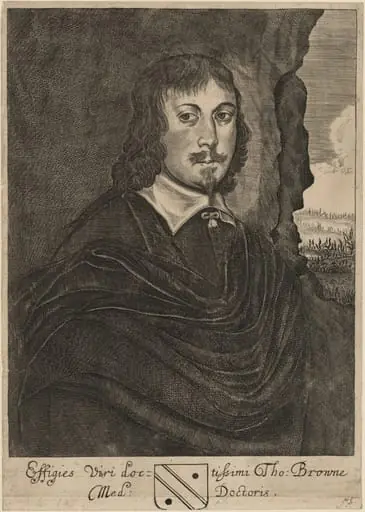 Tho. Browne, Med. Doctoris (Sir Thomas Browne, M.D.)
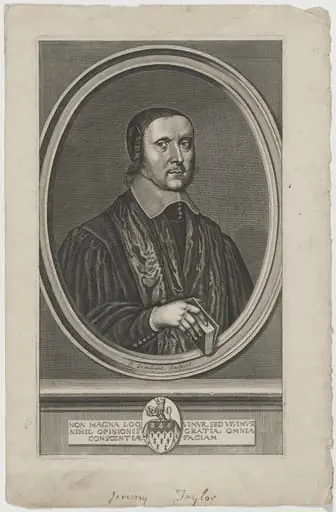 Jeremy Taylor, Bishop of Down, Connor and Dromore
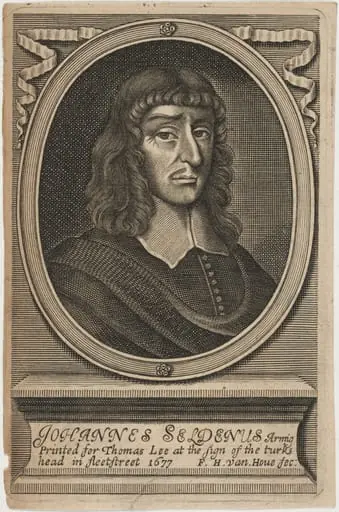 John Selden
 Self-Portrait