Artwork
John Trapp, Vicar of Weston-on-Avon, BiblicalCommentator
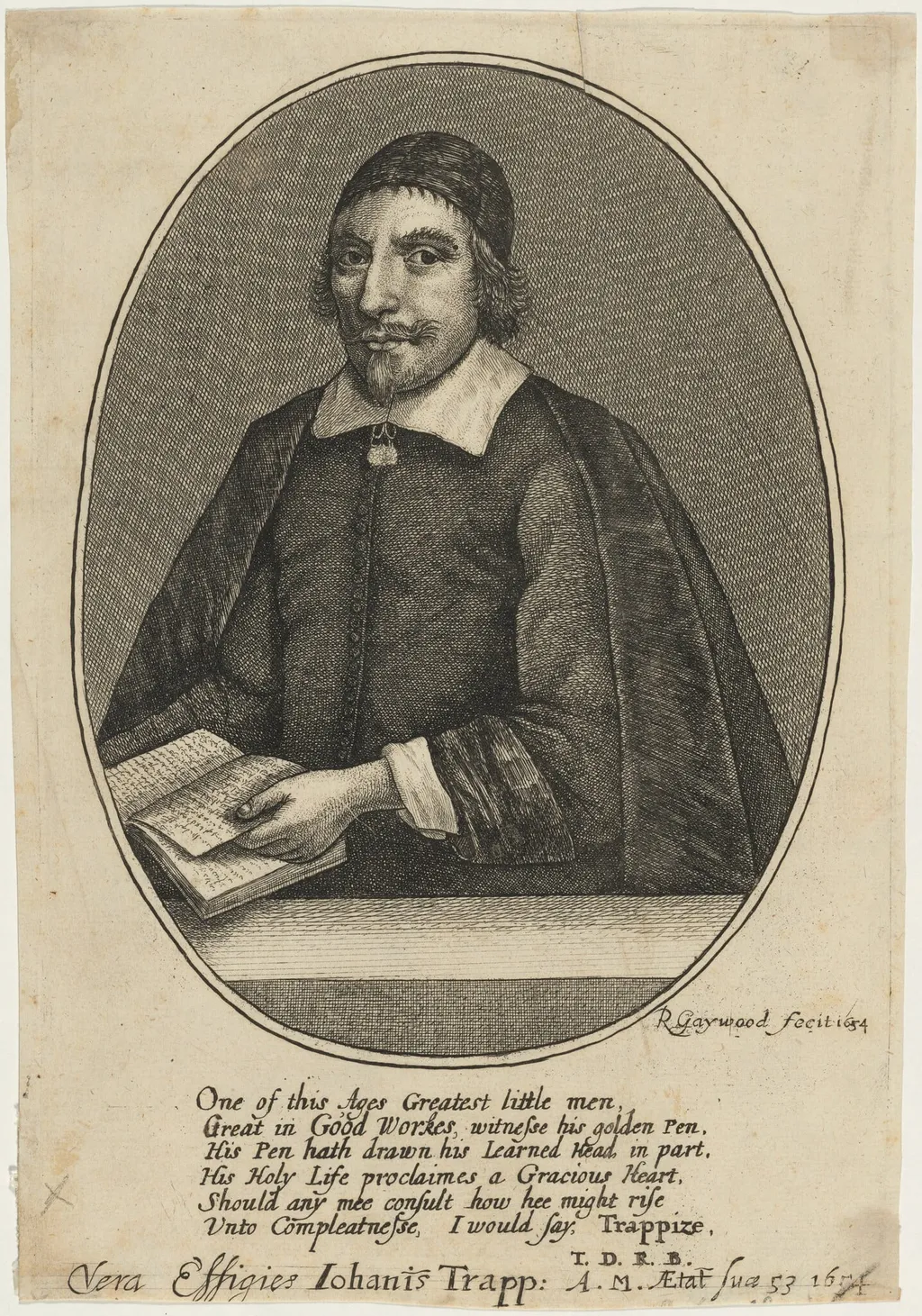
John Trapp, Vicar of Weston-on-Avon, BiblicalCommentator is an ink print by the Baroque artist Robert Gaywood. It dates from 1654 and is held in the collection of the National Gallery of Art.
About this work
The background is plain, but his face is detailed—notice the short mustache and the way his hair curls at the edges.
This black-and-white portrait shows a serious-looking man in old-fashioned clothes. He’s holding an open book in one hand and resting his chin on the other. His collar is stiff and white, and his dark coat has a deep V-neck. The background is plain, but his face is detailed—notice the short mustache and the way his hair curls at the edges.
The text below calls him a "little man" who wrote important things, and the date says 1654. The artist signed it "R Gaywood fecit," which means Gaywood made it. The lines around his face look like they’re drawn by hand, almost like a sketch.
If you like this style, look up etching to see how artists like Gaywood created these sharp, precise prints.
Overview
This etching is a portrait of John Trapp, created by Robert Gaywood in 1654. It is a black-and-white print that showcases the artist's skill in capturing detailed facial features.
Subject & Meaning
The portrait depicts John Trapp, a vicar and biblical commentator, in a contemplative pose, holding an open book and resting his chin on his hand, conveying a sense of seriousness and intellectualism.
Technique & Style
The etching features delicate lines and shading, characteristic of Gaywood's style, with a focus on the subject's facial details, including his short mustache and curly hair edges, set against a plain background.
Artist & collection

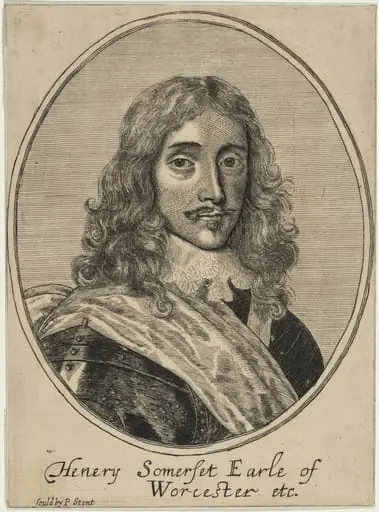 Henry Somerset, Earl of Worcester, First Dukeof Beaufort
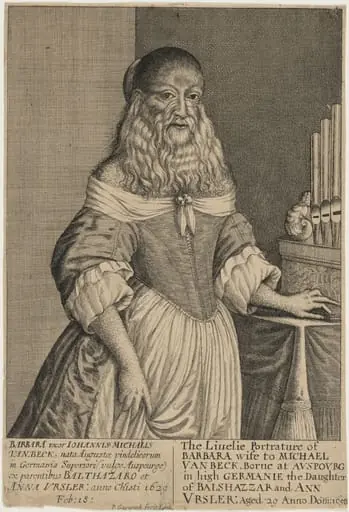 Barbara Van Beck, the Bearded Lady
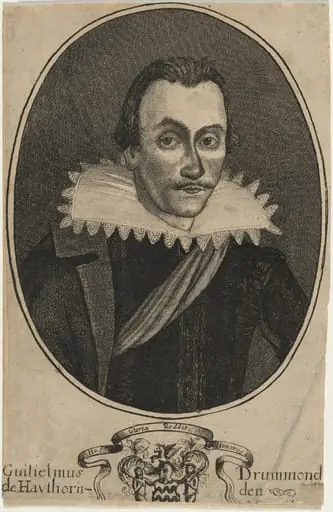 William Drummond of Hawthornden, Historian and Poet
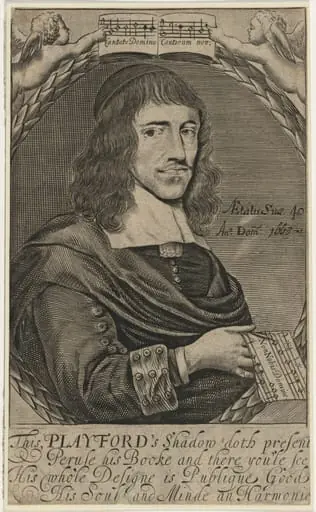 John Playford, Musician and Music Publisher
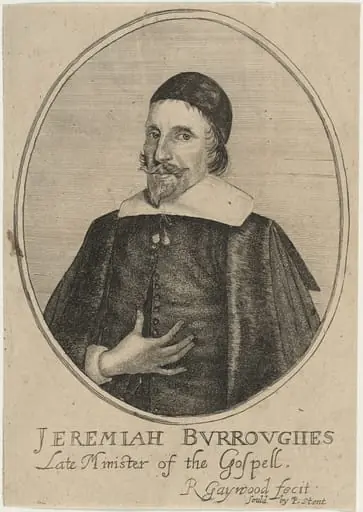 Jeremiah Burroughes, Puritan Divine
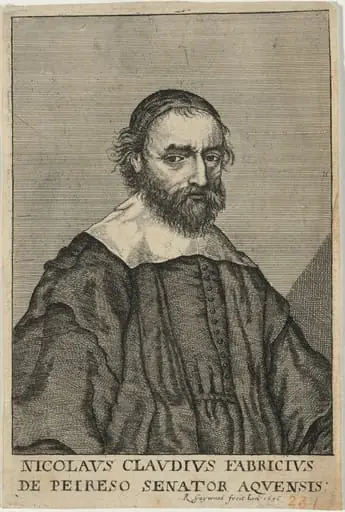 Nicholas Claude Fabri de Peireso, French Antiquary
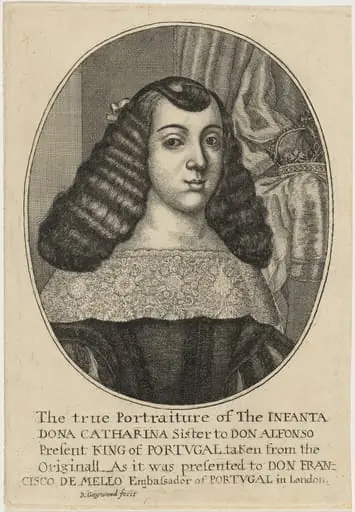 Catherine of Braganza
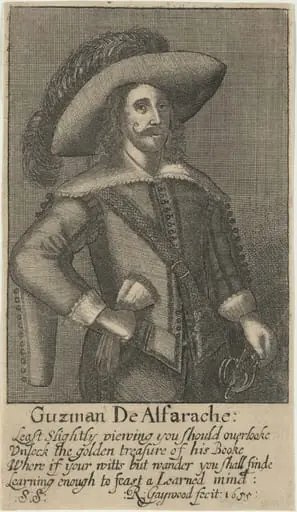 Guzman de Alfarache
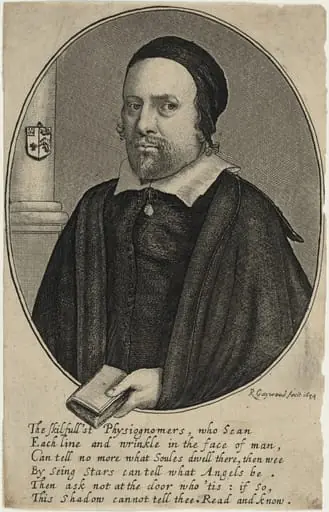 Samuel Clarke, Minister
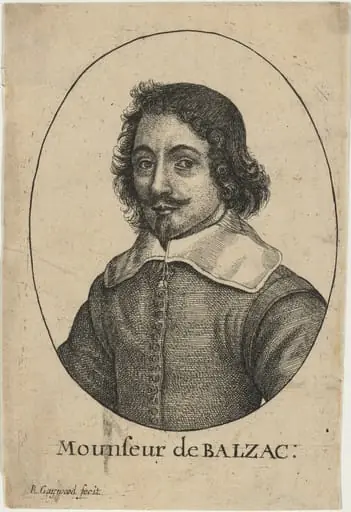 Jean Louis Guez, Sieur de Balzac
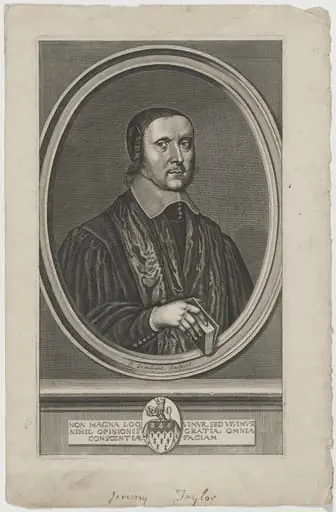 Jeremy Taylor, Bishop of Down, Connor and Dromore
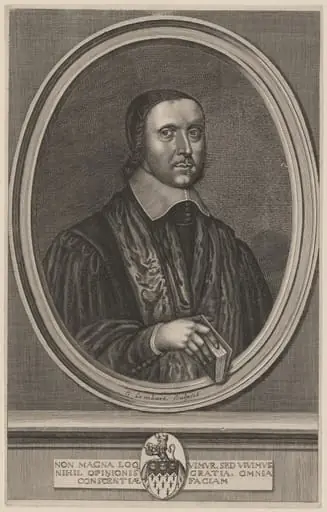 Jeremy Taylor, Bishop of Down, Connor and Dromore
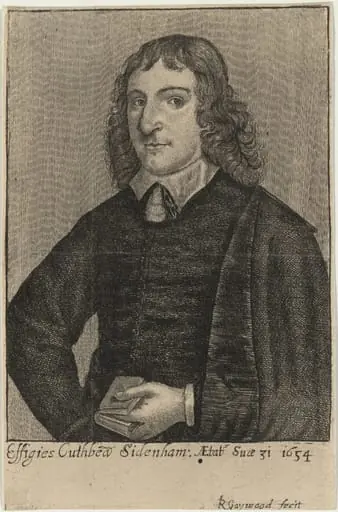 Cuthbert Sydenham
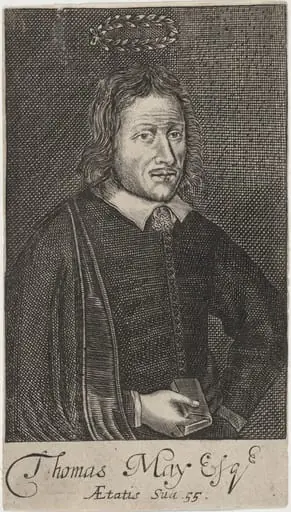 Thomas May, Poet and Historian
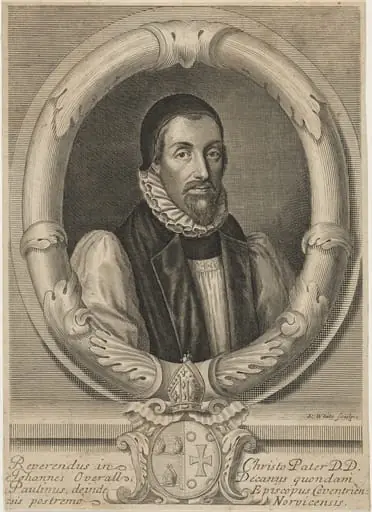 John Overall, D.D., Bishop of Norwich
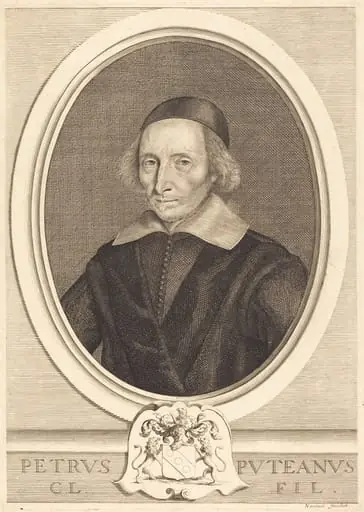 Pierre Dupuy
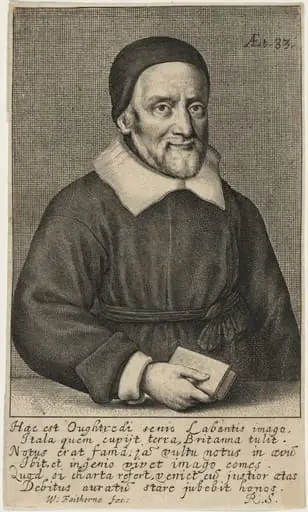 William Oughtred
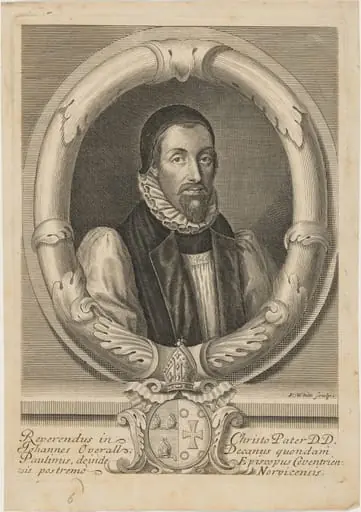 John Overall
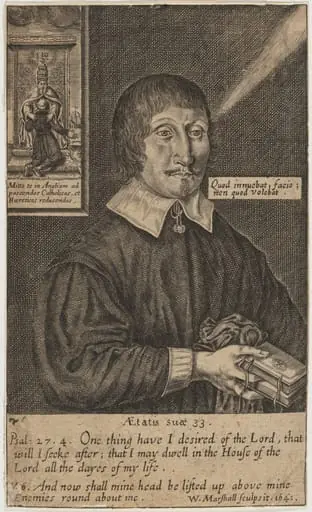 Richard Carpenter
 Jean-François Bagni