Artwork
Princess Elizabeth, Second Daughter of Charles I
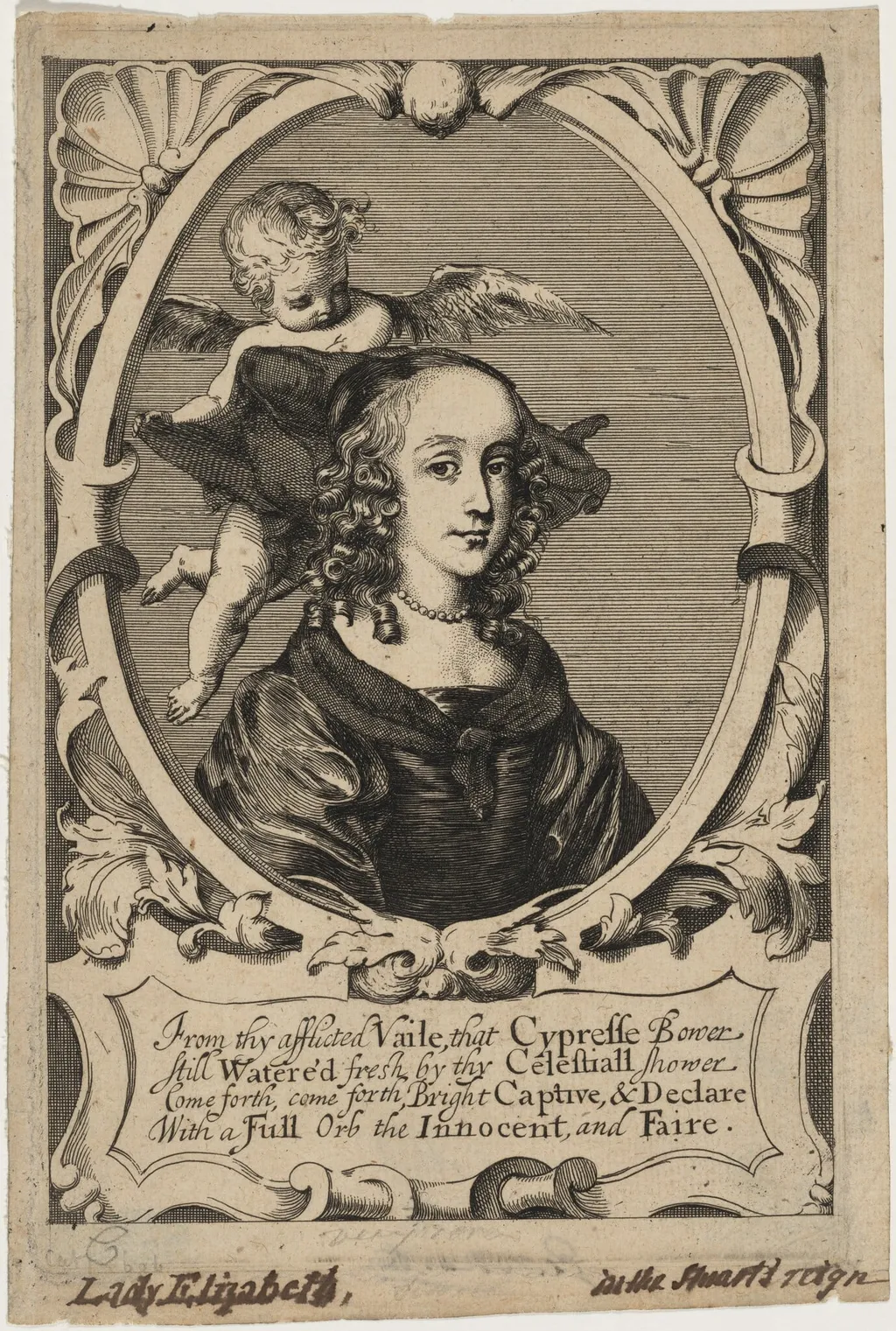
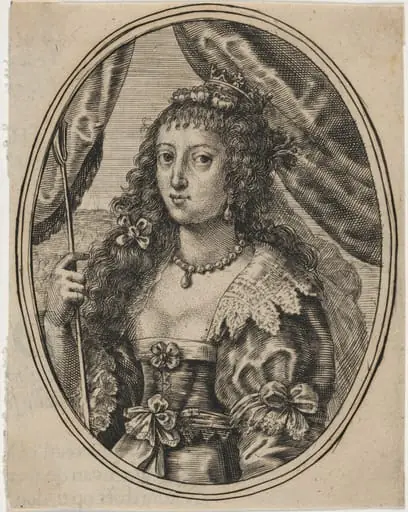
Princess Elizabeth, Second Daughter of Charles I is an ink print by the Baroque artist Robert Gaywood. It dates from 1655 and is held in the collection of the National Gallery of Art.
About this work
Overview
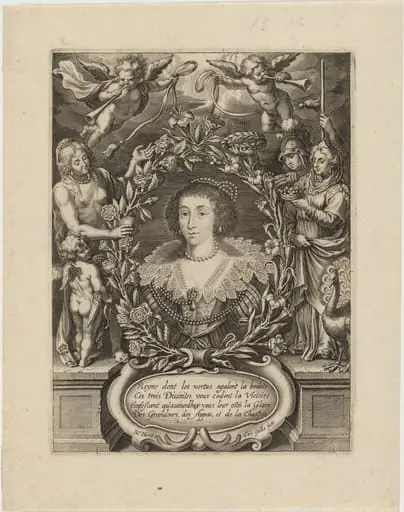
Robert Gaywood’s 1655 etching presents Princess Elizabeth, the second daughter of King Charles I, in a composed, solemn pose. The portrait is framed by an ornamental border of scrolling foliage and floral motifs, while a cherubic figure bearing a leafy wreath hovers above her head. A short poem runs along the lower edge, adding a literary element to the visual composition.
Subject & Meaning
The work captures Elizabeth at a youthful age, emphasizing her aristocratic status through the inclusion of a pearl necklace and refined attire. The calm expression and the presence of the cherub suggest virtues of innocence and piety, aligning the princess with contemporary ideals of noble femininity and royal propriety.
Technique & Style
Gaywood employed the traditional etching process, incising fine lines into a copper plate with a needle before immersing it in acid to deepen the grooves. Ink was then forced into these lines, and the plate was pressed onto paper, yielding delicate shading and intricate detail, particularly evident in the intricate border and the soft rendering of hair and fabric.
History & Provenance
Created during the Interregnum, the print reflects continued interest in the royal family despite the political upheaval following Charles I’s execution. While the original plate’s whereabouts are unknown, surviving impressions have appeared in several 17th‑century print collections, indicating the image’s circulation among collectors of courtly portraiture.
Context
The portrait belongs to a broader tradition of royal portrait prints that served both commemorative and propagandistic purposes. By depicting Elizabeth with symbolic elements such as the cherub and the poetic inscription, the image reinforces the legitimacy and continuity of the Stuart lineage during a period of monarchical uncertainty.
Artist & collection

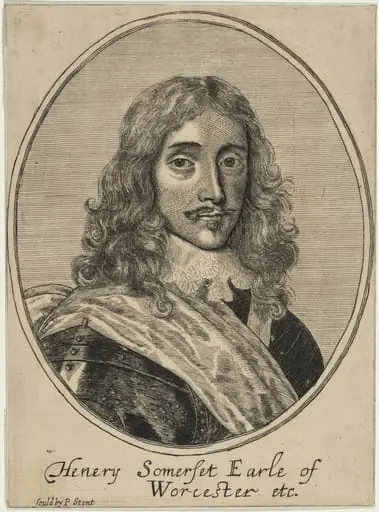 Henry Somerset, Earl of Worcester, First Dukeof Beaufort
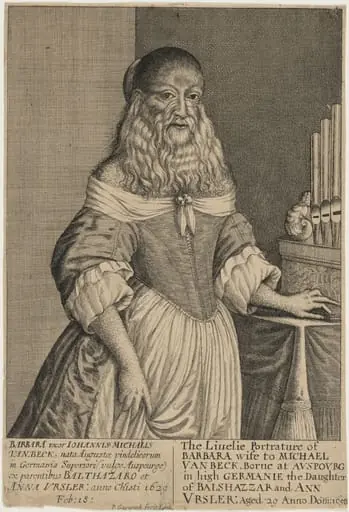 Barbara Van Beck, the Bearded Lady
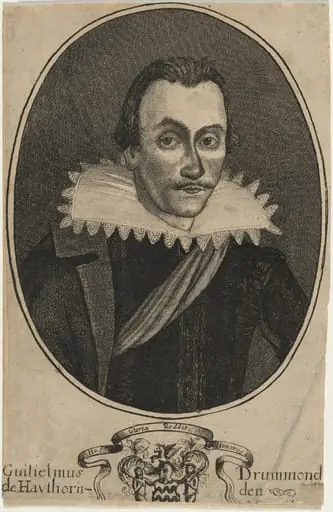 William Drummond of Hawthornden, Historian and Poet
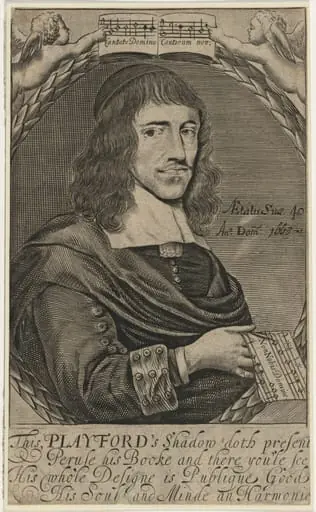 John Playford, Musician and Music Publisher
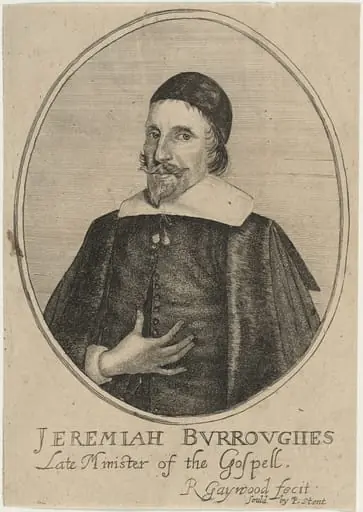 Jeremiah Burroughes, Puritan Divine
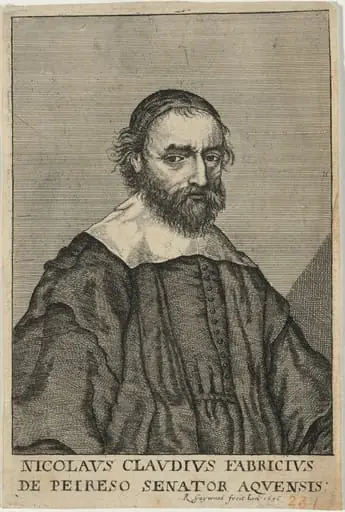 Nicholas Claude Fabri de Peireso, French Antiquary
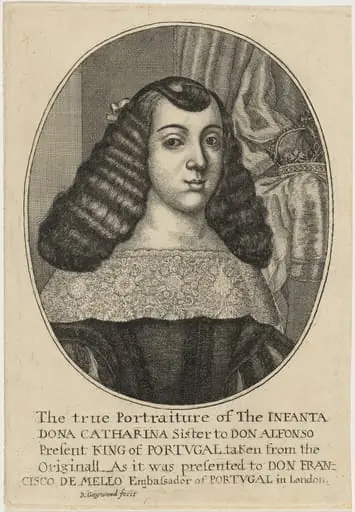 Catherine of Braganza
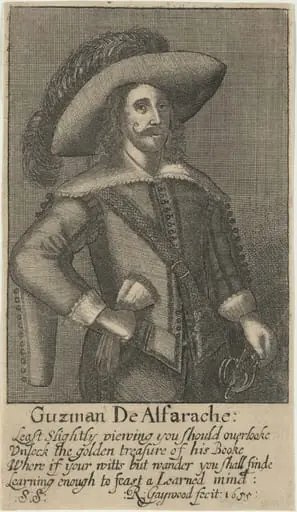 Guzman de Alfarache