Artwork
Gabrielle Charlotte Patin
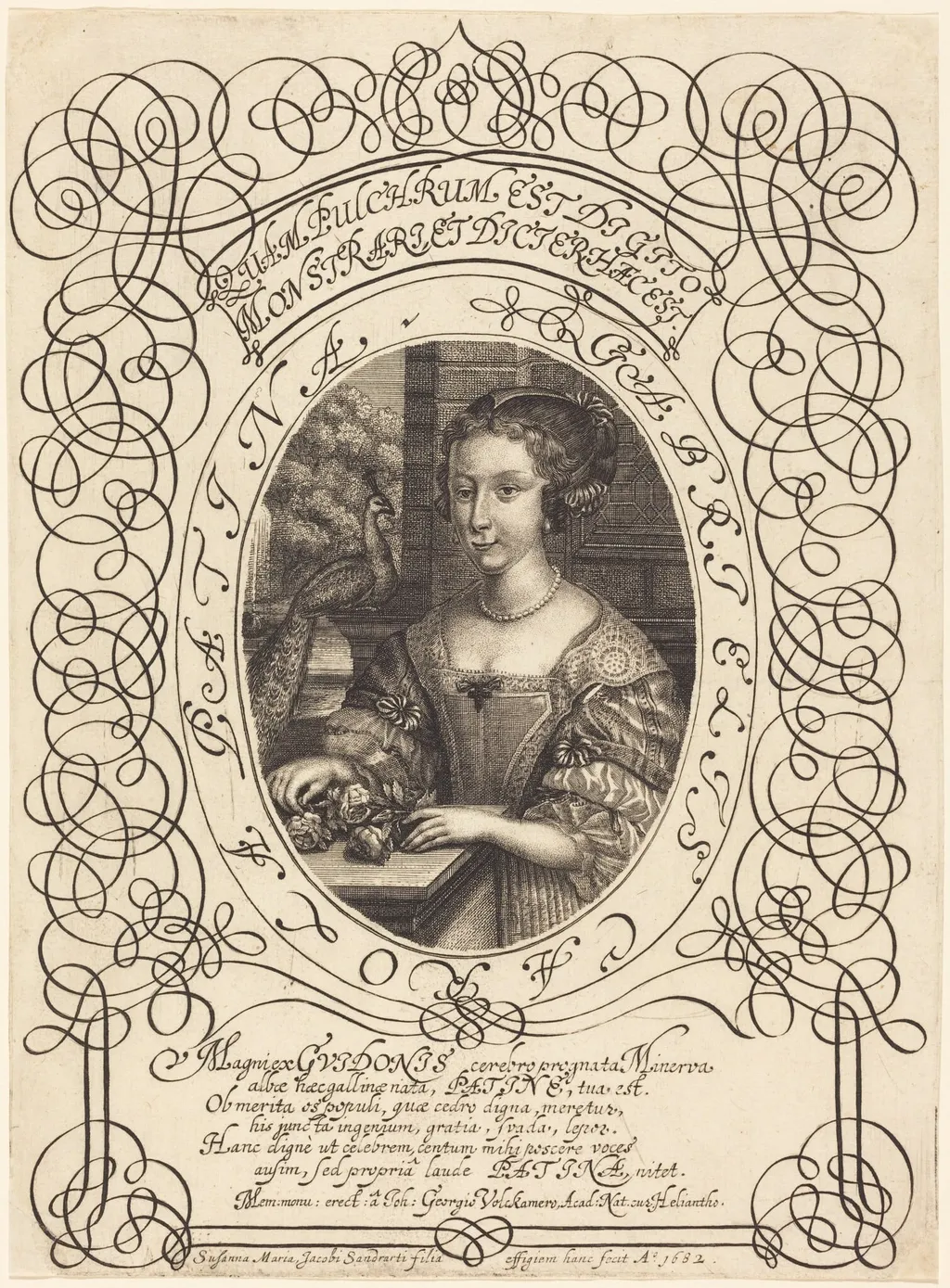
Gabrielle Charlotte Patin is an ink print by the Baroque artist Susanne Maria von Sandrart. It dates from 1682 and is held in the collection of the National Gallery of Art.
About this work
If you're interested in learning more about the techniques used in this engraving, you might want to explore the technique of cross-hatching.
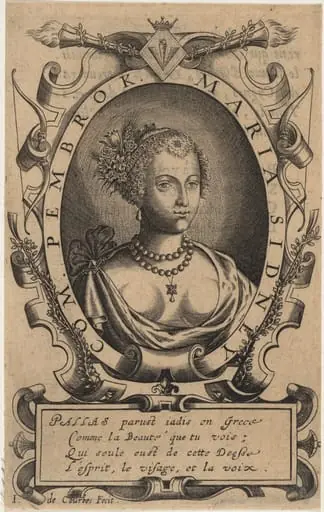
This image is an engraving on laid paper, created by Susanne Maria von Sandrart in 1682. It features a woman, Gabrielle Charlotte Patin, in a dress with a pearl necklace and a flower in her hair. She is holding a bouquet of flowers and appears to be in a room with a wall behind her.
The engraving is done in a style that was popular during the Baroque period, with intricate details and textures. The use of cross-hatching creates a sense of depth and dimensionality in the image.
If you're interested in learning more about the techniques used in this engraving, you might want to explore the technique of cross-hatching.
Overview
This 1682 engraving on laid paper depicts Gabrielle Charlotte Patin, a woman of documented social standing, rendered by Susanne Maria von Sandrart. The work belongs to a tradition of portraiture in print that circulated likenesses among elite circles in late 17th-century Germany. Its medium—engraving on handmade paper—reflects the technical precision valued in artistic reproduction at the time.
Subject & Meaning
Gabrielle Charlotte Patin is portrayed with quiet dignity, adorned with a pearl necklace and a single bloom in her hair. She holds a small bouquet, a conventional symbol of virtue and transience. The composition avoids theatricality, emphasizing personal presence over narrative. The setting is minimal, suggesting an intimate domestic space, reinforcing the portrait’s focus on individual identity rather than status display.
Technique & Style
Susanne Maria von Sandrart employed fine cross-hatching to model form and suggest texture in fabric, hair, and skin. The lines are controlled and deliberate, creating subtle gradations of light and shadow. The use of laid paper, with its visible chain lines, adds a tactile quality to the surface. The style aligns with Northern European Baroque printmaking, prioritizing clarity and refined detail over dramatic flair.
History & Provenance
Created in 1682, the engraving likely served as a private commission or gift within Sandrart’s network of artists and patrons. Susanne, daughter of the painter Johann Georg von Sandrart, was active in Nuremberg’s artistic community. The work’s survival suggests it was preserved within familial or aristocratic collections, though its early ownership trail remains partially undocumented.
Context
In late 17th-century Germany, women artists were rare but not absent, particularly in printmaking. Sandrart operated within a male-dominated field, yet her training and family connections enabled her professional activity. Portraits like this one were part of a broader culture of engraved likenesses used to affirm social ties, often circulated among educated elites who valued artistic skill and personal commemoration.
Legacy
The engraving stands as a rare surviving example of female-authored portraiture from the period. It contributes to the recognition of women’s roles in print culture and challenges assumptions about artistic authorship in the Baroque era. While not widely reproduced, it remains a significant artifact in studies of gender, technique, and social representation in early modern German art.
Artist & collection


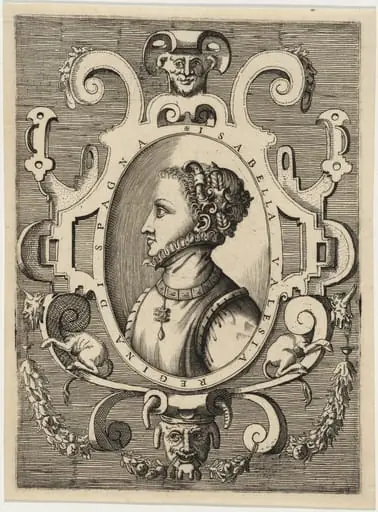 Isabella, Wife of Philip IV of Spain
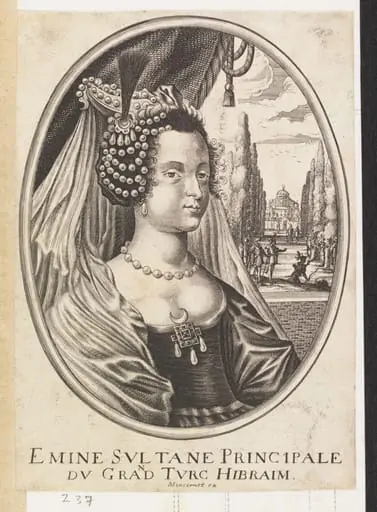 Turkish sultans, sultanas and other historical figures
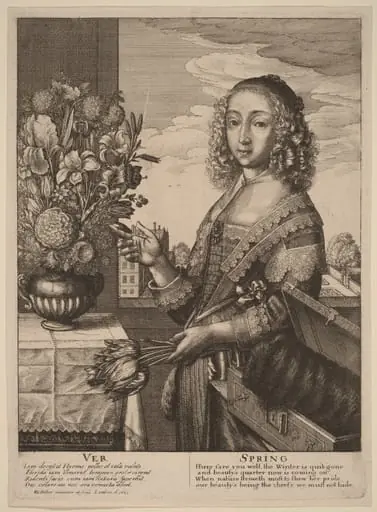 Spring
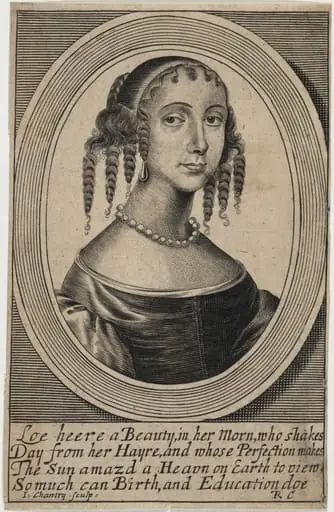 Lady Ferrers
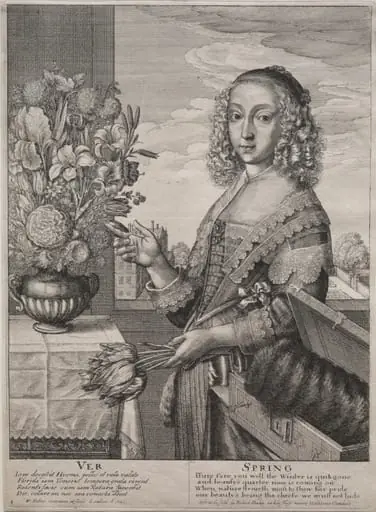 The Four Seasons: Spring
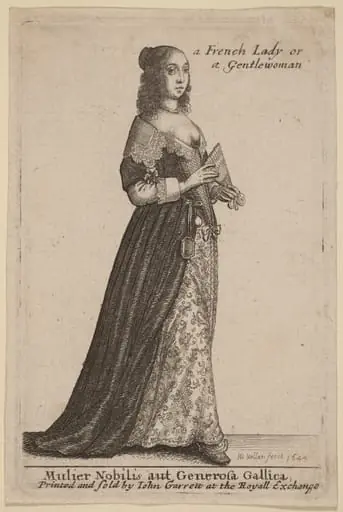 Mulier Nobilis aut Generosa Gallica
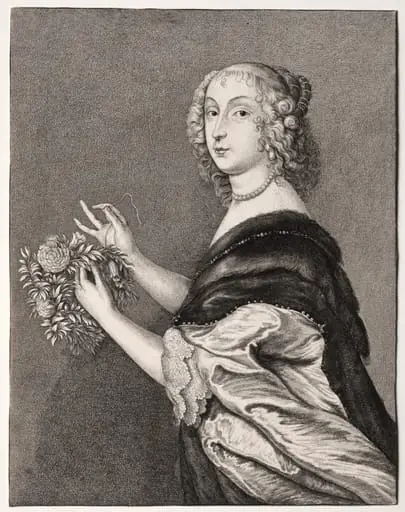 Cecilia, Lady Killigrew
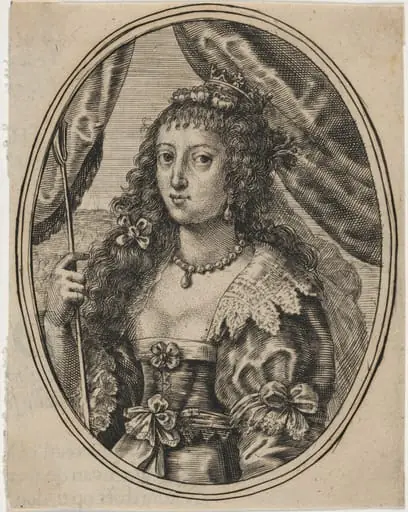 Elizabeth, Queen of Bohemia (?)
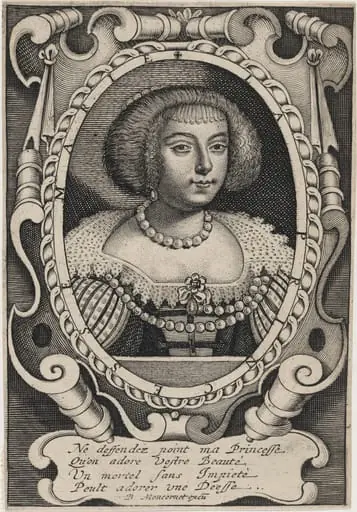 Henrietta Maria, Queen of Charles I
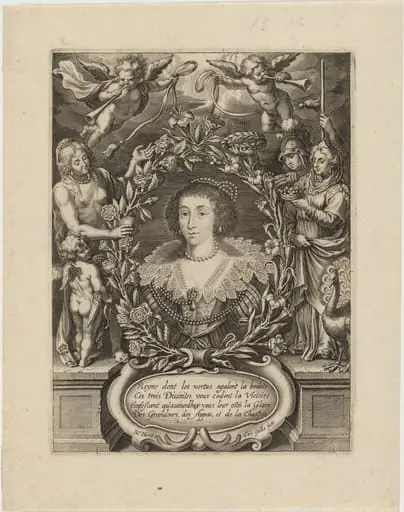 Henrietta Maria (?)
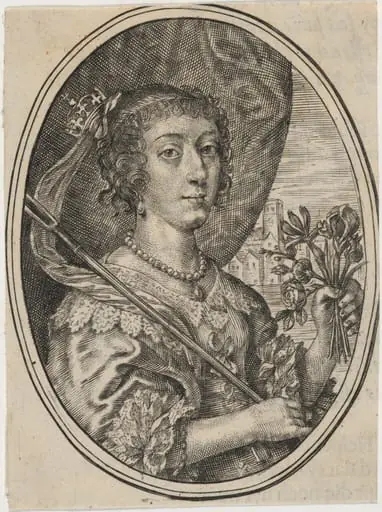 Henrietta Maria (?)
 Mary Sidney, Countess of Pembroke