Artwork
Eventail plié
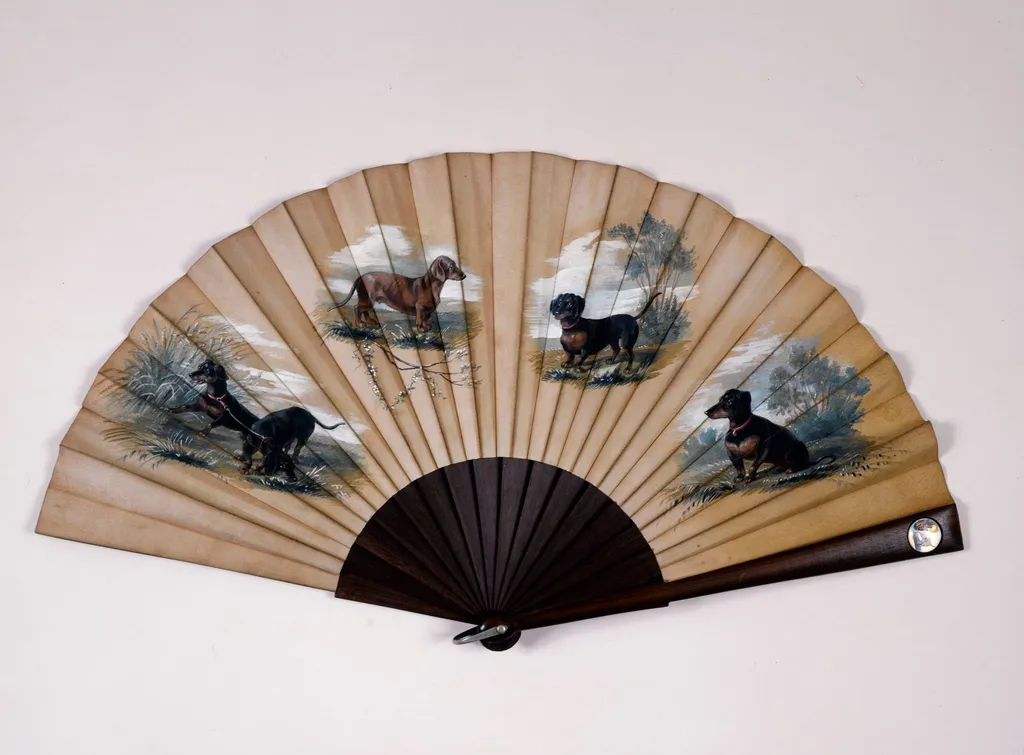
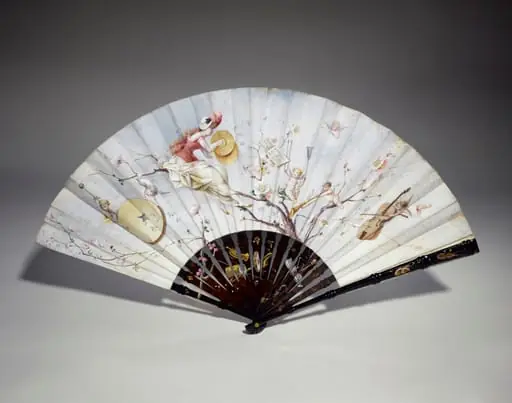
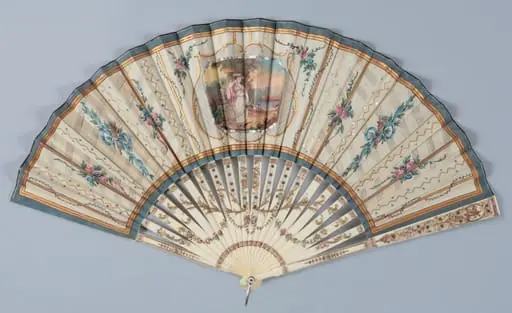
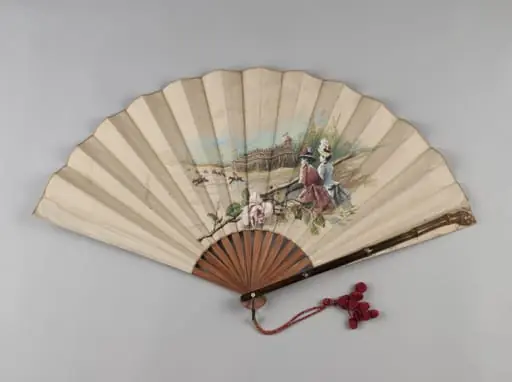
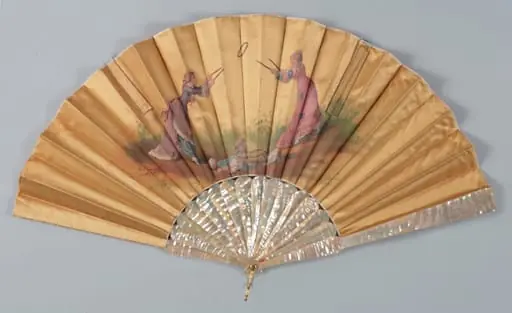
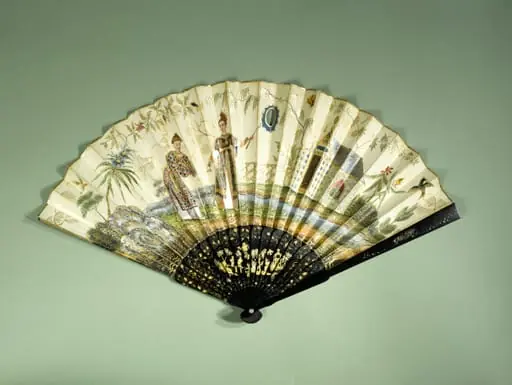
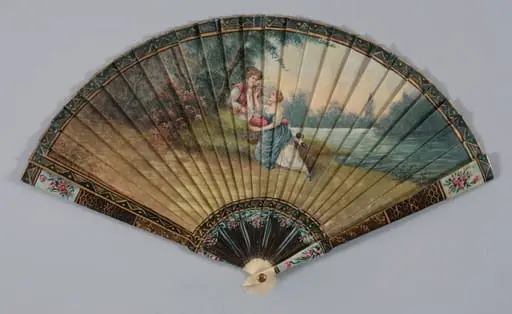
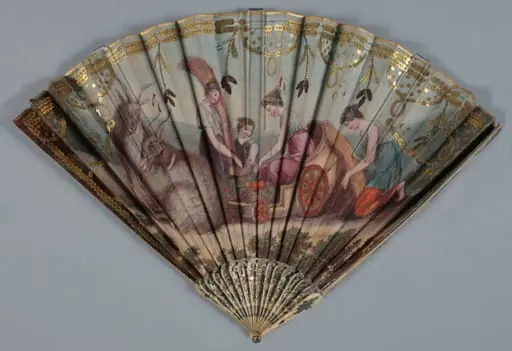
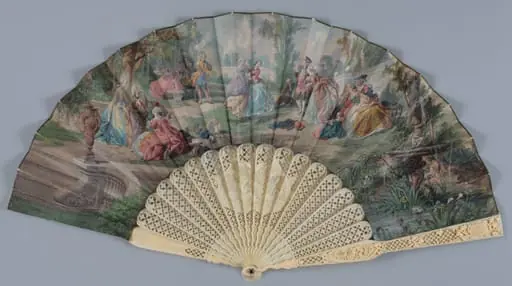
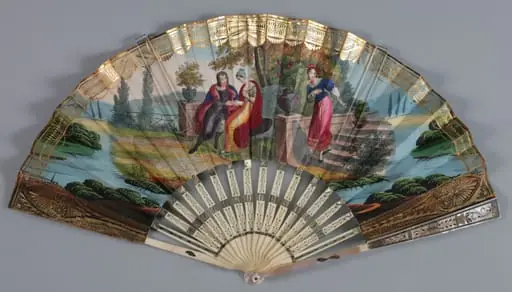
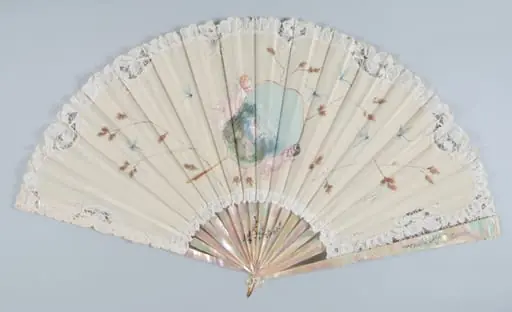
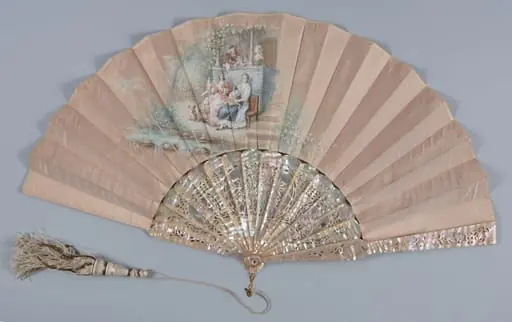
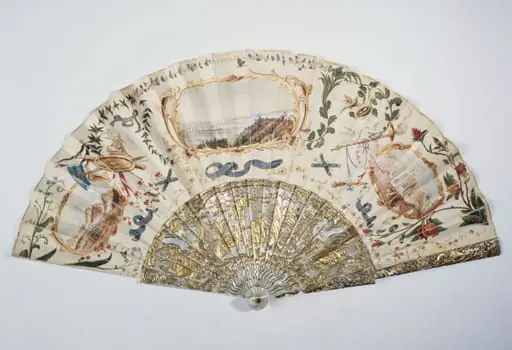
Eventail plié is an unspecified work on paper by Gebr. Rodeck Wien. It dates from 1882 and is held in the collection of the Palais Galliera - Musée de la Mode de la Ville de Paris.
About this work
Overview
The fan’s structure consists of thin, pleated paper mounted on a dark wooden handle, typical of decorative personal items from the late 19th century.
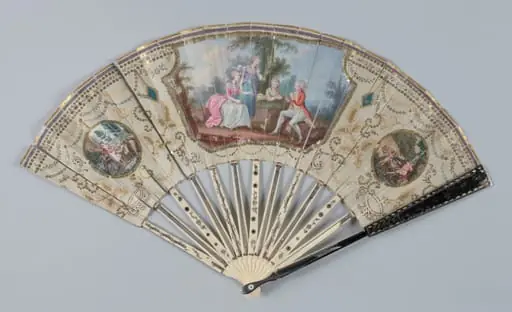
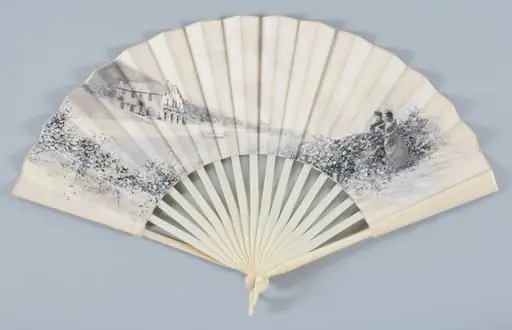
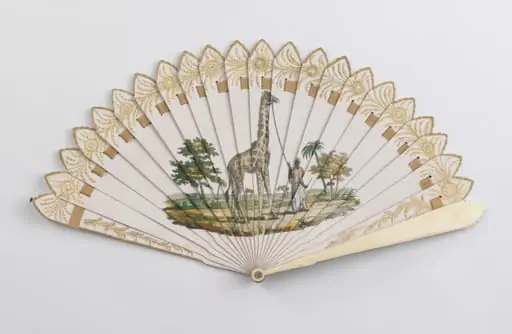
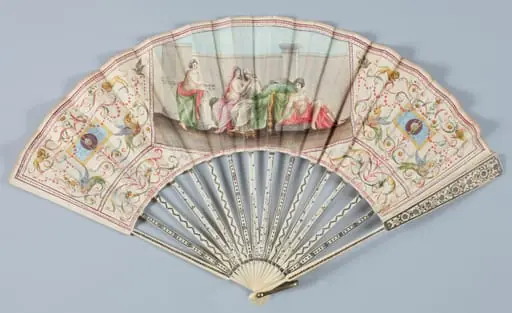
Eventail plié, created around 1882 by Gebr. Rodeck Wien, is a folded paper fan featuring four small watercolor panels. It is part of the Museum of Ethnography’s collection. The fan’s structure consists of thin, pleated paper mounted on a dark wooden handle, typical of decorative personal items from the late 19th century. Its modest scale and intimate detail suggest it was made for private, everyday use rather than public display.
Subject & Meaning
Each panel depicts a single dog in a quiet outdoor setting, seated or standing amid sparse vegetation and soft horizons. The animals appear unposed, their calm demeanor suggesting observation rather than performance. No human figures are present, focusing attention on the dogs as solitary companions. The scenes evoke domestic tranquility, possibly reflecting the owner’s personal connection to pets or an idealized view of rural life.
Technique & Style
The images are rendered in delicate watercolor with restrained tones—muted browns, greens, and pale blues—applied with light, even strokes. The background washes are subtle, allowing the dogs to emerge softly from the paper. There is no heavy outline or dramatic contrast; instead, the artist relies on tonal gradation and minimal detail to suggest form and space. This approach aligns with amateur watercolor traditions of the period, emphasizing quiet observation over technical flourish.
History & Provenance
Produced by Gebr. Rodeck Wien, a Viennese firm known for decorative arts, the fan likely originated as a commercial product for middle-class consumers. Its survival in a museum collection indicates it was preserved as a cultural artifact rather than used until wear. The absence of documented ownership prior to its museum acquisition suggests it entered the collection through broader ethnographic or decorative arts acquisitions of the late 19th or early 20th century.
Context
In late 19th-century Europe, hand-painted fans were common accessories among women of the middle and upper classes, serving both practical and ornamental roles. Domestic animals, especially dogs, were frequent subjects in such items, symbolizing loyalty and domestic harmony. This fan reflects a broader trend of nature-inspired, sentimental imagery in household objects, where art blurred the line between utility and personal expression.
Legacy
Eventail plié remains a quiet example of how everyday objects carried artistic expression in an era before mass reproduction. Its preservation in an ethnographic museum underscores the value placed on material culture as a record of social habits. While not attributed to a named artist, its craftsmanship offers insight into the aesthetic preferences and domestic life of its time, quietly anchoring personal sentiment in material form.
Artist & collection
Artist
Gebr. Rodeck Wien made delicate watercolor fans, folding them like small stages for quiet scenes. Their Eventail plié shows a Parisian balcony draped in ivy, the city’s rooftops blurred behind lace curtains—each fold of…
Museum
Palais Galliera - Musée de la Mode de la Ville de Paris
Continue through works from the same source collection.