Artwork
Peckham Rye
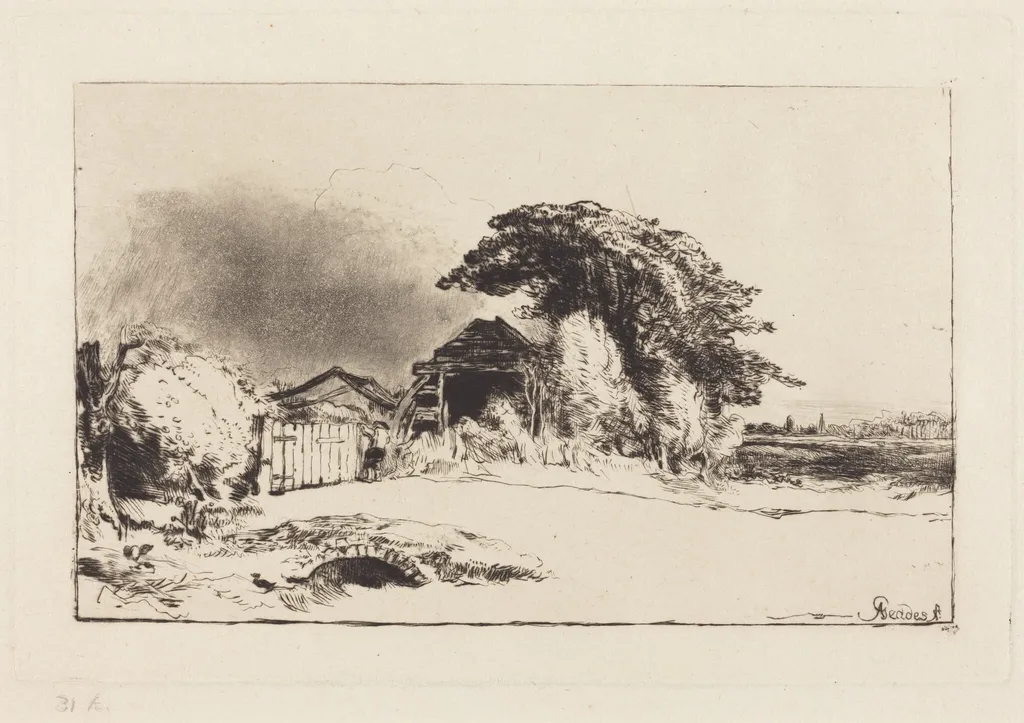
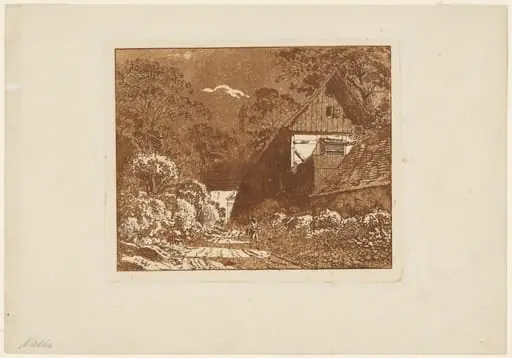
Peckham Rye is an ink print by the Romanticist artist Andrew Geddes. It dates from 1826 and is held in the collection of the National Gallery of Art.
About this work
Overview
Andrew Geddes’s 1826 print, titled Peck Rye, presents a tranquil rural landscape rendered in drypoint combined with aquatint. The composition centers on a modest watercourse edged with rocks and shrubbery, while a solitary tree dominates the right side and a distant structure recedes into a muted, overcast sky.
Subject & Meaning
The scene captures a quiet moment in the English countryside, emphasizing the interplay between natural elements and human habitation. The solitary tree and the modest building suggest a balance between solitude and community, resonating with Romantic ideals that valorize the emotional resonance of nature.
Technique & Style
Geddes employed drypoint to incise fine lines, then applied aquatint to achieve broad tonal washes that convey atmospheric depth. The extensive shading and textural variation create a sense of mist and distance, hallmarks of Romantic landscape representation.
History & Provenance
Created in 1826, the print reflects Geddes’s early career as a Scottish draughtsman who later turned to illustration. While specific ownership records are limited, the work has been catalogued among his early prints that illustrate his engagement with Romantic visual themes.
Context
Peck Rye belongs to the broader Romantic movement of the early nineteenth century, which prioritized emotional response to nature over strict academic realism. The muted palette and emphasis on mood align the piece with contemporary works by artists such as Turner and Girtin, who also explored atmospheric effects in landscape.
Own this work as a print
Artist & collection
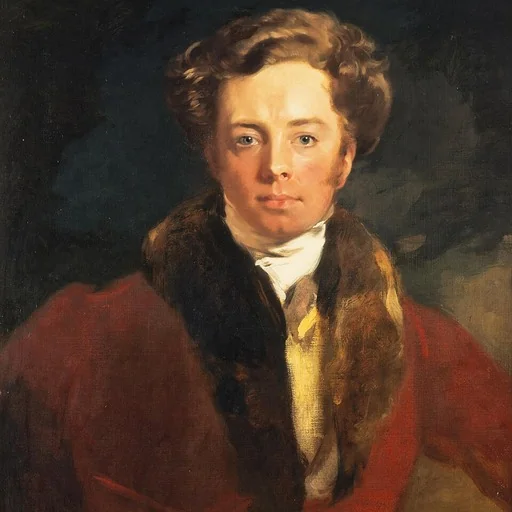

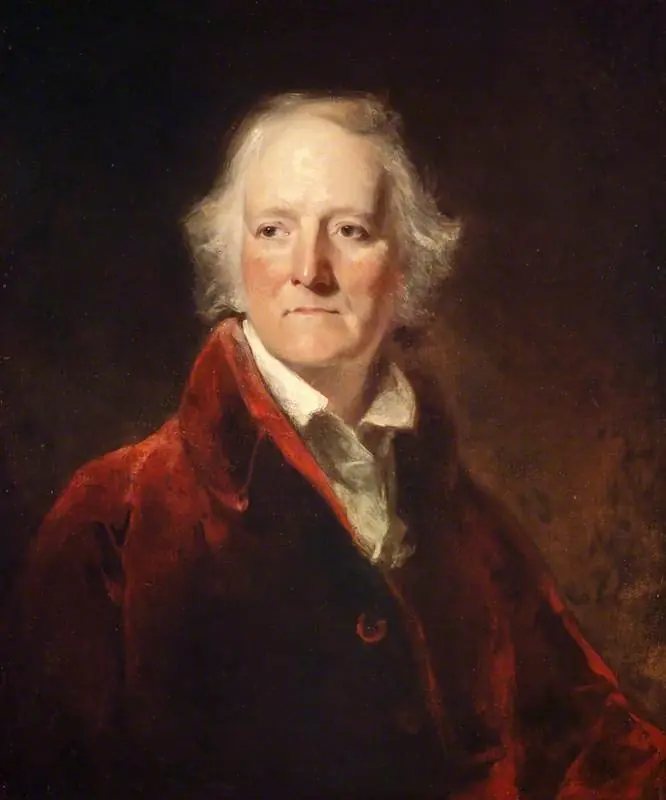 Archibald Skirving (1749 - 1819)
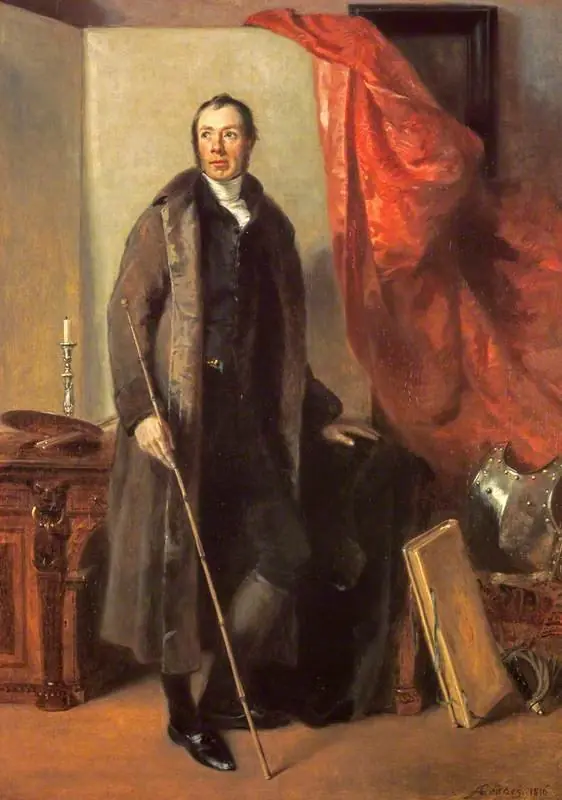 George Sanders (1774 - 1846)
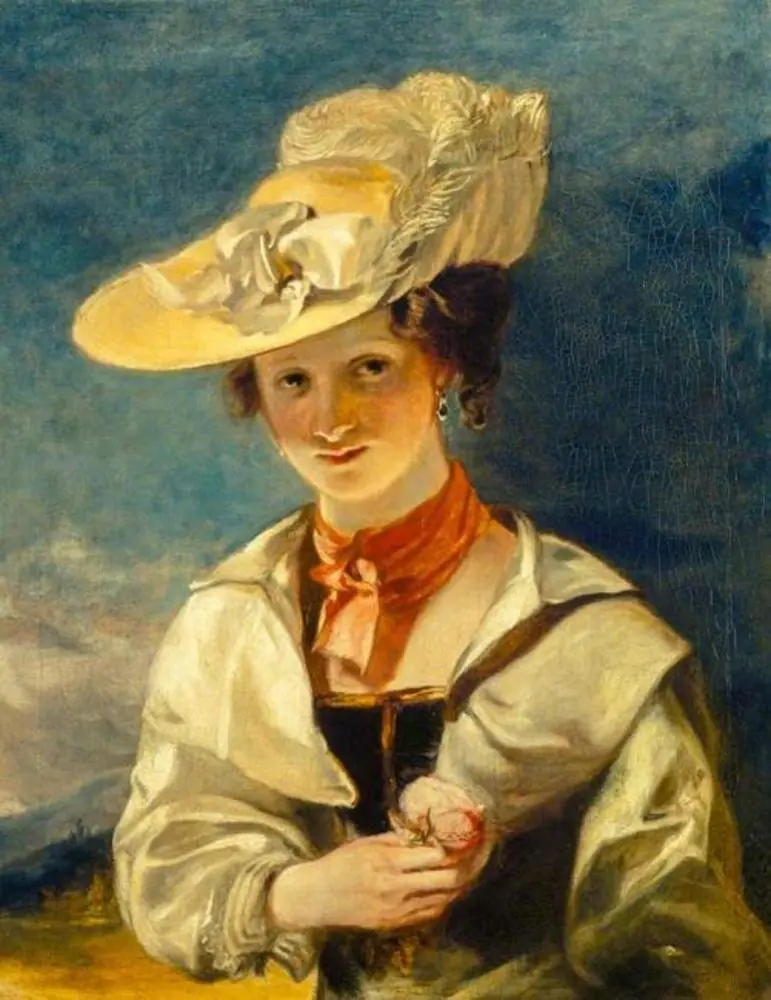 Summer
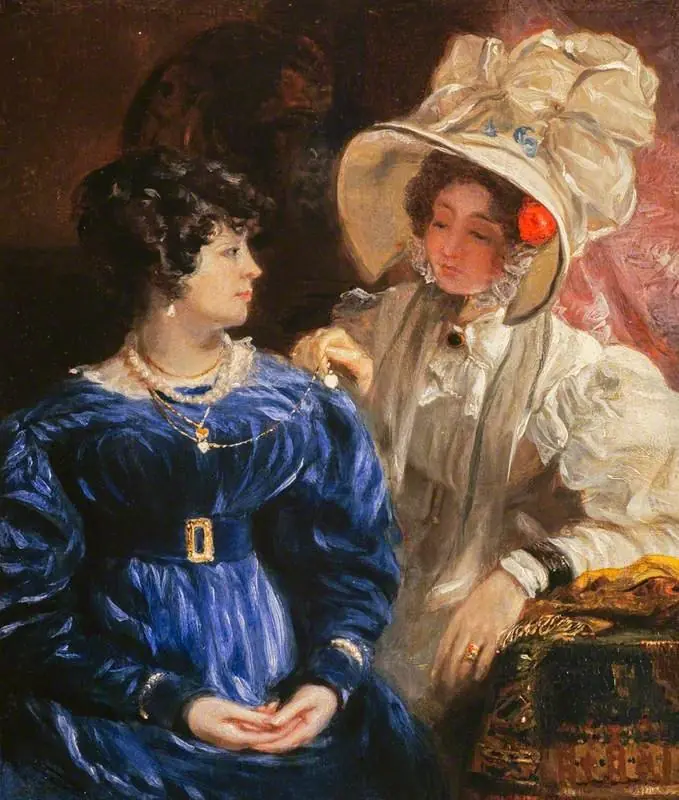 Portrait of Two Women (possibly Adela Geddes (1791-1881), the Artist's Wife, and a Friend)
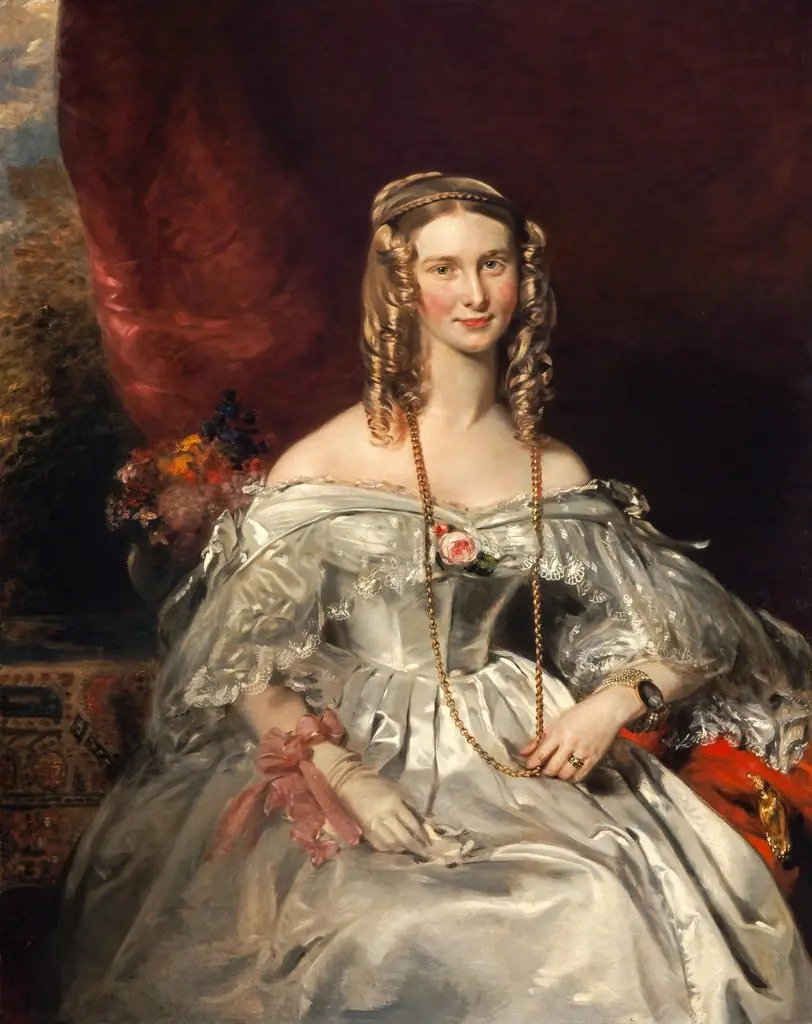 Hannah Fry, Mrs Harris Prendergast (1814 - 1859)
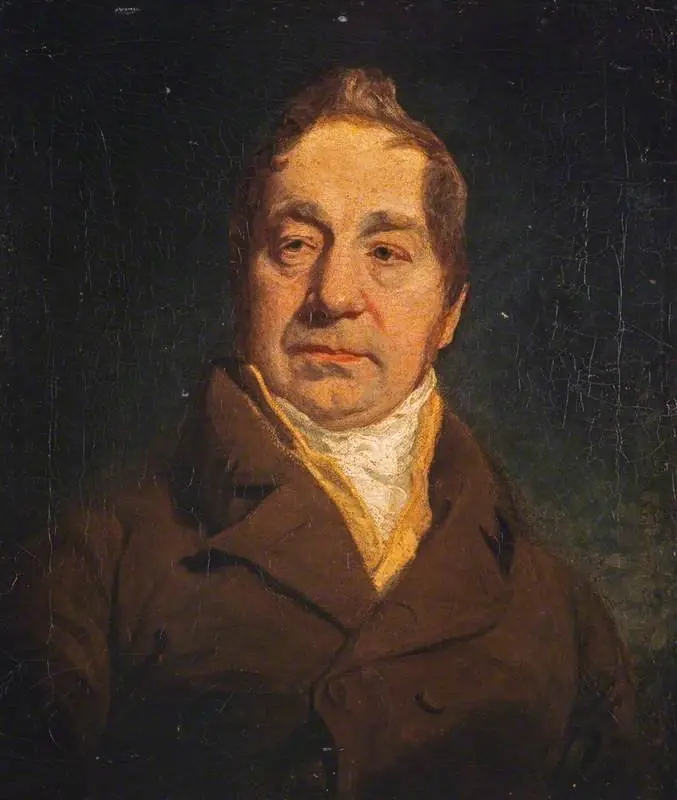 Portrait of a Man
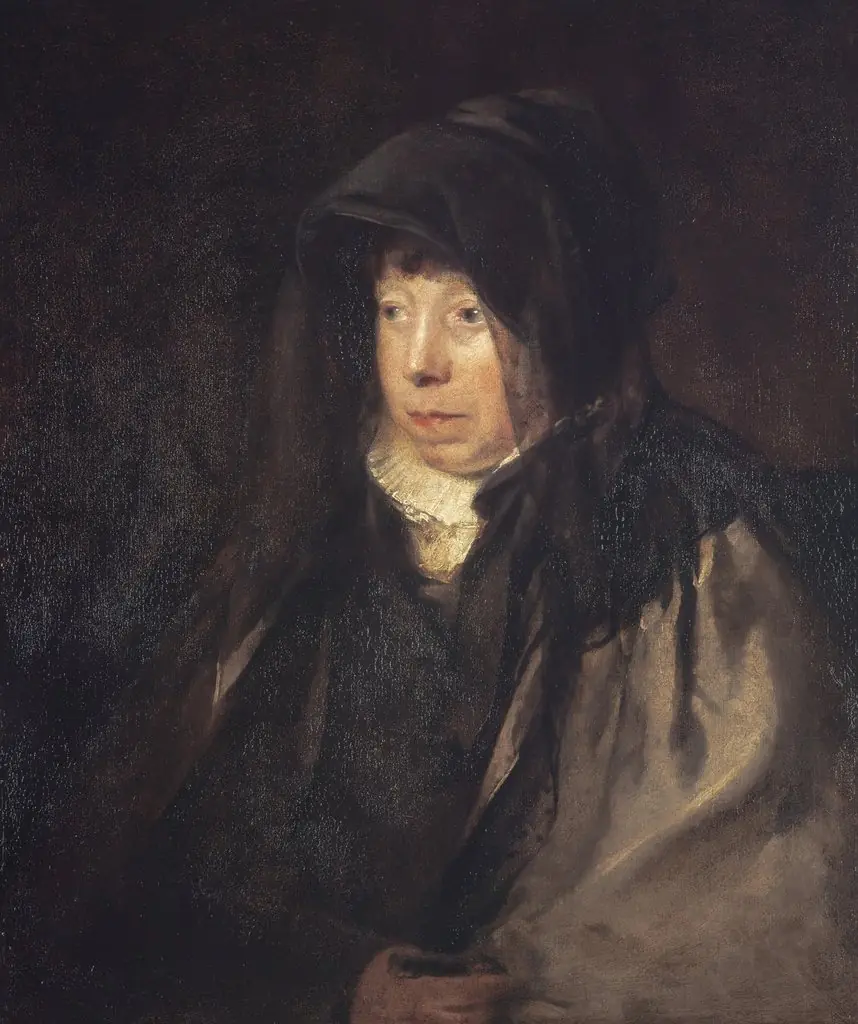 The Artist's Mother (Agnes Boyd, Mrs David Geddes, 1760 / 1761 - 1828)
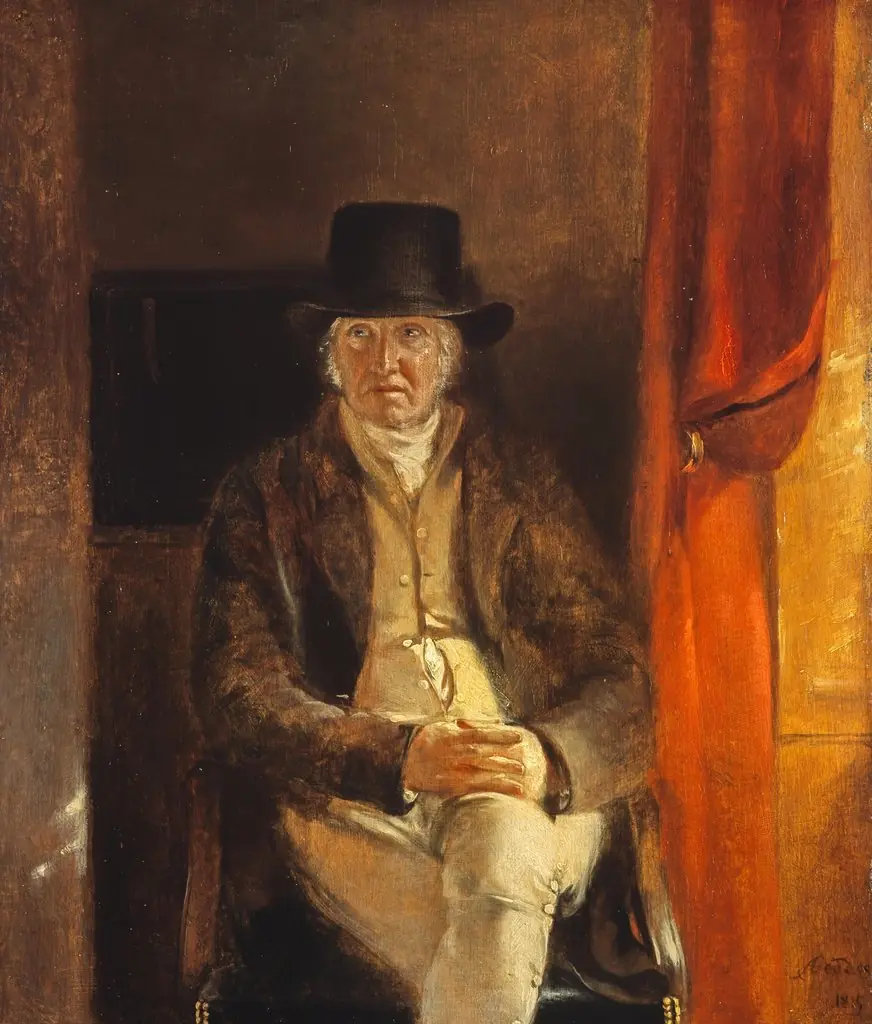 Andrew Plimer (1763 - 1837)
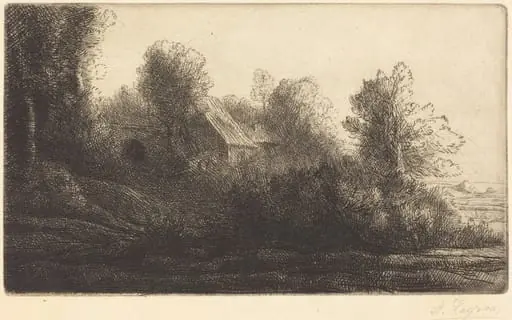 View of a Farm, 2nd plate (La ferme de Bienheureux)
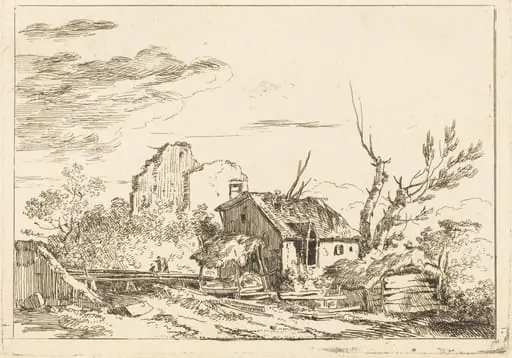 Hovel at the Bridge
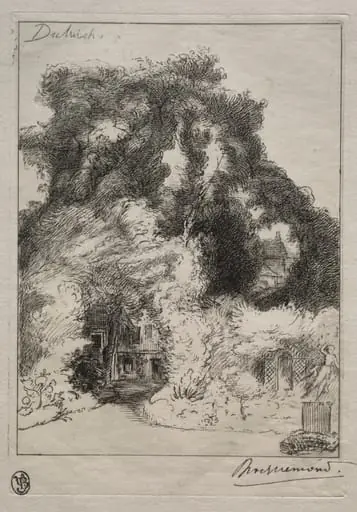 The Garden of the Inn at Dulwich
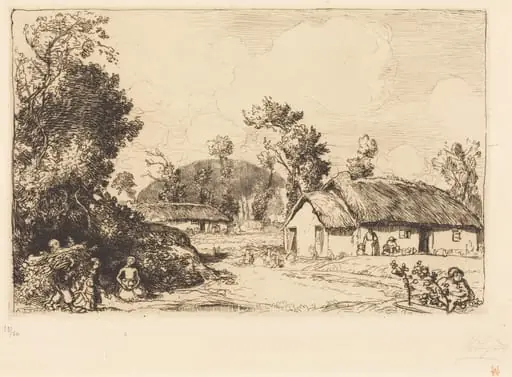 Pastime of Rest, Vendee (Le jeu du reposoir, Vendee)
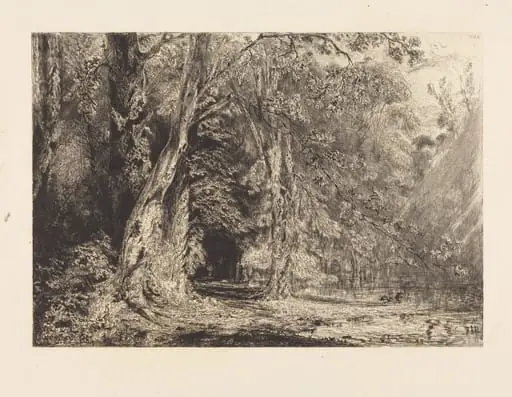 Flooding in the Forest of the Ile Séguin
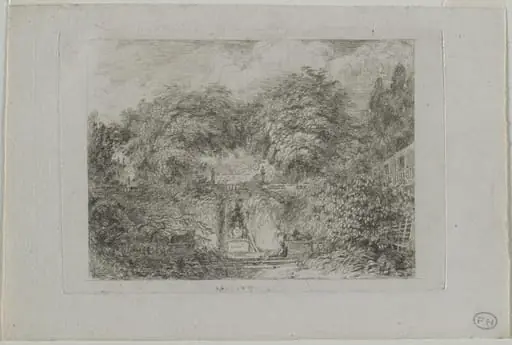 The Little Park
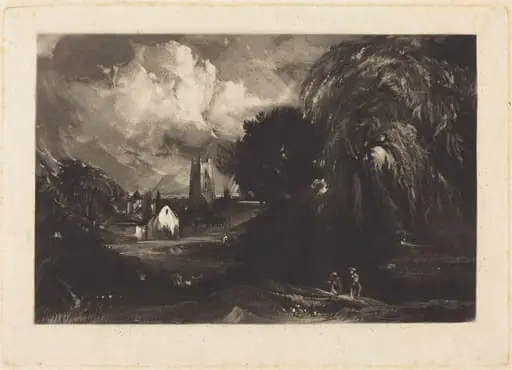 Stoke-by-Neyland
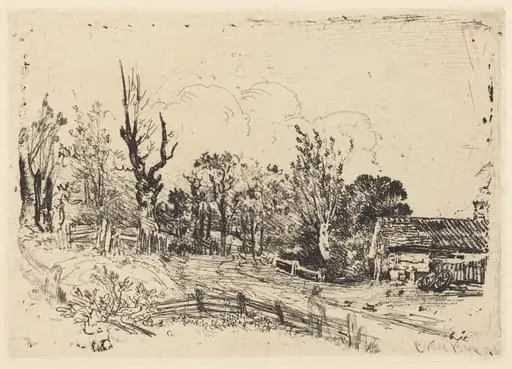 Road with a Farmhouse on the Right
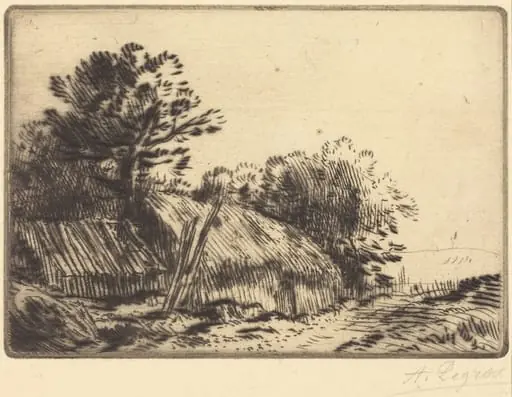 Rustic Scene (Scene rustique)
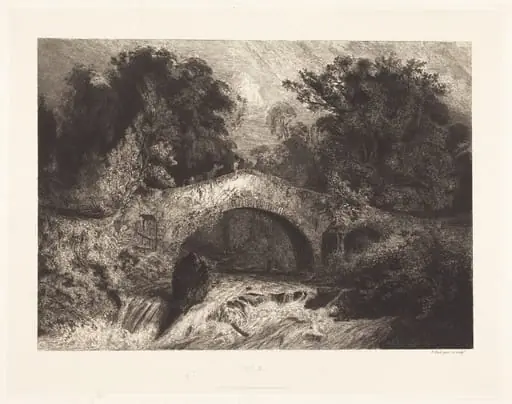 A Bridge in Auvergne (Un pont en Auvergne)
 The Village Street
 The Cottages