Artwork
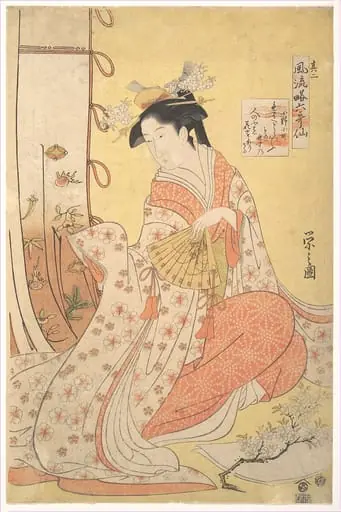
源琦 梅下美人図|Chinese Beauty Beside a Plum Tree, leaf from the album “A Contest of Beauties from the Near and Distant Past” (Chūko shomeika bijin kurabe)
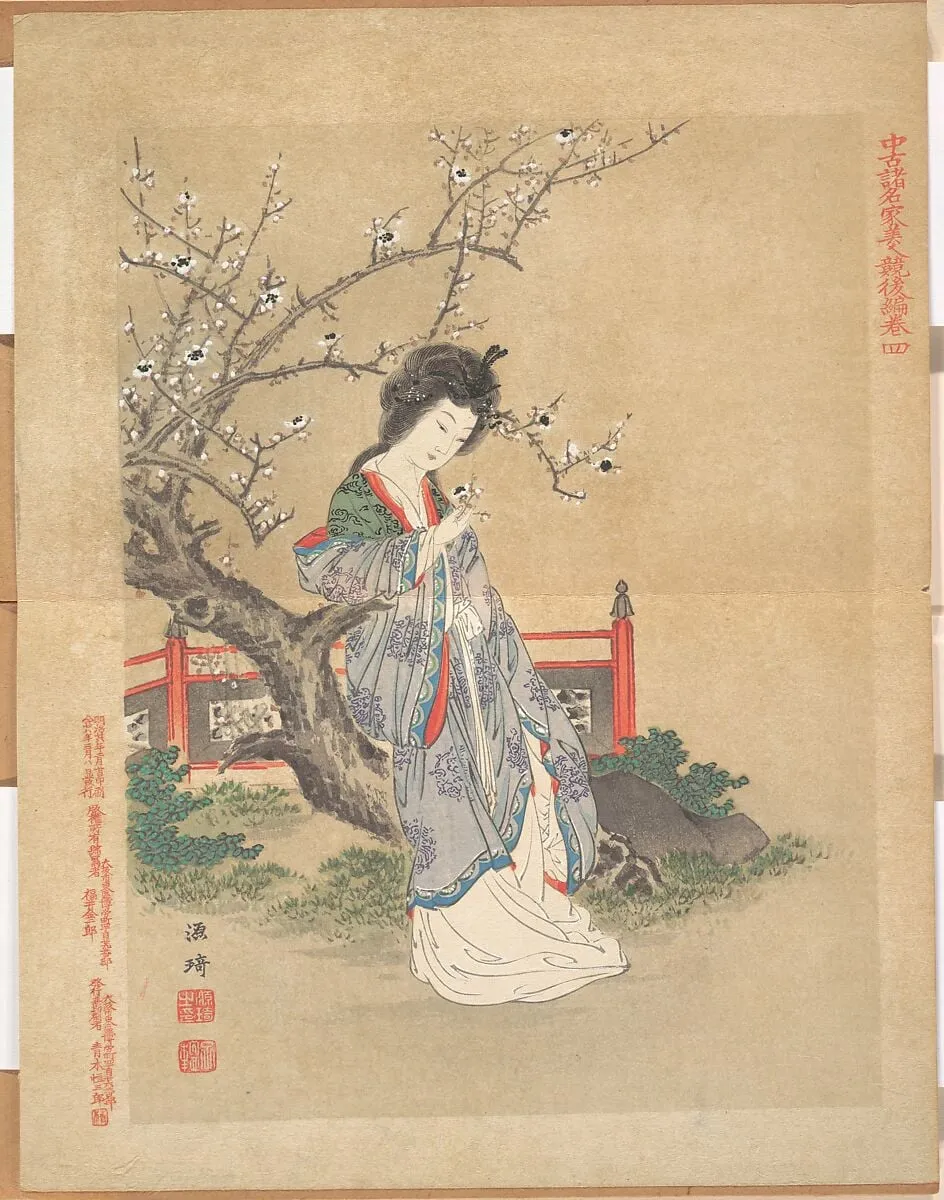
源琦 梅下美人図|Chinese Beauty Beside a Plum Tree, leaf from the album “A Contest of Beauties from the Near and Distant Past” (Chūko shomeika bijin kurabe) is an ink print by the Impressionist artist Genki. It is held in the collection of the Metropolitan Museum of Art.
About this work
Overview
Created in 1895 by the artist Genki, this woodblock print is one of twelve leaves from the album 'A Contest of Beauties from the Near and Distant Past.
Created in 1895 by the artist Genki, this woodblock print is one of twelve leaves from the album 'A Contest of Beauties from the Near and Distant Past.' It depicts a Chinese woman in a vividly striped robe, standing beside a plum tree in early bloom. The work exemplifies late 19th-century Japanese printmaking, blending traditional themes with refined technical execution. It is part of the collection at The Metropolitan Museum of Art.
Subject & Meaning
The figure, a refined woman of Chinese origin, is shown in quiet contemplation, cradling a branch of plum blossoms. The plum tree, a symbol of resilience and renewal in East Asian culture, contrasts with her stillness, suggesting inner grace amid seasonal change. The red gate and garden elements frame her as a figure of elegance, evoking literary and poetic ideals of feminine beauty across time and borders.
Technique & Style
The print uses fine, deliberate lines to render the tree’s branches, resembling embroidery or stitching, while soft color gradations define the robe’s stripes and the garden’s foliage. Cross-hatching creates subtle shadows, enhancing depth without heavy ink. Colors remain restrained yet luminous—crimson and indigo stand out against pale paper, reflecting the ukiyo-e tradition’s emphasis on harmony between form and tone.
History & Provenance
The print was produced as part of a curated album commissioned to celebrate historical and contemporary beauties, blending Chinese and Japanese aesthetic references. It entered The Metropolitan Museum of Art’s collection through documented acquisition, likely in the early 20th century, as part of broader interest in Japanese prints among Western collectors and institutions.
Context
In the 1890s, Japanese artists revisited classical themes to respond to modernization and Western influence. Genki’s album, with its focus on beauty across eras and cultures, reflects a nostalgic engagement with literary traditions. The choice of a Chinese subject, rendered in Japanese print style, underscores the fluid cultural exchanges within East Asia during this period.
Legacy
Though Genki is less widely known than his contemporaries, this print contributes to the understanding of late Meiji-era printmaking’s intellectual depth. The album’s thematic structure influenced later collections that treated beauty as a historical dialogue. Its preservation in major institutions ensures continued study of how identity, gender, and tradition were visually negotiated in print culture.
Artist & collection


 Untitled
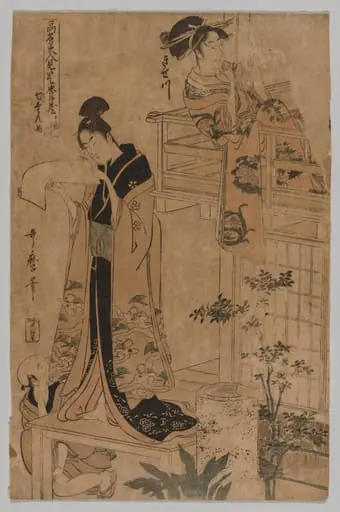 Act VII from the series The Storehouse of Loyal Retainers As Portrayed by Famous Beauties in Twelve Leaves
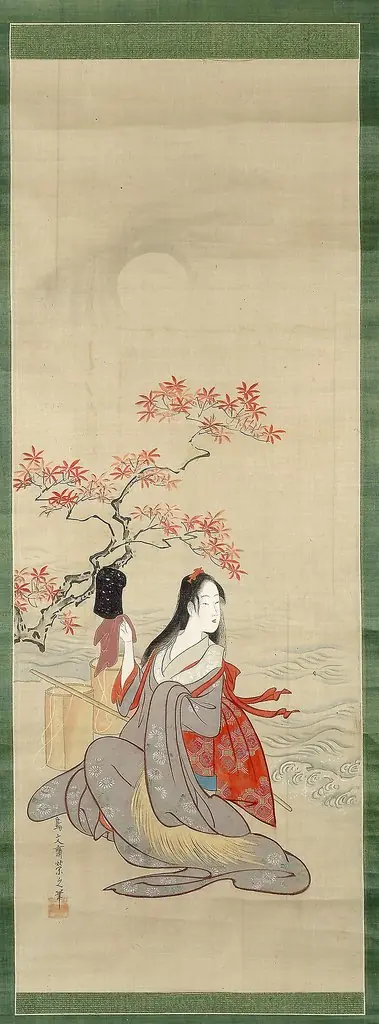 The Salt Maidens, Murasame with Yukihira's Hat
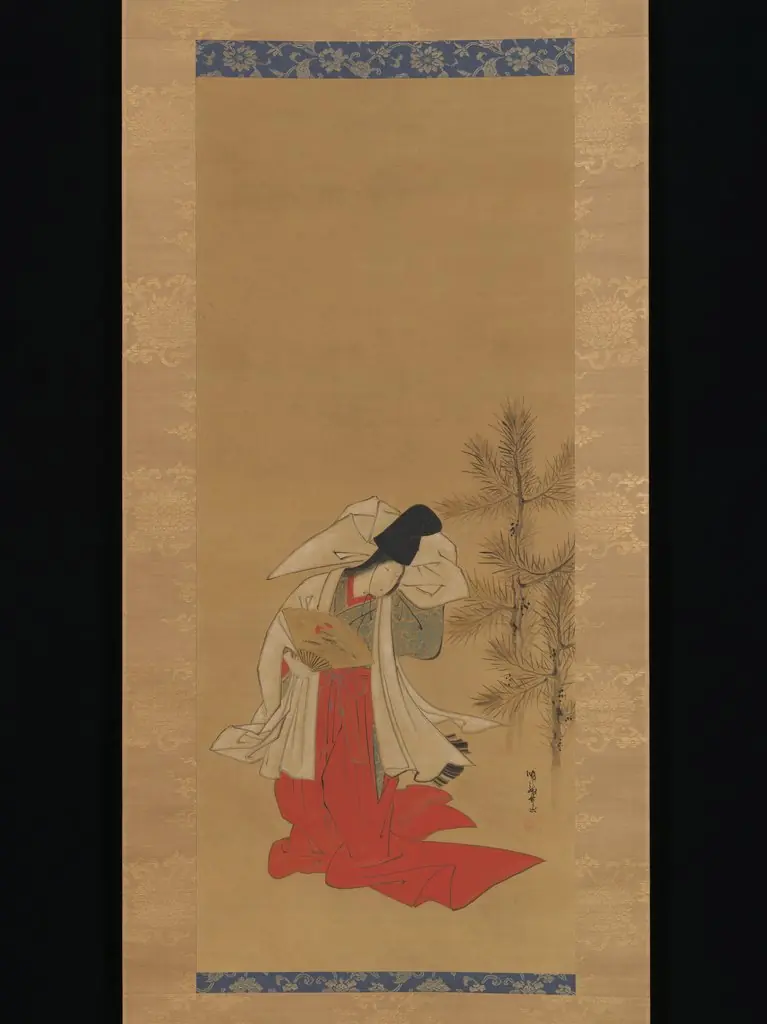 Courtesan-Dancer (Shirabyōshi) for the New Year
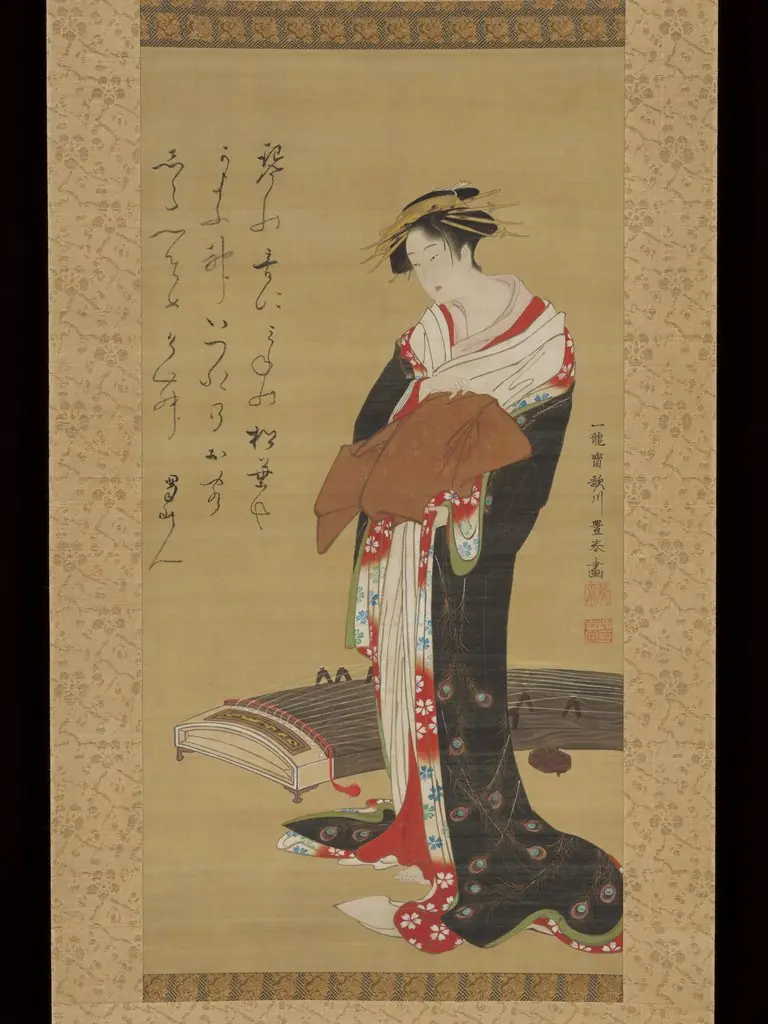 Female Entertainer with a Koto
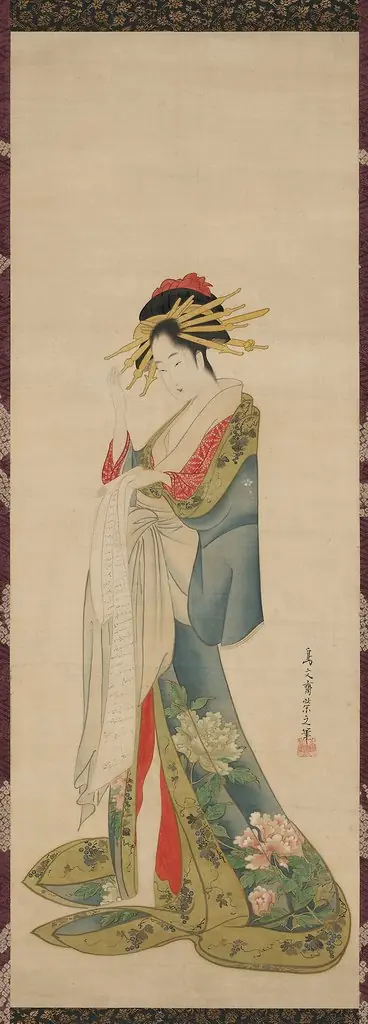 A Courtesan Reading a Letter
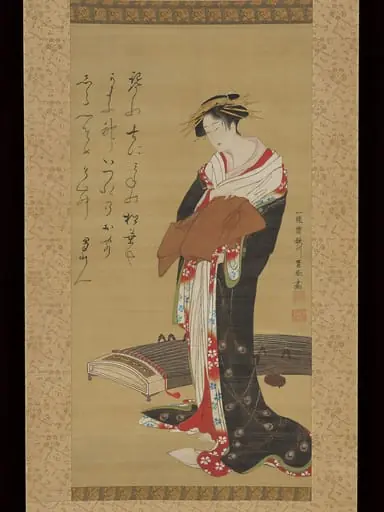 歌川豊春筆 蜀山人(大田 南畝)賛 琴に立美人図|Female Entertainer with a Koto
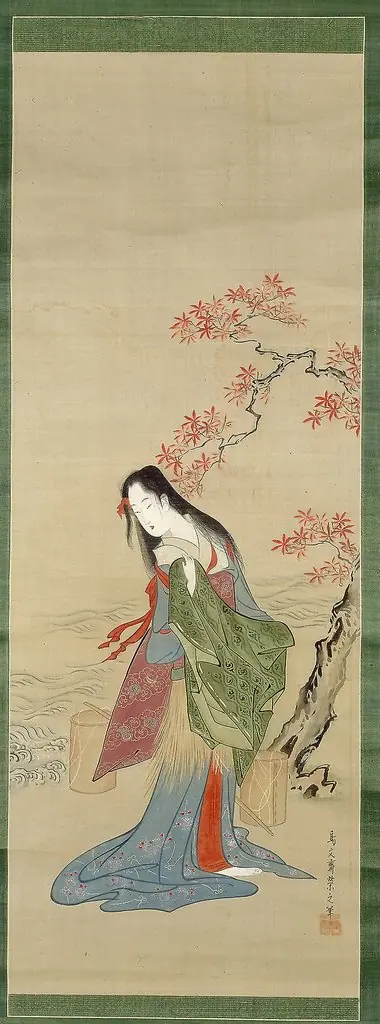 The Salt Maidens, Matsukaze with Yukihira's Coat
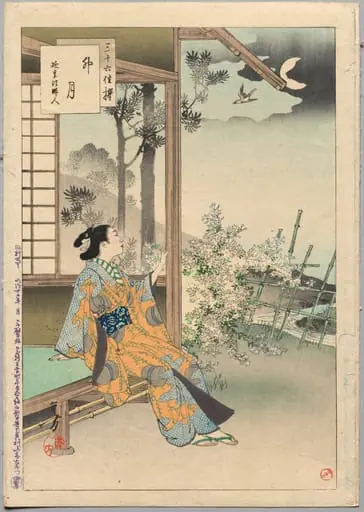 The Fourth Month, A Lady of the Enkyō Era (1744-48), from the series Thirty-six Elegant Selections
 鳥文斎栄之画 「風流略六哥仙 其の二」小野小町|Ono no Komachi: Number Two (Sono ni), from the series Stylish Parodies of the Six Poetic Immortals (Fūryū yatsushi rokkasen)