Artwork
Plantae Selectae: No. 11 - Lily
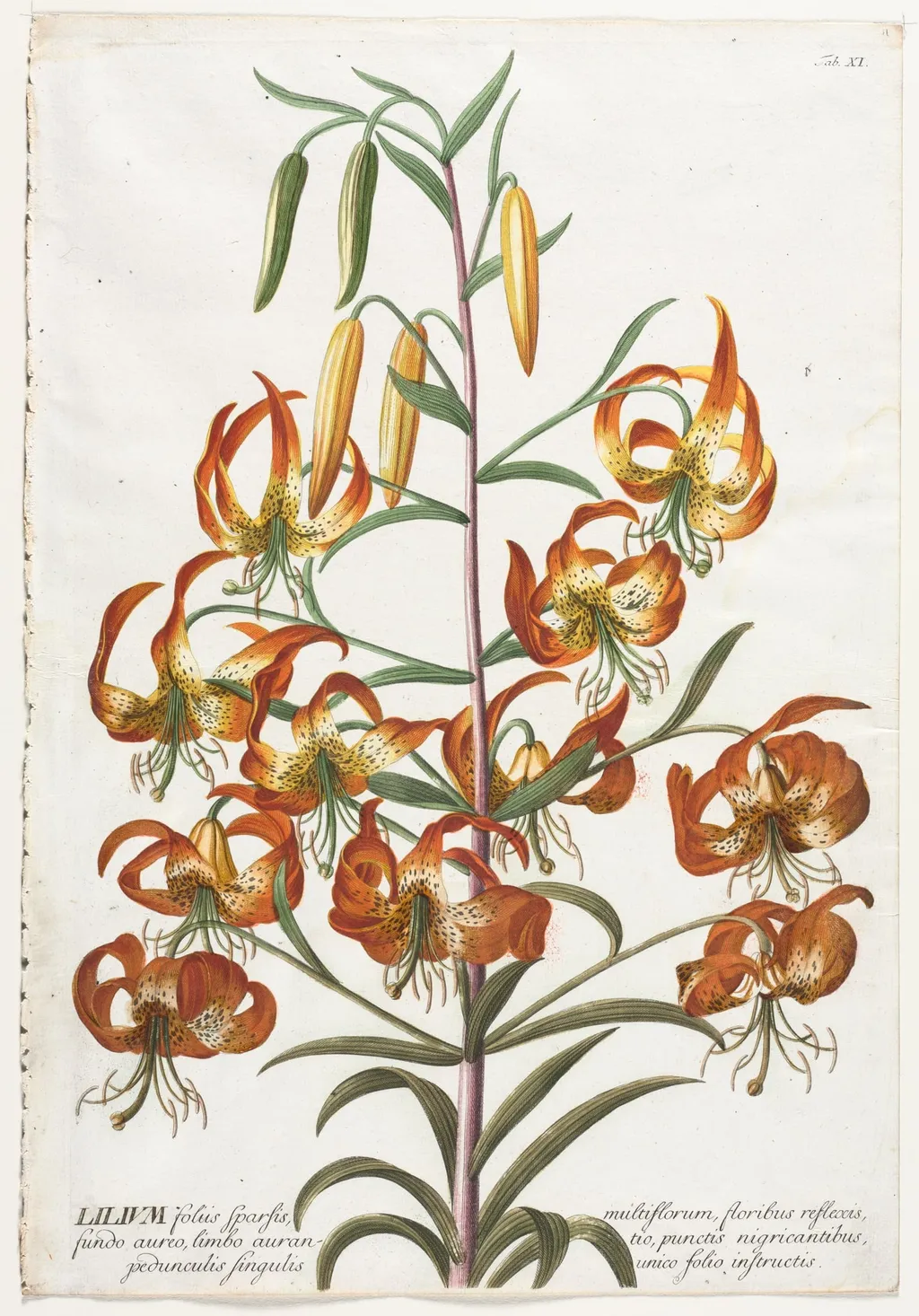
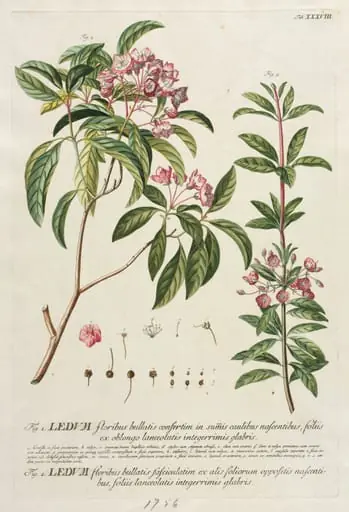
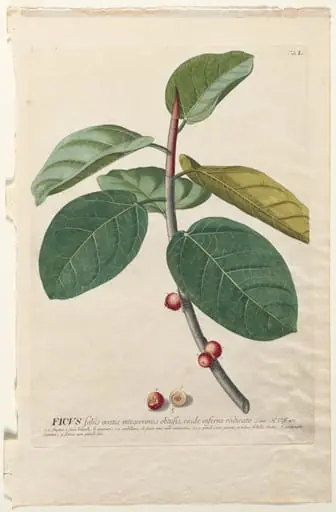
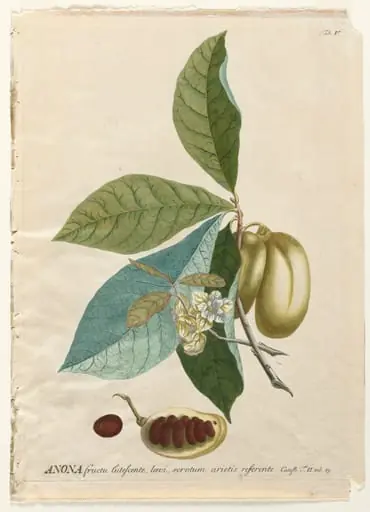
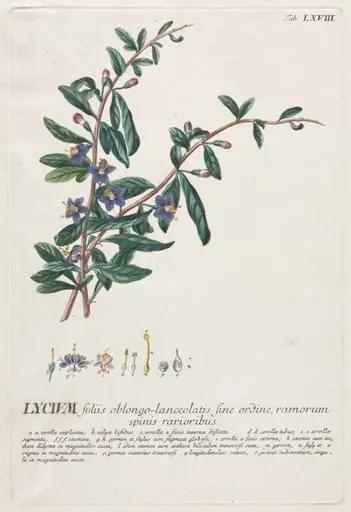
Plantae Selectae: No. 11 - Lily is a print by the Romanticist artist Georg Dionysius Ehret. It dates from 1762 and is held in the collection of the Cleveland Museum of Art. Plantae Selectae: No.
About this work
Overview
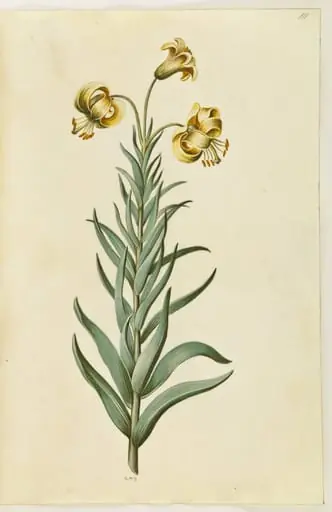
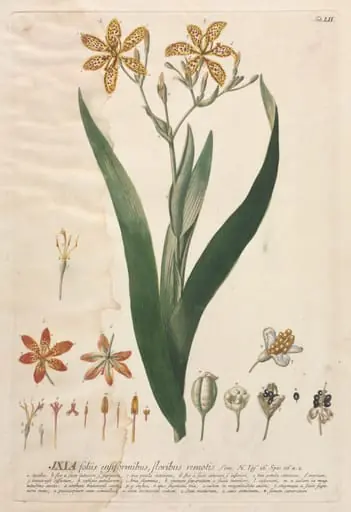
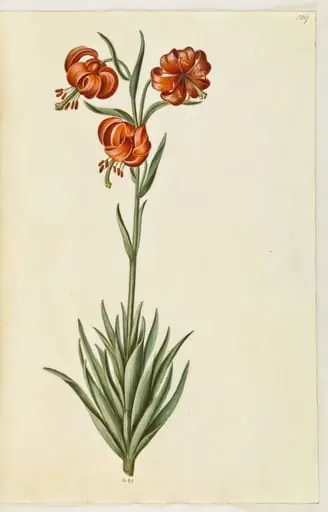
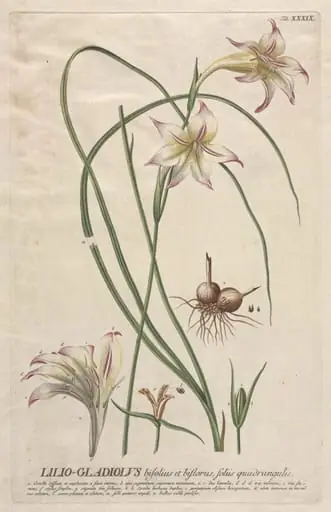
Plantae Selectae: No. 11 – Lily is a botanical print executed by Georg Dionysius Ehret in 1762. The image presents a single lily stem bearing several blossoms and unopened buds, rendered in a compact composition that emphasizes the plant’s natural form. The work belongs to the Cleveland Museum of Art’s collection.
Subject & Meaning
The print depicts a lily with orange petals marked by yellow and brown spotting, arranged symmetrically around the central stalk. Deep‑green foliage frames the flowers, highlighting the contrast between the vivid blossoms and the darker leaves. The focus on precise botanical detail reflects the Enlightenment interest in cataloguing plant species.
Technique & Style
Created as an intaglio print, Ehret employed fine line work and subtle shading to convey texture and volume. The careful modulation of ink tones produces a sense of depth, while the restrained palette underscores the scientific intent of the image rather than decorative excess. The style aligns with 18th‑century botanical illustration conventions.
History & Provenance
Georg Dionysius Ehret, a leading German botanical illustrator, produced this plate as part of his Plantae Selectae series, a collection intended for scholarly reference. After changing hands among private collectors, the print entered the Cleveland Museum of Art, where it remains on view as part of the museum’s decorative arts holdings.
Artist & collection

Artist
Georg Dionysius Ehret was a German botanist and entomologist known for his botanical illustrations.