Artwork
Fruit Arrangement: Peaches and Plumbs on a Slab of Marble
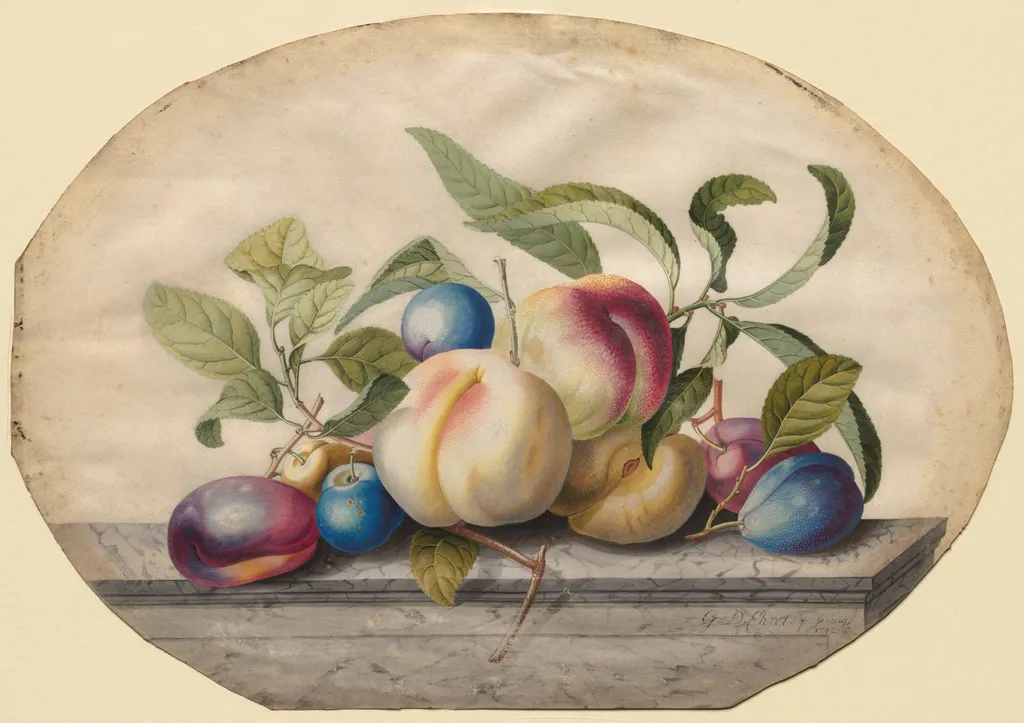
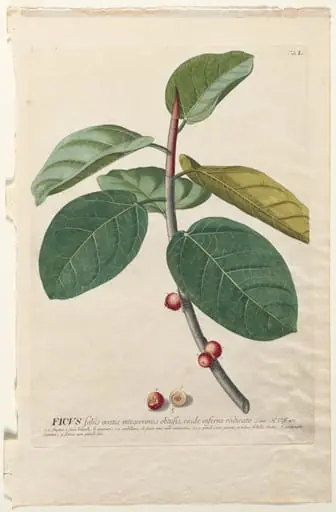
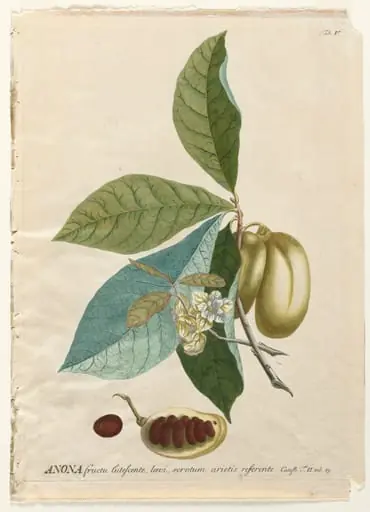
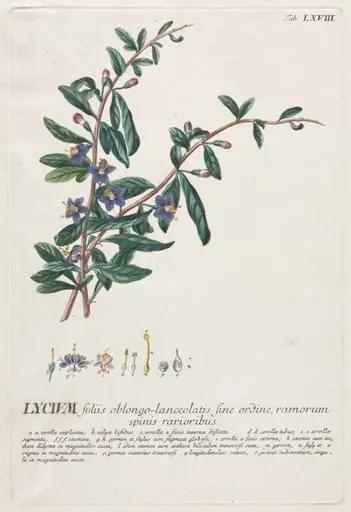
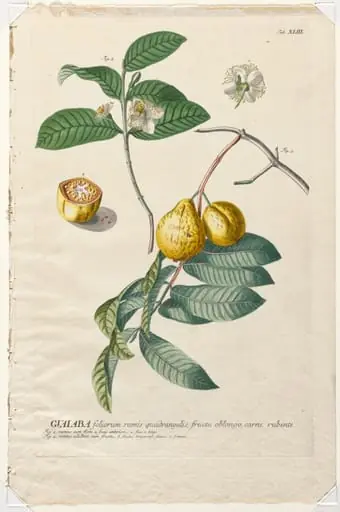
Fruit Arrangement: Peaches and Plumbs on a Slab of Marble is a drawing by the Baroque artist Georg Dionysius Ehret. It dates from 1742 and is held in the collection of the Cleveland Museum of Art.
About this work
Overview
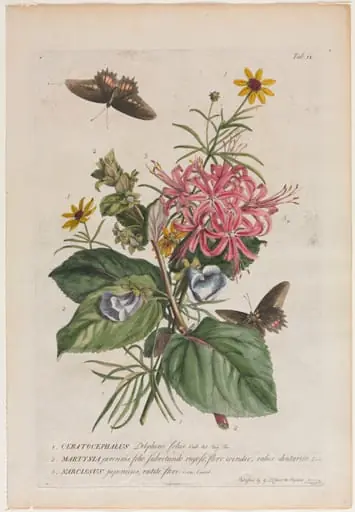
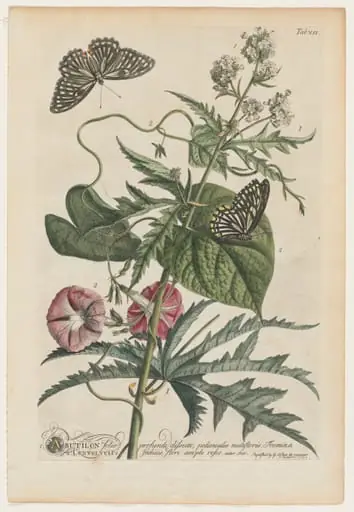
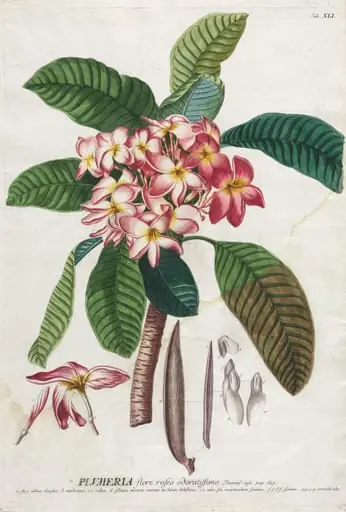
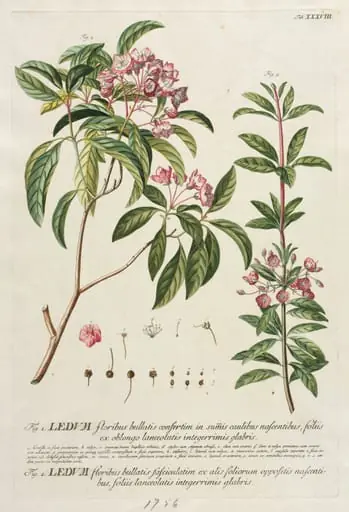
Executed with precision, the work belongs to a tradition of botanical illustration but departs from it by focusing solely on fruit without foliage or context.
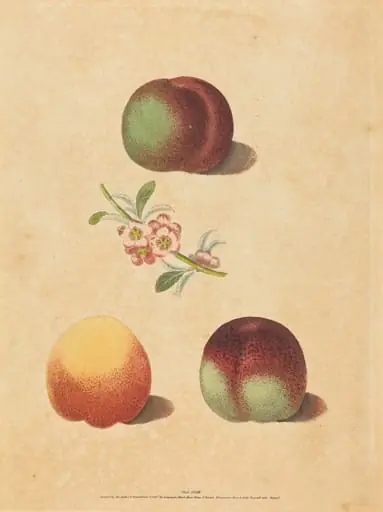
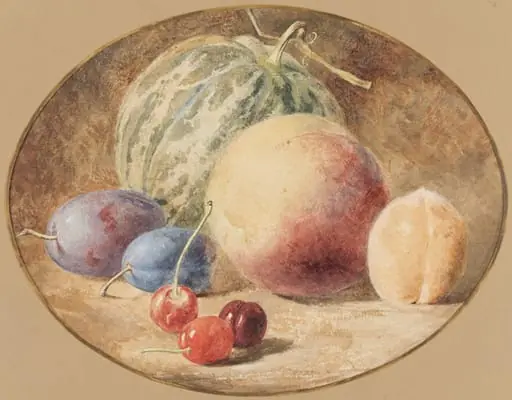
Created in 1742 by Georg Dionysius Ehret, this drawing presents a quiet still life of three peaches and two plums resting on a marble slab. Executed with precision, the work belongs to a tradition of botanical illustration but departs from it by focusing solely on fruit without foliage or context. The composition is minimal, yet the rendering suggests a tactile presence that draws the viewer’s attention to texture and form.
Subject & Meaning
The arrangement features ripe peaches and dark plums, chosen for their visual contrast and natural abundance. There is no symbolic or allegorical layer; the subject is the fruit itself—its ripeness, weight, and surface qualities. Ehret’s focus on the physicality of the produce reflects an 18th-century interest in natural observation, valuing accuracy over ornamentation.
Technique & Style
Ehret employed fine pencil and wash to model the fruit’s soft fuzz and the marble’s cool sheen with subtle gradations of tone. Light falls gently across the forms, enhancing their three-dimensionality without dramatic contrast. The background remains unadorned, isolating the objects and emphasizing their material presence. Color is restrained, with only the fruit’s warm hues breaking the muted palette.
History & Provenance
The drawing entered the collection of The Cleveland Museum of Art as part of a broader acquisition of 18th-century botanical works. Its provenance traces to Ehret’s active period in England, where he produced detailed illustrations for scientific publications. This piece likely served as a preparatory study or independent exercise in observational accuracy, consistent with his professional practice.
Context
In the mid-1700s, scientific illustration demanded precision, and Ehret was among the leading artists in this field. While many contemporaries depicted plants with stems and leaves, this work’s focus on fruit alone was unusual. It aligns with a growing interest in natural history that valued direct observation, reflecting Enlightenment ideals of clarity and empirical study.
Legacy
Though not widely exhibited, the drawing exemplifies Ehret’s ability to elevate botanical subjects through technical mastery. It stands as a quiet testament to the artistic potential of scientific observation, influencing later still-life traditions that prioritized realism over symbolism. Its endurance in museum collections underscores its role in the history of visual naturalism.
Artist & collection

Artist
Georg Dionysius Ehret was a German botanist and entomologist known for his botanical illustrations.