Artwork
Plantae Selectae: No. 33 - Magnolia
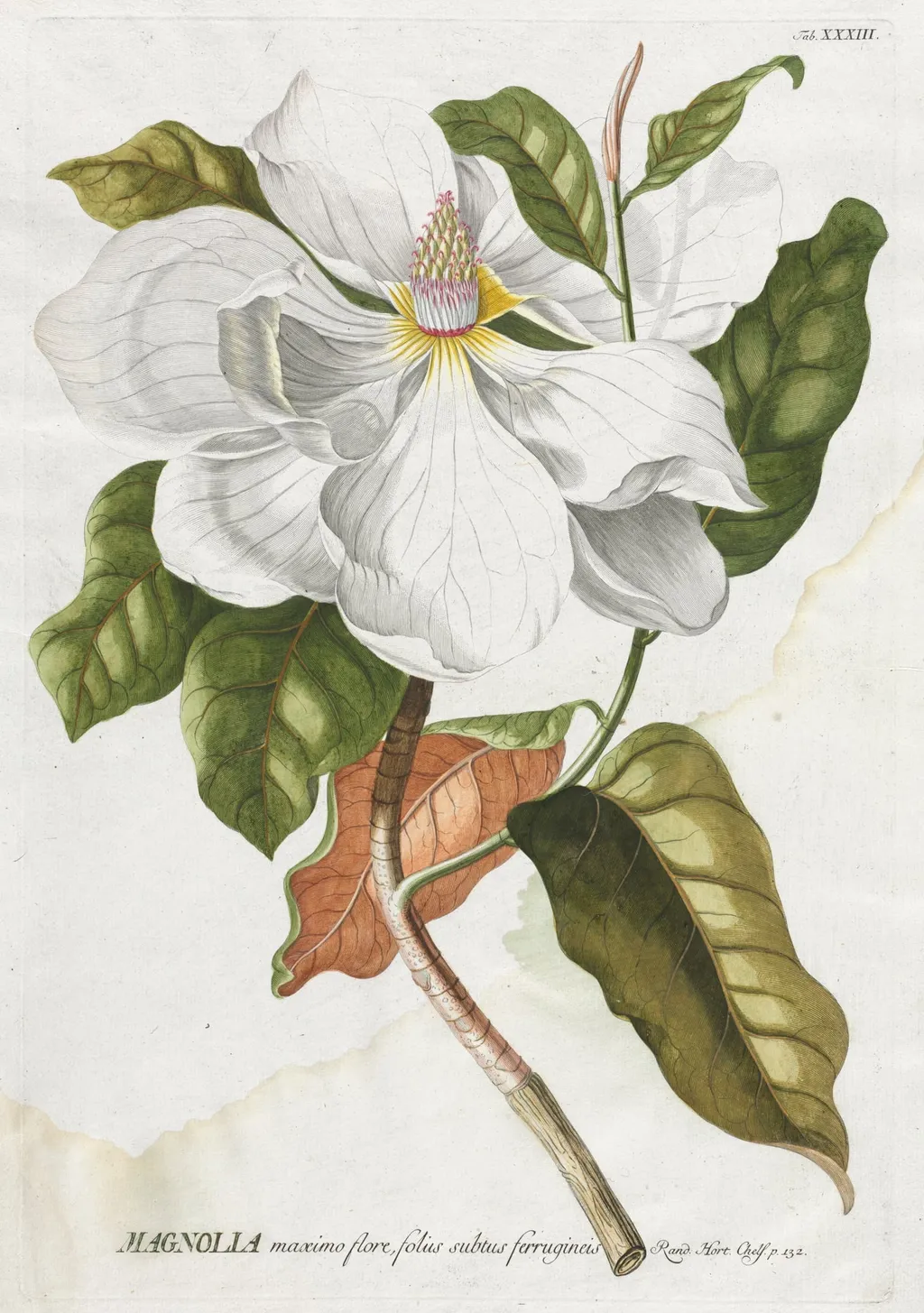
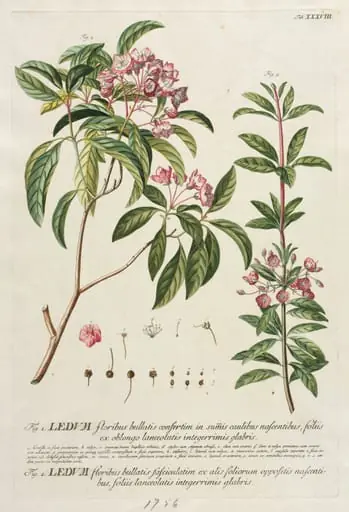
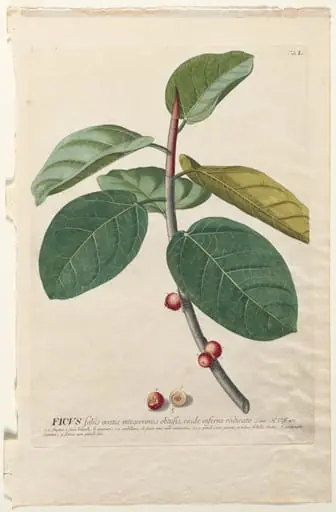
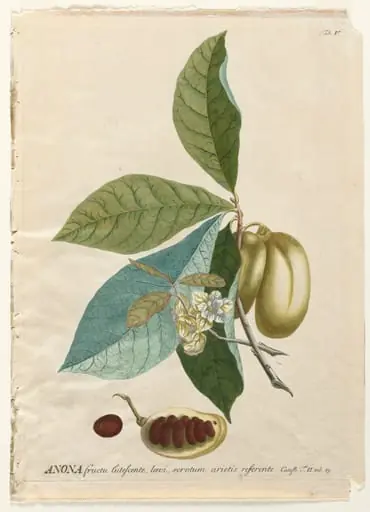
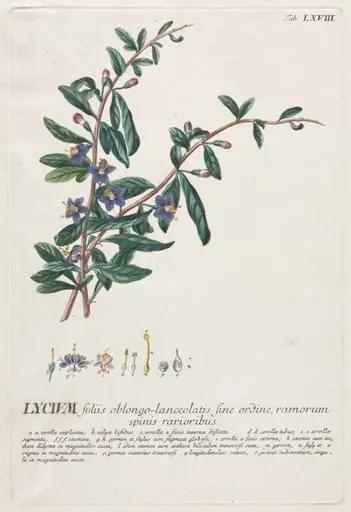
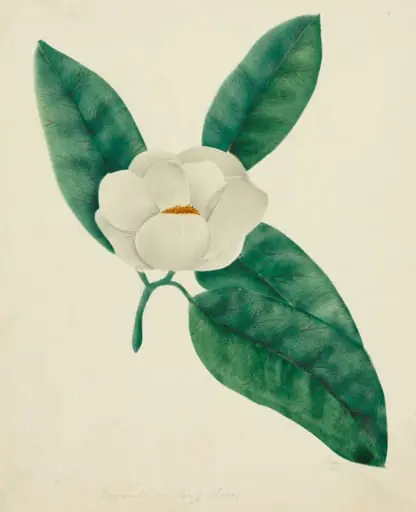
Plantae Selectae: No. 33 - Magnolia is a print by the Romanticist artist Georg Dionysius Ehret. It dates from 1762 and is held in the collection of the Cleveland Museum of Art. Plantae Selectae: No.
About this work
The painting is called Plantae Selectae: No. 33 - Magnolia.
It was created by Georg Dionysius Ehret, a German artist.
The painting is part of a series and was published between 1750 and 1773, which is interesting because it shows how art was documented and shared during that time.
You can learn more about this style of art at the movement: Romanticism.
Overview
Plantae Selectae: No. 33 – Magnolia is a botanical print executed in 1762 by German illustrator Georg Dionysius Ehret. The work forms part of his multi‑volume series Plantae Selectae, which was issued over the span of the mid‑eighteenth century. The piece is presently in the collection of the Cleveland Museum of Art.
Subject & Meaning
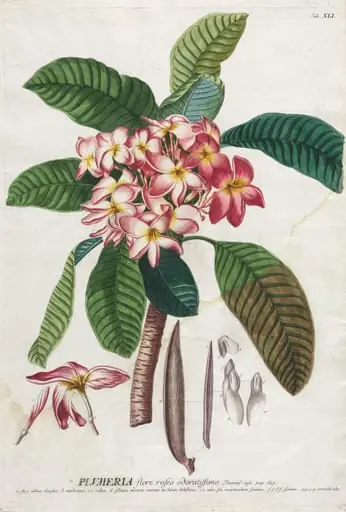
The image depicts a magnolia tree, rendered with careful attention to leaf shape, flower structure and overall habit. As a scientific illustration, its primary purpose is to convey accurate morphological details for identification and study, rather than to evoke narrative or allegorical content.
Technique & Style
Ehret employed copperplate engraving, a common method for botanical prints of the period, allowing fine line work and subtle tonal variation. The composition balances decorative elegance with the precision required of a reference work, reflecting the Enlightenment’s emphasis on observation.
History & Provenance
The Magnolia print was released as plate 33 in the Plantae Selectae series, which was published between 1750 and 1773. After circulating among collectors and scholars, the print entered the Cleveland Museum of Art’s holdings, where it remains accessible to researchers and the public.
Context
Produced during a flourishing era of botanical exploration, the work aligns with the eighteenth‑century drive to catalogue plant diversity from newly explored regions. While not a Romantic piece, its aesthetic qualities echo the period’s growing fascination with nature’s form and variety.
Artist & collection

Artist
Georg Dionysius Ehret was a German botanist and entomologist known for his botanical illustrations.