Artwork
Electrocution
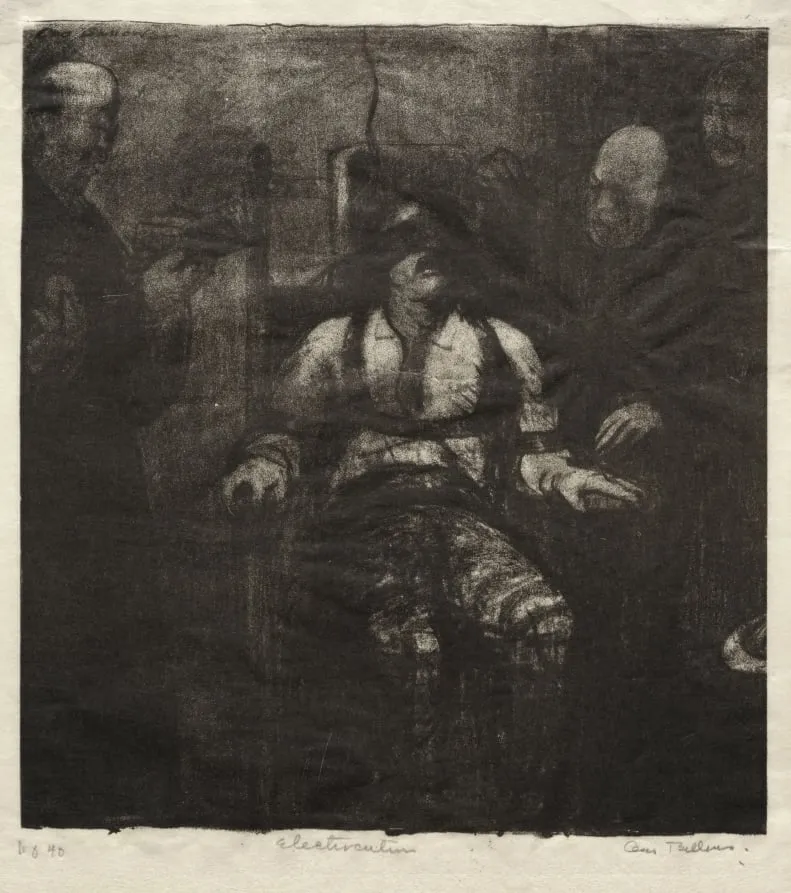
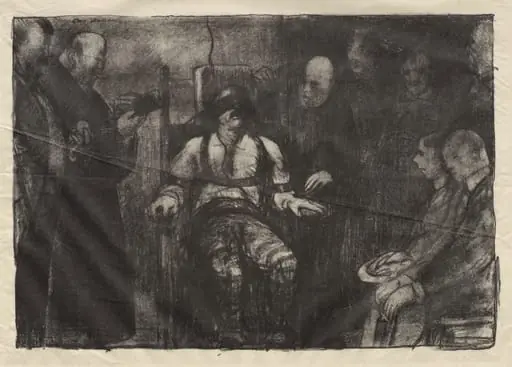
Electrocution is a print by George Bellows. It dates from 1917 and is held in the collection of the Cleveland Museum of Art.
About this work
Overview
Electrocution, a 1917 print by American realist George Bellows, depicts a somber scene of execution by electric chair, characteristic of the artist's exploration of modernity and social tension.
Subject & Meaning
The print shows a man slumped in an electric chair, surrounded by two indistinct figures, one holding a document and the other observing. The scene conveys the gravity of capital punishment, reflecting Bellows' engagement with contemporary issues.
Technique & Style
Executed in a loose, sketchy manner with rough, smudgy lines and muted tones, the work conveys a sense of urgency and rawness, leveraging chiaroscuro to create dramatic tension through contrasted light and shadow.
History & Provenance
Electrocution is part of The Cleveland Museum of Art's collection, though the specifics of its creation and acquisition are not detailed here.
Context
Created in 1917, the work reflects the era's societal concerns, with Bellows using his realist style to critique or comment on the practices of his time, including capital punishment.
Legacy
As part of Bellows' oeuvre, Electrocution contributes to his reputation for tackling tough social subjects, though its individual impact within his broader body of work is not specified.
Artist & collection
Artist
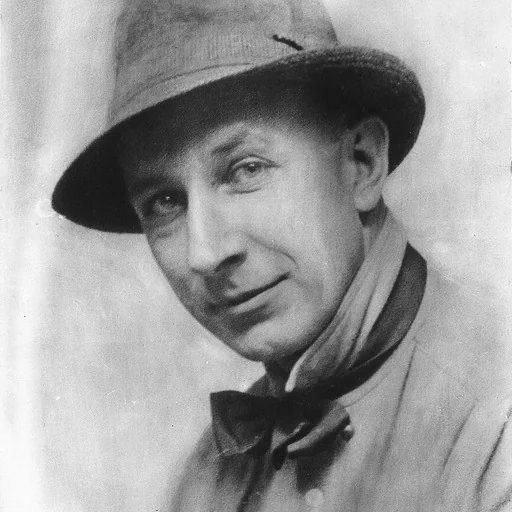
George Wesley Bellows (August 12 or August 19, 1882 – January 8, 1925) was an American realist painter, known for his bold depictions of urban life in New York City.

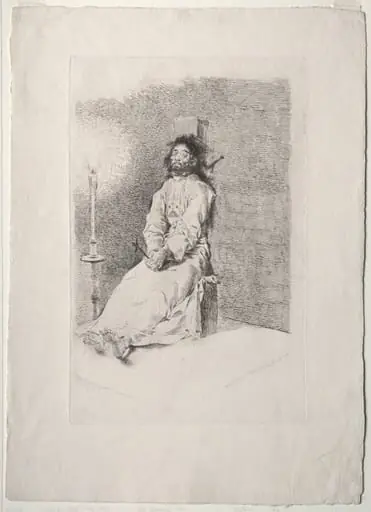 The Garroted Man
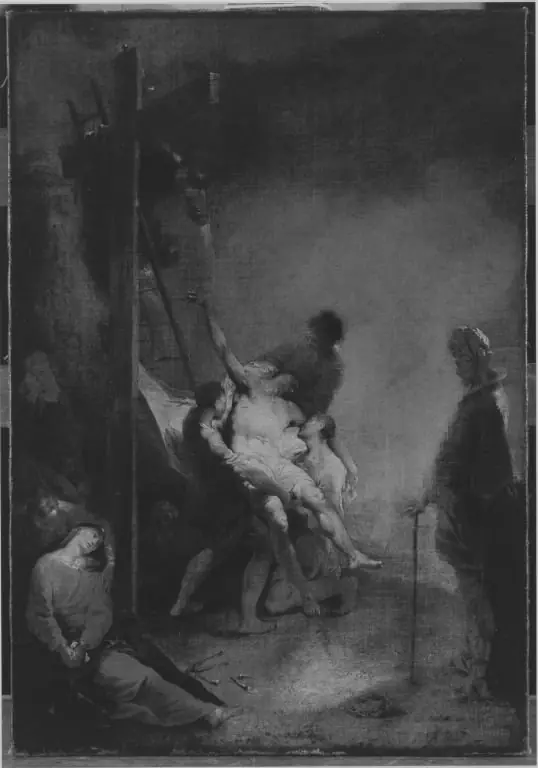 The descent from the Cross
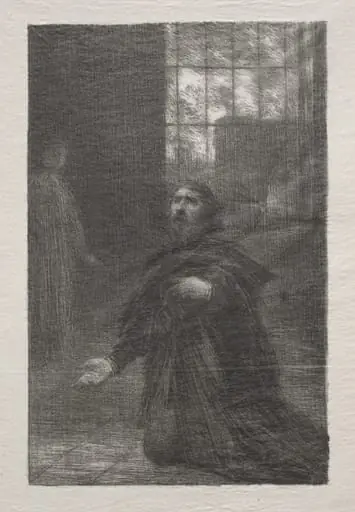 Rienzi, Act V: Rienzi’s Prayer
![Vedetta [Il gentiluomo] (The Lookout [The Gentleman]), by Giovanni Battista Quadrone](https://artifactworldgallery.com/img/giovanni-battista-quadrone--vedetta-il-gentiluomo-the-lookout-the-gentleman--d7dbfdde31dca165-w320.webp) Vedetta [Il gentiluomo] (The Lookout [The Gentleman])
Vedetta [Il gentiluomo] (The Lookout [The Gentleman])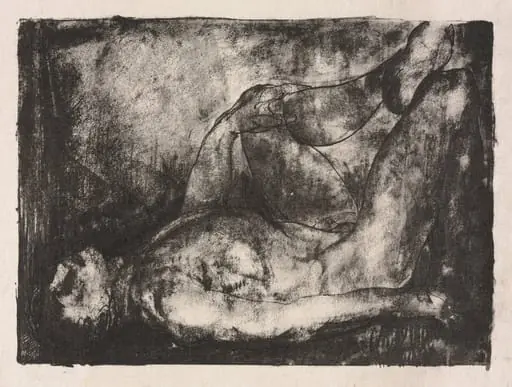 Man on his Back, Nude, Second State
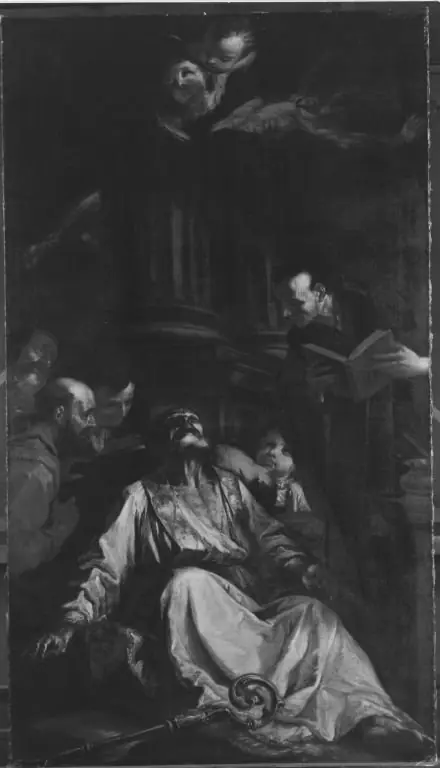 Tod des hl. Martin
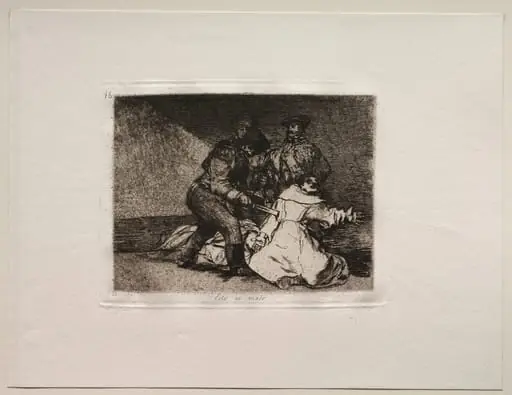 The Horrors of War: This Is Bad
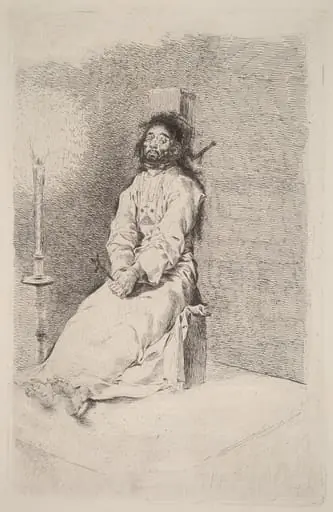 The Garroted Man
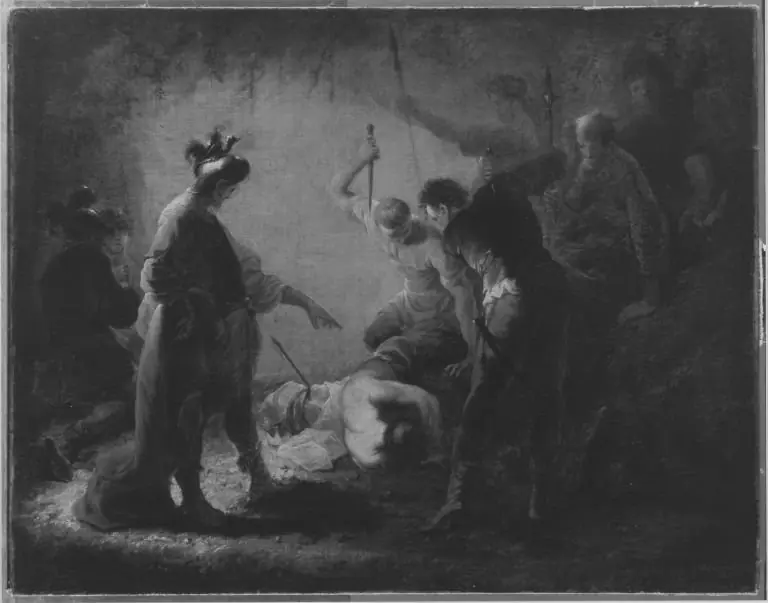 Die Ermordung des hl. Severus
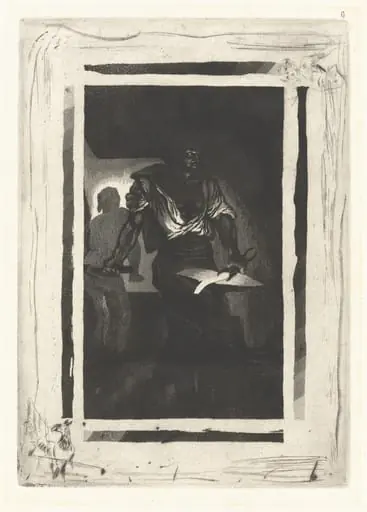 A Blacksmith (Un Forgeron)
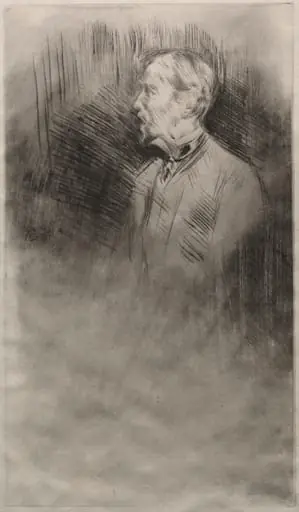 Lord Wolseley
 Electrocution, first state