Artwork
Portrait of Stepan V. Dyatkov (1759 - after 1818)
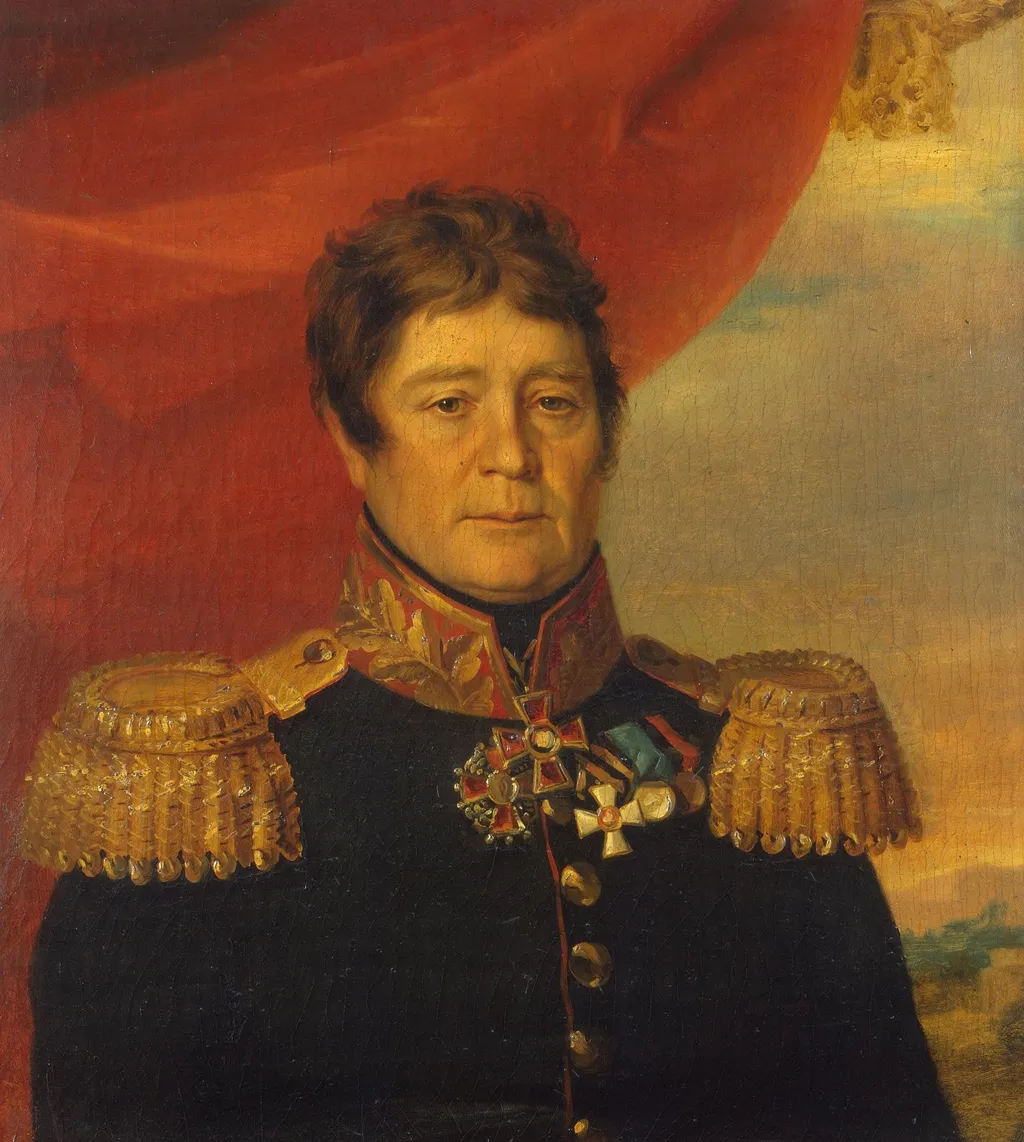
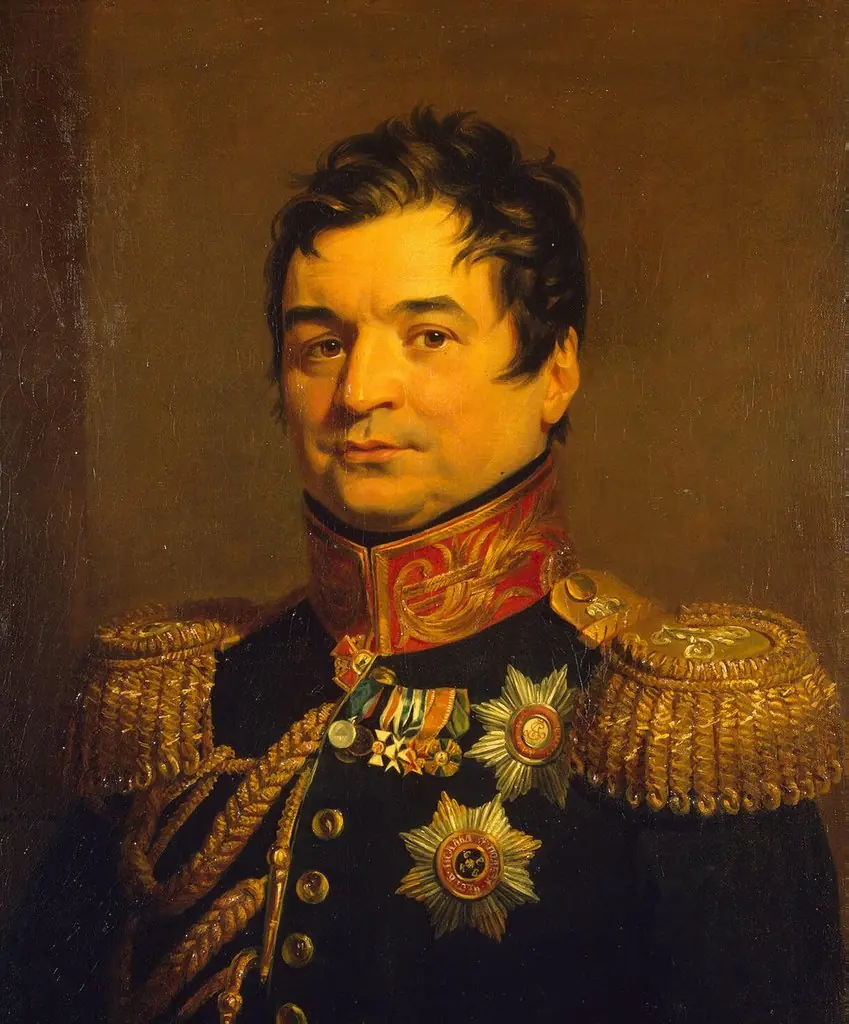
Portrait of Stepan V. Dyatkov (1759 - after 1818) is an oil painting by George Dawe. It dates from 1826 and is held in the collection of the Hermitage Museum. This oil-on-canvas portrait, painted in 1826, depicts Stepan Vasiljevič Dyatkov, a figure of significance in the early 19th century.
About this work
Overview
This oil-on-canvas portrait, painted in 1826, depicts Stepan Vasiljevič Dyatkov, a figure of significance in the early 19th century. The work is the product of George Dawe, an English artist active in Saint Petersburg at the time.
Subject & Meaning
The subject is shown wearing a dark military uniform adorned with gold epaulettes and medals, indicating a high rank, likely within the military. The formal attire and serious expression convey a sense of dignity and authority.
Technique & Style
The portrait features smooth brushwork on the subject's face, while the gold details are rendered with a level of precision that catches the light. The background is a flat red with a faded yellowish shape, a relatively simple setting that focuses attention on the subject.
History & Provenance
Painted by George Dawe during his residency in Saint Petersburg, the portrait is now part of the State Hermitage Museum's collection. Dawe was known for his official portraits of military leaders and contributed to the Russian artistic landscape before his death in 1829.
Own this work as a print
Artist & collection
Artist
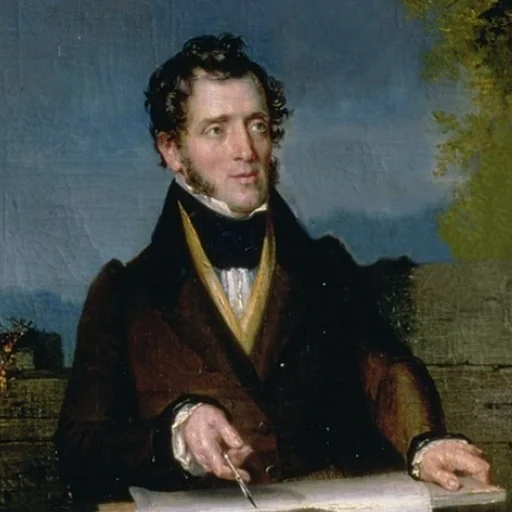
George Dawe (6 February 1781 – 15 October 1829) was an English portraitist who painted 329 portraits of Russian generals active during Napoleon's invasion of Russia for the Military Gallery of the Winter Palace.

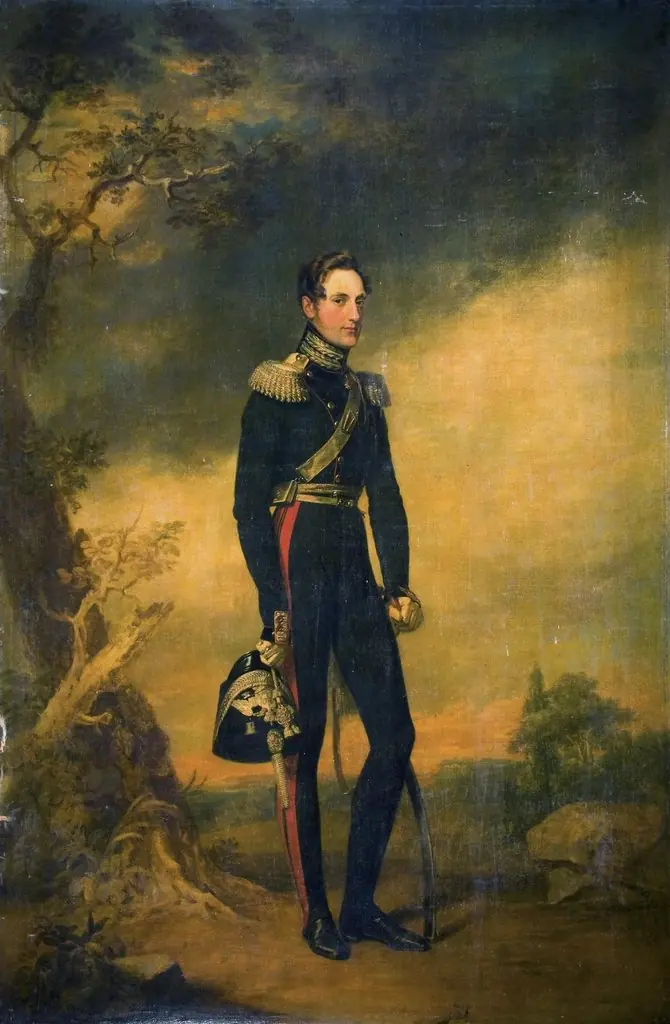 Portrait of Grand Duke Nikolai Pavlovich
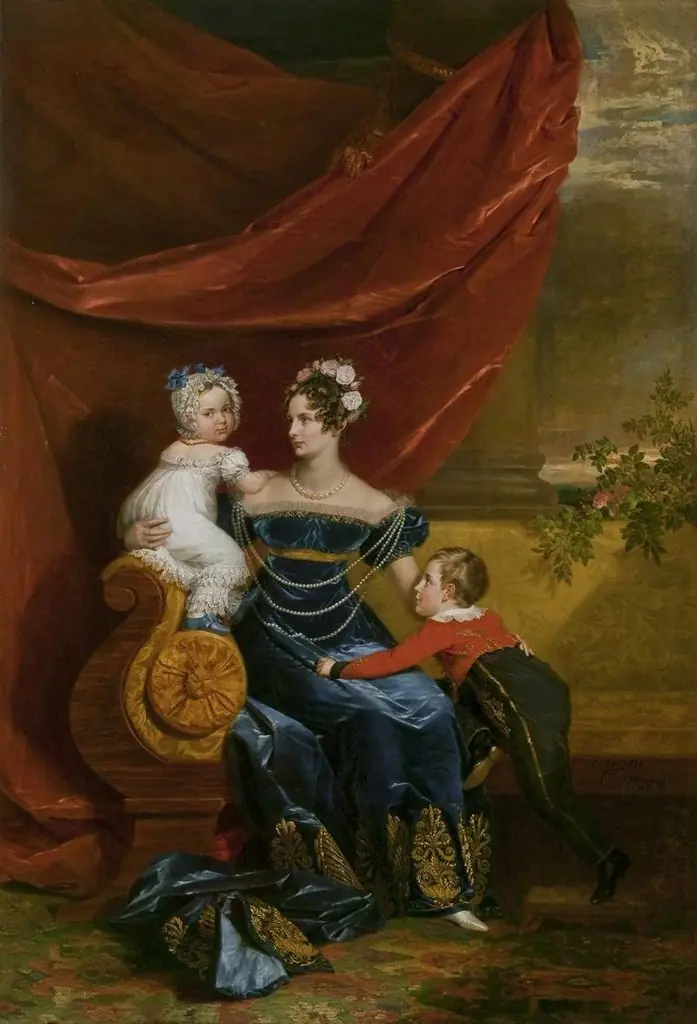 Portrait of Grand Duchess Alexandra Fiodorovna with Children
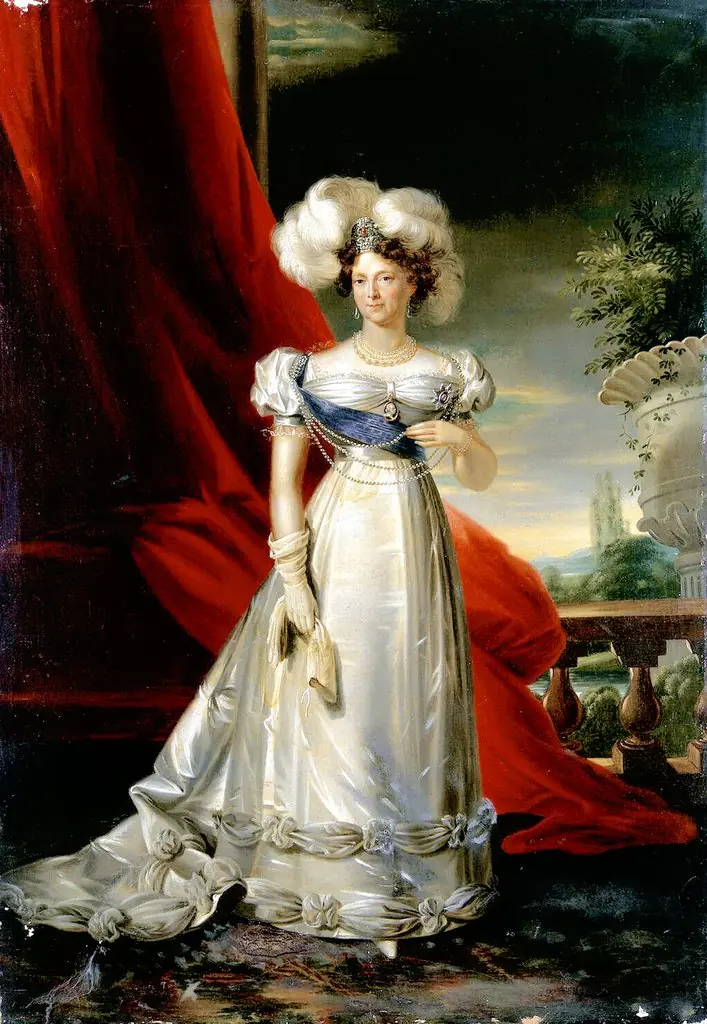 Portrait of the Empress Dowager Maria Feodorovna
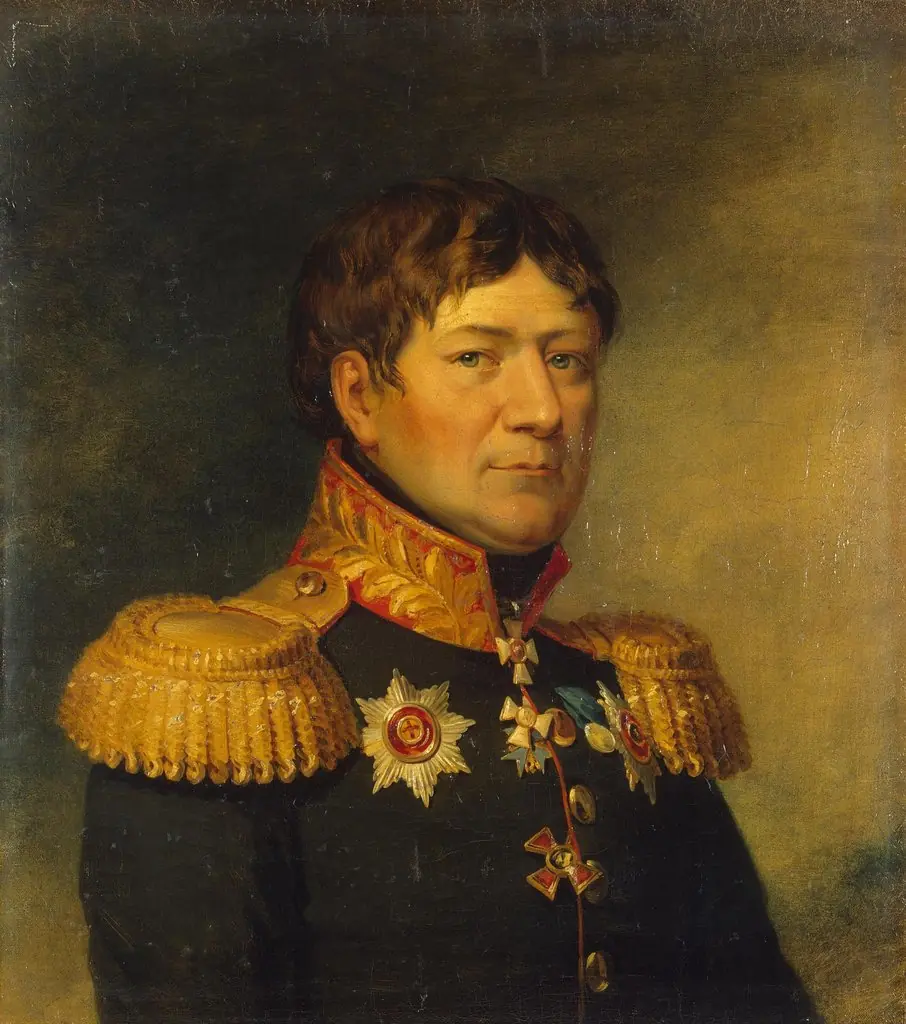 Portrait of Yegor M. Pillar (1767-1830)
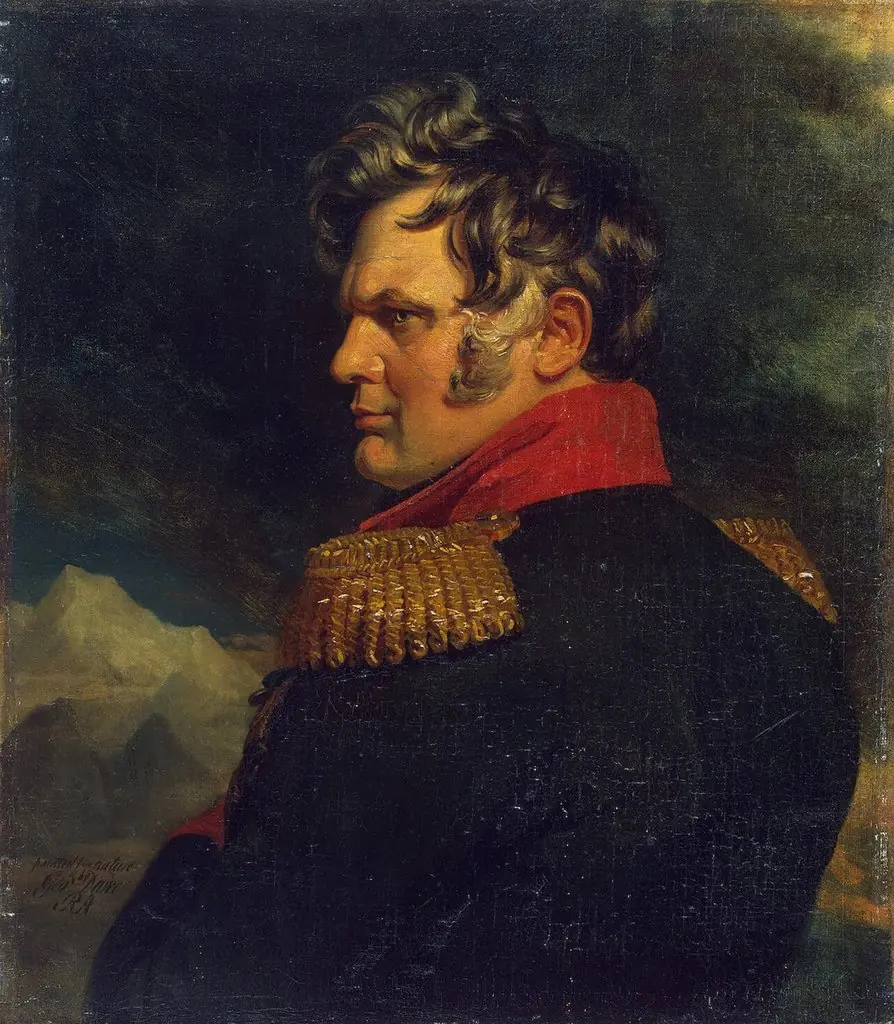 Portrait of Alexei P. Yermolov (1772/77-1861)
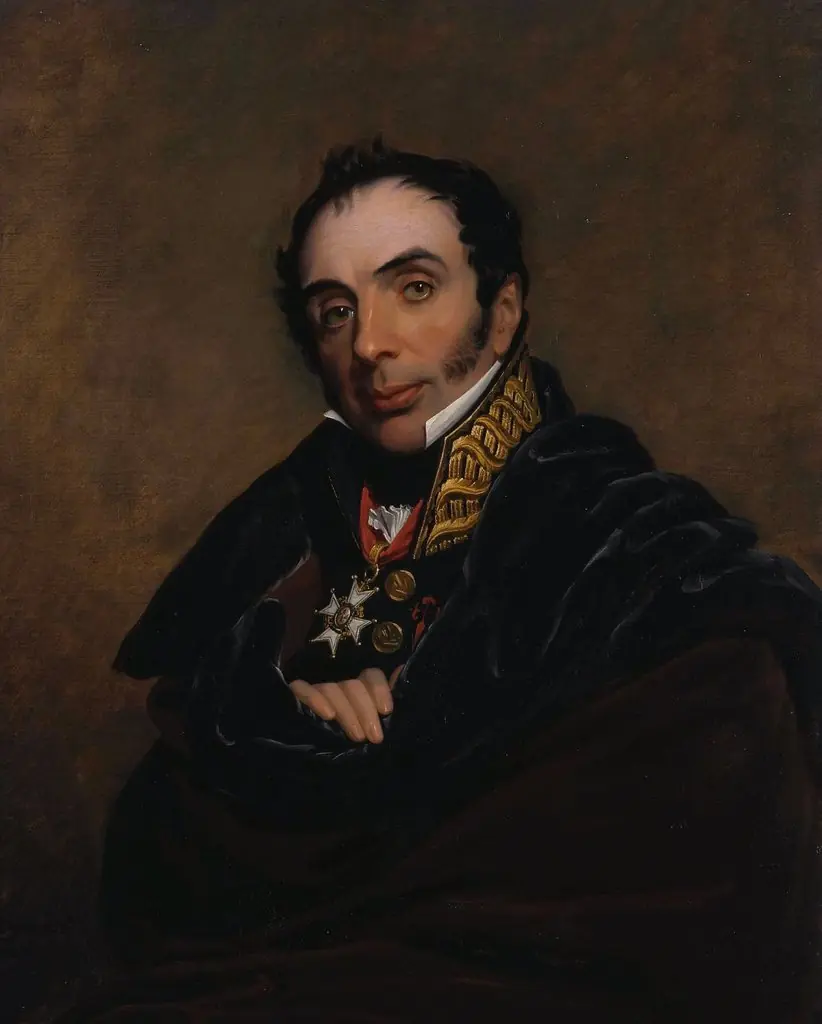 Portrait of Miguel Ricardo de Alava
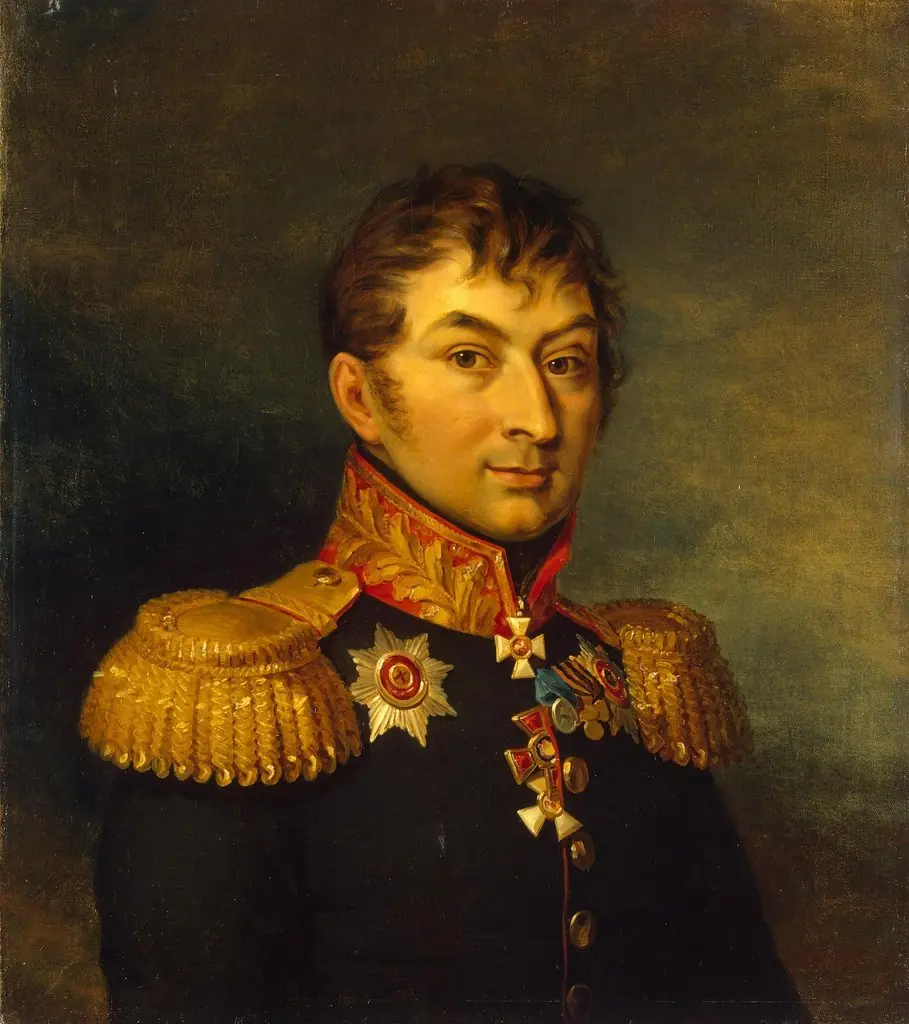 Portrait of Ivan D. Panchulidzev (1759-1815) (1st)
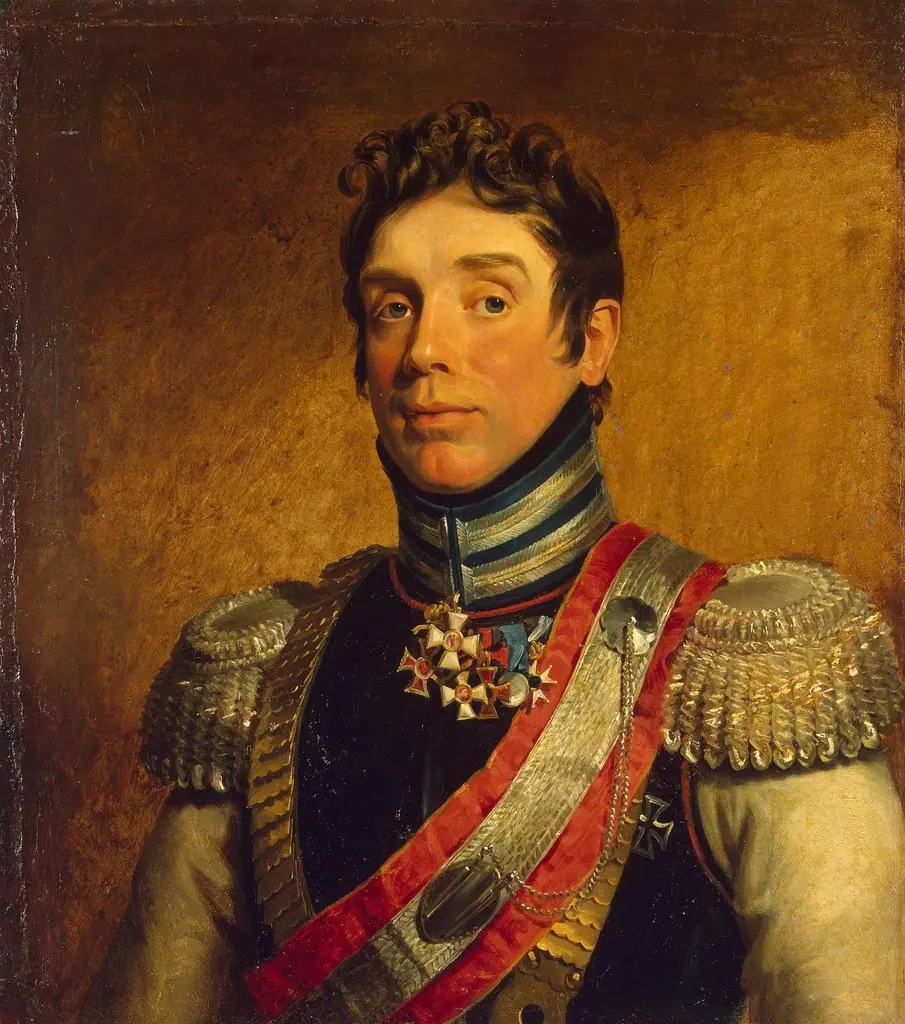 Portrait of Karl V. Budberg (1774-1829)
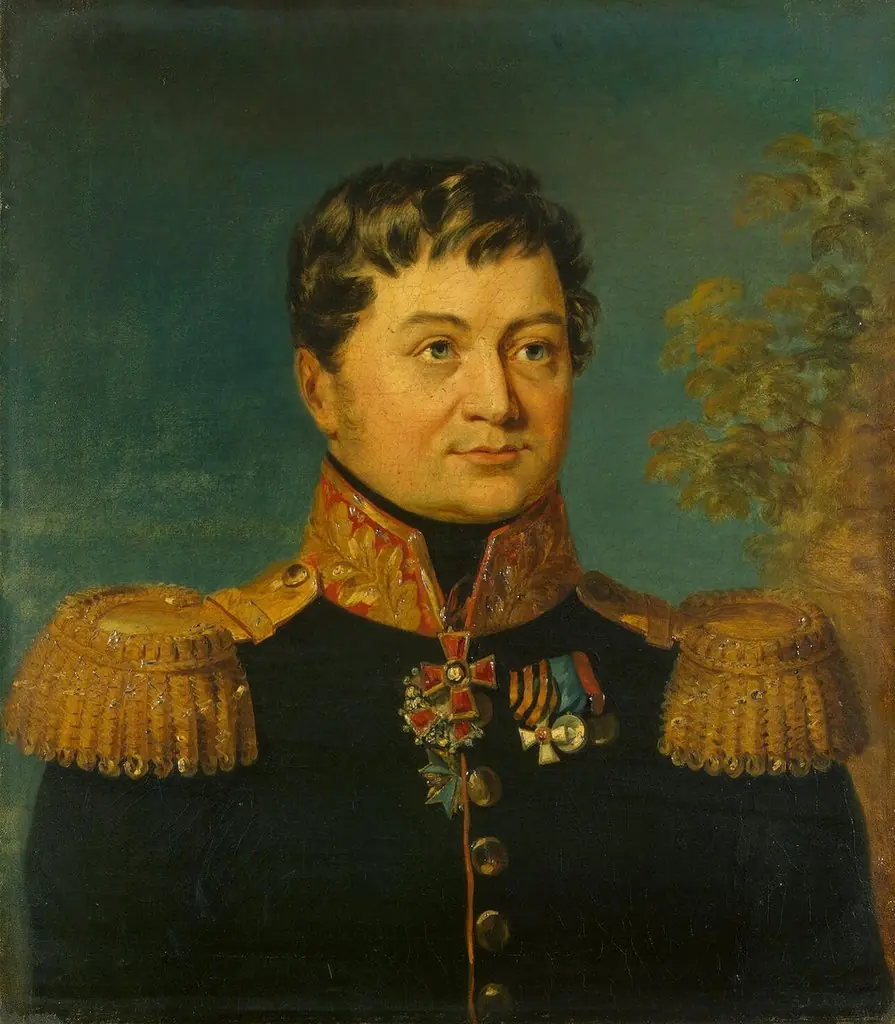 Portrait of Andrey P. Turchaninov (1779 -1830) (2nd)
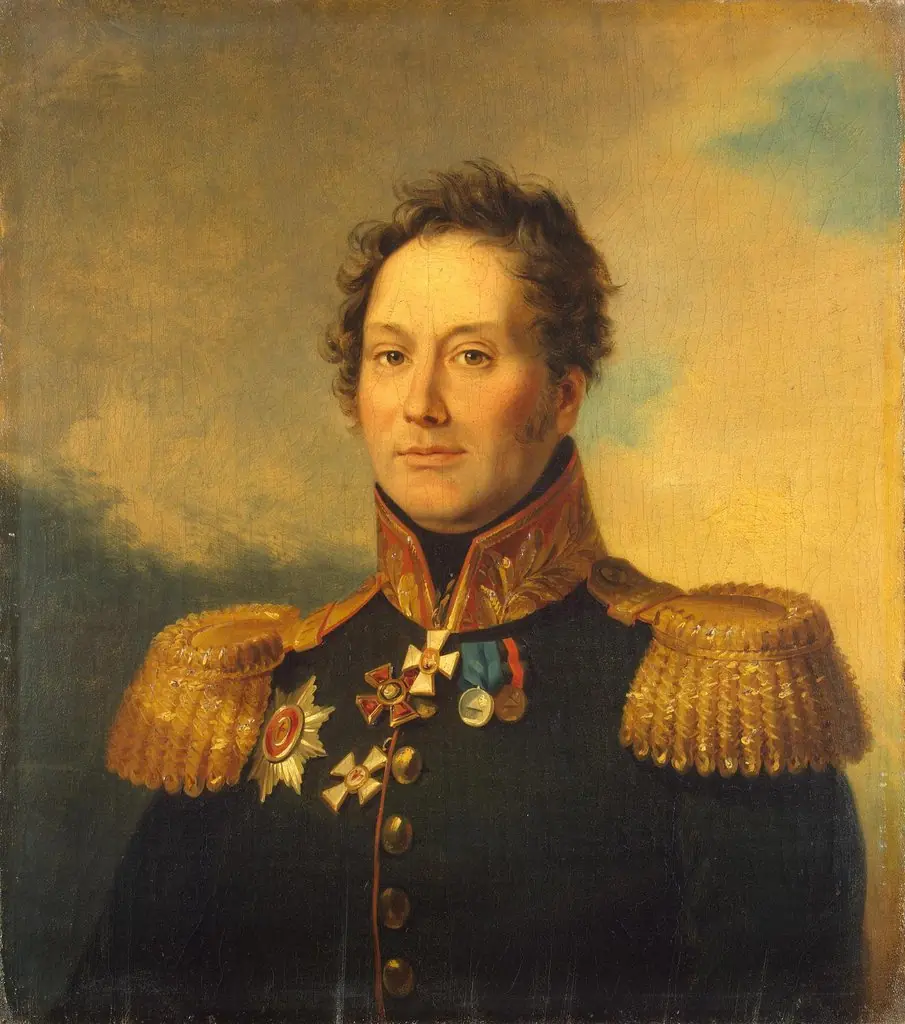 Portrait of Moisey I. Karpenko (1775-1854)
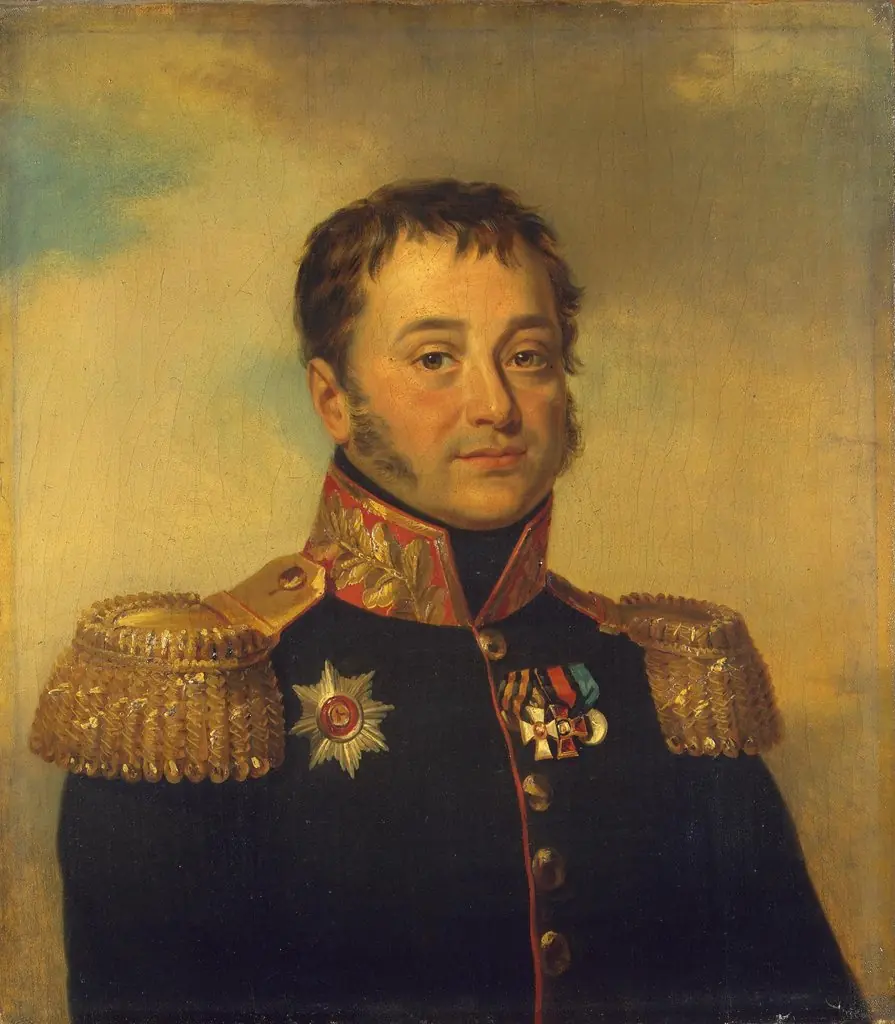 Portrait of Pyotr V. Denisyev (1766-1849)
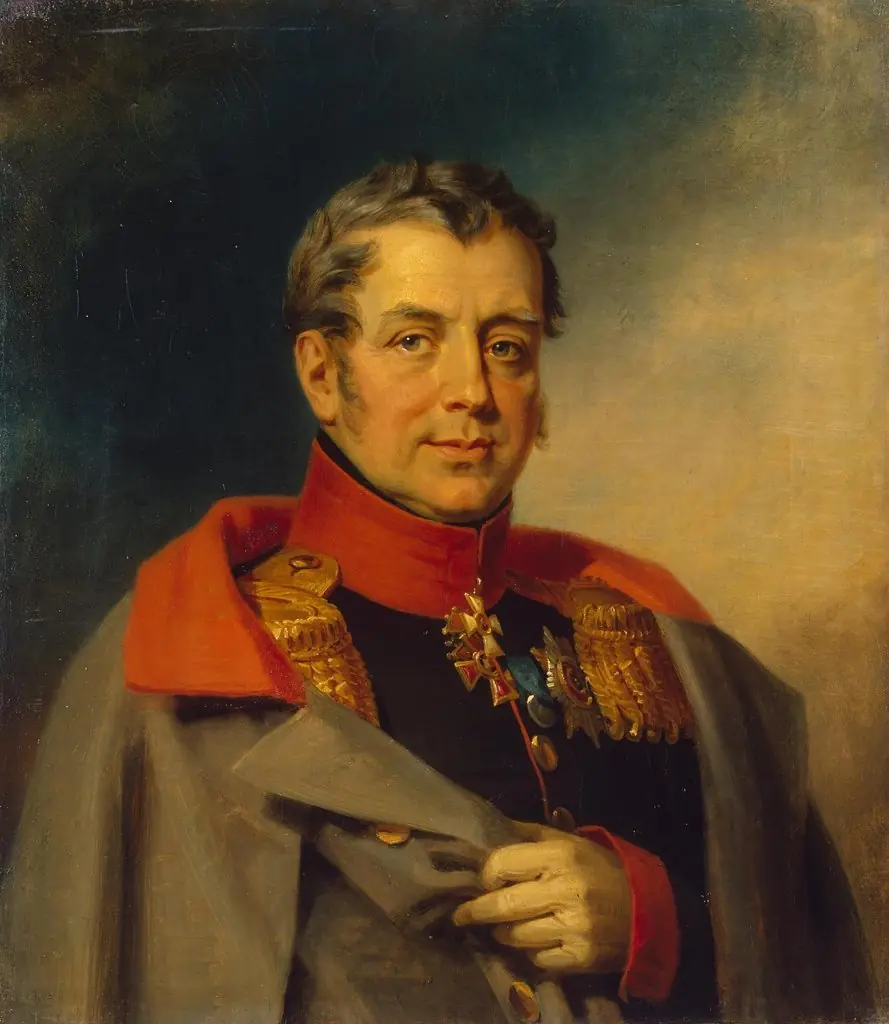 Portrait of Mikhail D. Balk (1764-1818)
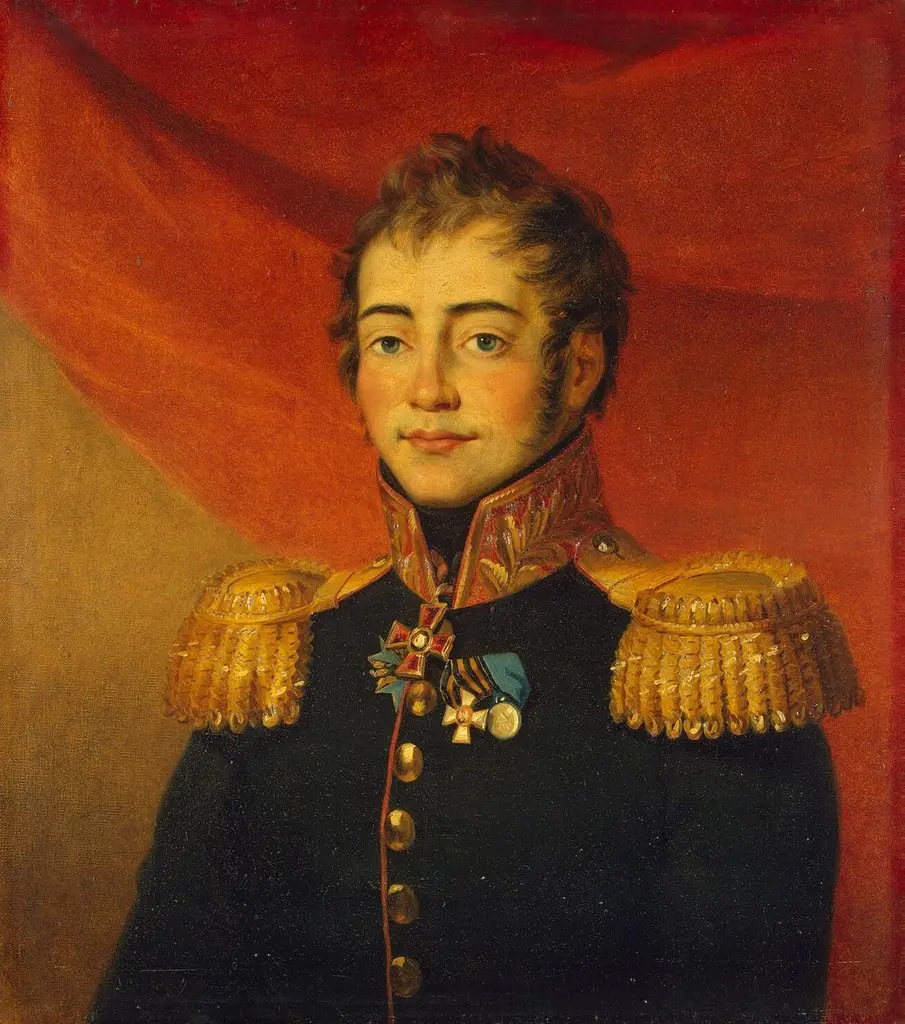 Portrait of Dmitry P. Lyapunov (1775-1821)
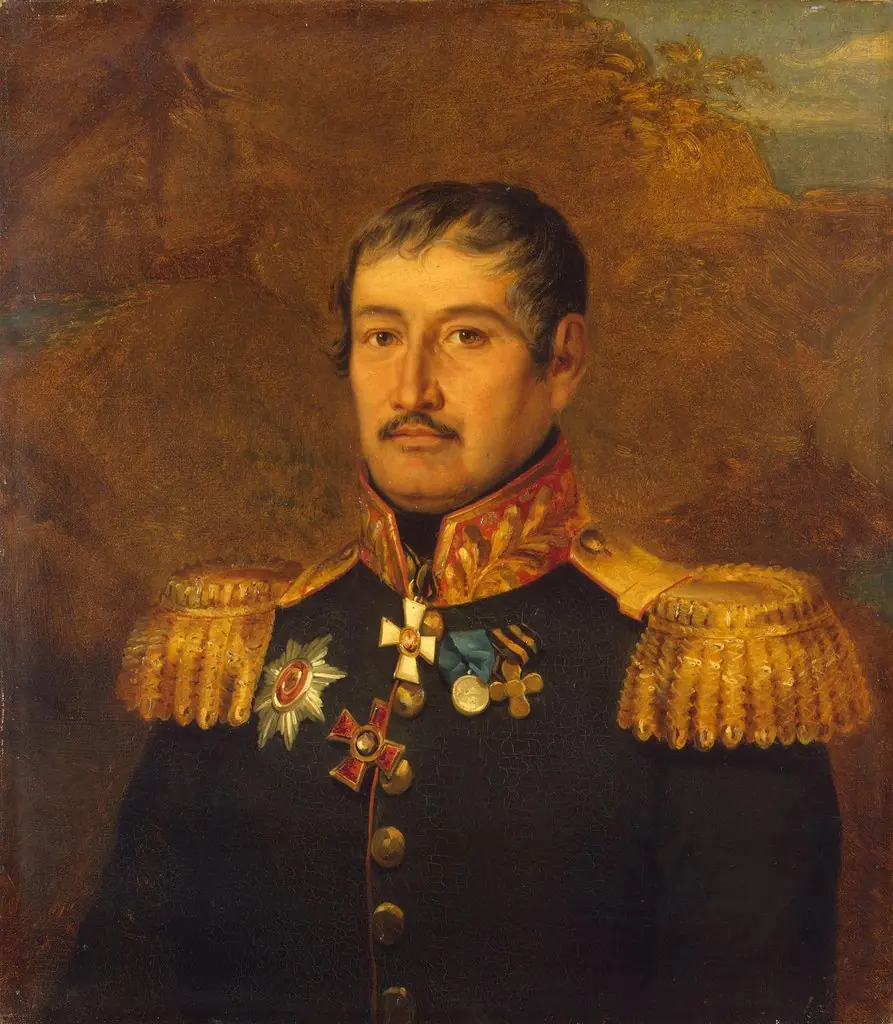 Portrait of Gerasim A. Shostakov (1756-1837)
 Portrait of Alexander D. Balashov (1770-1837)