Artwork
Portrait of Lev A. Naryshkin (1785-1846)
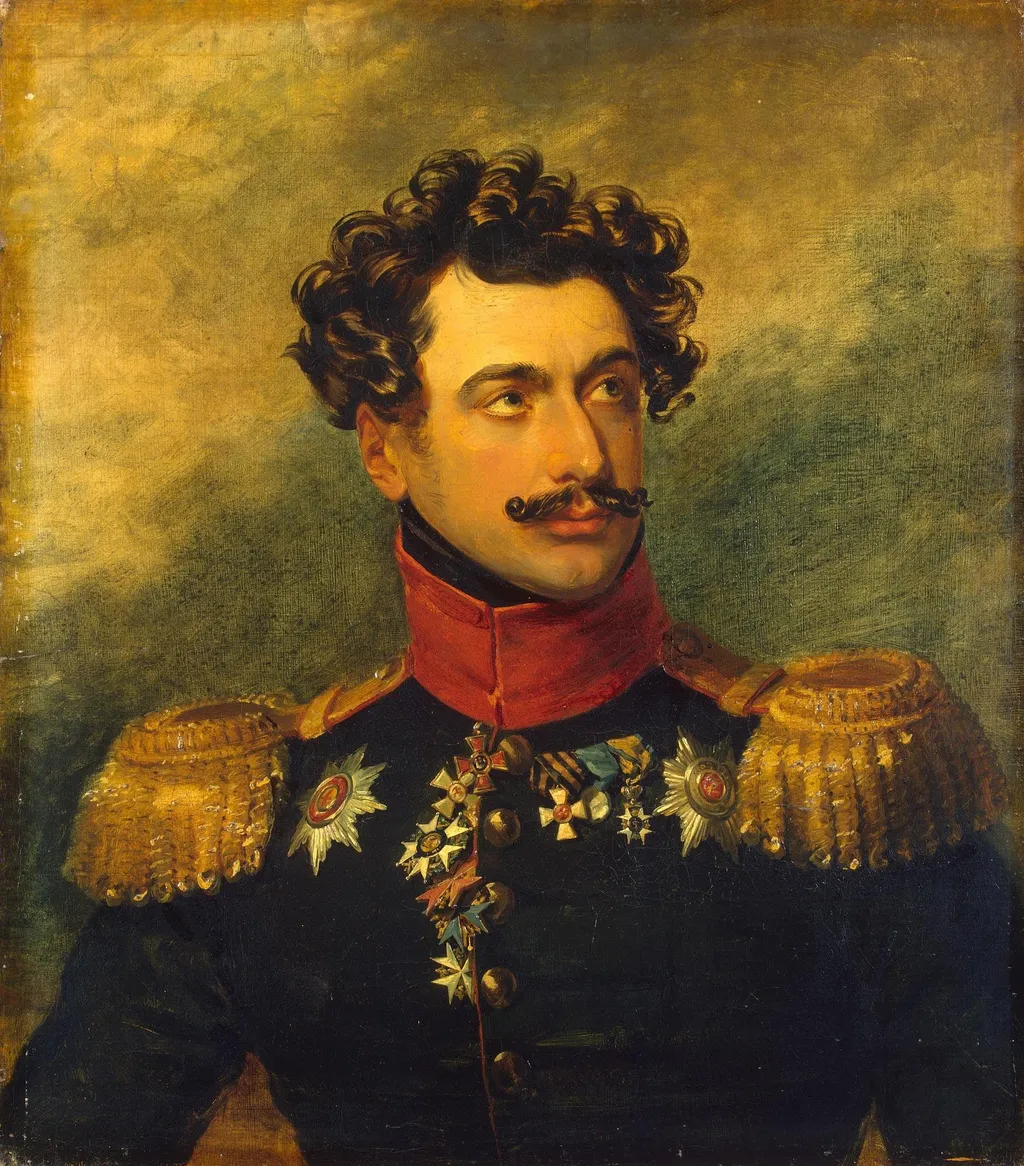
Portrait of Lev A. Naryshkin (1785-1846) is an oil painting by George Dawe. It dates from 1822 and is held in the collection of the Hermitage Museum.
About this work
Overview
Painted in 1822 by George Dawe, *Portrait of Lev A. Naryshkin* is an oil-on-canvas portrait of a prominent Russian figure from the early 19th century. The work is characterized by its focus on the subject's dignified demeanor and elaborate military attire.
Subject & Meaning
The portrait depicts Lev A. Naryshkin, distinguished by his bright red military jacket adorned with gold epaulettes and a array of medals, indicating a high rank, likely in the military or government. The composition emphasizes Naryshkin's face and uniform against a plain, dark background.
Technique & Style
Dawe employed soft brushstrokes to achieve nuanced blending of shadows and light on Naryshkin's face, contrasting with the sharper, detailed rendering of his medals and uniform. This approach reflects Dawe's recognized skill in portraiture.
History & Provenance
Created during Dawe's productive period in Saint Petersburg (after 1819), the painting is now part of the State Hermitage Museum's collection, testament to Dawe's acclaim among Russian literary and societal circles of his time.
Context
The portrait reflects the cultural exchange and artistic preferences of early 19th-century Russia, where European artists like Dawe found patronage. Naryshkin's depiction also hints at the societal value placed on military and governmental honors during this period.
Legacy
As part of the Hermitage's collection, *Portrait of Lev A. Naryshkin* contributes to the museum's extensive holdings of early 19th-century European portraiture, offering insights into the era's artistic and social elites.
Own this work as a print
Artist & collection
Artist
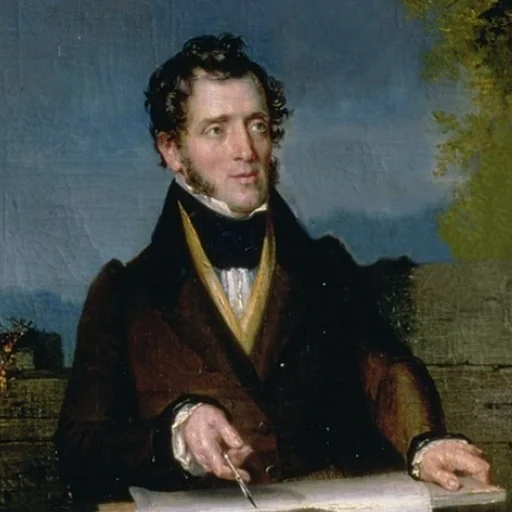
George Dawe (6 February 1781 – 15 October 1829) was an English portraitist who painted 329 portraits of Russian generals active during Napoleon's invasion of Russia for the Military Gallery of the Winter Palace.

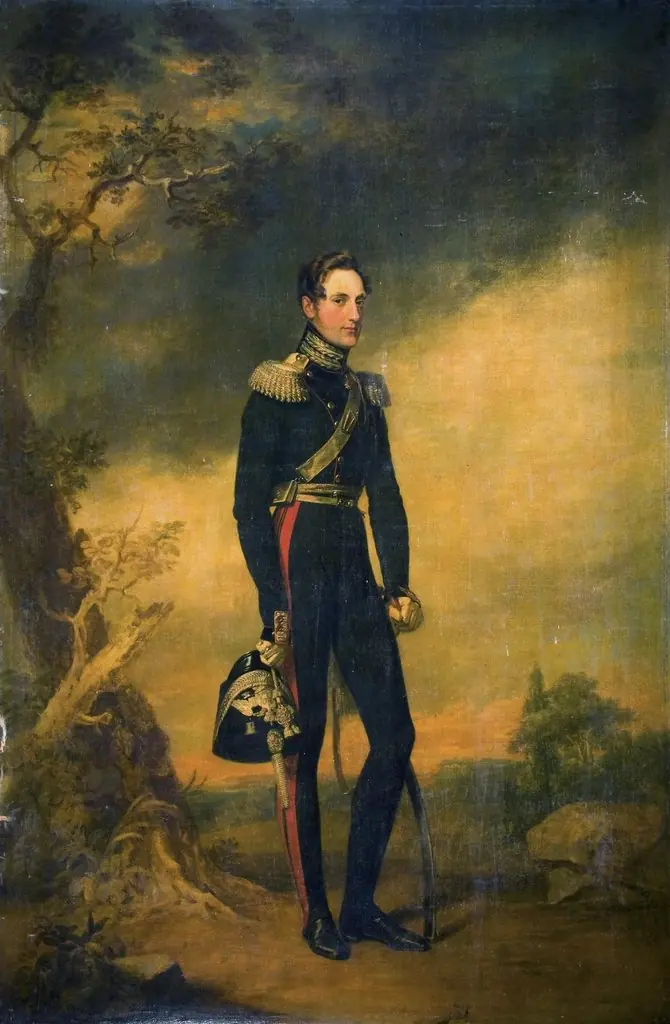 Portrait of Grand Duke Nikolai Pavlovich
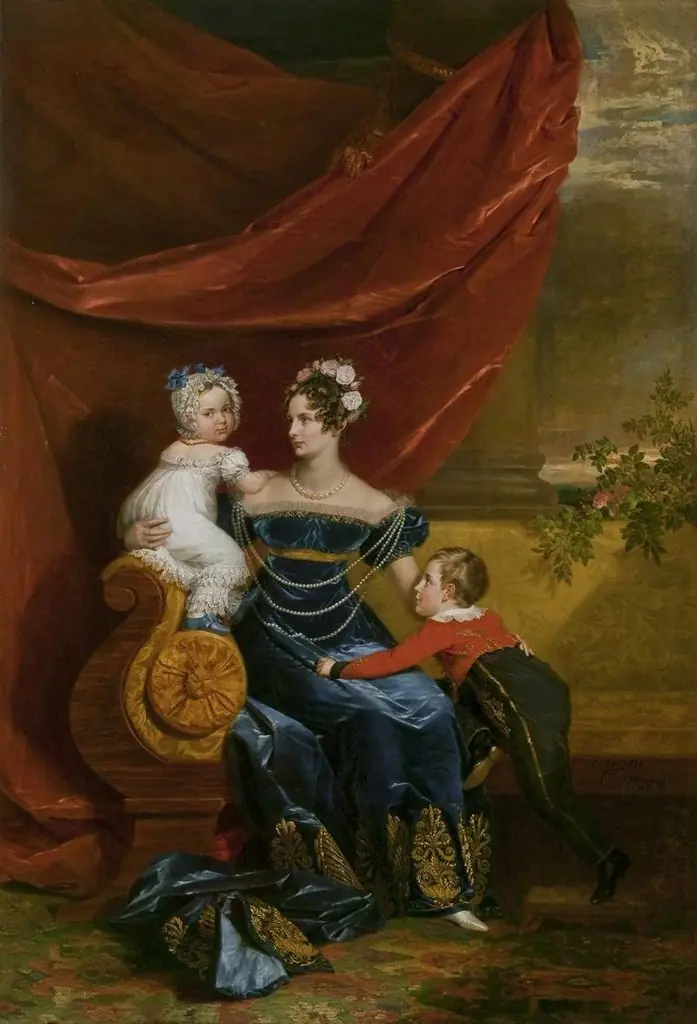 Portrait of Grand Duchess Alexandra Fiodorovna with Children
 Portrait of the Empress Dowager Maria Feodorovna
 Portrait of Yegor M. Pillar (1767-1830)
 Portrait of Alexei P. Yermolov (1772/77-1861)
 Portrait of Miguel Ricardo de Alava
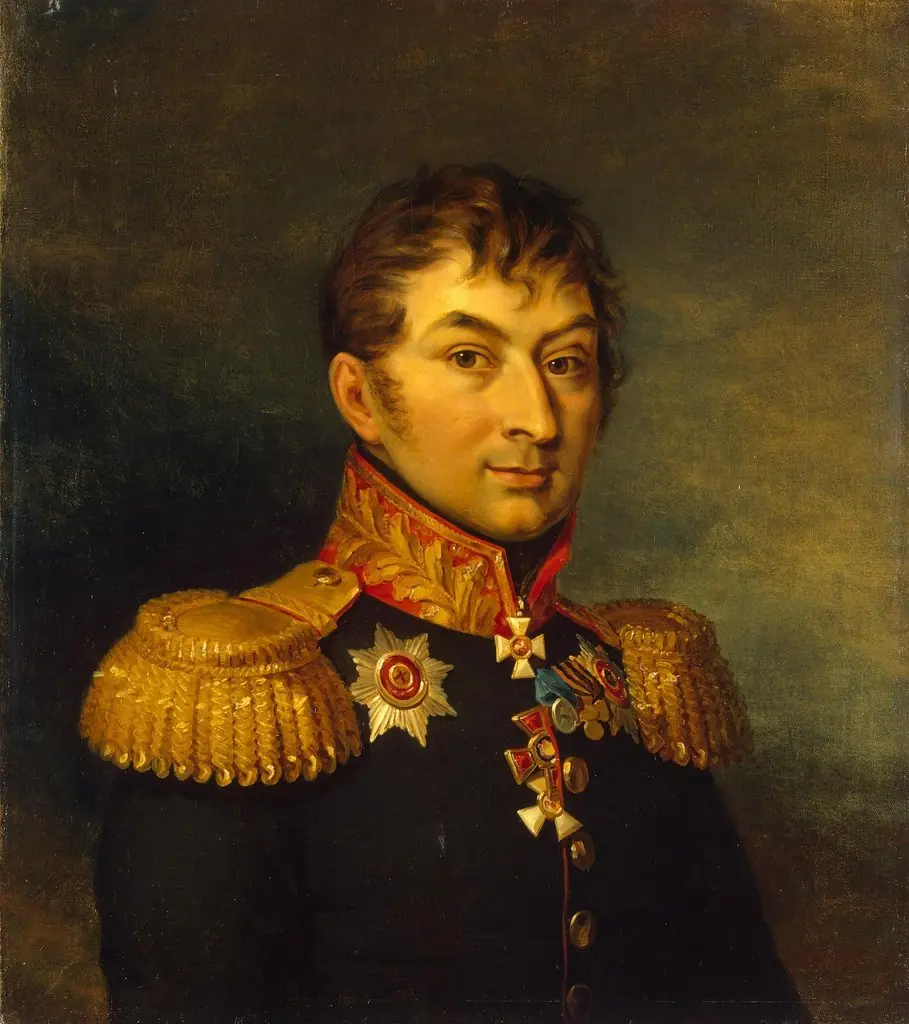 Portrait of Ivan D. Panchulidzev (1759-1815) (1st)
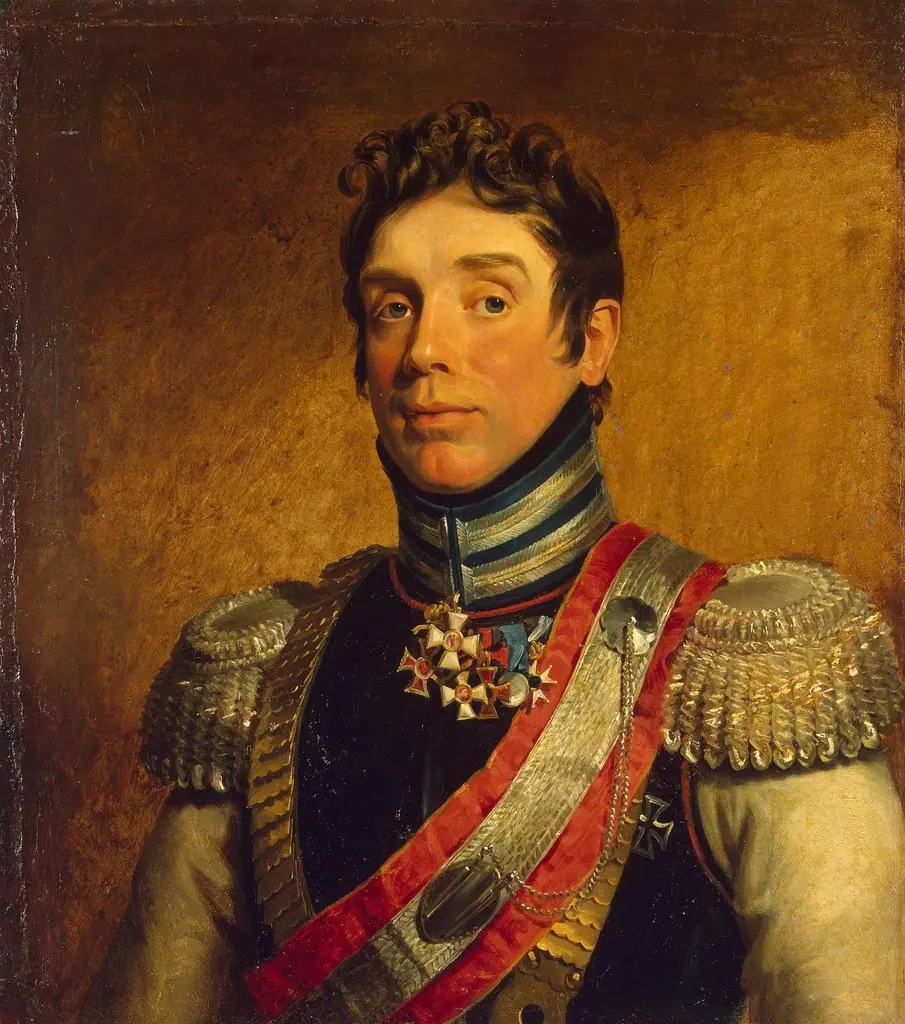 Portrait of Karl V. Budberg (1774-1829)
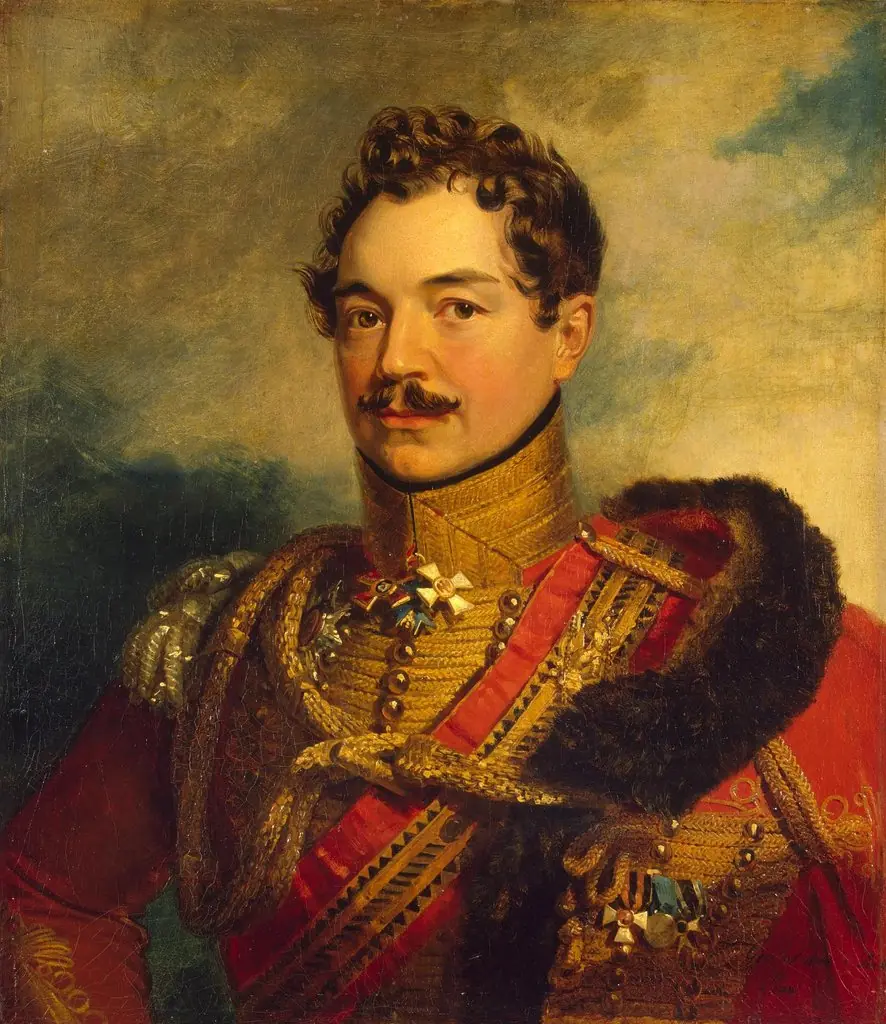 Portrait of Vasily V. Levashov (1783-1848)
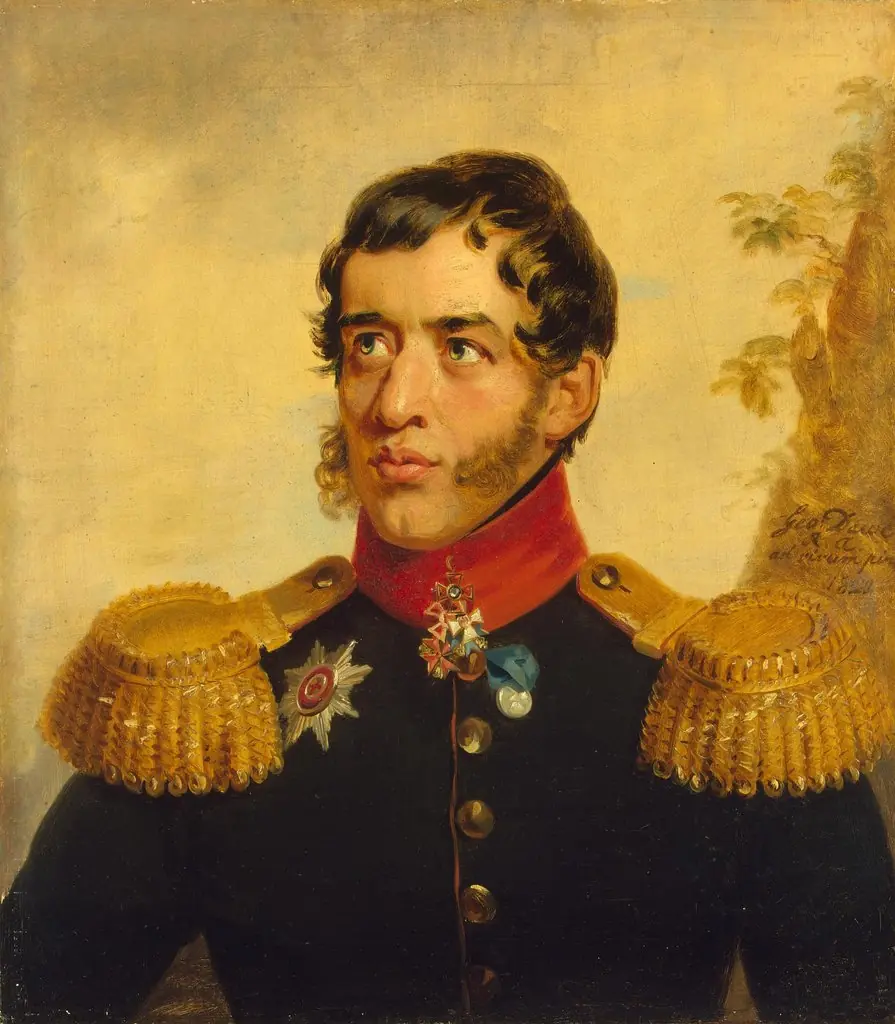 Portrait of Sergey G. Volkonsky (1788-1865)
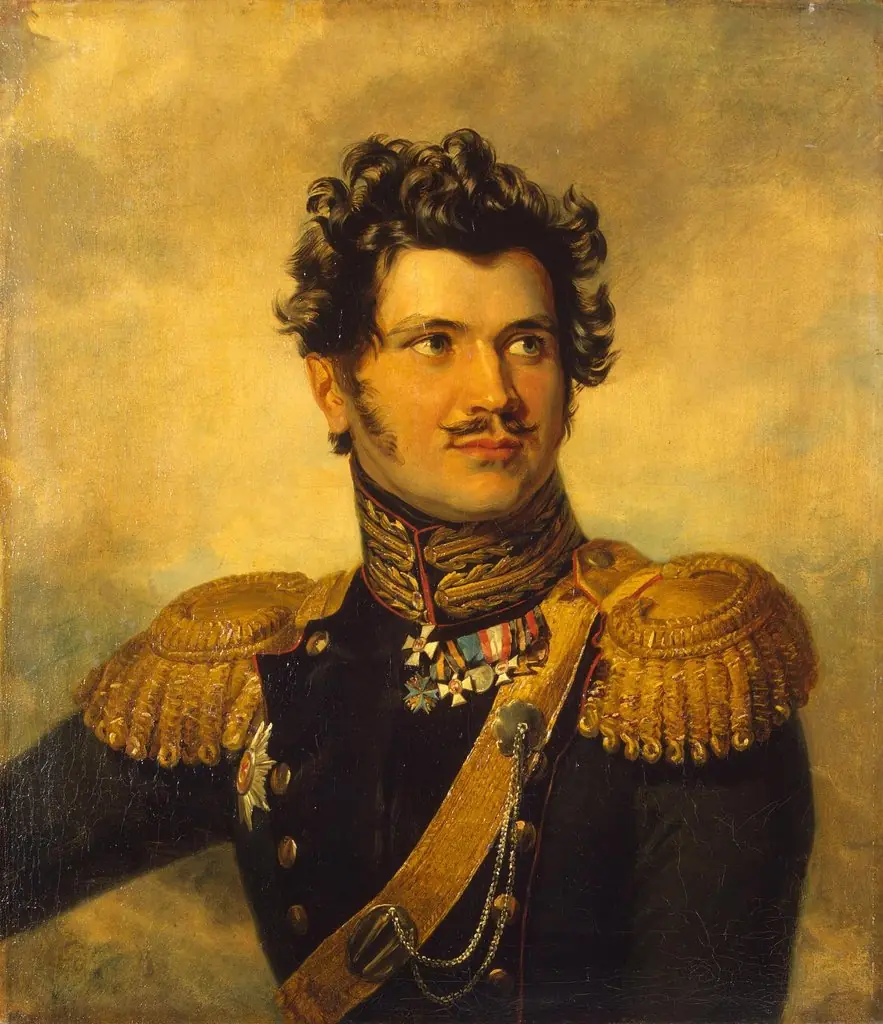 Portrait of Ivan O. Sukhozanet (1788-1861)
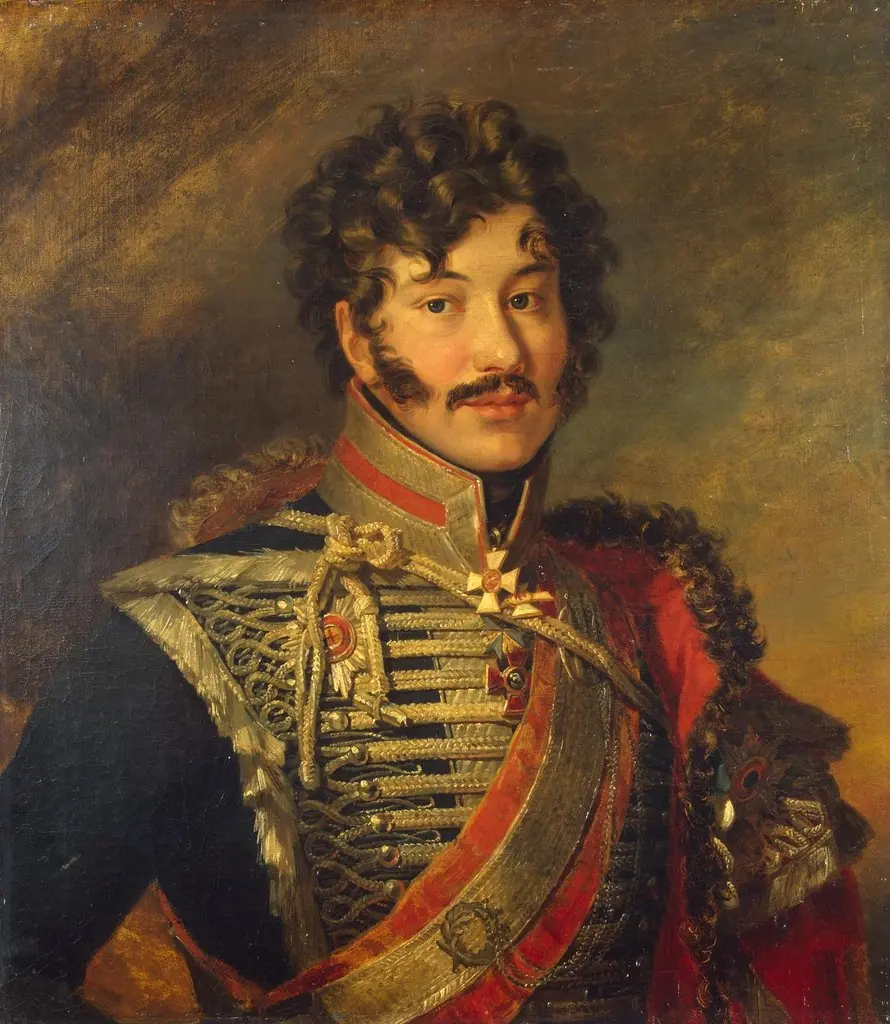 Portrait of Sergey N. Lanskoy (1774-1814)
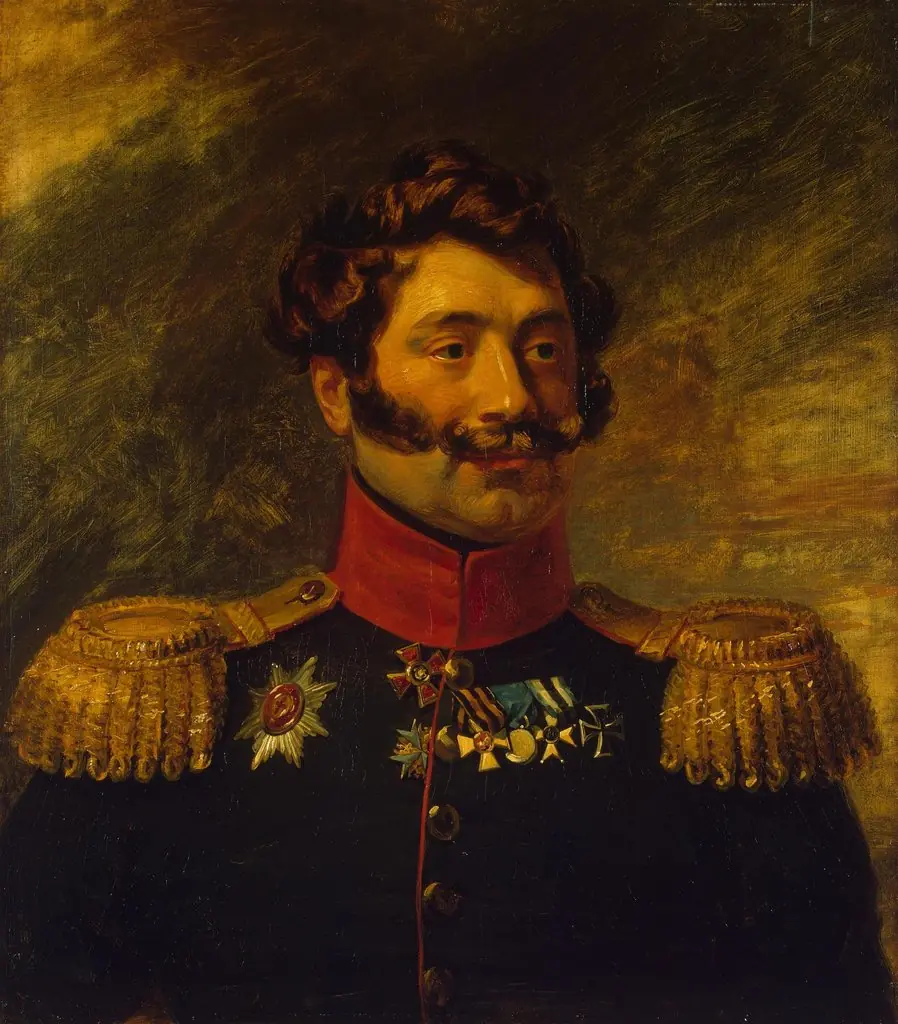 Portrait of Stepan A. Khilkov (1785-1854)
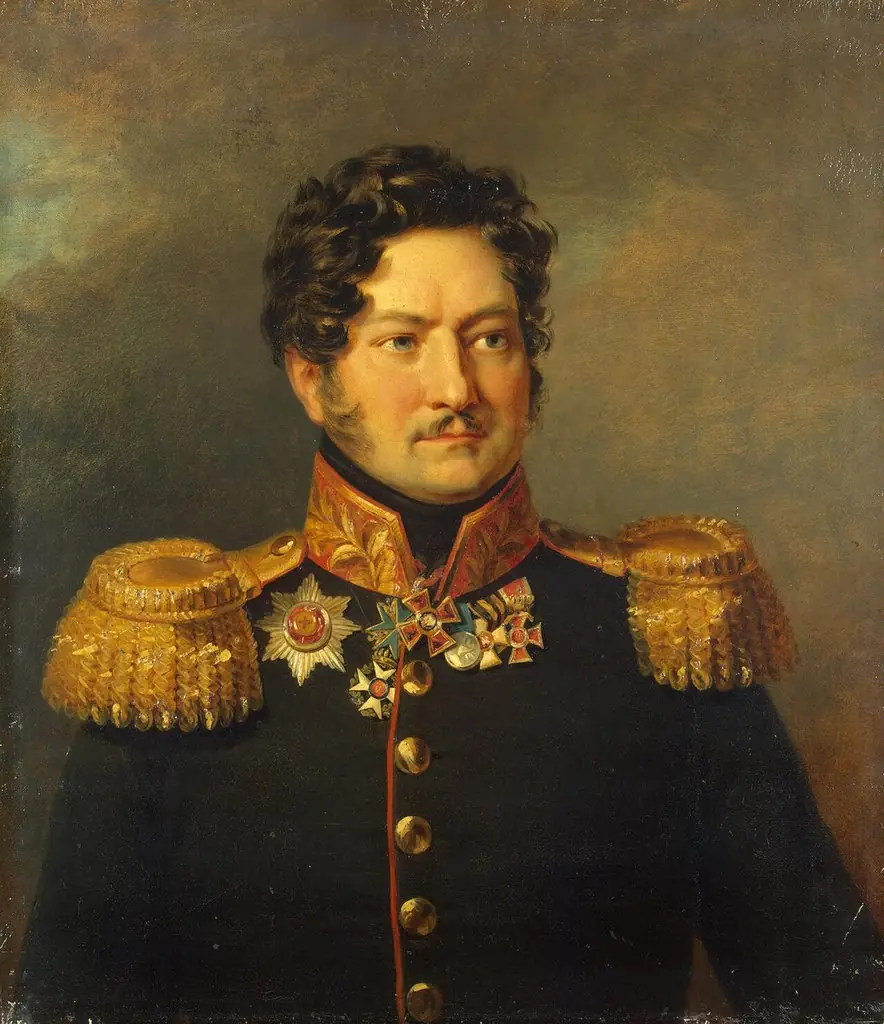 Portrait of Dmitry L. Ignatyev (1771-1833)
 Portrait of Mikhail F. Naumov (1757-1823)
 Portrait of Pyotr A. Kikin (1775-1834)
 Portrait of Boris Ya. Knyazhnin (1777-1854) (2nd)