Artwork
Little Red Riding Hood
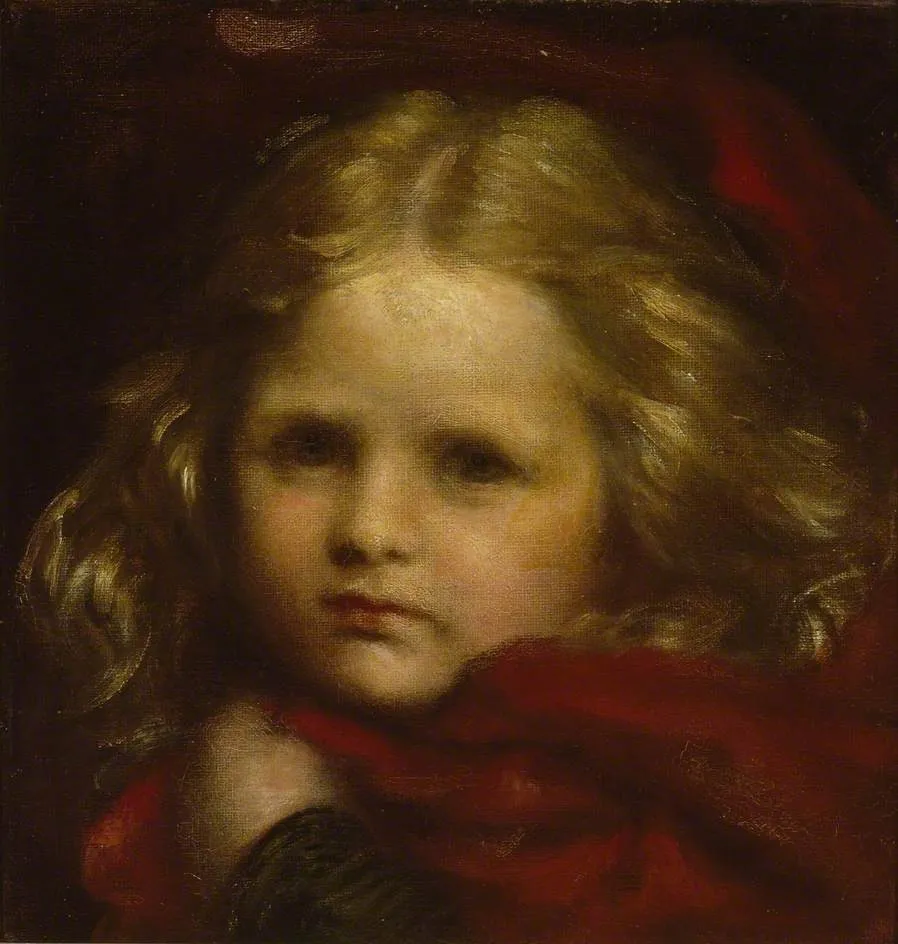
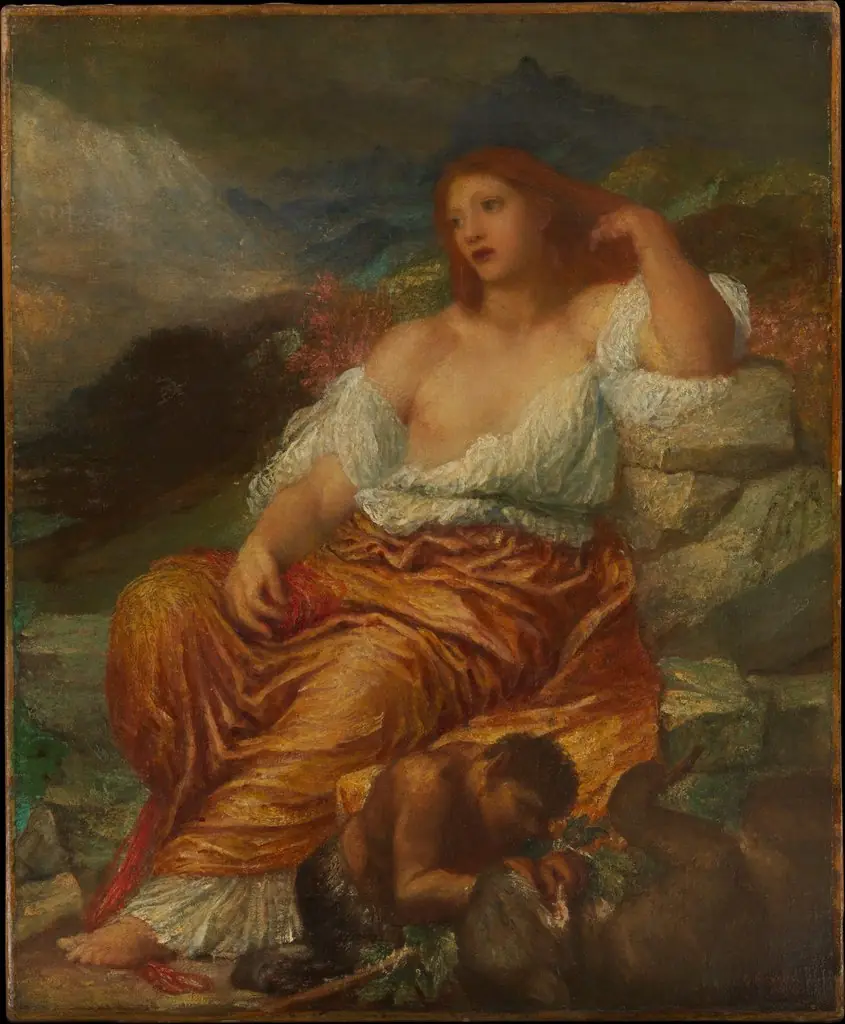
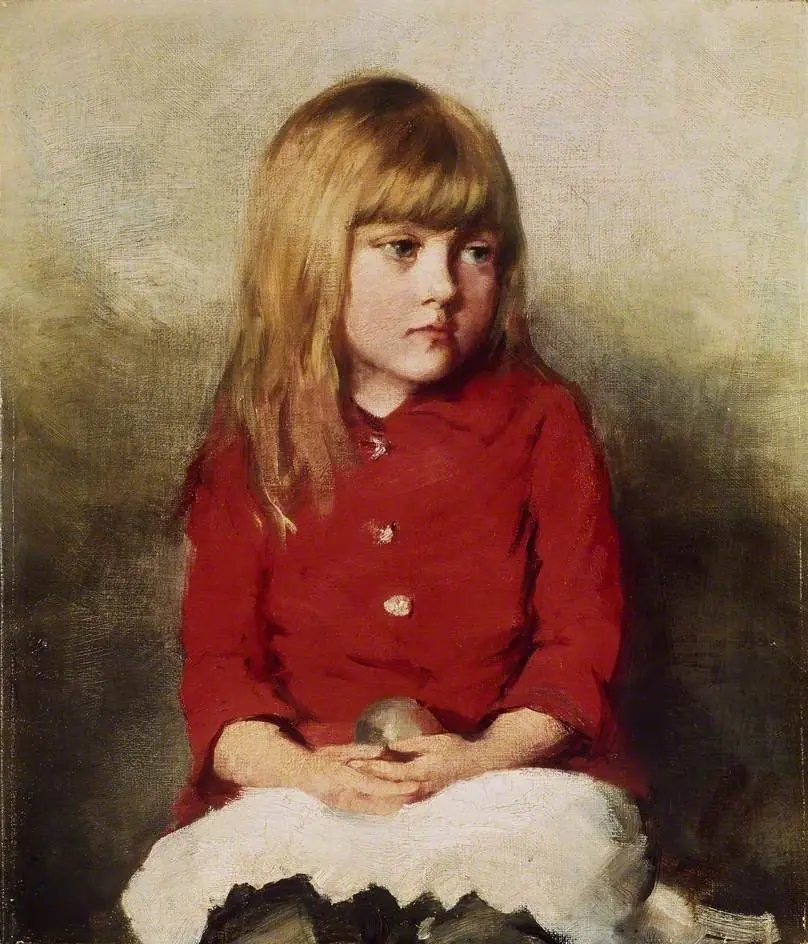
Little Red Riding Hood is an oil painting by the British Romanticist artist George Frederic Watts. It dates from 1864 and is held in the collection of the Ashmolean Museum.
About this work
Overview
George Frederic Watts, a British artist linked to Symbolist tendencies, completed an oil painting titled *Little Red Riding Riding Hood* in 1864. The work portrays the eponymous fairy‑tale heroine and is currently part of the Ashmolean Museum’s collection.
Subject & Meaning
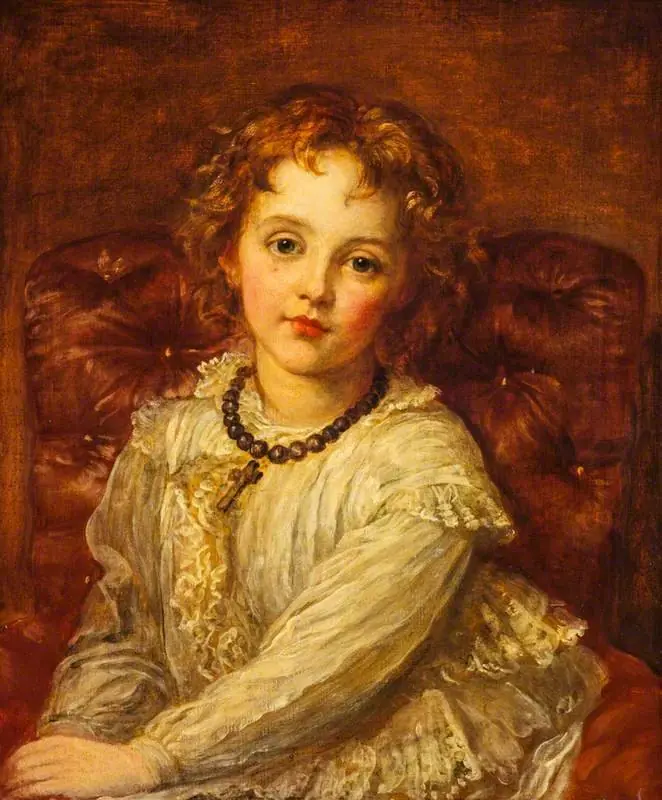
The canvas centers on a youthful girl with blonde curls, clad in a vivid red hooded cloak. She meets the viewer’s gaze with a composed, slightly smiling expression, suggesting a moment of contemplation rather than the story’s usual suspense. The stark contrast between her illuminated figure and the surrounding darkness emphasizes her presence.
Technique & Style
Watts employs a smooth, detailed rendering of the girl’s face, using fine brushwork to capture the softness of skin and the sheen of hair. The red cloak is painted with saturated pigment, making it the focal point against a muted, shadowy background. The overall handling reflects the Romantic‑influenced allegorical approach characteristic of his mid‑nineteenth‑century output.
History & Provenance
Created during the height of British Romanticism, the painting formed part of Watts’s broader ambition to produce a series of allegorical works for his unrealised “House of Life” project. After changing hands over the ensuing decades, the piece entered the Ashmolean Museum’s holdings, where it remains on display.
Context
Watts’s interest in moral and literary subjects aligns with the Symbolist movement’s focus on deeper narrative layers. By selecting a well‑known folk character, he transforms a popular tale into a vehicle for exploring innocence, vigilance, and the tension between youth and danger, themes recurrent in his allegorical oeuvre.
Artist & collection
Artist
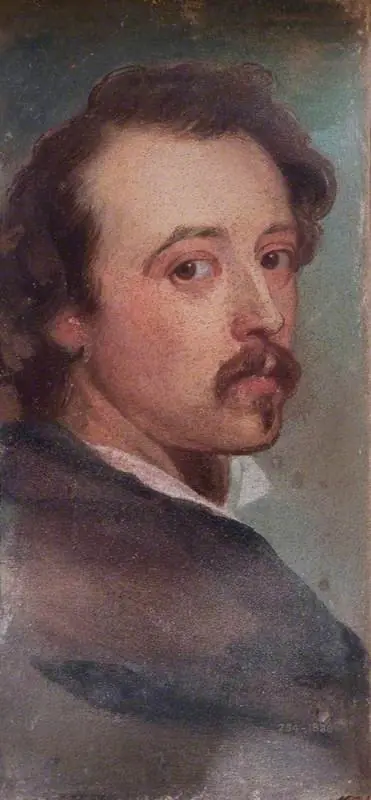
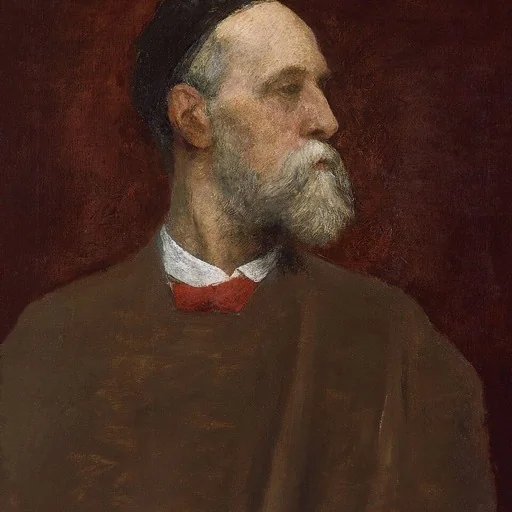
George Frederic Watts (23 February 1817 – 1 July 1904) was a British painter and sculptor associated with the Symbolist movement.