Artwork
Cap de negru
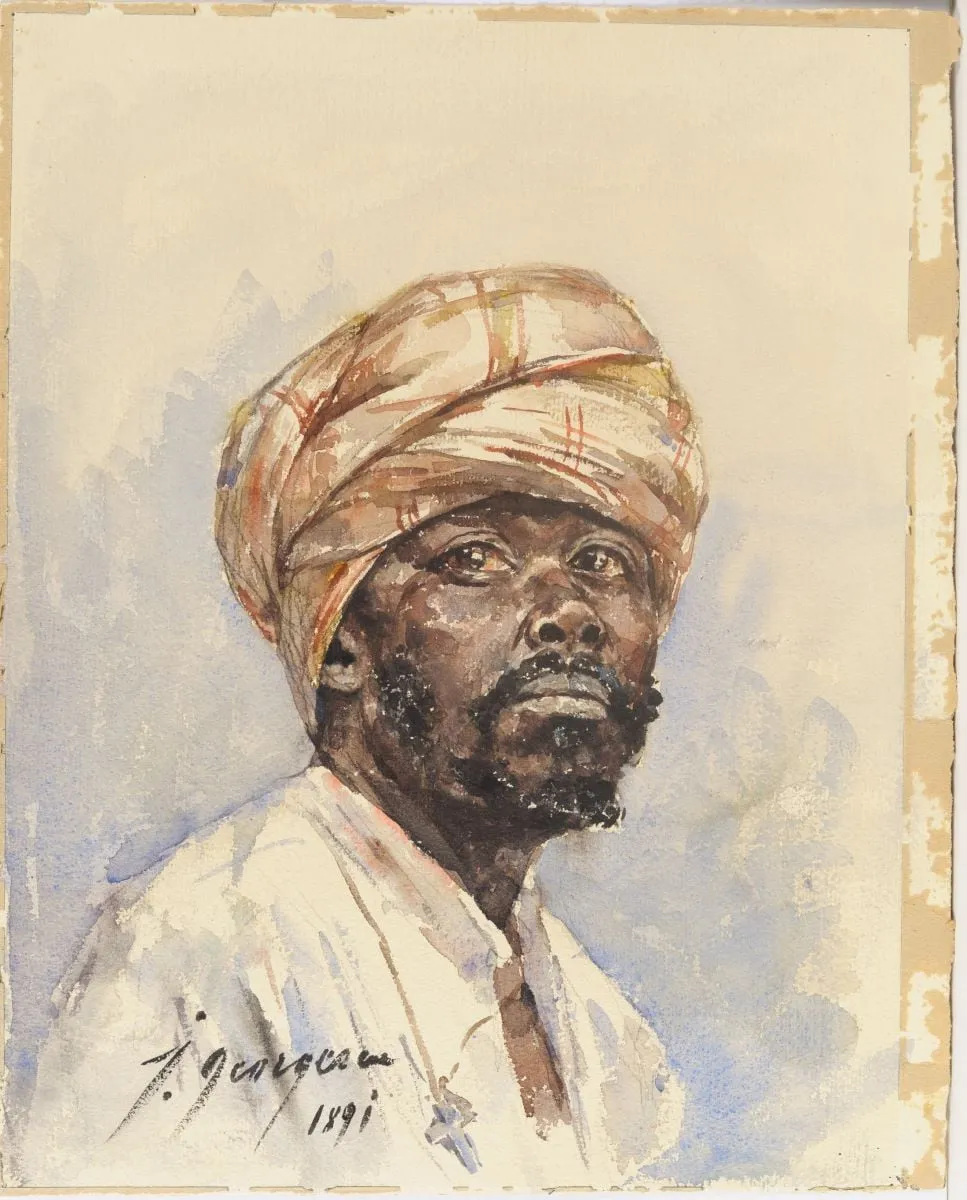
Cap de negru is an unspecified painting by the Impressionist artist Ion Georgescu. It dates from 1891 and is held in the collection of the National Museum of Art of Romania.
About this work
His face is dark, with a mustache and beard, and he looks straight ahead with a serious expression.
This sketch shows a man’s head and shoulders. He wears a light-colored turban with red stripes and a loose white collar. The background is plain, with soft blue and gray washes. His face is dark, with a mustache and beard, and he looks straight ahead with a serious expression.
The painting is signed "Georgescu" and dated 1891 in the corner. The brushstrokes are loose, blending colors quickly—like a snapshot.
Next, look up Georgescu, Ion to see more of his work.
Overview
Created in 1891 by Romanian artist Ion Georgescu, this small-scale sketch captures a single figure in quiet intensity. Executed in watercolor and ink, it presents a seated man’s head and shoulders against a muted, atmospheric background. The work bears the artist’s signature and date, indicating its status as a deliberate study rather than a casual doodle. Its immediacy suggests a direct observation, possibly from life.
Subject & Meaning
The subject is a man of African descent, depicted with dignity and without overt narrative. His dark skin contrasts with the light turban and white collar, drawing attention to his gaze—direct, composed, and unyielding. The absence of context or symbolic elements invites focus on his presence alone. The portrait resists exoticism, presenting the individual as a person rather than a type.
Technique & Style
Georgescu employed rapid, fluid brushwork to suggest form with minimal strokes. Washes of soft blue and gray establish a neutral space, while the turban’s red stripes and the collar’s white highlight are applied with restrained precision. The face, rendered in darker tones, shows subtle modeling through layered washes rather than sharp outlines. The technique conveys spontaneity without sacrificing structural clarity.
History & Provenance
The work originates from Georgescu’s early period, likely produced during his studies or travels in the 1890s. It remained in private hands for much of the 20th century before entering a public collection. Its survival as a standalone sketch, rather than part of a larger composition, suggests it was valued for its expressive power even in its unfinished state.
Context
In late 19th-century Romania, depictions of non-European figures were rare in academic art. Georgescu’s focus on a single individual, without stereotyping or theatricality, aligns with emerging realist tendencies in Eastern European painting. The work reflects broader European interest in ethnographic observation, yet avoids the colonial gaze by emphasizing quiet humanity over exotic detail.
Legacy
This sketch stands as one of the earliest known Romanian portraits of an African man rendered with psychological depth. It contributes to a quieter, less documented strand of Eastern European realism that prioritized individual presence over grand narrative. Though not widely exhibited, it remains a significant reference in studies of identity and representation in Balkan art.
Artist & collection
Artist
Ion Georgescu made paintings and prints in the late 1800s, mostly portraits and figure studies.

 Mies Marrakechista
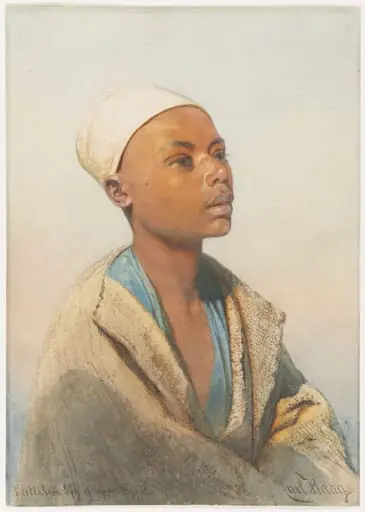 Hassan: A Fellah Boy of Upper Egypt
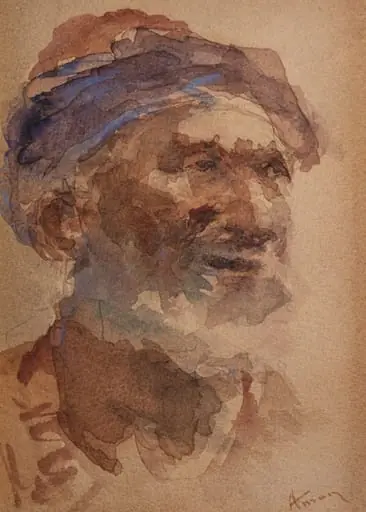 Turc bătrân
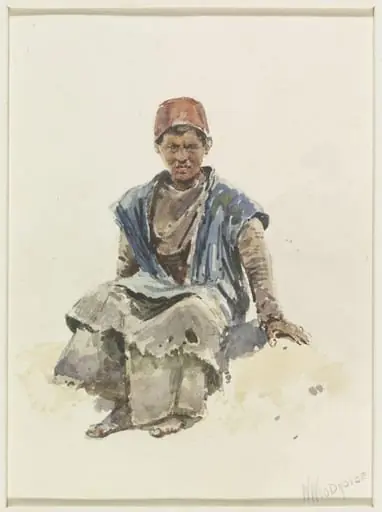 Arab Lad
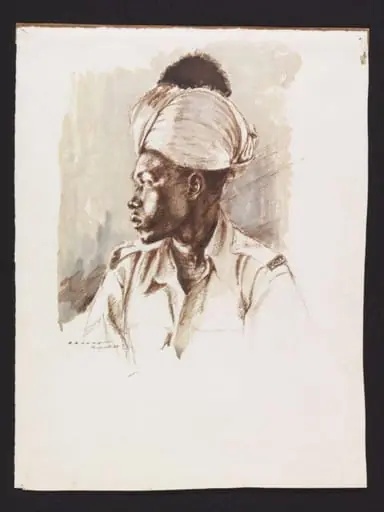 Soldier of Sudanese Camel Corps
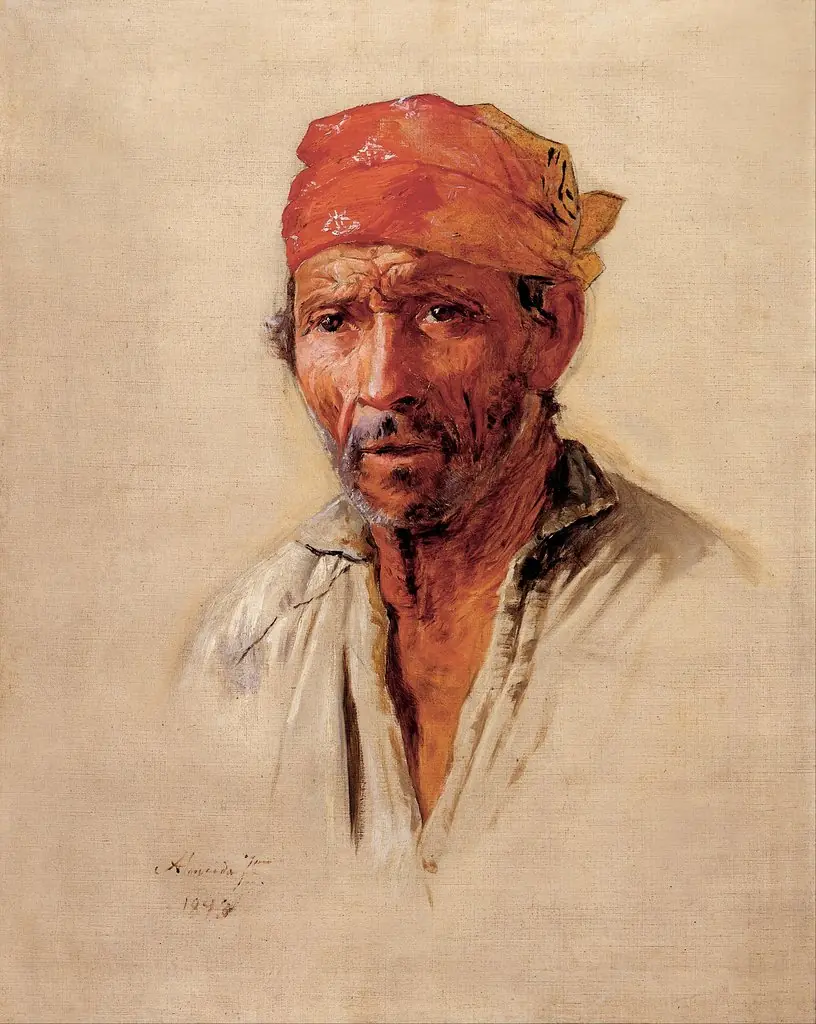 Study of Caipira’s Head
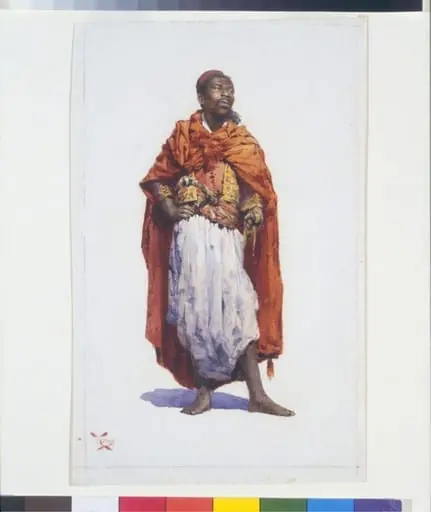 North African man in travelling costume
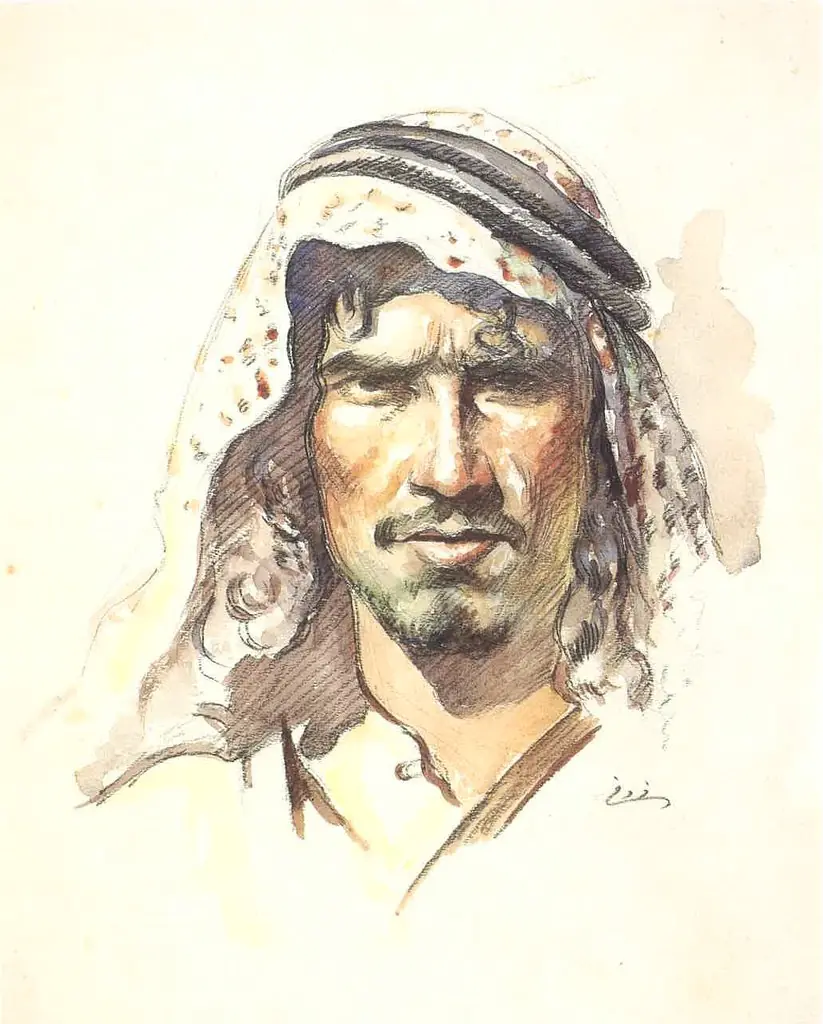 A Bedouin's Portrait
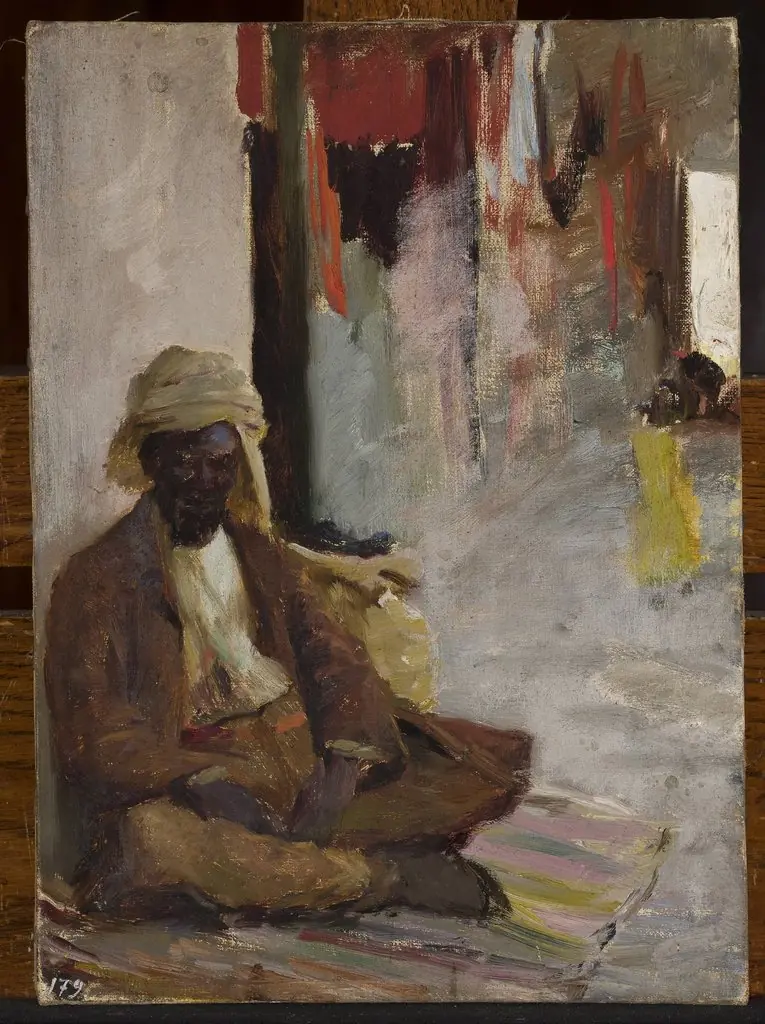 Young Tartar in Bakhchisaray. From the journey to Crimea
 Îmblânzitori de șerpi
 Ali the fisherman
 An Elderly Jew and a Muslim Tartar in the Crimea