Artwork
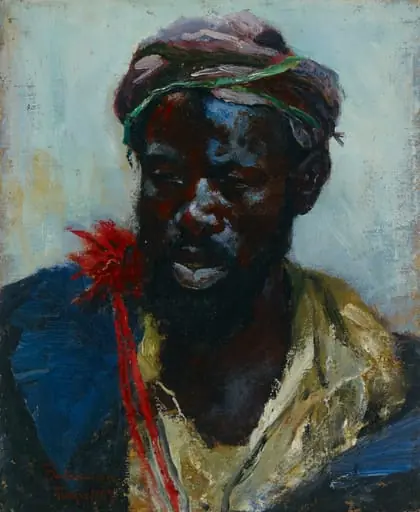
Study of Caipira’s Head
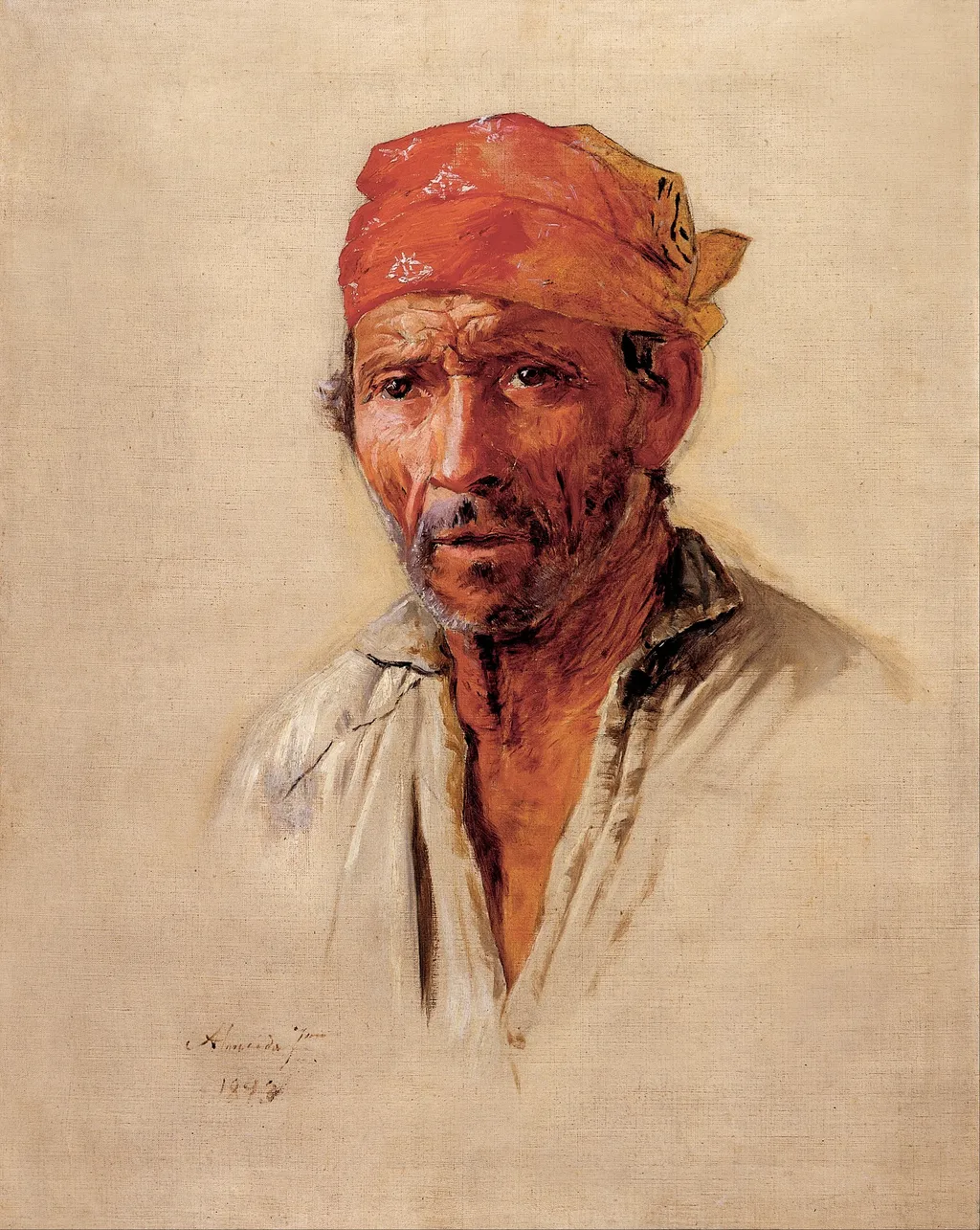
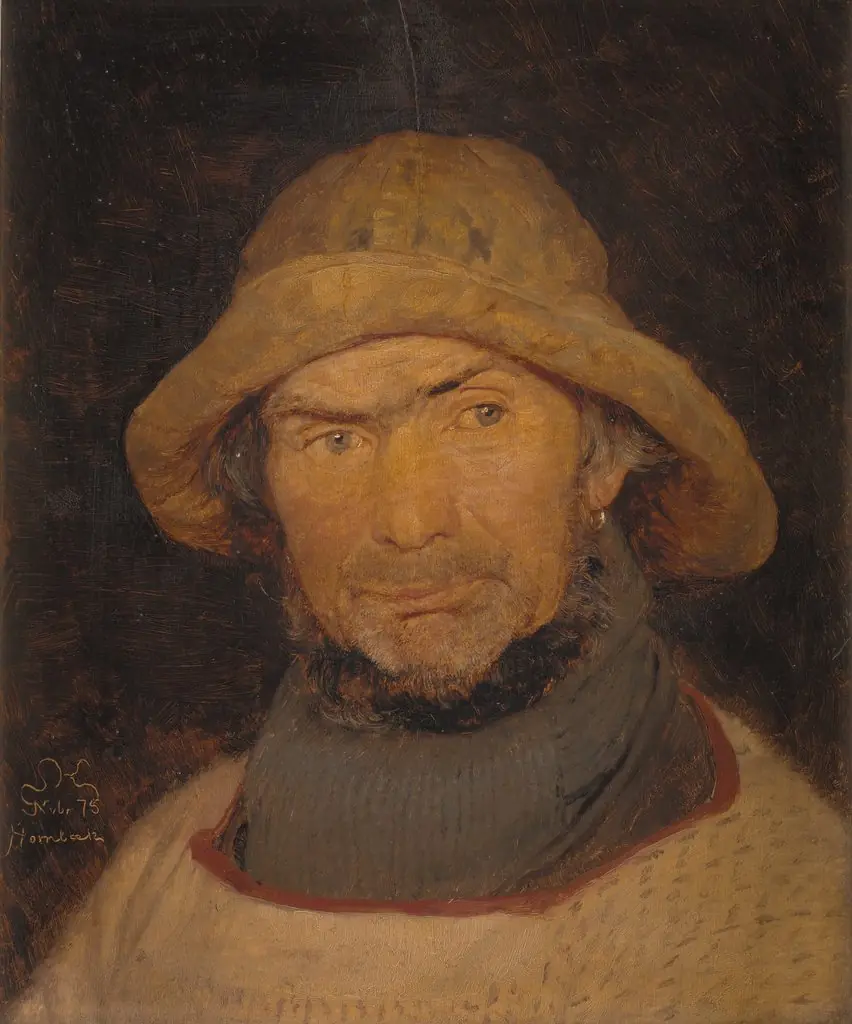
Study of Caipira’s Head is an oil painting by José Ferraz de Almeida Júnior. It dates from 1897 and is held in the collection of the Pinacoteca de São Paulo.
About this work
Overview
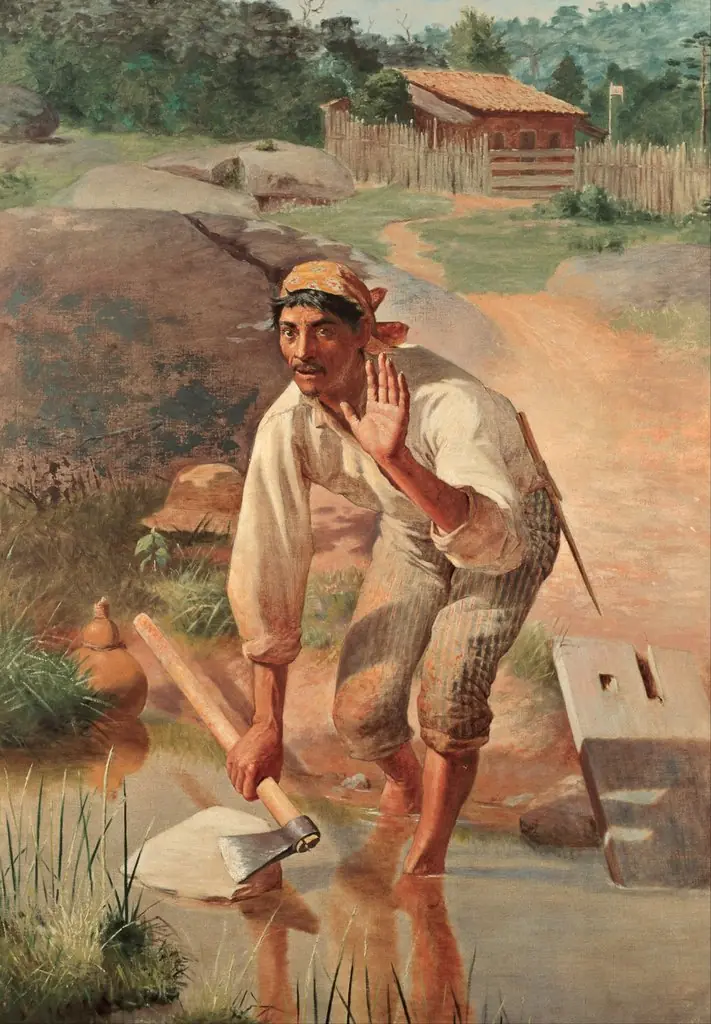
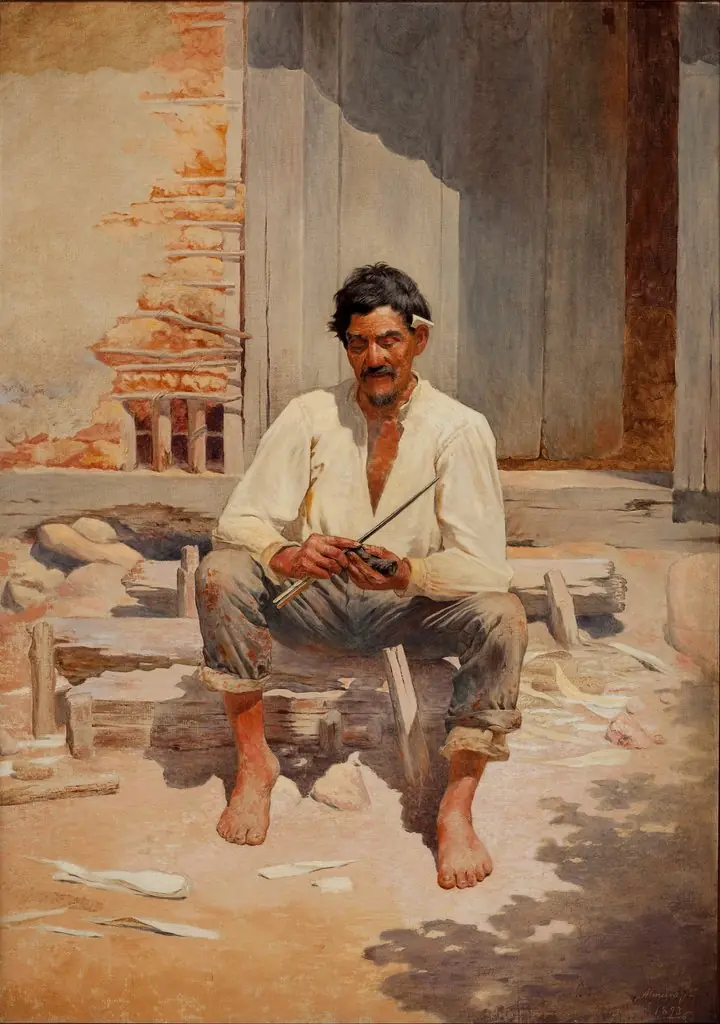
Created in 1897, *Study of Caipira’s Head* is an oil painting by Brazilian artist José Ferraz de Almeida Júnior. The work presents a close‑up portrait of a rural man, rendered with careful attention to facial expression and texture. It resides in the collection of the Pinacoteca do Estado de São Paulo, where it exemplifies the artist’s focus on everyday Brazilian subjects.
Subject & Meaning
The figure depicted is a caipira—a term for a country dweller in Brazil—shown from the shoulders up, wearing a red bandana and a plain white shirt. His gaze meets the viewer directly, and his solemn expression conveys a sense of dignity and resilience often associated with rural life in the late nineteenth century.
Technique & Style
Almeida Júnior employs a realistic approach influenced by French Realists such as Courbet and Millet, using a muted palette of earthy skin tones against a light beige background. The oil medium allows subtle modeling of flesh and fabric, while the contrast of the bright red bandana draws attention to the subject’s face, emphasizing texture and volume.
History & Provenance
After its completion, the painting entered the holdings of the Pinacoteca do Estado de São Paulo, one of Brazil’s principal art institutions. Its acquisition reflects the museum’s early commitment to preserving works that document national identity through the lens of Realist painting, situating Almeida Júnior among the pioneers of modern Brazilian art.
Own this work as a print
Artist & collection
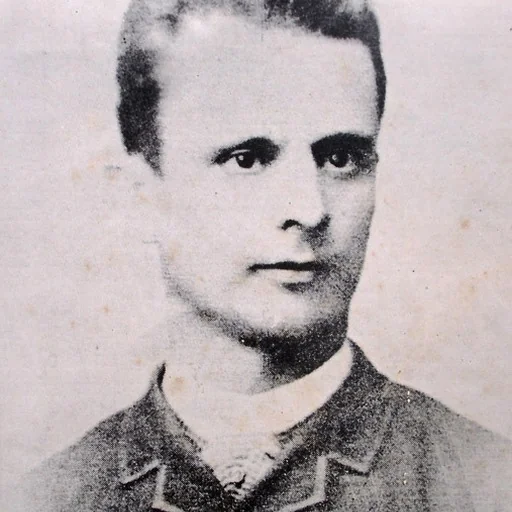
Artist
José Ferraz de Almeida Júnior (8 May 1850 – 13 November 1899) was a Brazilian artist and designer; one of the first there to paint in the Realistic tradition of Gustave Courbet and Jean-François Millet.