Artwork
Childhood of Christ
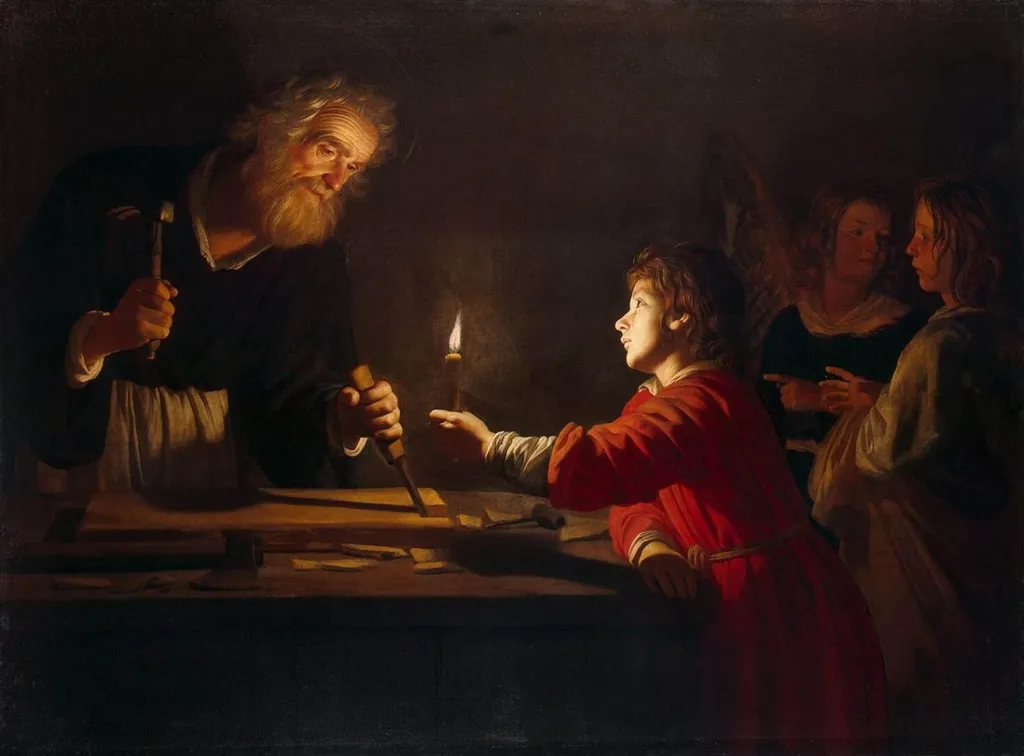
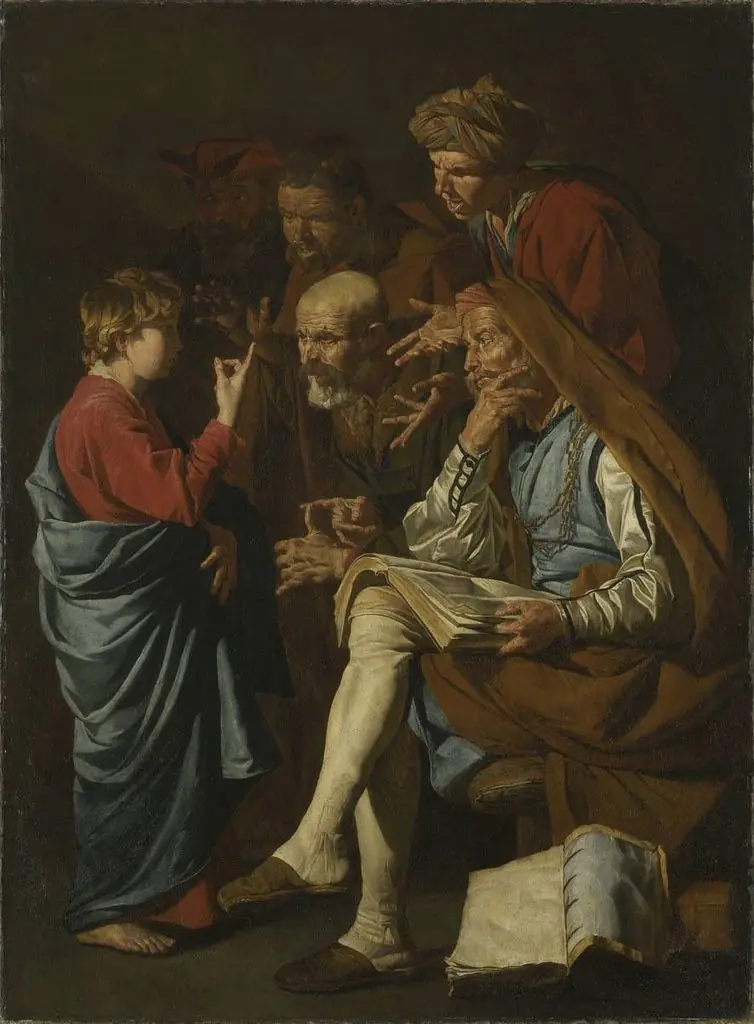
Childhood of Christ is an oil painting by the Dutch Golden Age artist Gerard van Honthorst. It dates from 1620 and is held in the collection of the Hermitage Museum.
About this work
Overview
Executed during the Dutch Golden Age, it reflects the artist’s engagement with Italian Caravaggism, particularly in its dramatic use of light.
Painted in 1620 by Gerard van Honthorst, this oil-on-canvas work depicts a quiet moment from the early life of Christ. Executed during the Dutch Golden Age, it reflects the artist’s engagement with Italian Caravaggism, particularly in its dramatic use of light. Though religious in subject, the scene is rendered with intimate, domestic realism rather than grandeur, aligning with Northern European traditions of devotional imagery.
Subject & Meaning
The scene portrays the young Jesus as a carpenter’s apprentice, engaged in manual labor alongside other children. The older man, likely Joseph, observes quietly, emphasizing humility and diligence. The inclusion of bystanders suggests a communal setting, reinforcing the idea of Christ’s earthly upbringing. The focus on ordinary work transforms a sacred narrative into a relatable human moment, inviting contemplation rather than awe.
Technique & Style
Van Honthorst employs chiaroscuro to model forms through stark contrasts between candlelight and deep shadow. The single light source illuminates the boy’s face and red sleeve, drawing attention to his concentration. Brushwork is precise yet unobtrusive, allowing the play of light to dominate the composition. The technique creates tactile volume and spatial depth, enhancing the scene’s quiet realism without theatricality.
History & Provenance
Van Honthorst painted this during his mature period in Utrecht, after returning from Rome, where he absorbed Caravaggio’s lighting innovations. The work reflects his transition from religious scenes to portraiture, though this piece retains his signature nocturnal illumination. Its early 17th-century origins place it among Dutch artists reinterpreting Italian Baroque styles for Northern audiences, though its specific early ownership remains undocumented.
Context
In early 17th-century Netherlands, religious imagery persisted despite Protestant reforms, often rendered in domestic settings to avoid overt Catholic symbolism. Van Honthorst’s depiction of Christ in a workshop aligns with this trend, emphasizing virtue through labor. His exposure to Roman painting, combined with local tastes for intimate scenes, shaped a unique hybrid style that resonated with collectors seeking both piety and naturalism.
Legacy
This painting exemplifies how Dutch artists adapted Italian chiaroscuro for intimate, morally grounded narratives. While van Honthorst later gained fame for portraits, this work remains a key example of his early experimentation with light and emotional restraint. It influenced contemporaries in Utrecht who sought to merge dramatic illumination with everyday subjects, contributing to the broader evolution of genre painting in the Dutch Republic.
Artist & collection
Artist
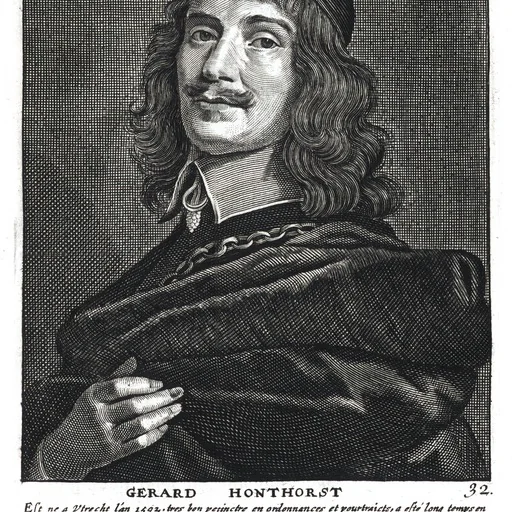
Gerard "Gerrit" van Honthorst (4 November 1592 – 27 April 1656) was a Dutch Golden Age painter who became known for his depiction of artificially lit scenes, eventually receiving the Italian nickname Gherardo delle Notti ("Gerard of the…

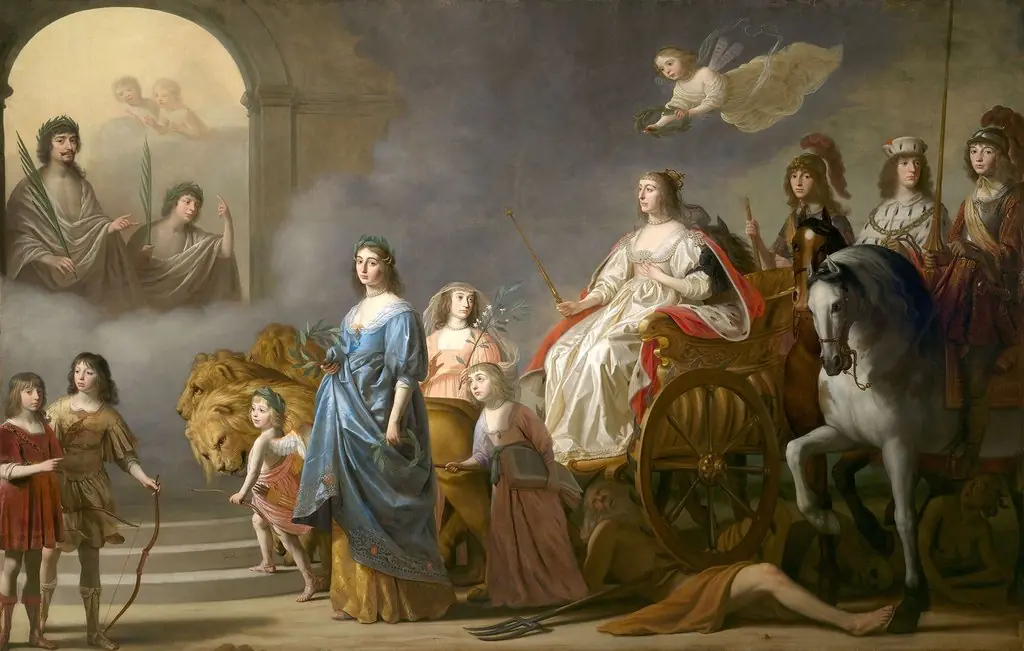 The Triumph of the Winter Queen: Allegory of the Just
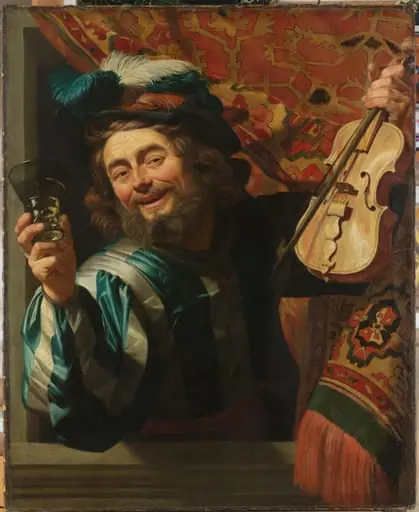 Een vrolijke vioolspeler
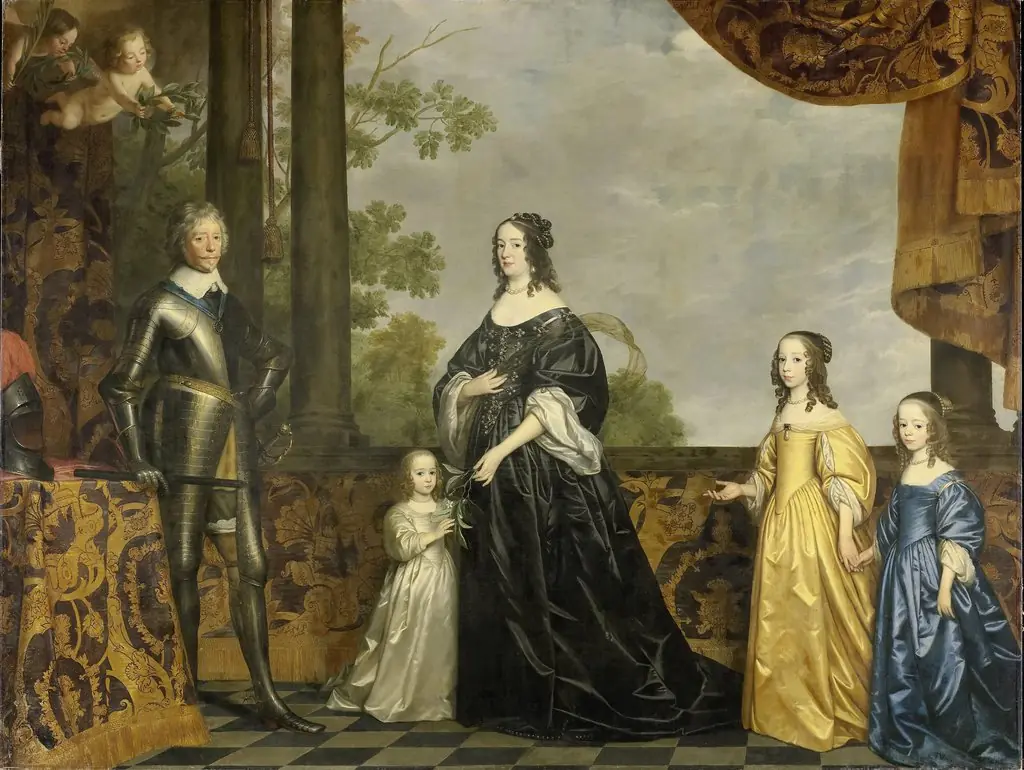 Frederik Hendrik (1584-1647), Prince of Orange, his wife Amalia van Solms (1602-75) and their three youngest daughters, Albertina Agnes (1634-96), Henrietta Catharina (1637-1708) and Maria (1642-88)
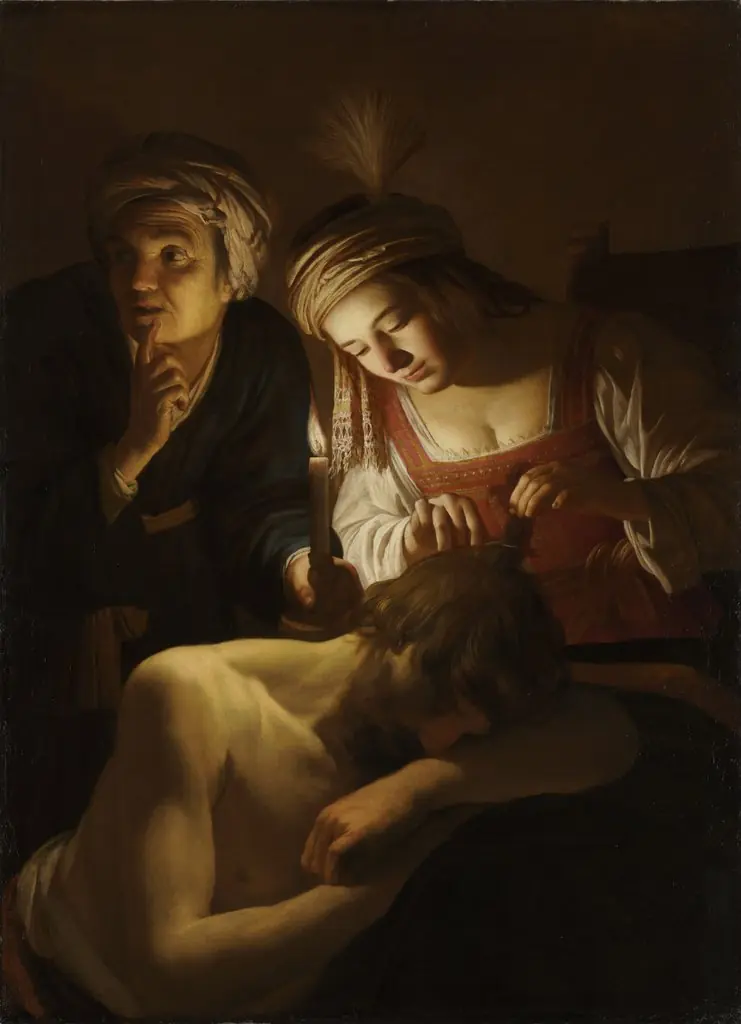 Samson and Delilah
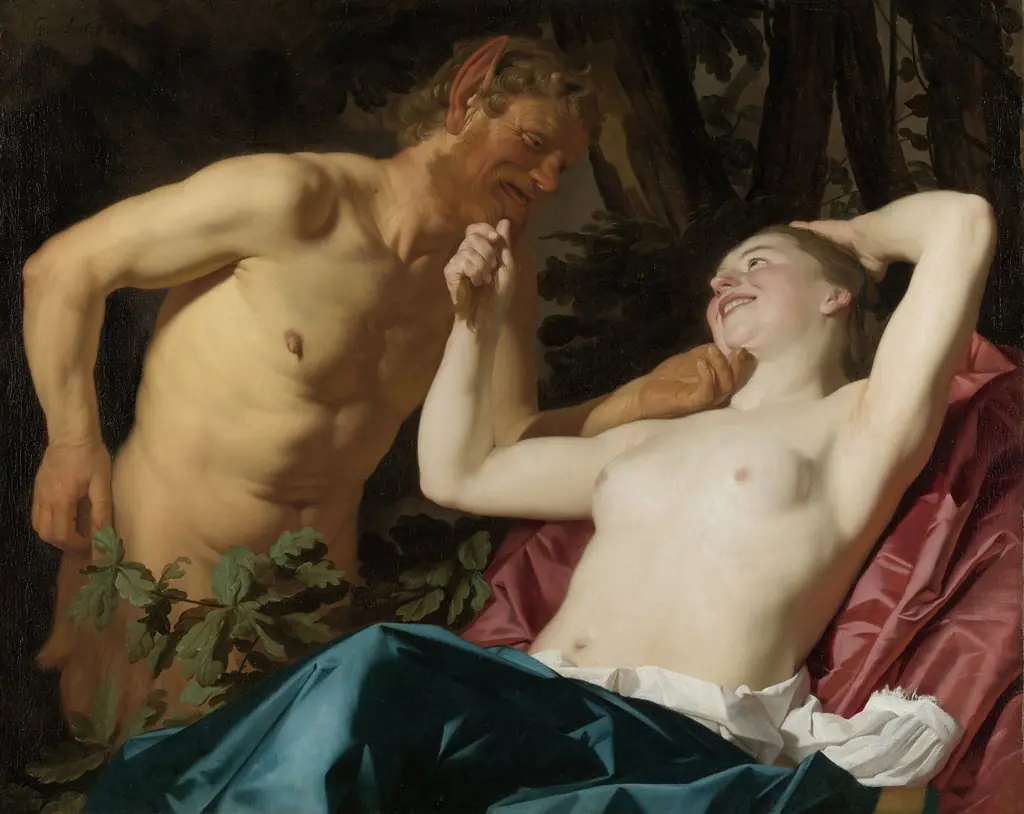 Satyr and Nymph
 Young Woman with a Candlestick, Old Woman and a Violin Player
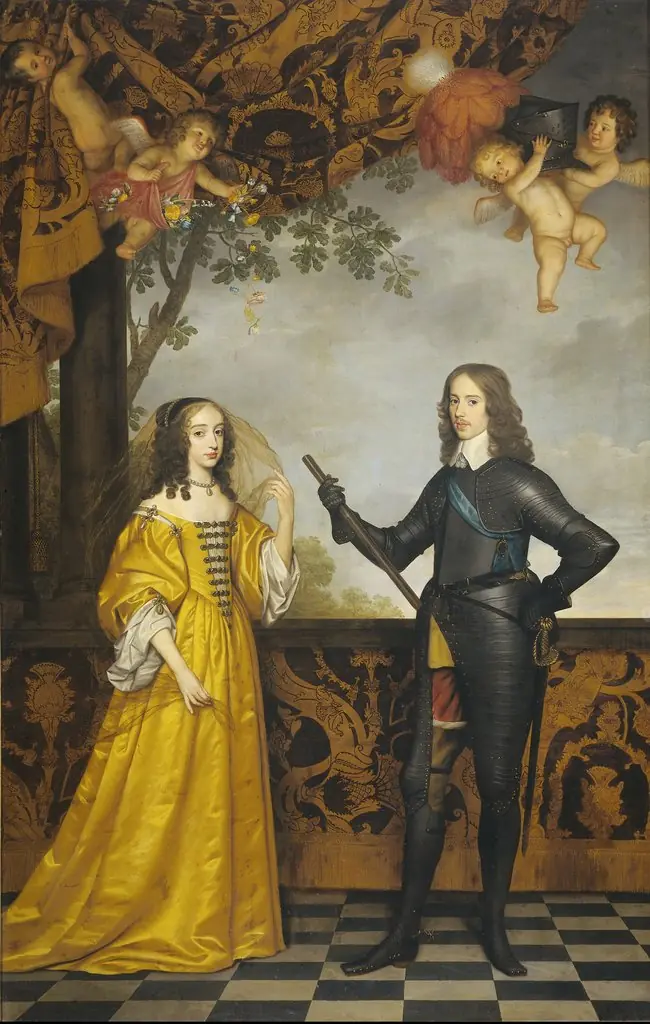 Willem II (1626-50), Prince of Orange, and his wife Maria Stuart (1631-60)
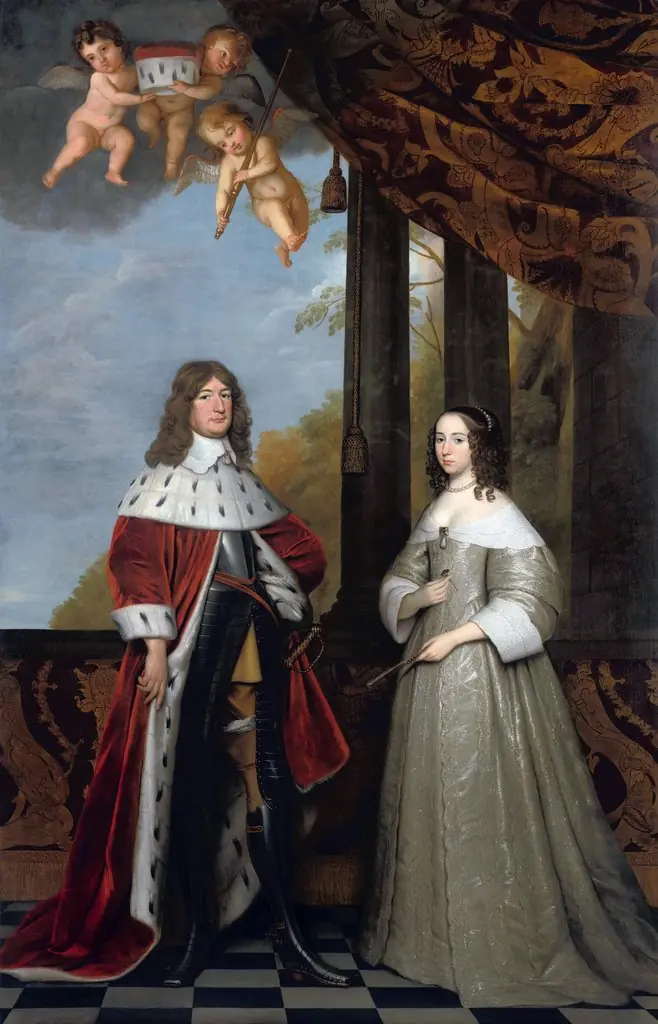 Friedrich Wilhelm (1620-88), Elector of Brandenburg, and his wife Louise Henriette (1627-67), Countess of Orange-Nassau