Artwork
Convival Fellow
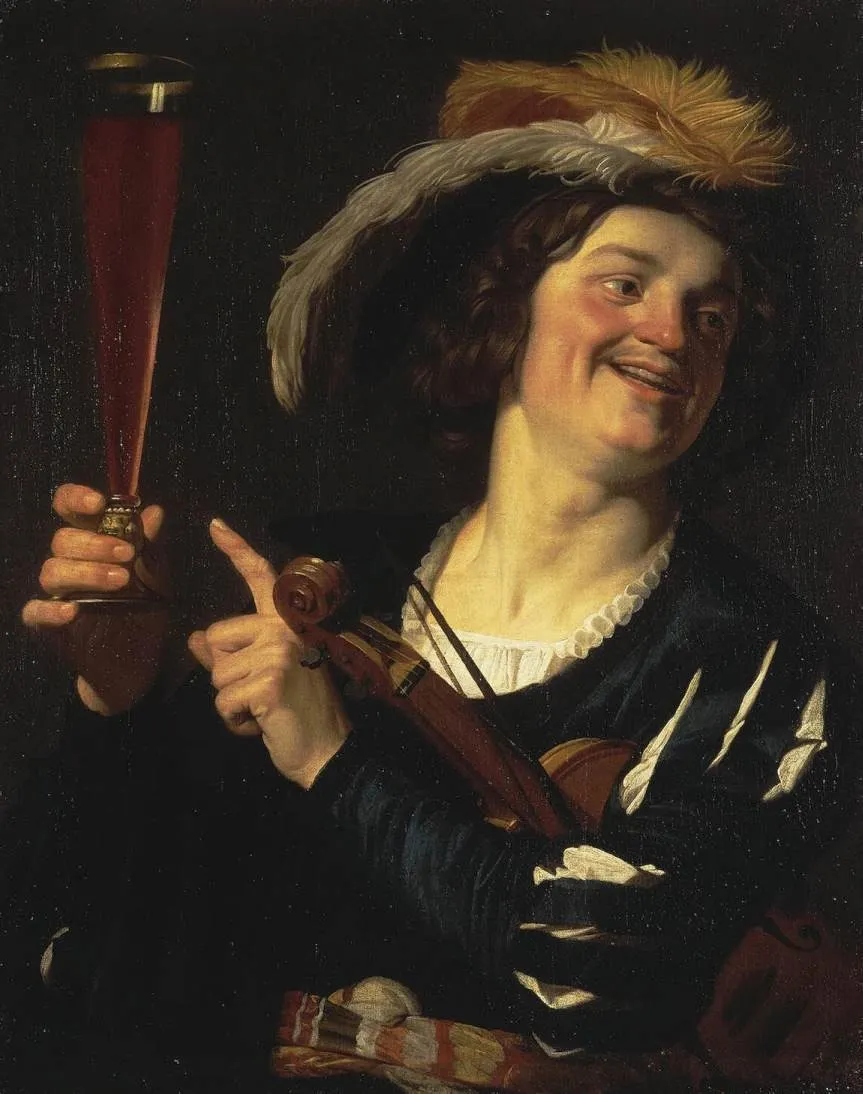
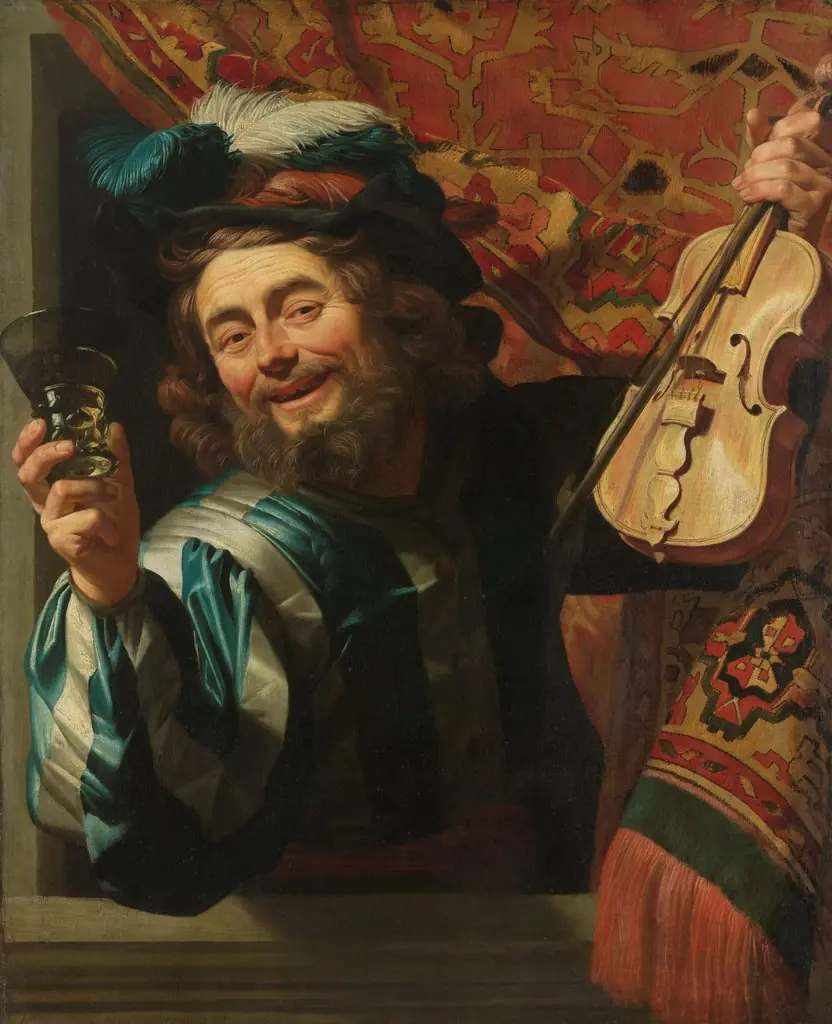
Convival Fellow is an oil painting by the Dutch Golden Age artist Gerard van Honthorst. It dates from 1624 and is held in the collection of the Hermitage Museum.
About this work
Overview
Painted in 1624 by Gerard van Honthorst, *Convivial Fellow* is a genre scene depicting a solitary man illuminated by candlelight.
Painted in 1624 by Gerard van Honthorst, *Convivial Fellow* is a genre scene depicting a solitary man illuminated by candlelight. The work exemplifies the Dutch Golden Age’s interest in intimate, everyday moments, rendered with dramatic lighting. Van Honthorst, influenced by his time in Rome, adapted Caravaggio’s chiaroscuro to Northern European subjects, blending naturalism with theatrical illumination in domestic interiors.
Subject & Meaning
The figure, a man with a feathered hat and loose attire, grins broadly while holding a lit candle. His gesture—pointing to the flame—suggests a moment of revelry or self-aware amusement. The setting, dim and undefined, focuses attention on his expression and the light’s role in shaping mood. Rather than a narrative, the painting captures a fleeting, almost performative emotion, typical of genre scenes that explored human behavior in unidealized settings.
Technique & Style
Van Honthorst employs strong chiaroscuro to isolate the figure’s face and upper body against a near-black background. The candle’s glow renders skin tones with subtle warmth, while shadows deepen the sense of spatial intimacy. Brushwork is precise yet unobtrusive, emphasizing texture in fabric and the flickering quality of light. His technique reflects Roman Caravaggisti influences, refined for Dutch sensibilities that valued realism over grandeur.
History & Provenance
Created during van Honthorst’s mature period after his return from Italy, the painting entered the collection of the State Hermitage Museum in the 18th or 19th century, likely through imperial acquisitions of Dutch art. Its presence in the Hermitage underscores the Russian court’s interest in Northern European genre painting during the Enlightenment era, though its specific ownership history prior to that remains undocumented.
Context
In early 17th-century Utrecht, artists like van Honthorst, ter Brugghen, and van Baburen formed a circle inspired by Caravaggio’s lighting and realism. Their works moved away from religious grandeur toward secular, emotionally charged scenes of ordinary life. *Convivial Fellow* fits within this trend, reflecting a broader cultural fascination with individual expression, nocturnal settings, and the psychological weight of light in private moments.
Legacy
Van Honthorst’s use of artificial light in genre scenes influenced later Dutch painters and helped define the visual language of candlelit interiors in Northern art. While not widely reproduced, *Convivial Fellow* remains a clear example of how Caravaggio’s innovations were localized and adapted. The painting continues to be studied for its quiet psychological depth and technical control of light, rather than for narrative or symbolic content.
Artist & collection
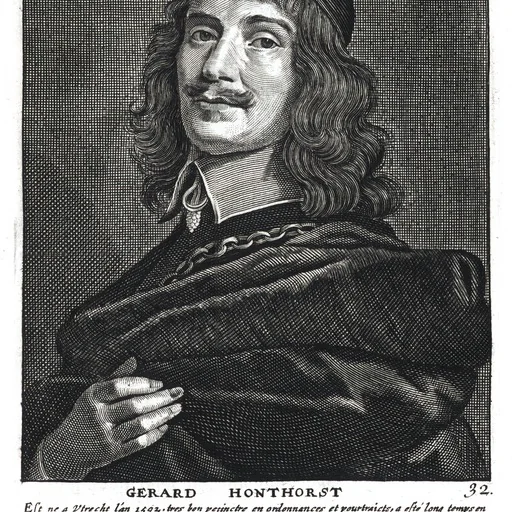
Artist
Gerard "Gerrit" van Honthorst (4 November 1592 – 27 April 1656) was a Dutch Golden Age painter who became known for his depiction of artificially lit scenes, eventually receiving the Italian nickname Gherardo delle Notti ("Gerard of the…

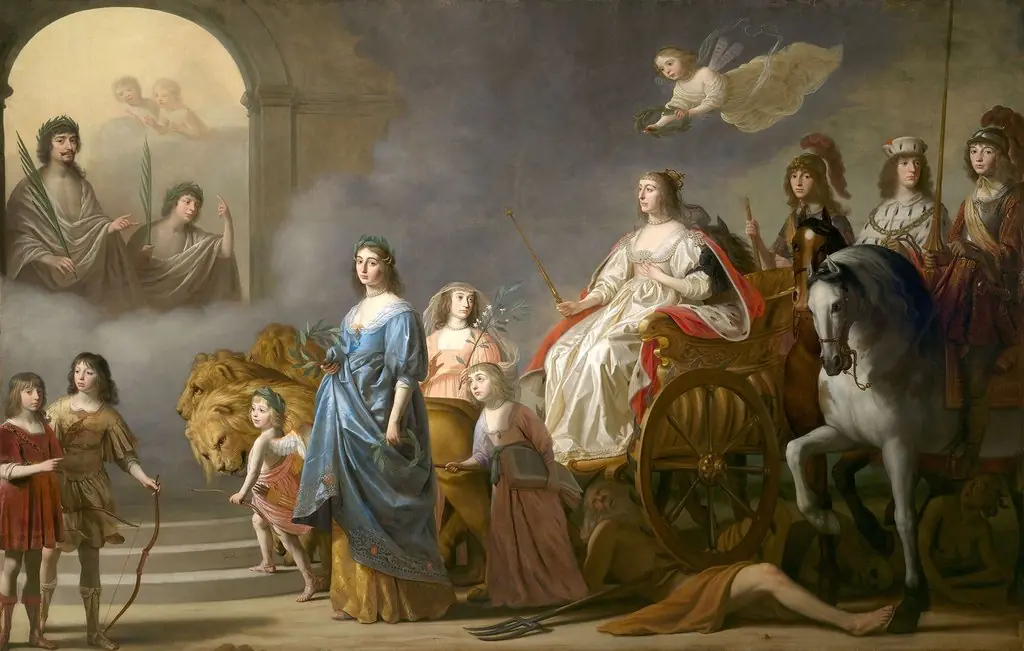 The Triumph of the Winter Queen: Allegory of the Just
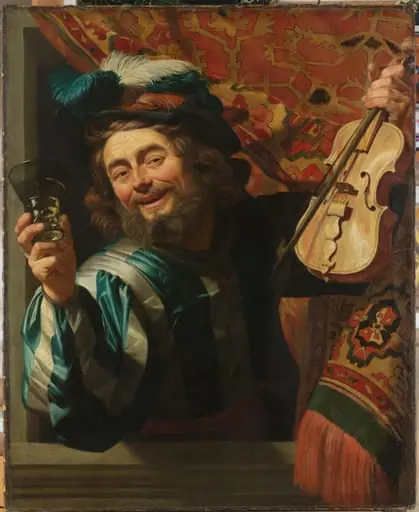 Een vrolijke vioolspeler
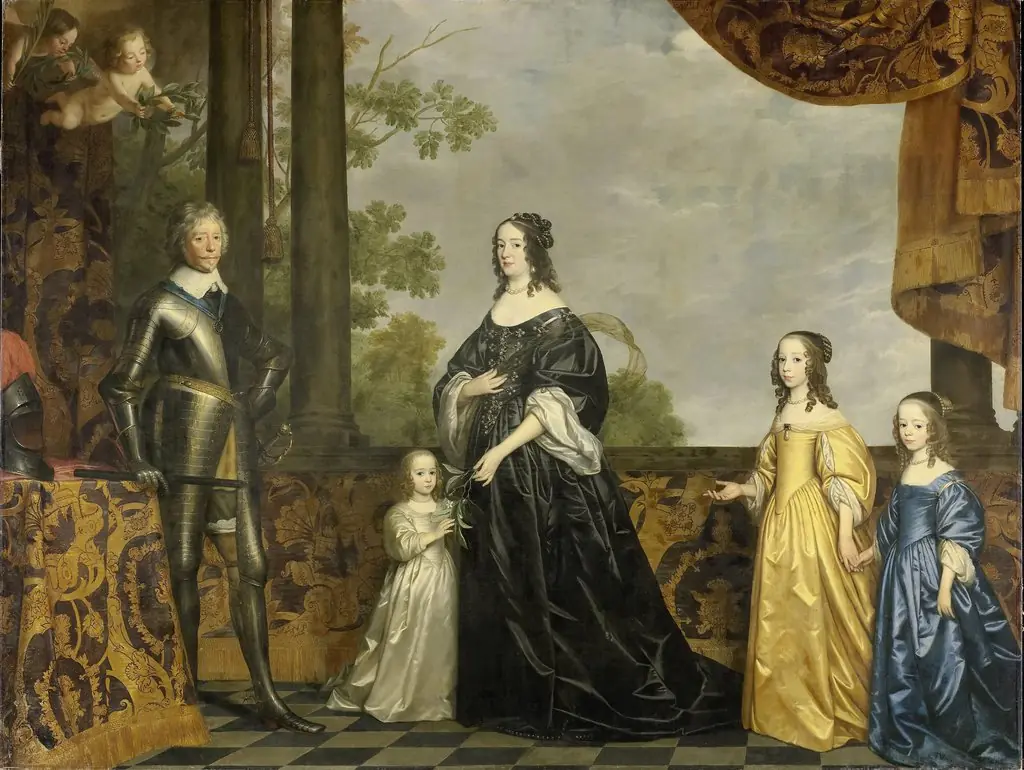 Frederik Hendrik (1584-1647), Prince of Orange, his wife Amalia van Solms (1602-75) and their three youngest daughters, Albertina Agnes (1634-96), Henrietta Catharina (1637-1708) and Maria (1642-88)
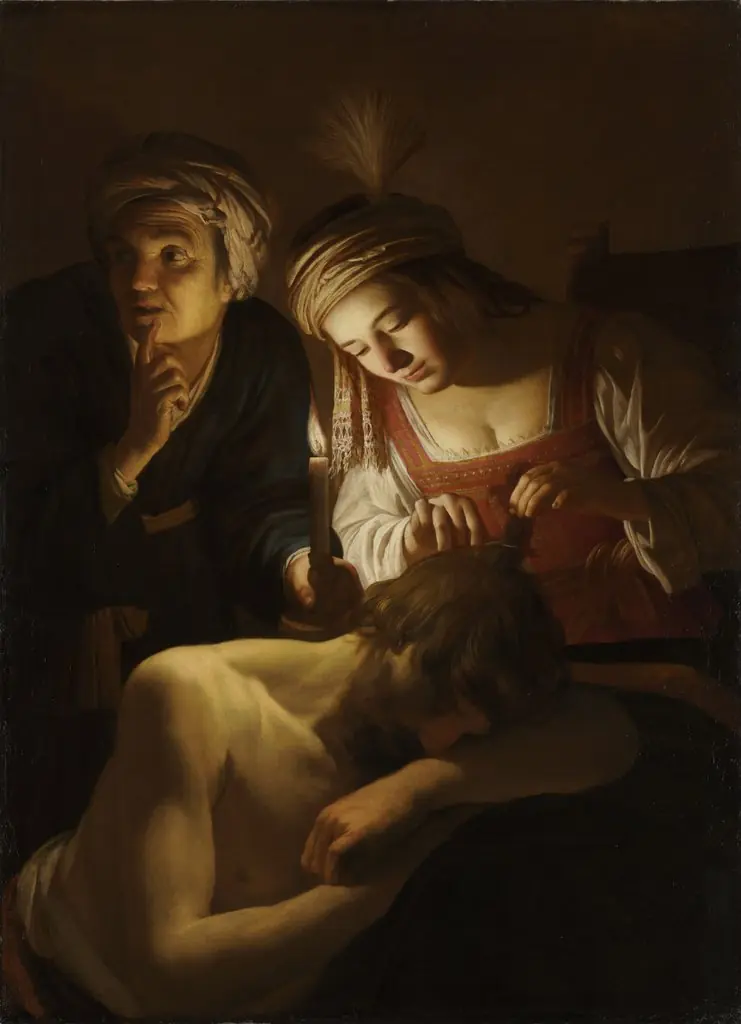 Samson and Delilah
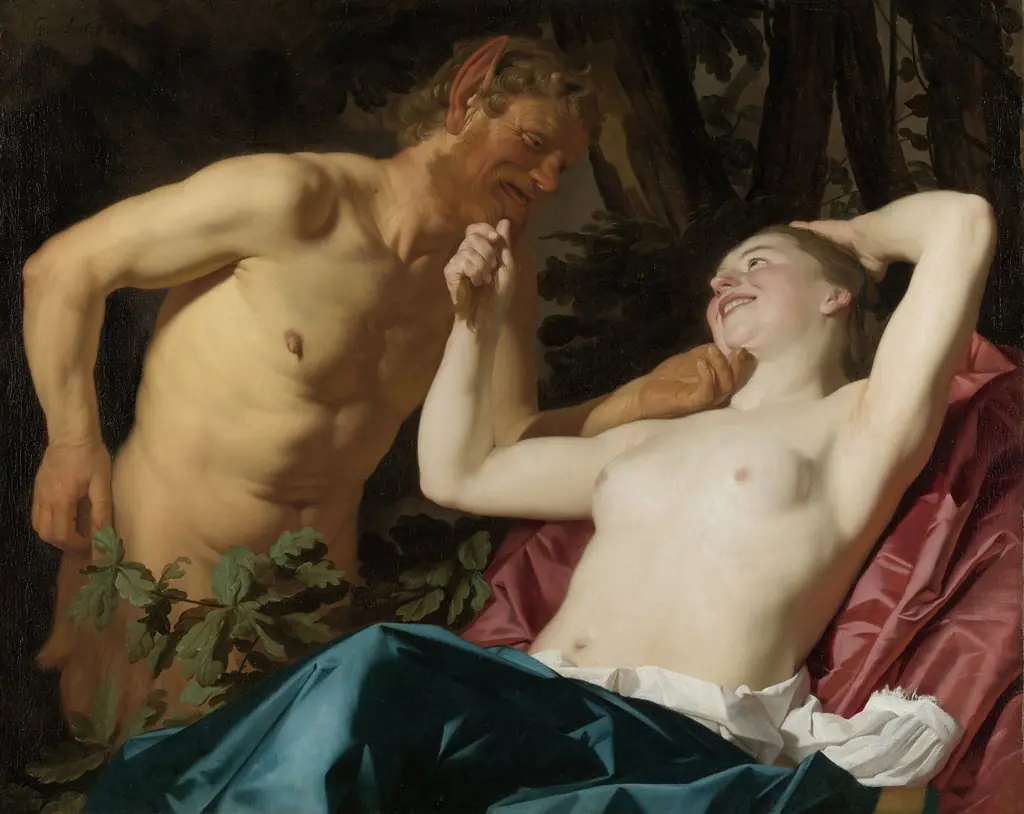 Satyr and Nymph
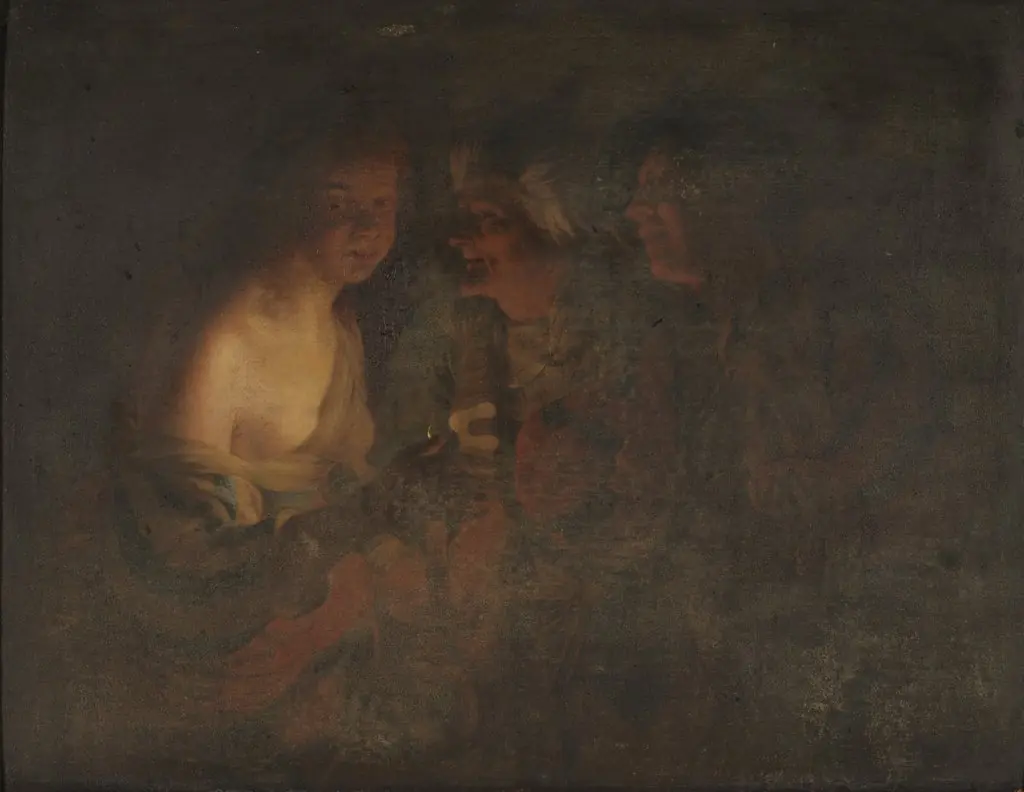 Young Woman with a Candlestick, Old Woman and a Violin Player
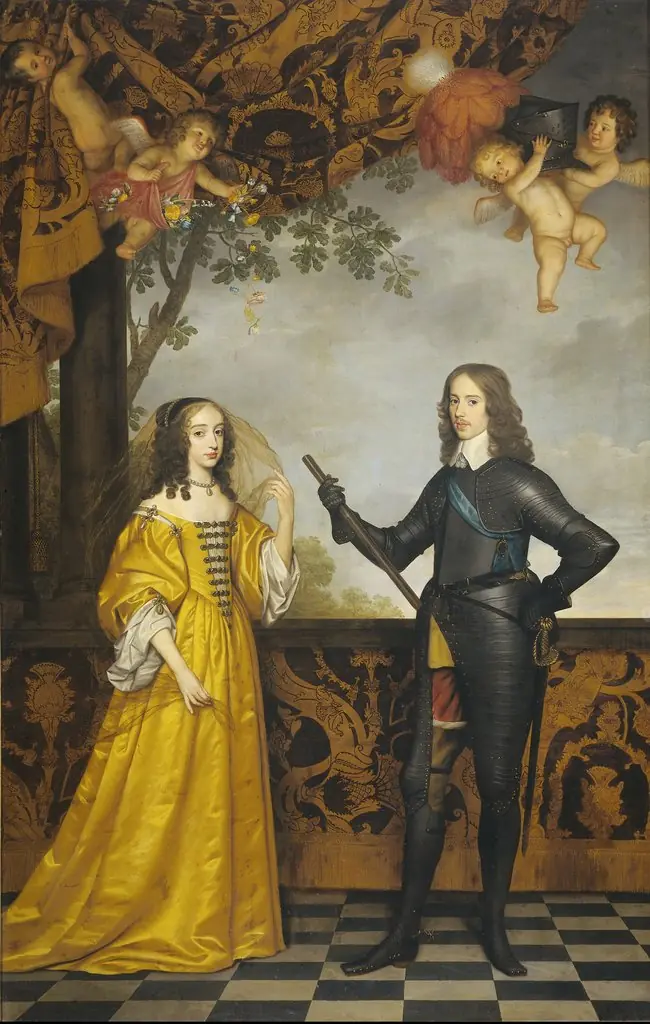 Willem II (1626-50), Prince of Orange, and his wife Maria Stuart (1631-60)
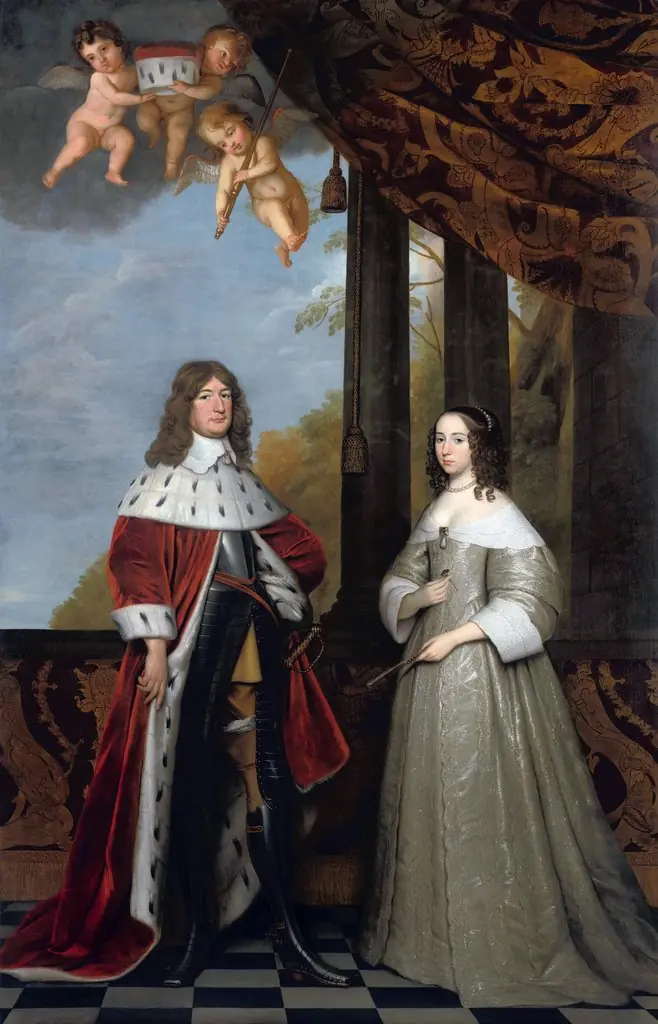 Friedrich Wilhelm (1620-88), Elector of Brandenburg, and his wife Louise Henriette (1627-67), Countess of Orange-Nassau