Artwork
The Lute Player
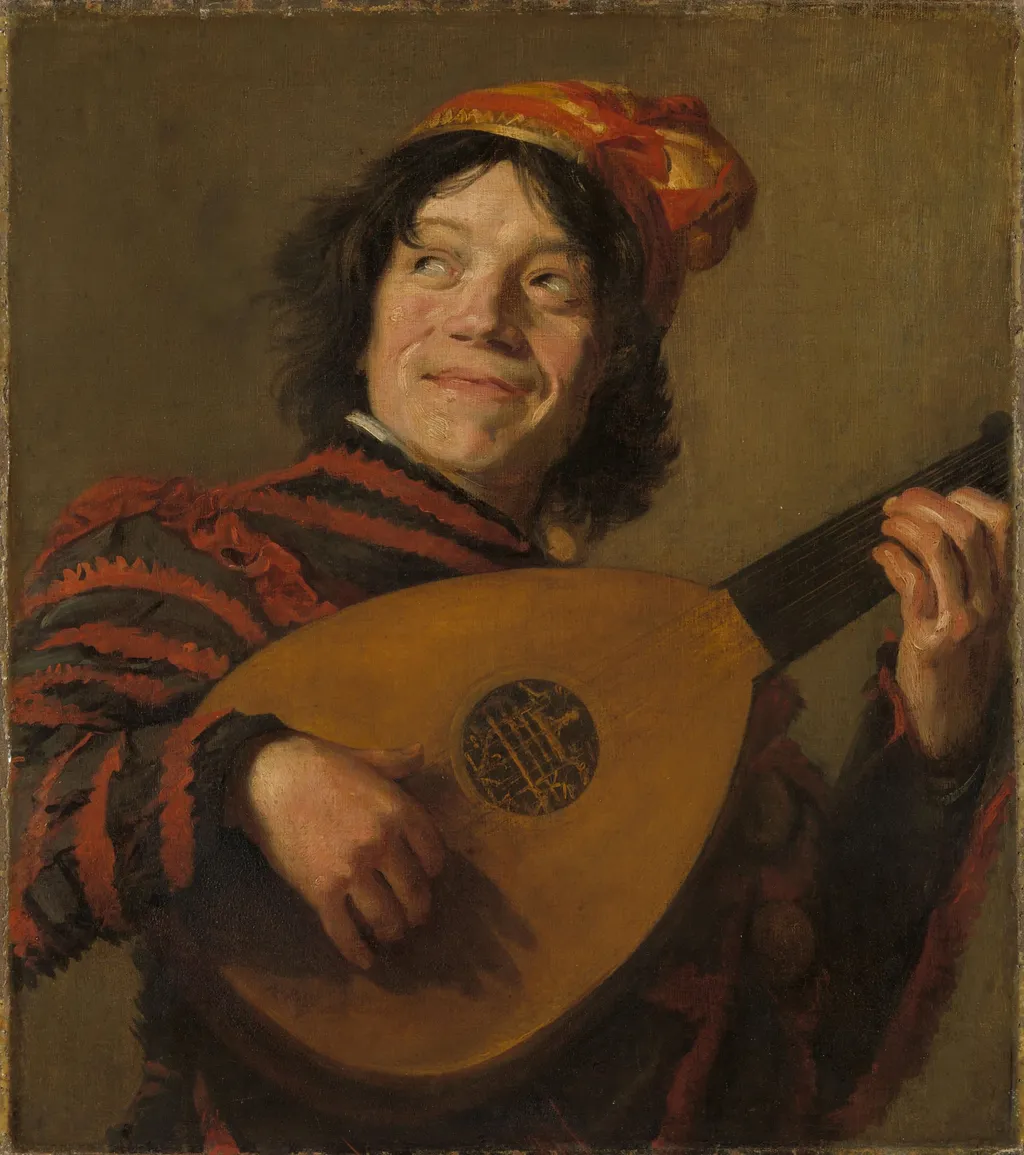
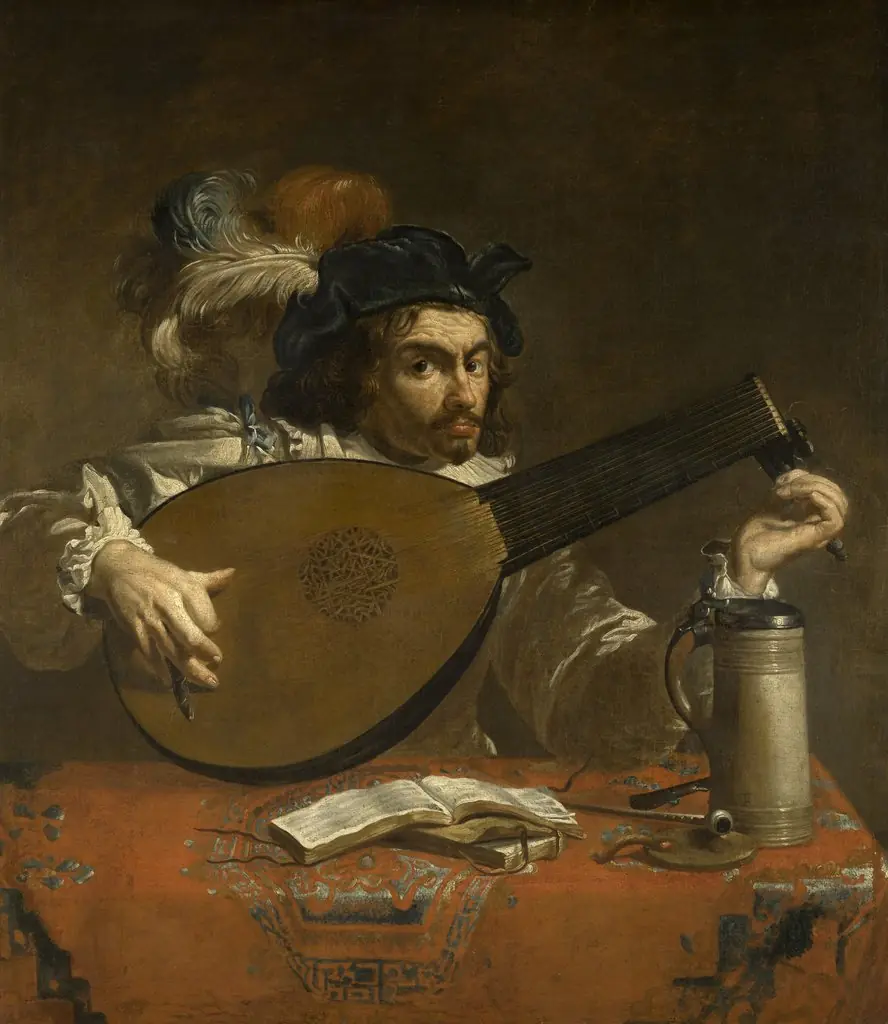
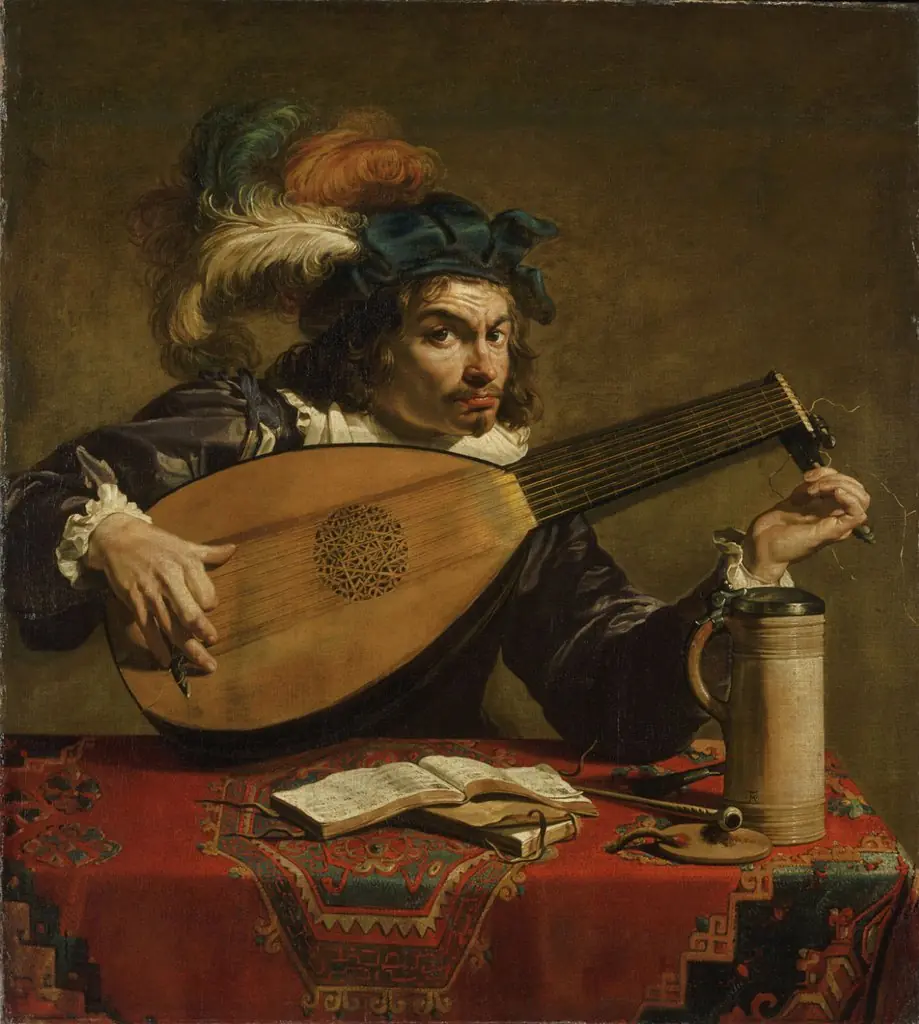
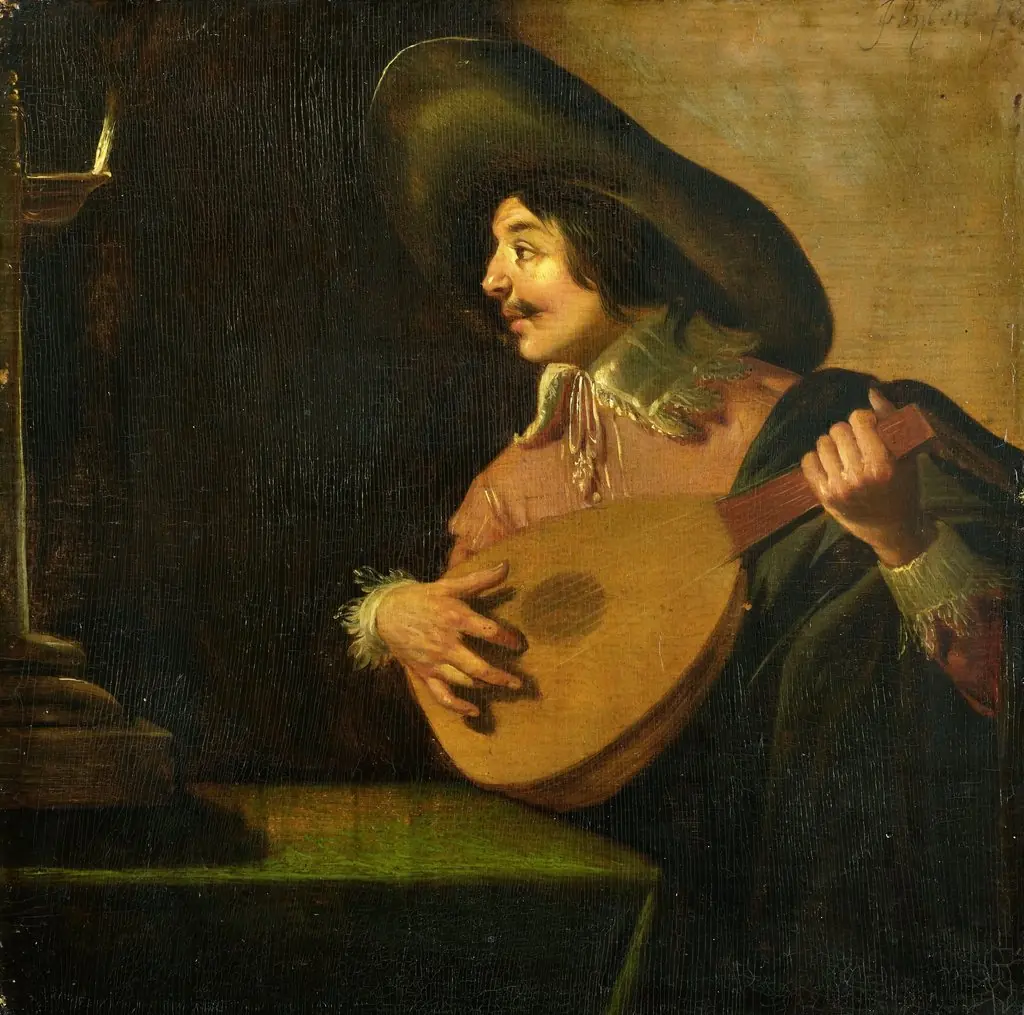
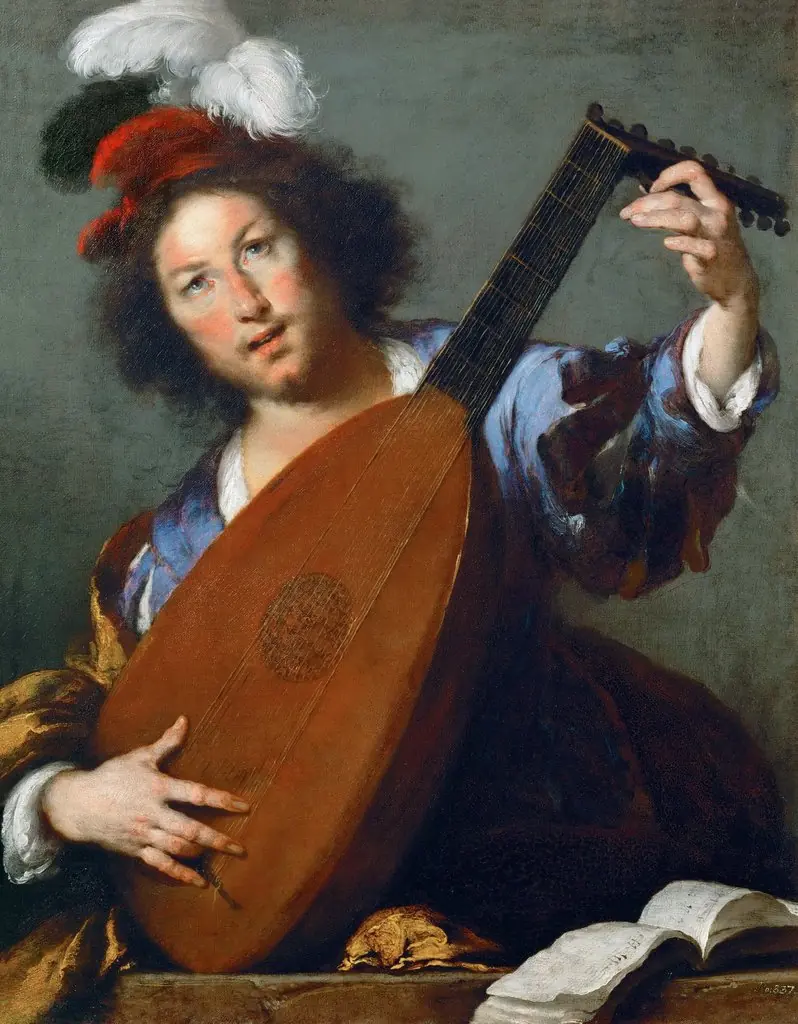
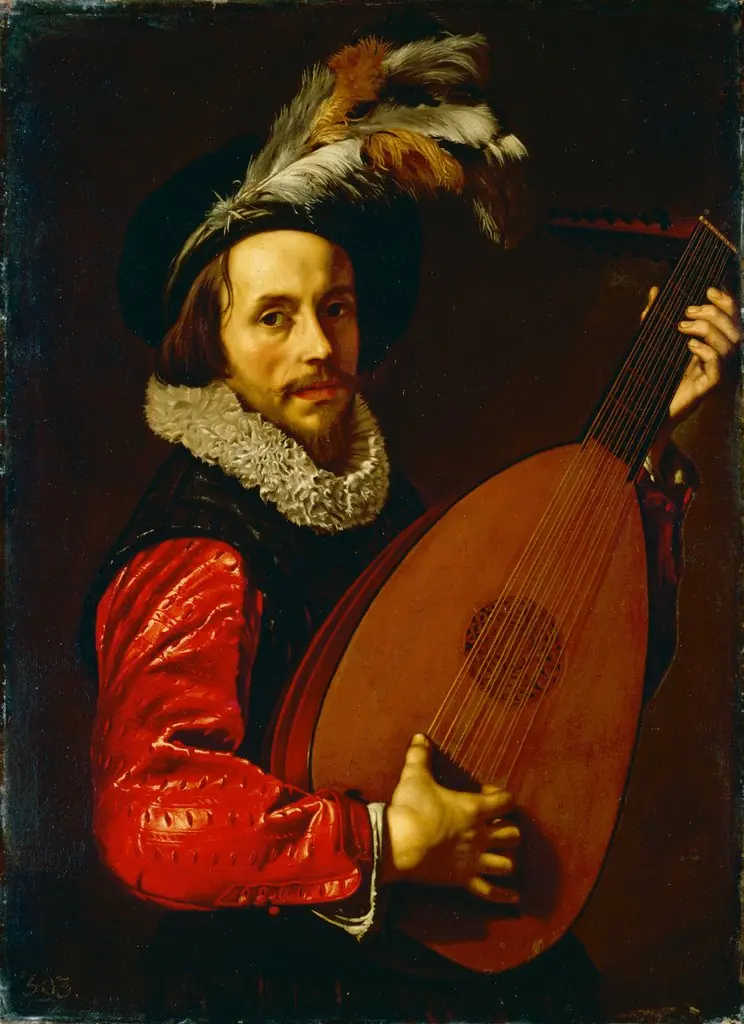
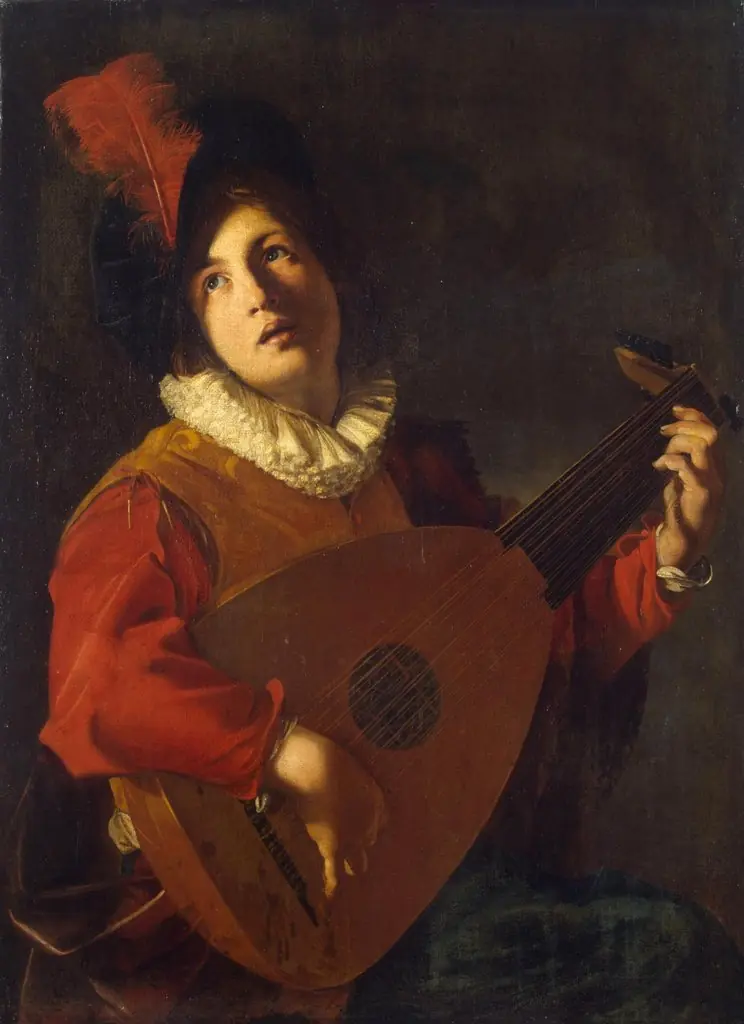
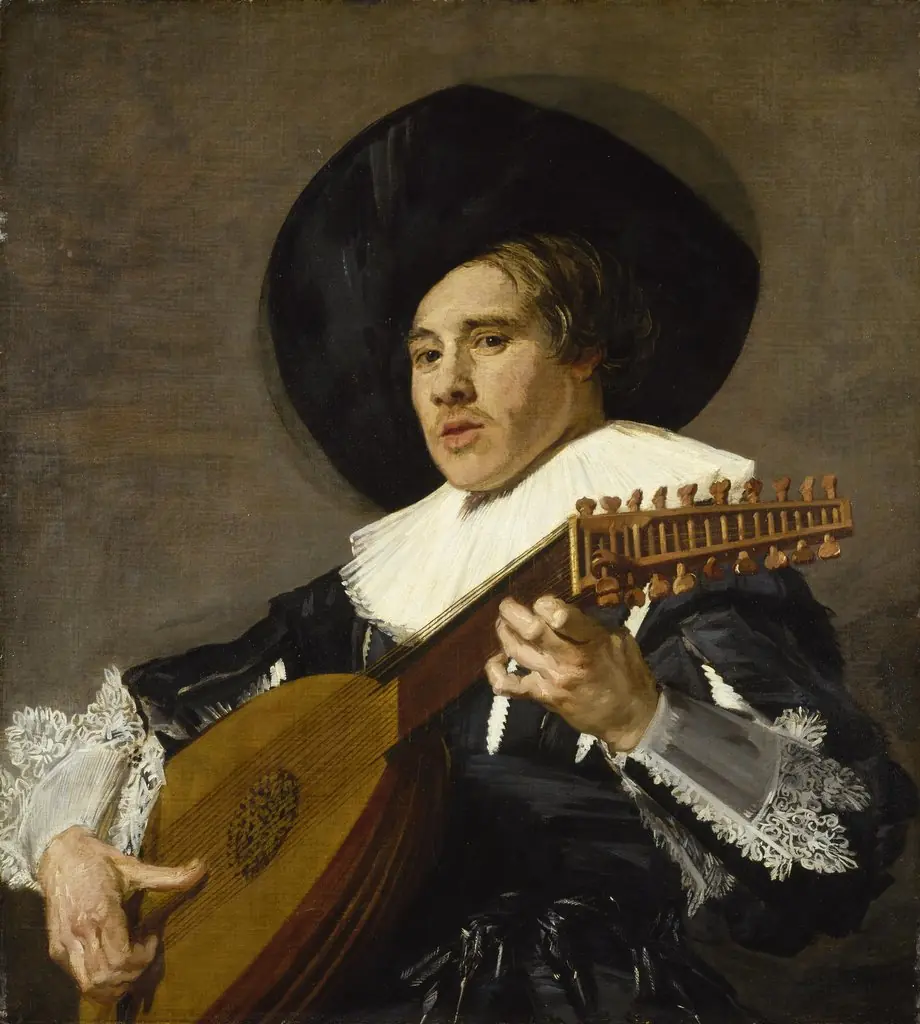
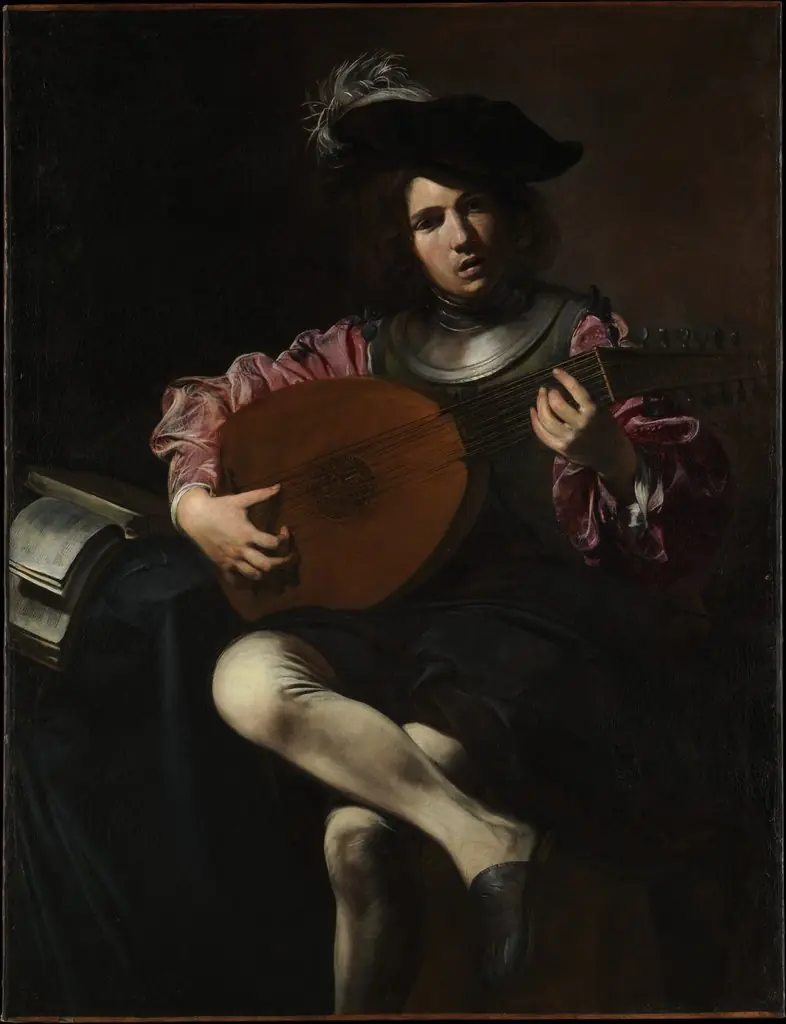
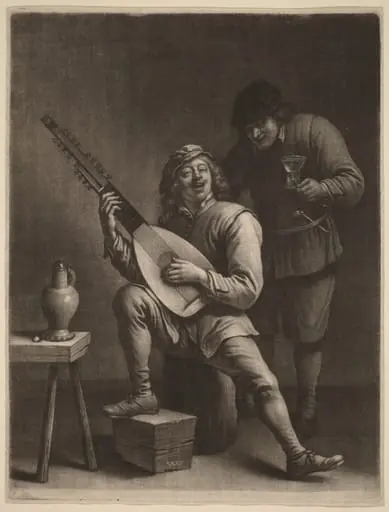
The Lute Player is an unspecified painting by the Dutch Golden Age artist Unknown. It dates from 1623 and is held in the collection of the Rijksmuseum. This painting depicts a young boy playing a lute, rendered in a style that echoes an earlier work now held in the Louvre.
About this work
Overview
The copyist maintained the original’s dynamic presence, suggesting a deliberate effort to transmit its spirit across time and hands.
This painting depicts a young boy playing a lute, rendered in a style that echoes an earlier work now held in the Louvre. Though the original artist remains unidentified, this version was produced as a faithful reproduction, preserving the subject’s lively expression and vivid costume. The copyist maintained the original’s dynamic presence, suggesting a deliberate effort to transmit its spirit across time and hands.
Subject & Meaning
The boy, caught mid-performance, grins with unguarded joy as he plucks the strings, his cheeks rounded as if singing along. His colorful, mismatched garments suggest a figure of merriment or street performance, common in early modern genre scenes. The absence of narrative context invites focus on the immediacy of the moment—music as a spontaneous, personal act rather than a staged spectacle.
Technique & Style
The artist employs chiaroscuro to isolate the figure against a deep, neutral background, heightening the three-dimensionality of the boy’s face and hands. Light glances off the textured fabric of his coat and the curve of his collar, lending vitality to the surface. Brushwork is loose yet deliberate, capturing texture and motion without overrefinement, reflecting a tradition of observational realism.
History & Provenance
The painting is a later copy of a lost original attributed to the Caravaggisti circle, likely from the early 17th century. Its presence in private collections before entering its current holding indicates it was valued as a study or decorative piece rather than a standalone work. The fidelity of its details suggests the copyist had direct access to the Louvre’s version, possibly as part of artistic training.
Context
In early modern Europe, depictions of musicians—especially youths—were popular in both secular and domestic settings, symbolizing harmony, fleeting youth, or the pleasures of the senses. Copies like this one circulated widely, serving as visual references for artists and collectors. The persistence of such imagery reflects a broader cultural fascination with informal, emotionally resonant moments.
Legacy
This work exemplifies how artistic ideas were transmitted through replication before mechanical reproduction. Its survival underscores the value placed on preserving expressive gestures and compositional vitality, even when the original authorship faded. It stands as a quiet testament to the continuity of artistic practice—where homage, not originality, became the driving force of preservation.
Artist & collection

 Domestic Scene
 Giacomo and Cardinal Marco, investing Andrea, Abbot of San Zeno, with his Benefice
 The Nymph of Fontainebleau
 Portrait of a Woman
 Madonna and Child with Saints in the Enclosed Garden
 Venus and Minerva
 Family Group of Four on Sofa
 Wall painting from Room H of the Villa of P. Fannius Synistor at Boscoreale