Artwork
Travel of the Blessed Virgin and St. John to Ephesus after the death of Savior
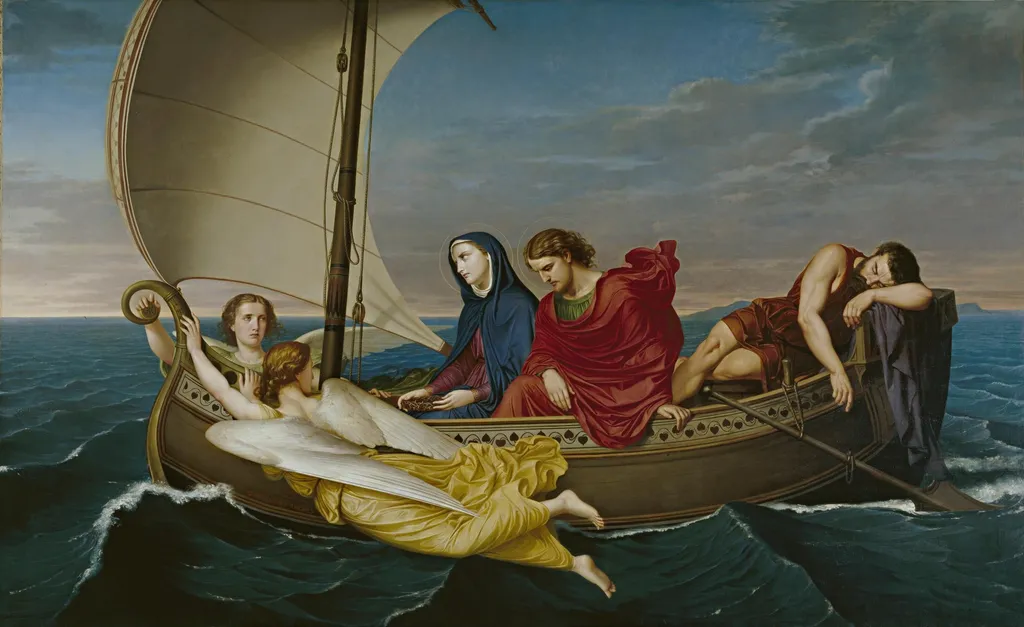
Travel of the Blessed Virgin and St. John to Ephesus after the death of Savior is an oil painting by Germán Hernández Amores. It dates from 1862 and is held in the collection of the Museo del Prado.
About this work
Overview
Five robed figures occupy a modest boat, accompanied by a yellow‑clad angel that lies along the hull, suggesting divine guidance.
Created in 1862 by Spanish painter Germán Hernández Amores, the oil work titled *Travel of the Blessed Virgin and St. John to Ephesus after the death of Savior* portrays a solemn riverine voyage. Five robed figures occupy a modest boat, accompanied by a yellow‑clad angel that lies along the hull, suggesting divine guidance. The sky is a pale blue, while the overall palette is restrained, dominated by muted blues and earth tones.
Subject & Meaning
The composition illustrates a post‑Crucifixion episode from Christian tradition: the Virgin Mary and the Evangelist John journey toward Ephesus, a city linked to early Christian communities. The presence of the angel underscores the belief that heavenly forces protect the holy pair as they seek a new refuge after the loss of Jesus, emphasizing themes of pilgrimage, loss, and divine consolation.
Technique & Style
Hernández Amores employs a smooth, academic brushwork characteristic of the 19th‑century academic tradition, with careful modeling of drapery and subtle chiaroscuro to convey volume. The muted chromatic scheme and serene atmosphere reflect the influence of the German Nazarene movement, which favored spiritual subjects rendered in a restrained, almost reverential visual language.
History & Provenance
The painting entered the collection of the Museo del Prado, where it remains part of the museum’s holdings of 19th‑century Spanish religious art. Its acquisition date is not recorded in the provided facts, but its presence in the Prado underscores the institution’s commitment to preserving works that exemplify Spain’s academic painting tradition.
Context
During the mid‑1800s, Spanish artists like Hernández Amores often looked to German Romantic and Nazarene currents for inspiration, merging local devotional motifs with broader European aesthetic trends. This work reflects that synthesis, presenting a biblical narrative through a compositional language that balances Spanish academic rigor with the spiritual idealism of the Nazarene school.
Own this work as a print
Artist & collection
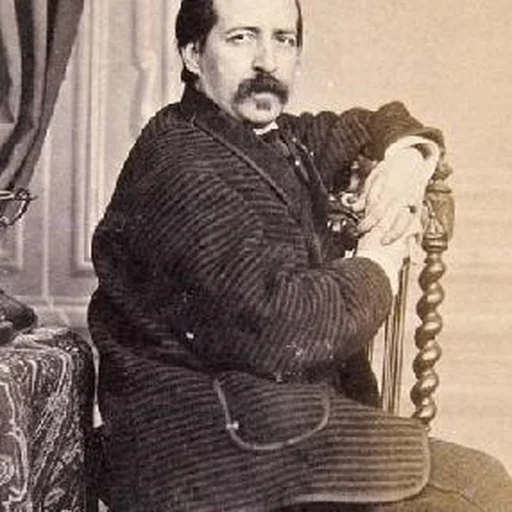
Artist
Germán Hernández Amores (10 June 1823 – 16 May 1894) was a Spanish painter who specialized in Classical, mythological, and Biblical scenes.

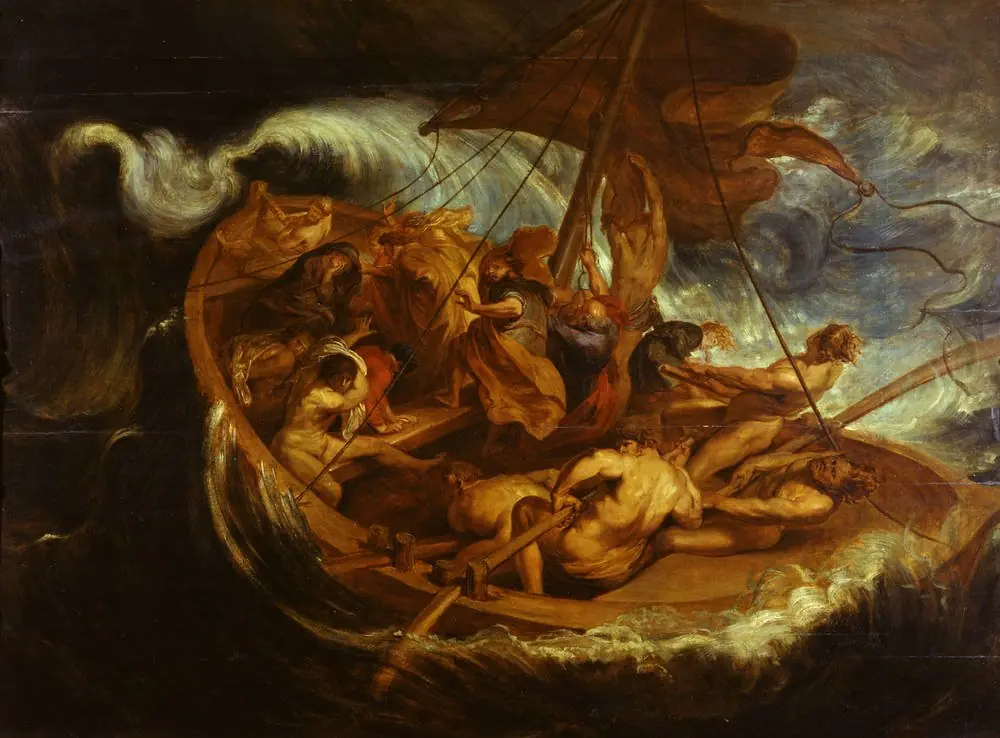 Christ on the Sea of Galilee
 The Miraculous Draught of Fishes
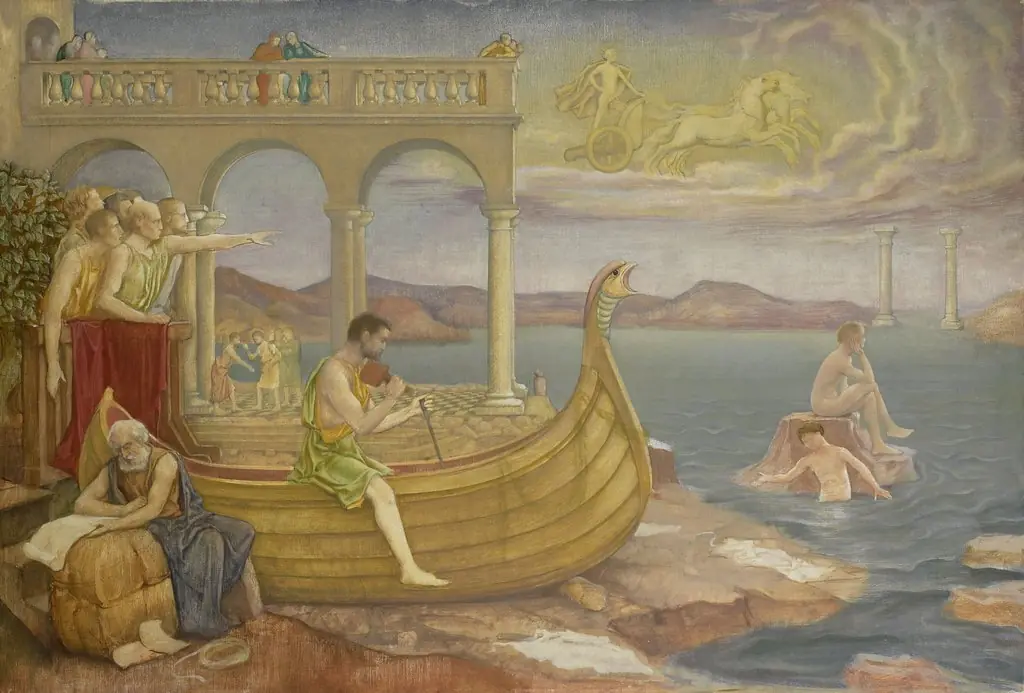 The Building of the 'Argo'
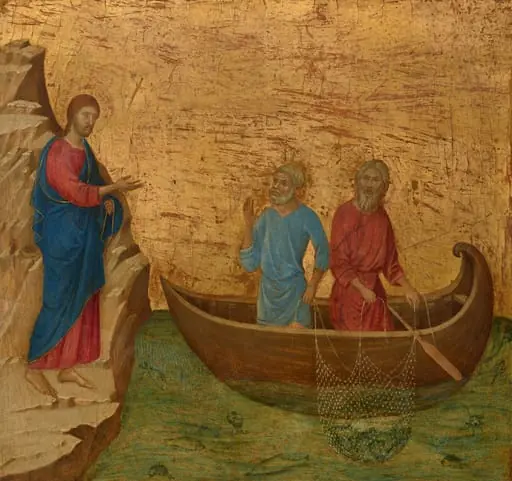 The Calling of the Apostles Peter and Andrew
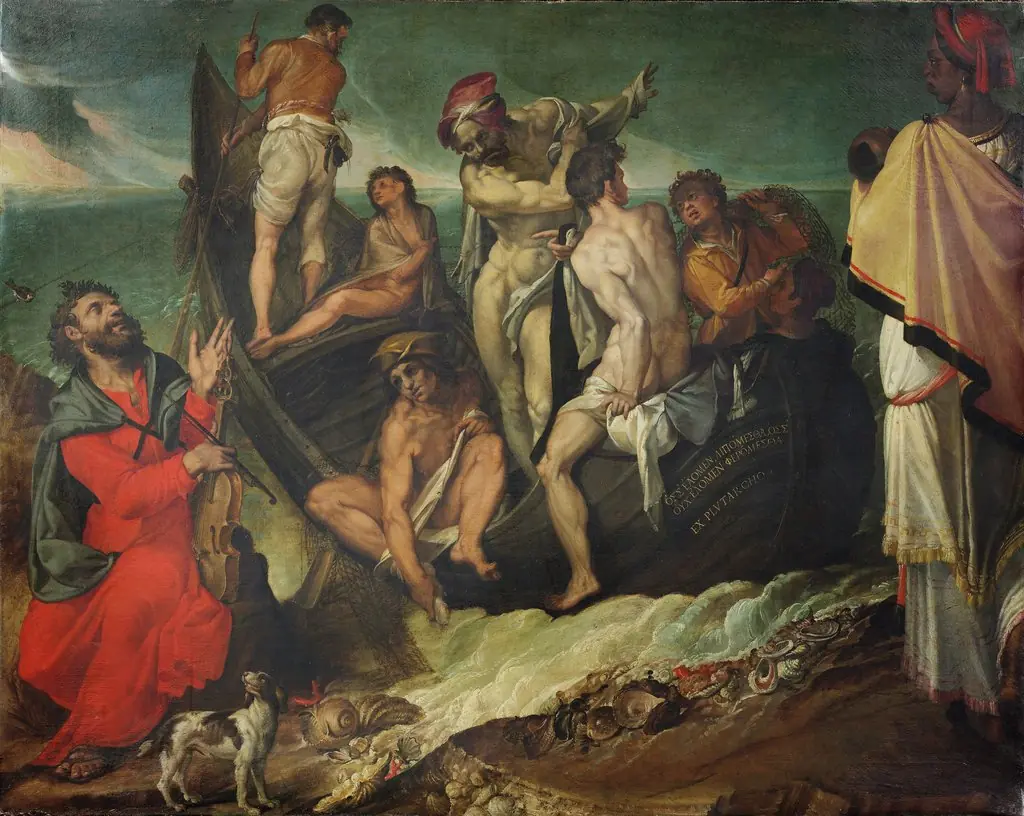 Homer’s Riddle
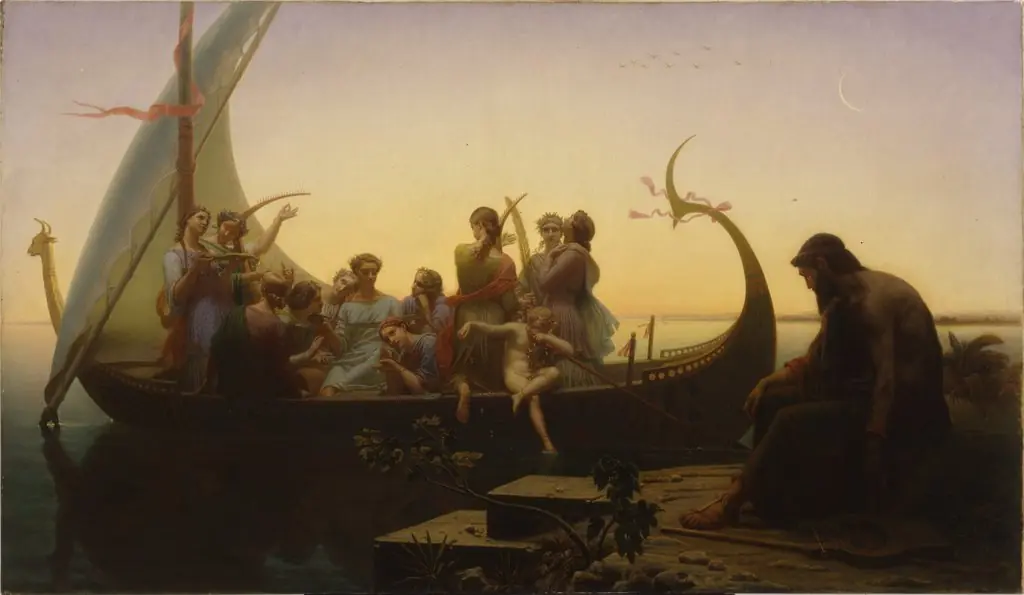 Lost Illusions
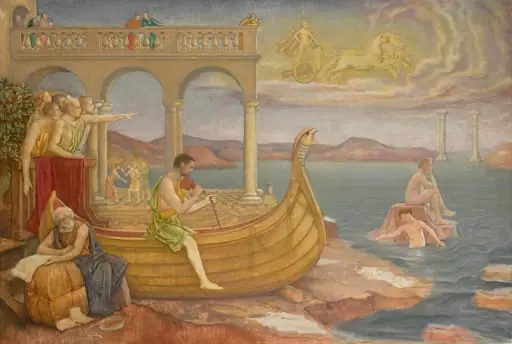 The Building of the 'Argo'
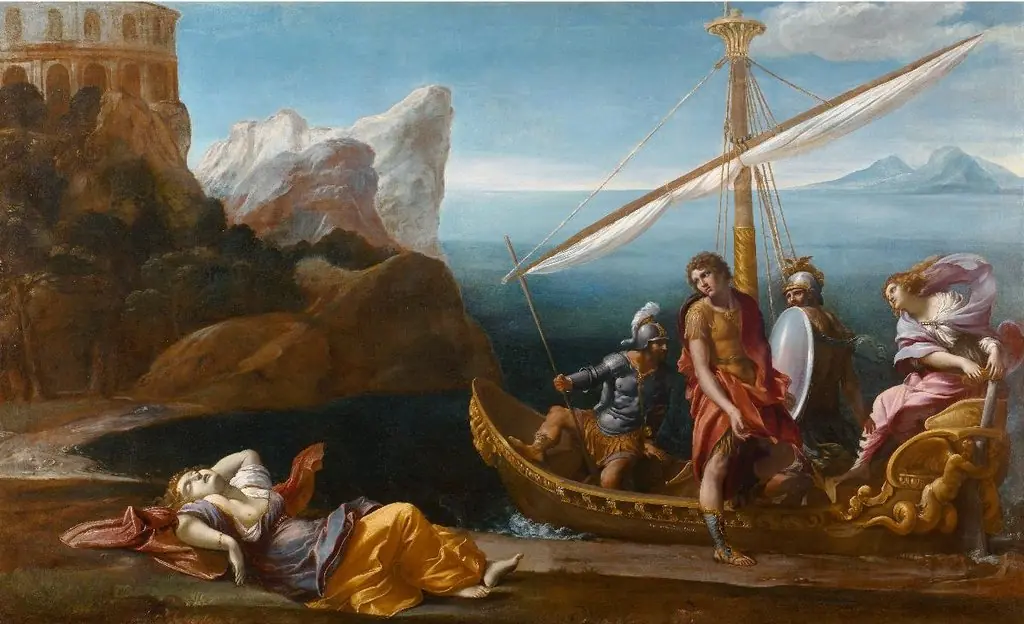 L’addio di Rinaldo ad Armida
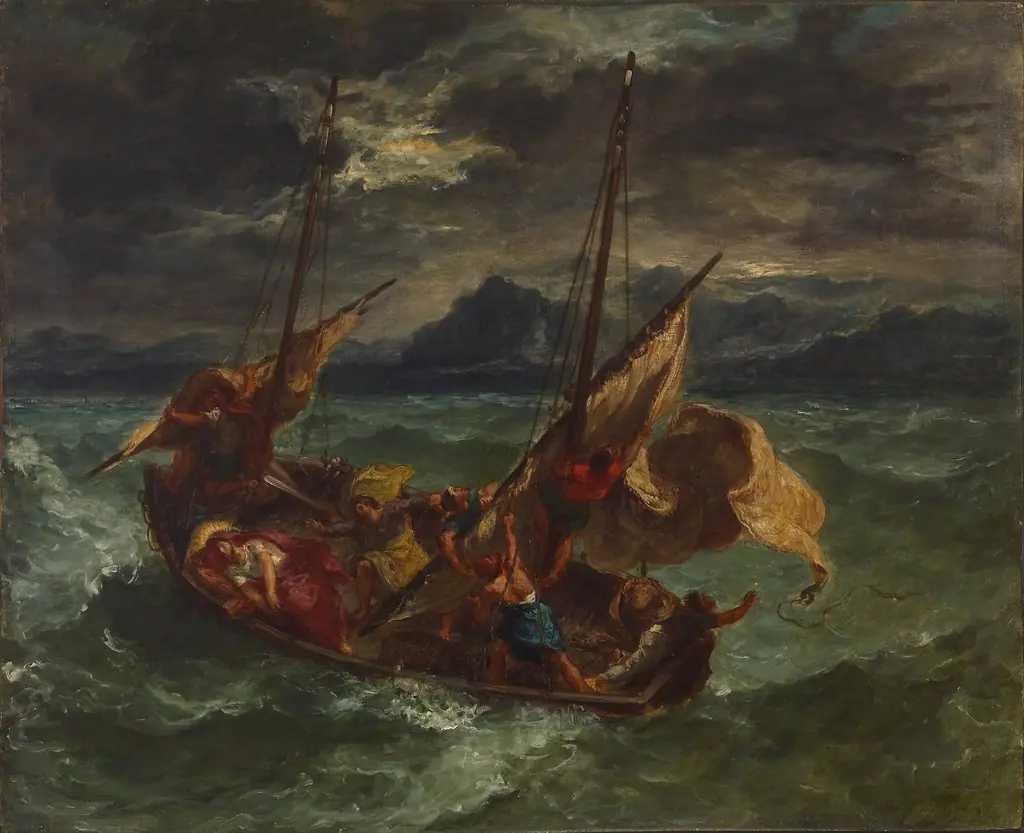 Christ on the Sea of Galilee
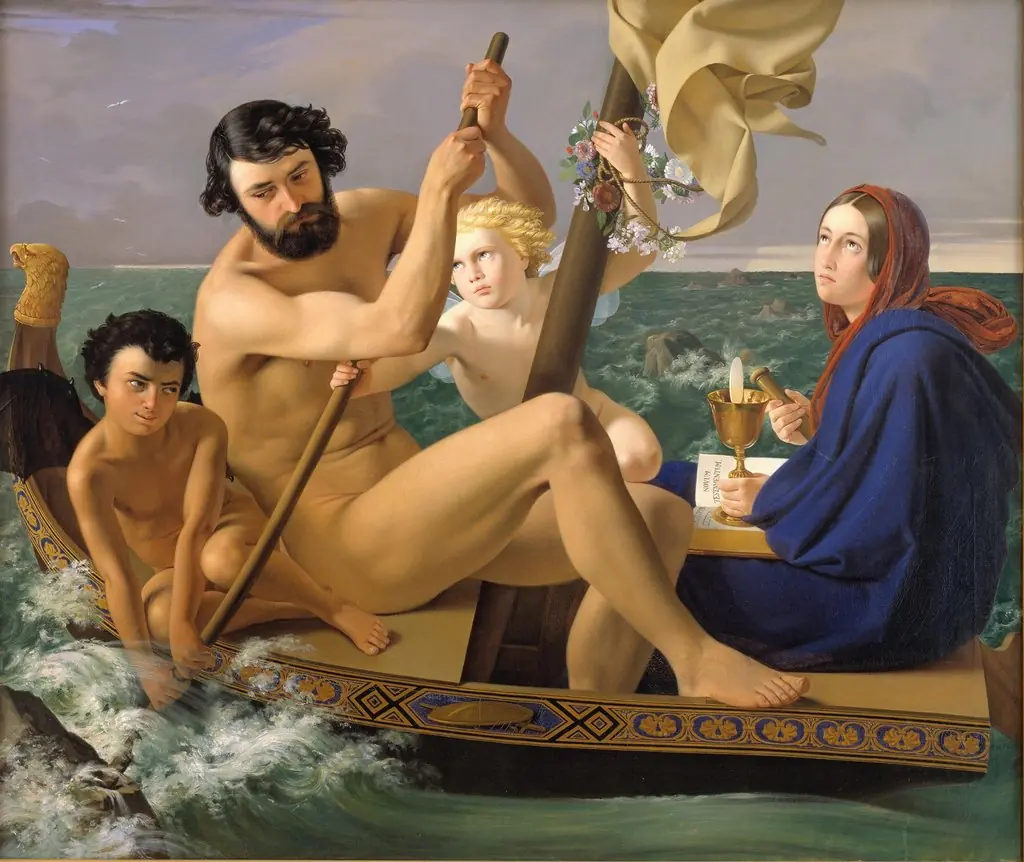 Manhood. From the series: The Four Ages of Man
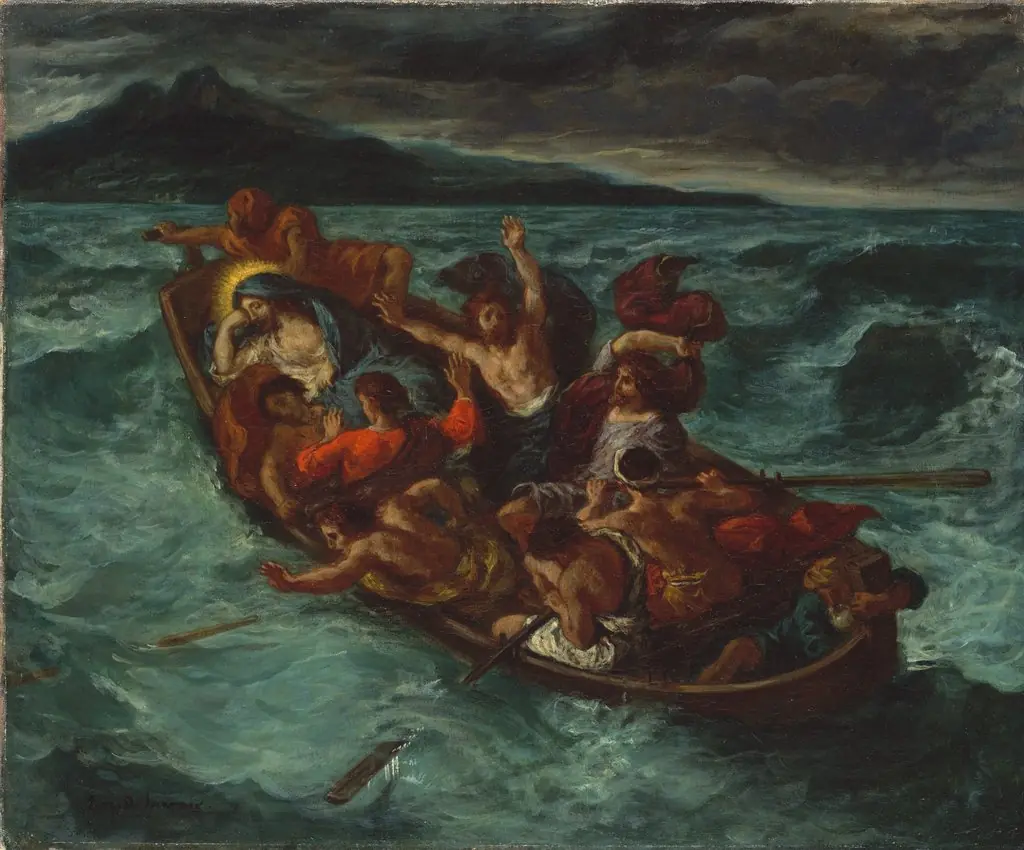 Christ Asleep during the Tempest
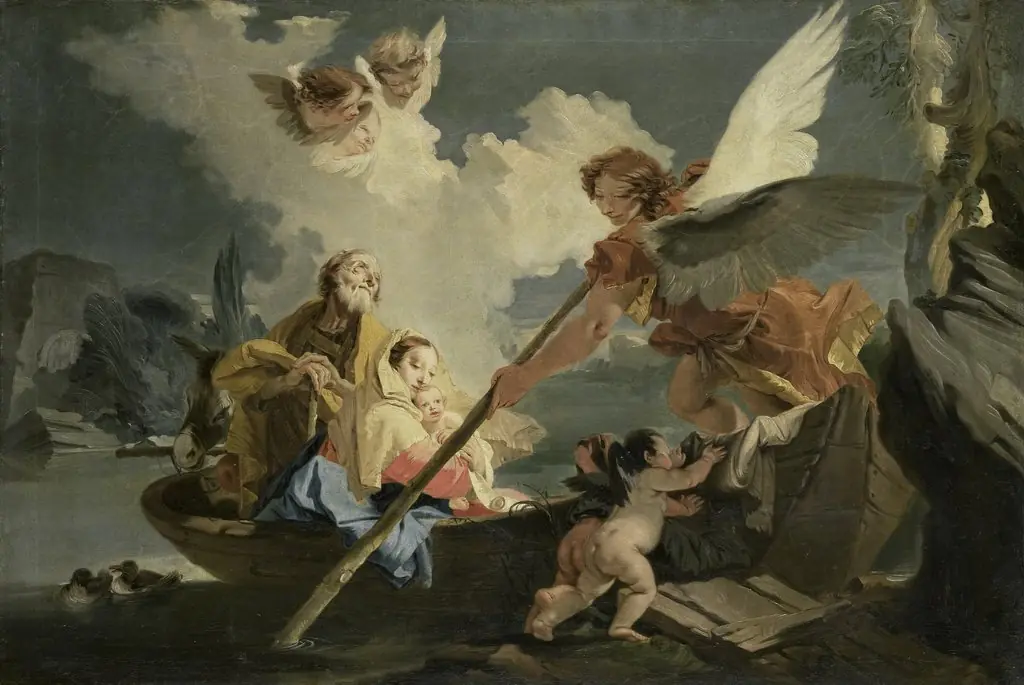 Flight into Egypt