Artwork
Medea con los hijos muertos huye de Corinto en un carro tirado por dragones
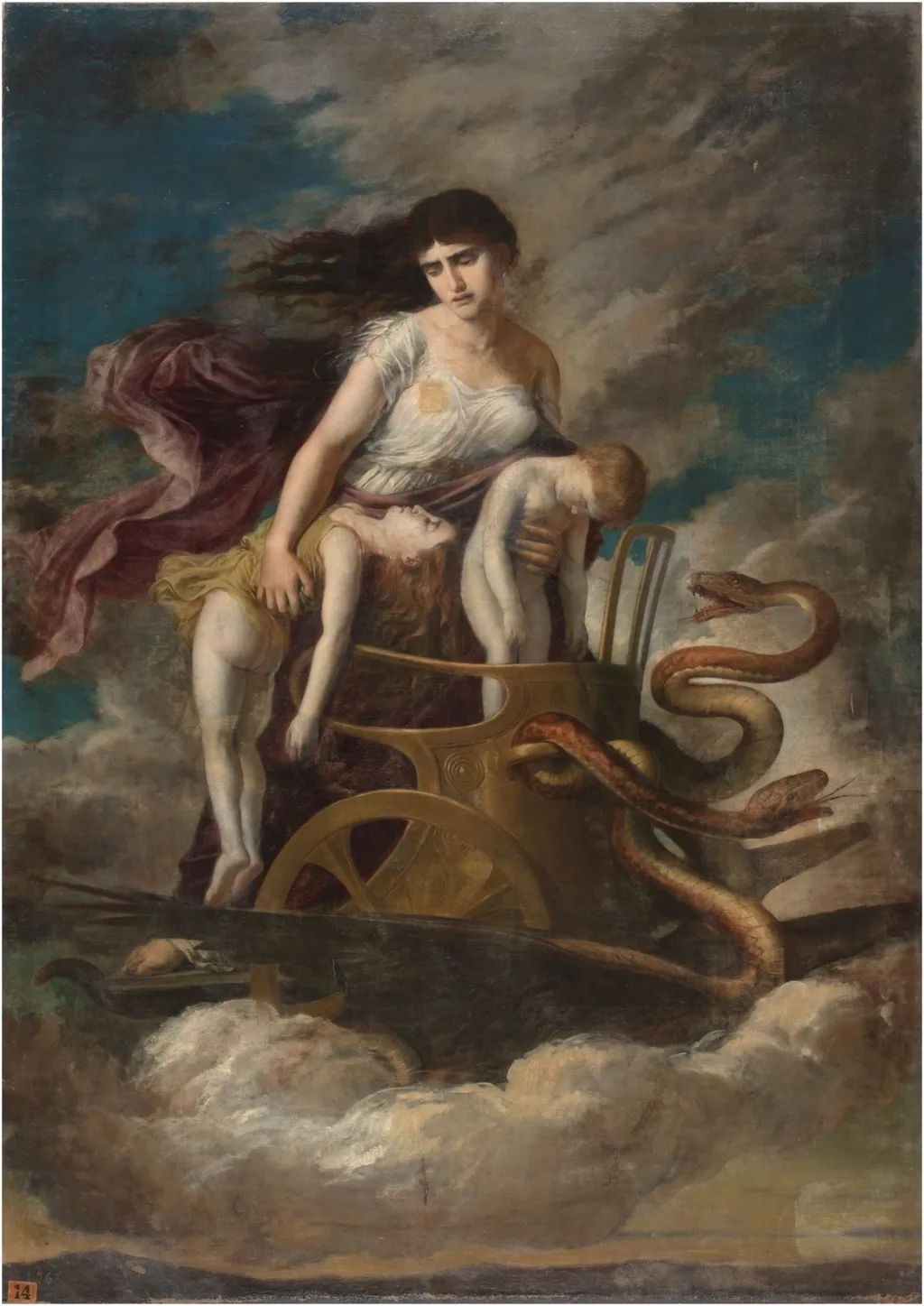
Medea con los hijos muertos huye de Corinto en un carro tirado por dragones is an oil painting by the Post-Impressionist artist Germán Hernández Amores. It dates from 1894 and is held in the collection of the Museo del Prado.
About this work
Overview
In 1894, Spanish painter Germán Hernández Amores produced an oil work titled *Medea con los hijos muertos huye de Corinto en un carro tirado por dragones*.
In 1894, Spanish painter Germán Hernández Amores produced an oil work titled *Medea con los hijos muertos huye de Corinto en un carro tirado por dragones*. The canvas captures the tragic myth of Medea as she escapes Corinth, seated in a chariot drawn by serpentine creatures, while cradling a dead child. The composition is dominated by muted tones and a somber atmosphere, emphasizing loss and exile.
Subject & Meaning
The scene draws on the classical tale of Medea, who, after murdering her offspring, flees the city of Corinth. Hernández Amores portrays her in a white garment, her face withdrawn, holding a lifeless infant whose head bows toward the chariot’s edge. The presence of dragons and a coiled snake reinforces the mythic and punitive dimensions of her flight, underscoring themes of guilt, punishment, and the inescapable consequences of violent acts.
Technique & Style
Executed in oil, the painting reflects post‑impressionist sensibilities through its loose brushwork and softened color palette. Hernández Amores employs a restrained range of hues—predominantly grays, blues, and muted reds—to convey melancholy. The cloudy sky and the faint blue patch in the upper left create a distant, unsettled backdrop, while the flowing red cloth behind the figure adds a dynamic, albeit subdued, contrast.
History & Provenance
Hernández Amores, one of the few Spanish artists influenced by the German Nazarene movement, incorporated its attention to detailed, often religiously charged imagery into this mythological subject. The work entered the collection of the Museo del Prado, where it remains part of the museum’s holdings, representing a rare example of late‑19th‑century Spanish engagement with both classical mythology and contemporary European artistic currents.
Own this work as a print
Artist & collection
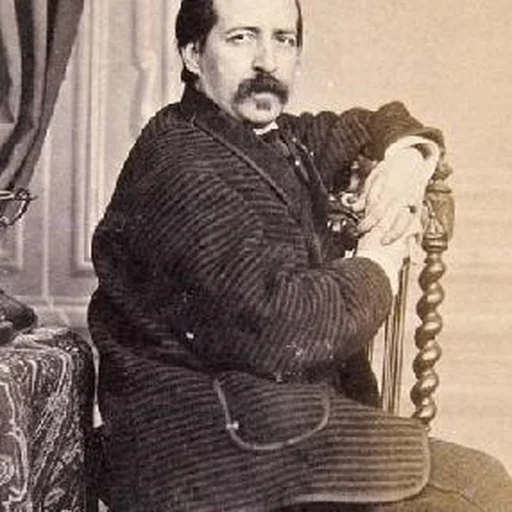
Artist
Germán Hernández Amores (10 June 1823 – 16 May 1894) was a Spanish painter who specialized in Classical, mythological, and Biblical scenes.

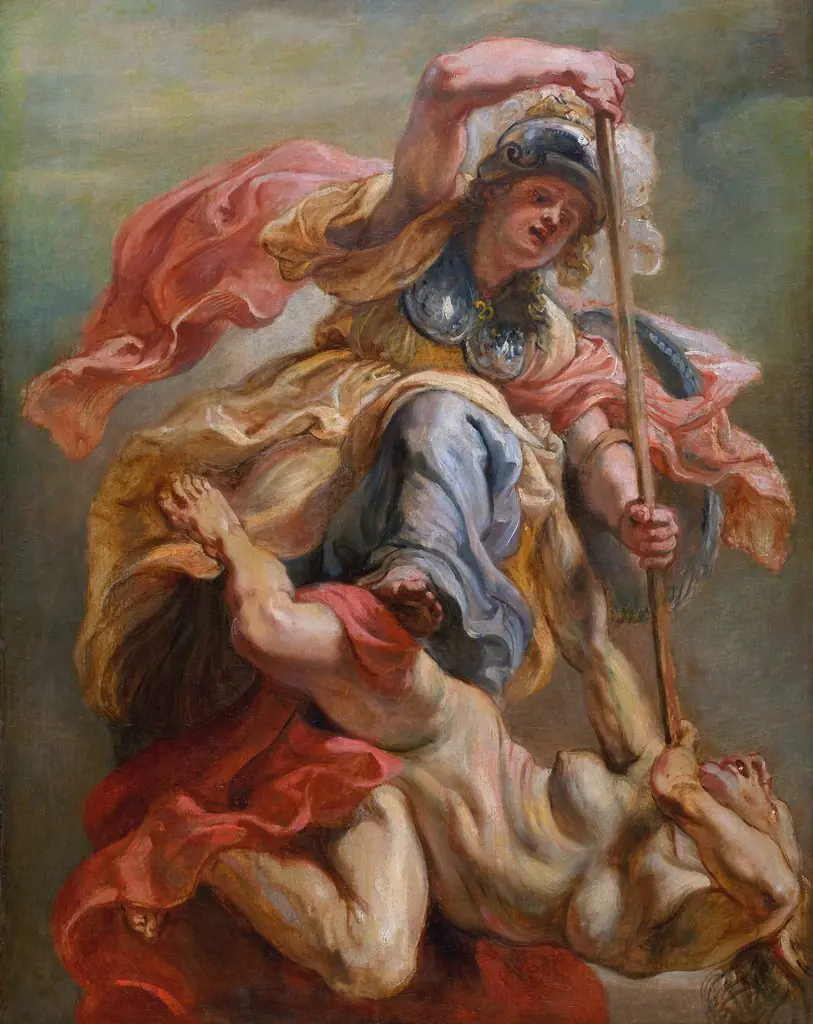 Minerva overcoming Ignorance
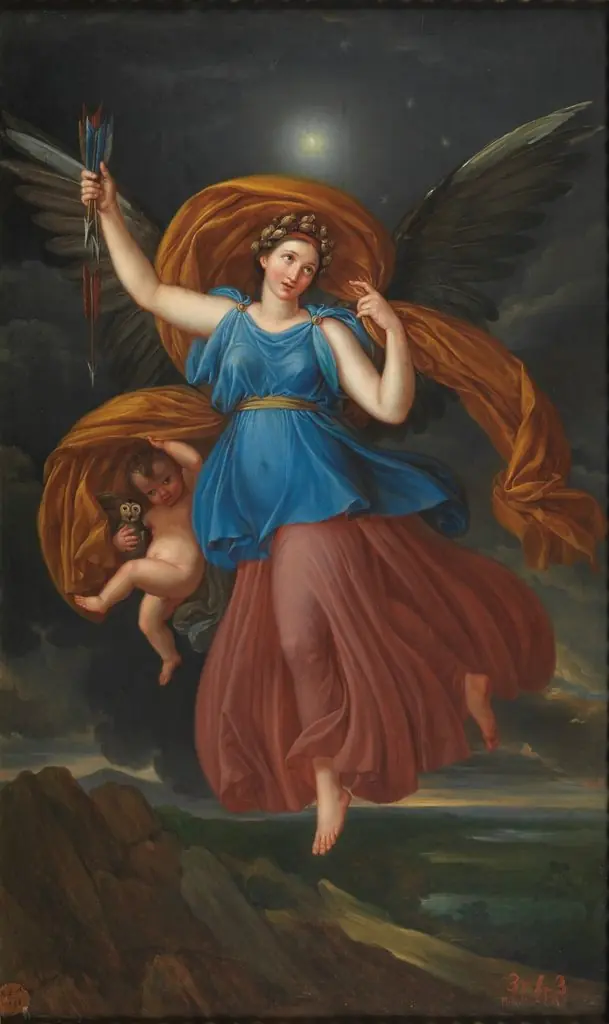 Allegory of Night
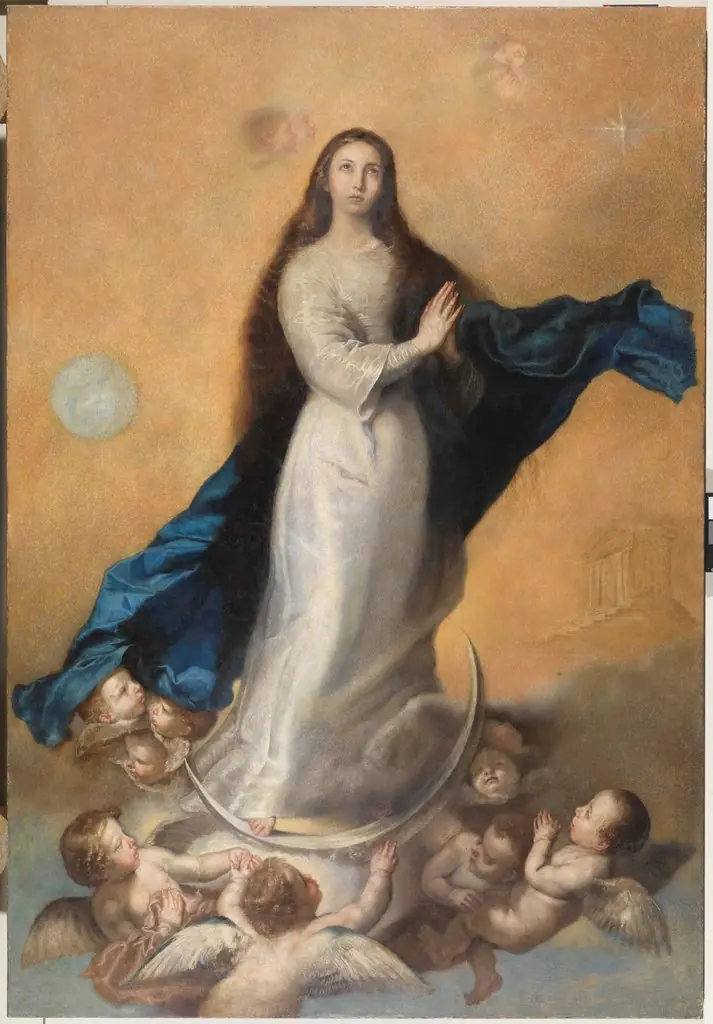 The Immaculate Conception
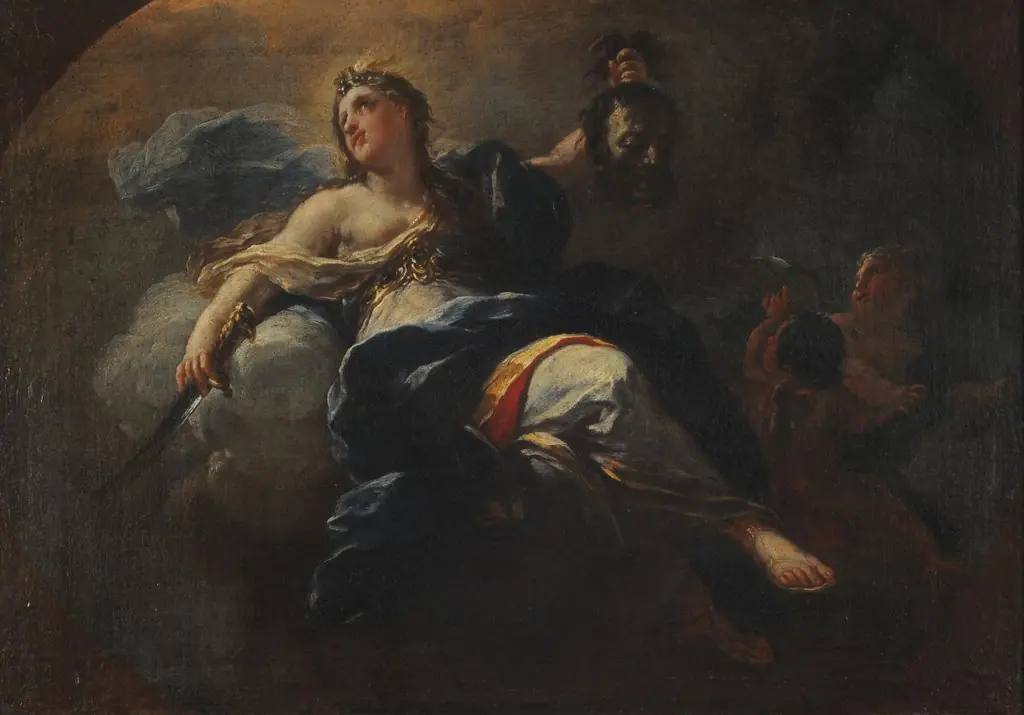 Apoteosis de Judith (Tit. Ant.: Judith llevando -en triunfo- la cabeza de Holofernes)
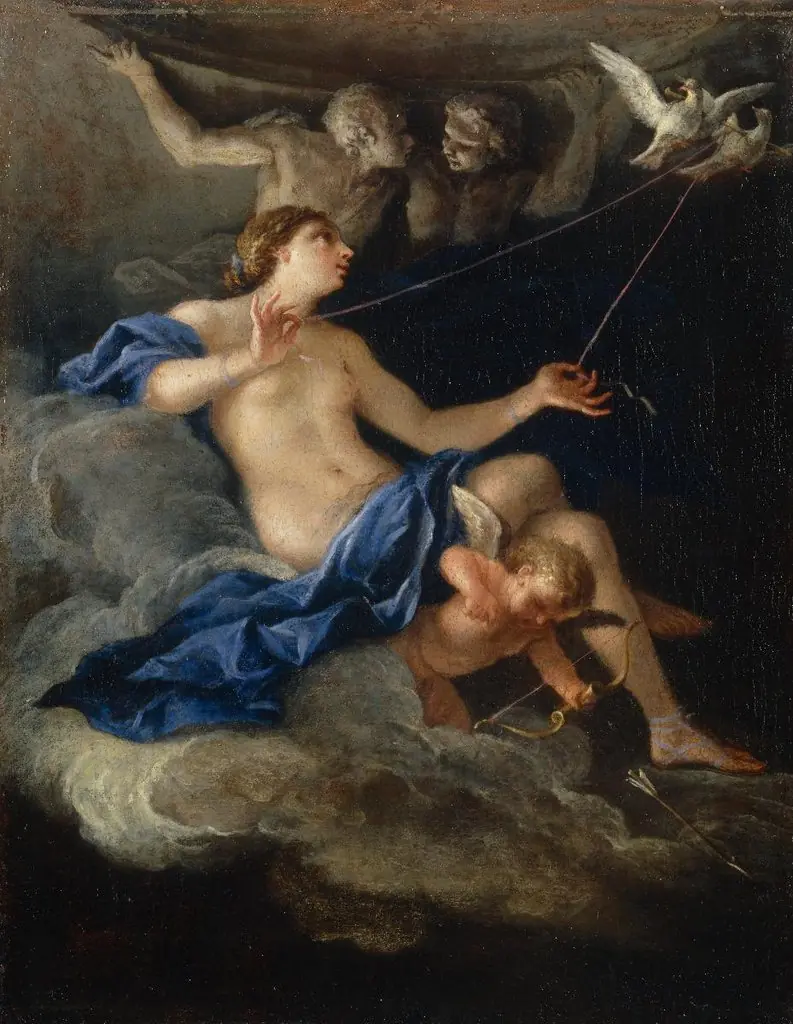 Venere e Amore nel segno dei Gemelli
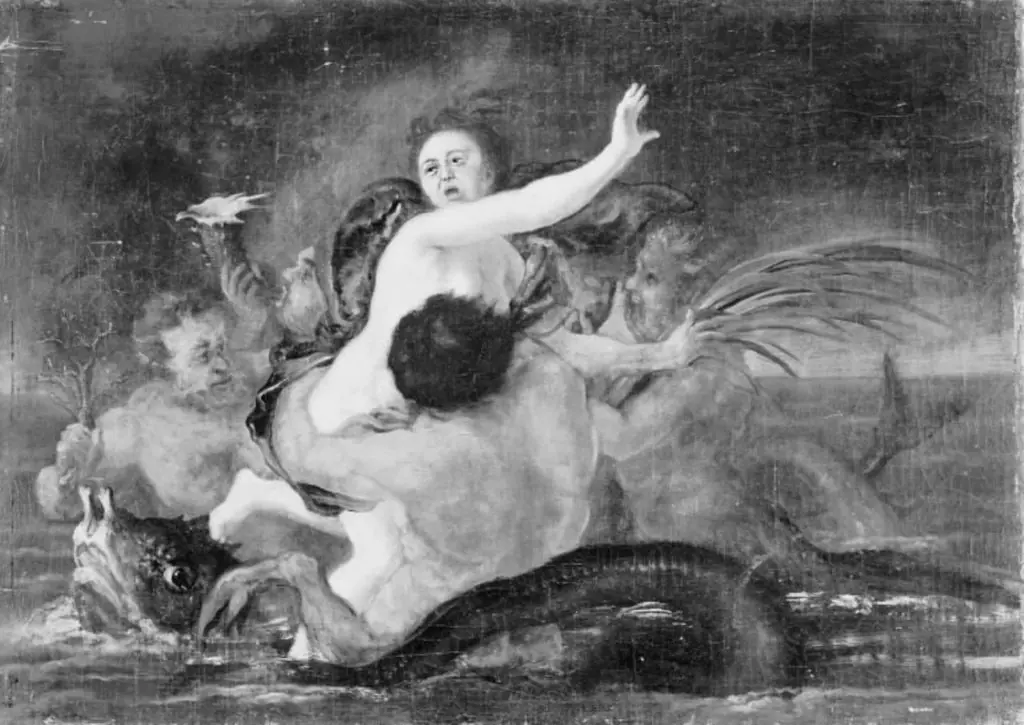 Et fruentimmer bortføres af tritoner
 Et fruentimmer bortføres af tritoner
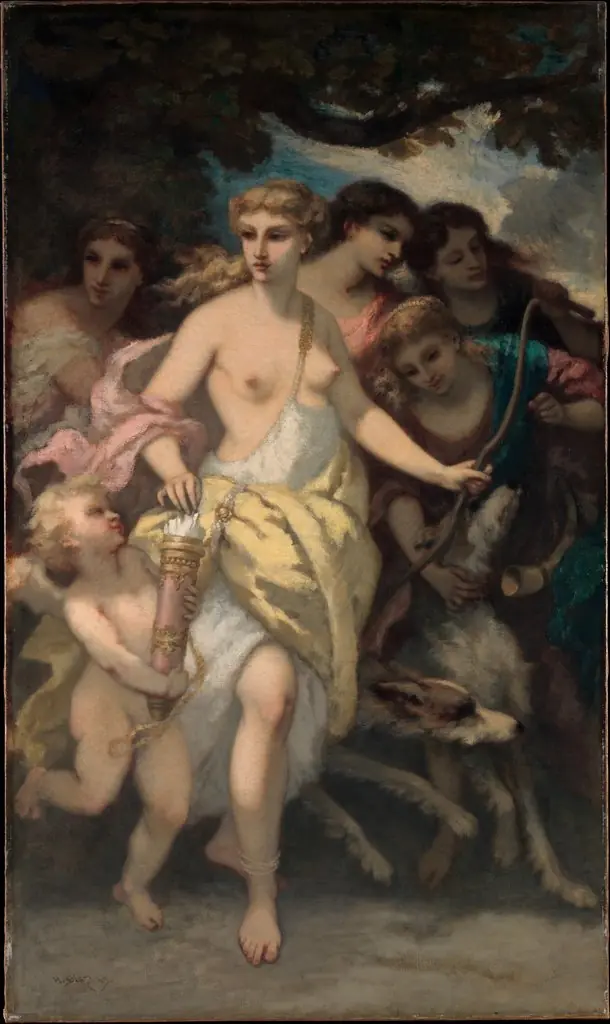 Diana
Diana Judith and the Head of Holofernes
 St. Juliana of Nicomedia defeats the devil
 Fortuna
 Liberty