Artwork
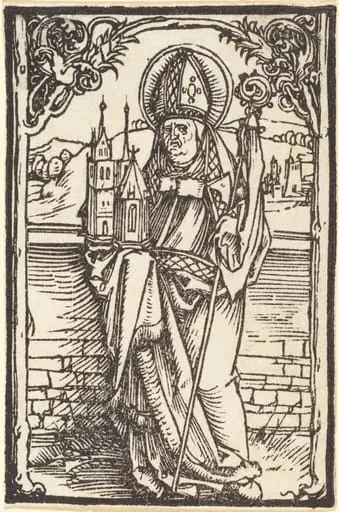
Saint Bruno
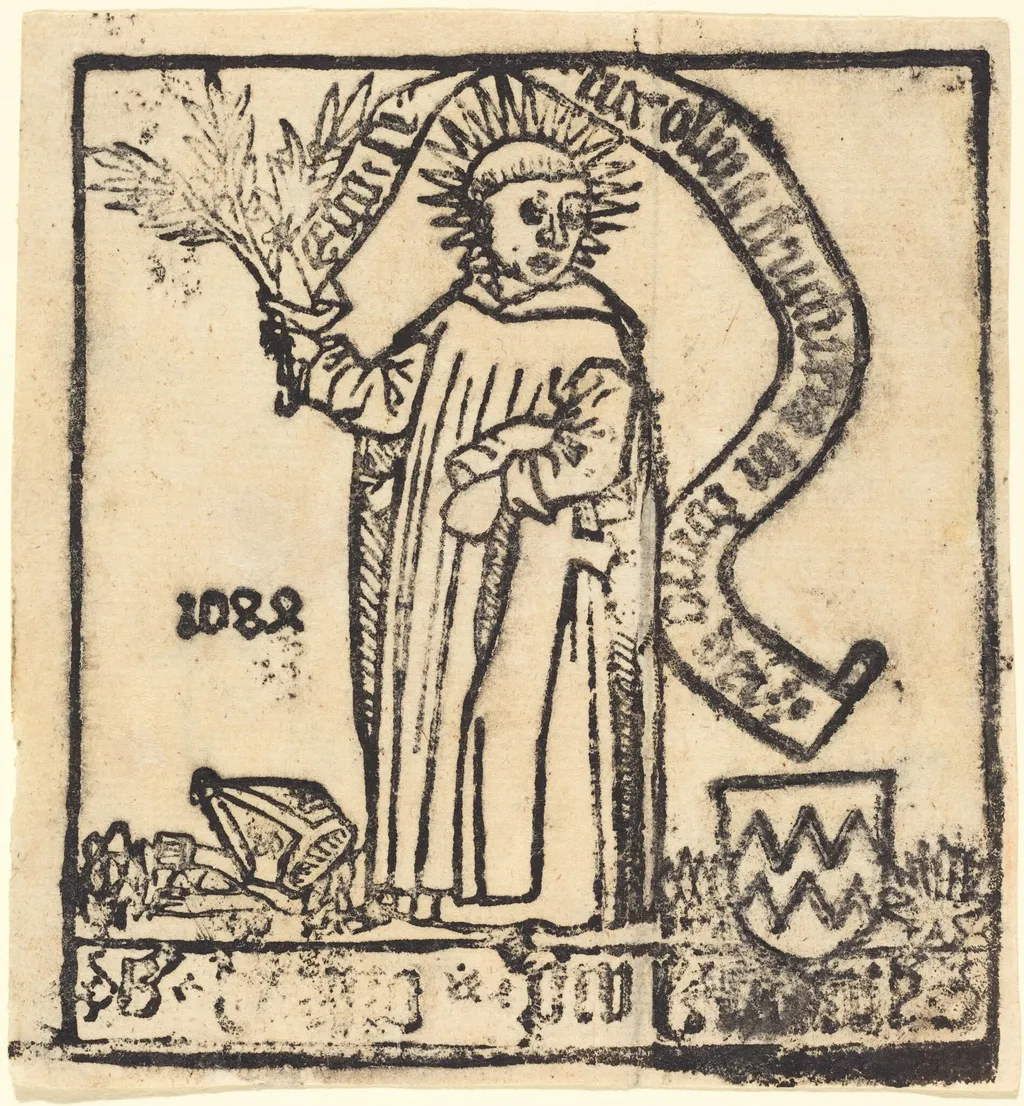
Saint Bruno is an ink print by the Renaissance artist German 15th Century. It dates from 1470 and is held in the collection of the National Gallery of Art.
About this work
Overview
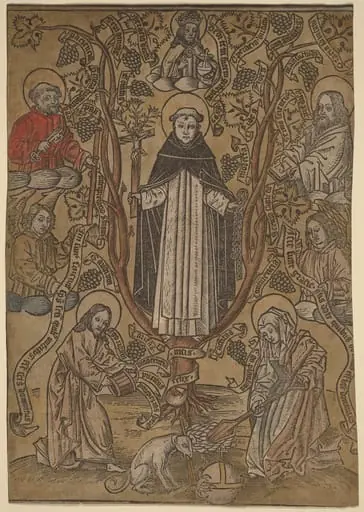
This woodcut depicts Saint Bruno, identifiable by his halo and monastic habit. He stands before an elaborately carved arch, his right hand clutching a plant and his left hand resting on his hip. The composition is framed by a light‑toned background edged with a darker border, emphasizing the figure’s solemn presence.
Subject & Meaning
The saint is presented in traditional iconography: the halo denotes sanctity, while the plant—often a symbol of humility or asceticism—references his hermit origins. The pose, with one hand on the hip, conveys a quiet authority appropriate to Bruno’s role as founder of the Carthusian order.
Technique & Style
Executed as a woodcut, the image relies on bold, clean lines and stark contrasts typical of early Renaissance printmaking. The carving yields simple geometric shapes that define the figure and the ornate arch, while the limited tonal range creates a clear, graphic effect.
History & Provenance
The work belongs to the Renaissance period, when woodcut printing spread across Europe as a means of reproducing religious imagery. Its precise date and original owner are not recorded, but the style aligns with the early 16th‑century Germanic tradition of devotional prints.
Context
Saint Bruno was a 12th‑century monastic reformer, and his representation in print reflects the period’s interest in disseminating models of piety. The decorative arch mirrors architectural motifs found in contemporary churches, linking the saint’s spiritual authority to familiar sacred spaces.
Artist & collection

Artist
This 15th-century German artist carved vivid religious scenes into metal and wood, then hand-painted them in bright, symbolic colors.

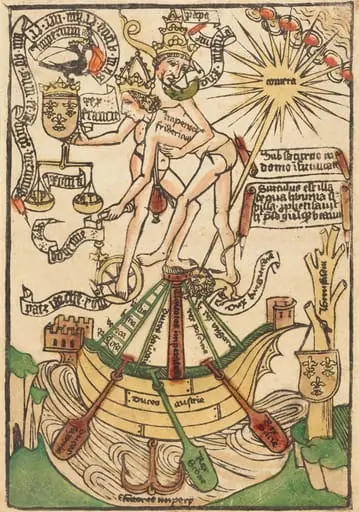 Allegory of the Meeting of Pope Paul II and Emperor Frederick III
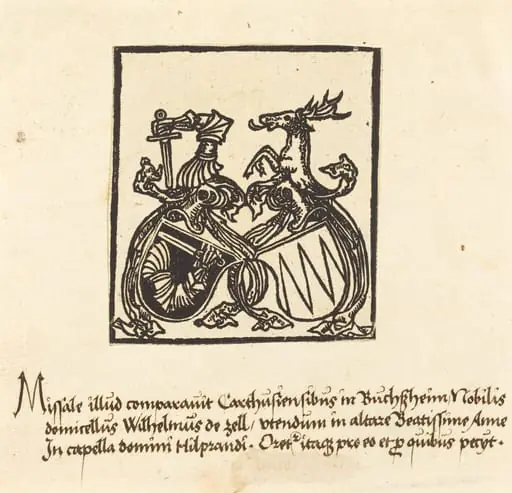 Bookplate of Wilhelm von Zell
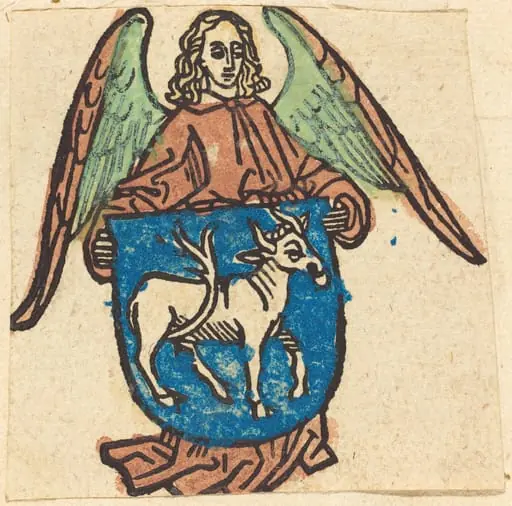 Bookplate of Hilprand Brandenburg of Bibrach
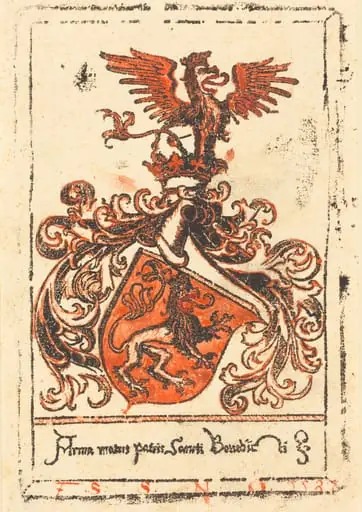 Bookplate of the Abbey of Ottobeuren
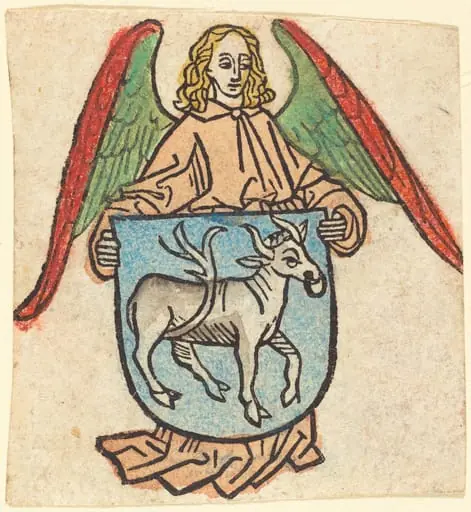 Bookplate of Hilprand Brandenburg of Bibrach
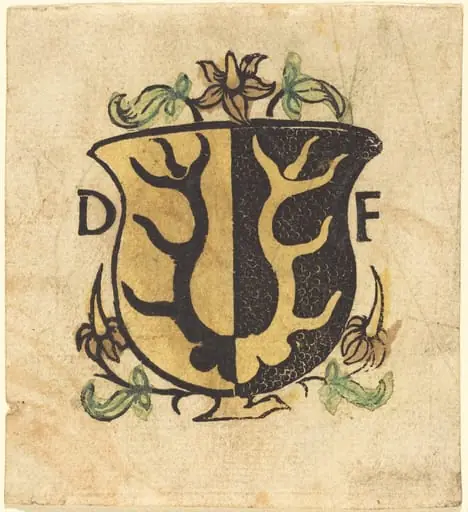 Bookplate of Dominicus Frauenfelder
![Studies for Six Figures (sheet from a model book) [recto], by German 15th Century](https://artifactworldgallery.com/img/german-15th-century--studies-for-six-figures-sheet-from-a-model-book-recto--4837429e0755bc3f-w320.webp) Studies for Six Figures (sheet from a model book) [recto]
Studies for Six Figures (sheet from a model book) [recto]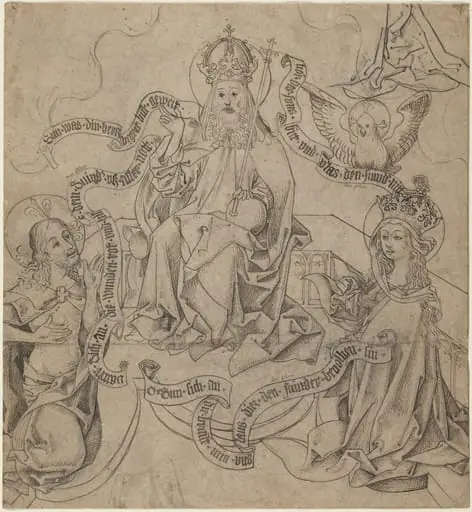 Christ and Mary Interceding with God the Father
![Saint John the Baptist [recto], by German 15th Century](https://artifactworldgallery.com/img/german-15th-century--saint-john-the-baptist-recto--4347da889e7eef62-w320.webp)