Artwork
Studies for Six Figures (sheet from a model book) [recto]
![Studies for Six Figures (sheet from a model book) [recto], by German 15th Century, ink, 1455](https://artifactworldgallery.com/img/german-15th-century--studies-for-six-figures-sheet-from-a-model-book-recto--4837429e0755bc3f-w1024.webp)
Studies for Six Figures (sheet from a model book) [recto] is an ink drawing by the Renaissance artist German 15th Century. It dates from 1455 and is held in the collection of the National Gallery of Art.
About this work
Overview
This sheet from a model book contains three figure studies executed in pen and ink with gray wash and white highlights on prepared brown-gray paper. The loose, rapid strokes suggest a working sketch rather than a finished composition. The figures are arranged in a quiet, natural grouping, indicating the artist’s focus on capturing posture and movement rather than narrative detail.
Subject & Meaning
The figures—seated and standing—are rendered without specific identity, suggesting they served as anonymous models for compositional study. Their simple garments and relaxed poses reflect an interest in everyday human presence. The staff and subtle gestures imply a quiet dignity, possibly hinting at rural or laboring life, though no explicit story is conveyed.
Technique & Style
The artist employed fluid pen lines and layered gray washes to define form and fabric folds, using white heightening to suggest areas of reflected light. Shading is built through varied line density and wash tonality, demonstrating an experimental approach to volume and texture. The absence of rigid outlines emphasizes observation over idealization.
History & Provenance
As part of a model book, this sheet likely functioned as a reference tool for the artist or studio, collecting poses and drapery studies for later use. Such collections were common in Renaissance and Baroque workshops, preserving visual vocabulary for repeated application in larger works. Its survival suggests it was valued as a working document.
Context
During this period, artists routinely compiled figure studies from live models to refine their understanding of anatomy and movement. These sheets were not intended for public display but served as pedagogical and preparatory resources. The use of prepared paper and wash techniques aligns with practices in Italian and Northern European drawing traditions of the time.
Legacy
This drawing exemplifies the quiet, methodical discipline behind larger painted compositions. Its unpolished quality reveals the artist’s process, offering insight into how formal decisions were tested and refined. Such studies remain vital to understanding the transition from observation to finished art in pre-modern practice.
Artist & collection

Artist
This 15th-century German artist carved vivid religious scenes into metal and wood, then hand-painted them in bright, symbolic colors.

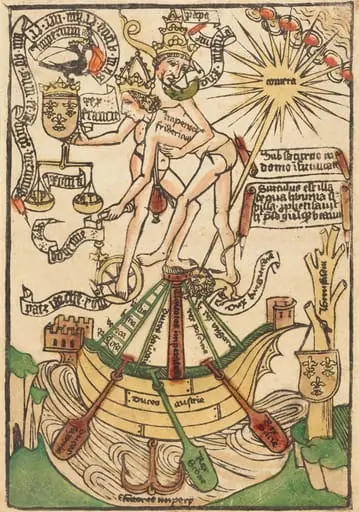 Allegory of the Meeting of Pope Paul II and Emperor Frederick III
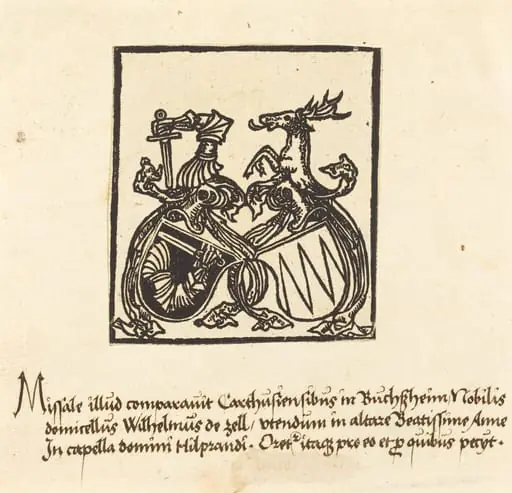 Bookplate of Wilhelm von Zell
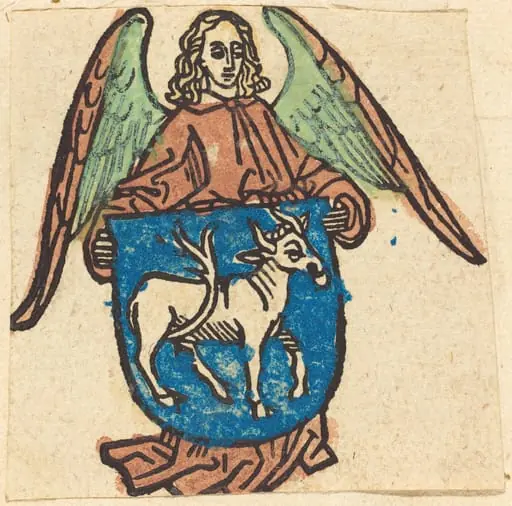 Bookplate of Hilprand Brandenburg of Bibrach
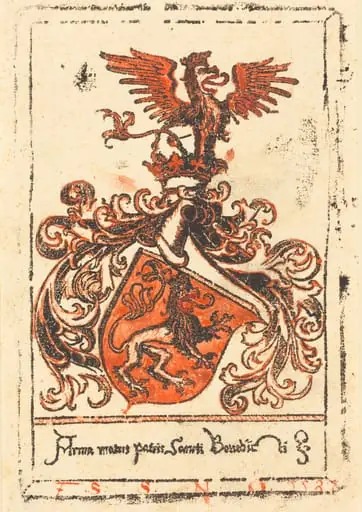 Bookplate of the Abbey of Ottobeuren
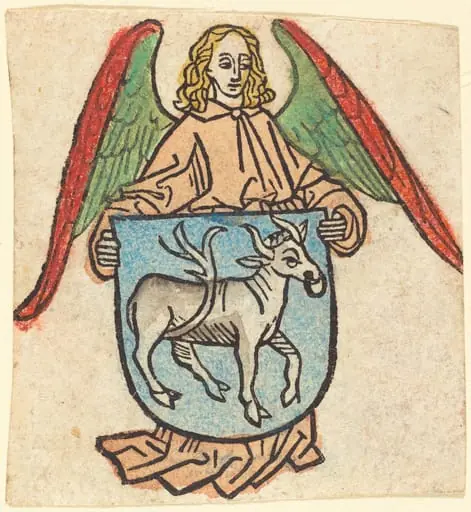 Bookplate of Hilprand Brandenburg of Bibrach
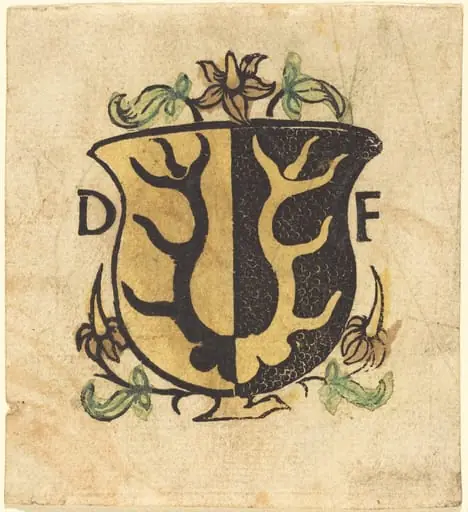 Bookplate of Dominicus Frauenfelder
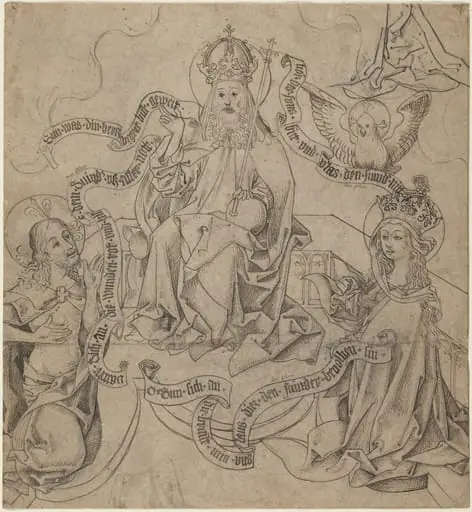 Christ and Mary Interceding with God the Father
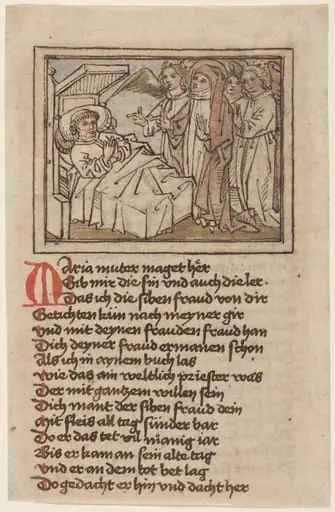 The Virgin Appearing to a Dying Priest
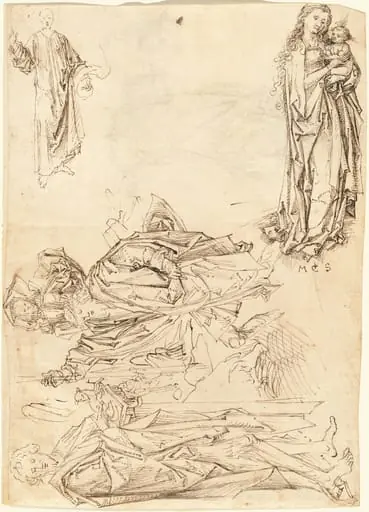 Saint Christopher, Saint John the Baptist, the Virgin and Child, and Christ Blessing (recto)
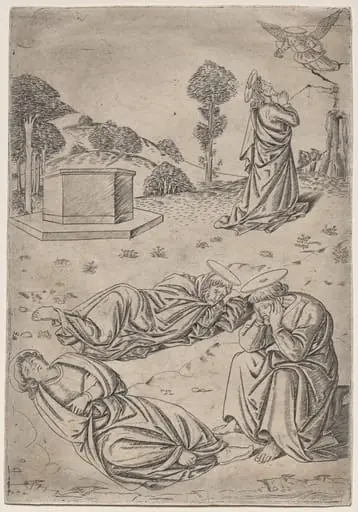 Agony in the Garden
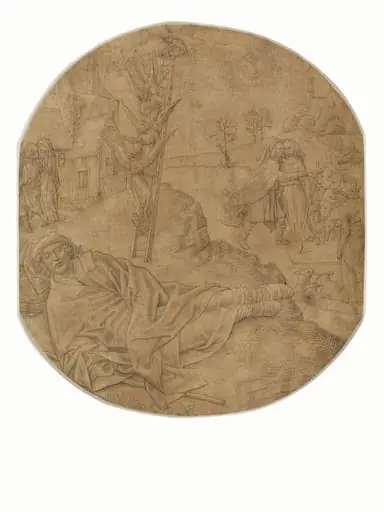 Jacob's Dream
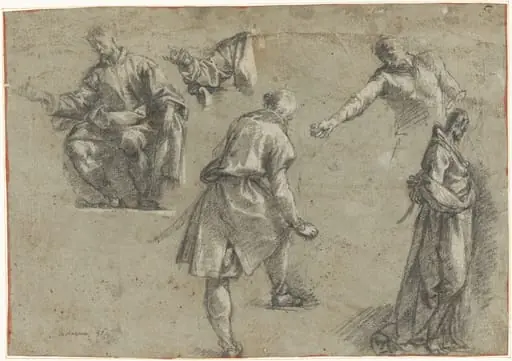 Studies for Christ Before Caiaphas
 Saint Homobono
 A Man Overpowered By Thieves
 David and the Patriarchs with a Donor
 The Angel of the Annunciation
 Spectators Amazed
 The Entombment
 The Lamentation
 The Transfiguration (recto)