Artwork
Bookplate of Wilhelm von Zell
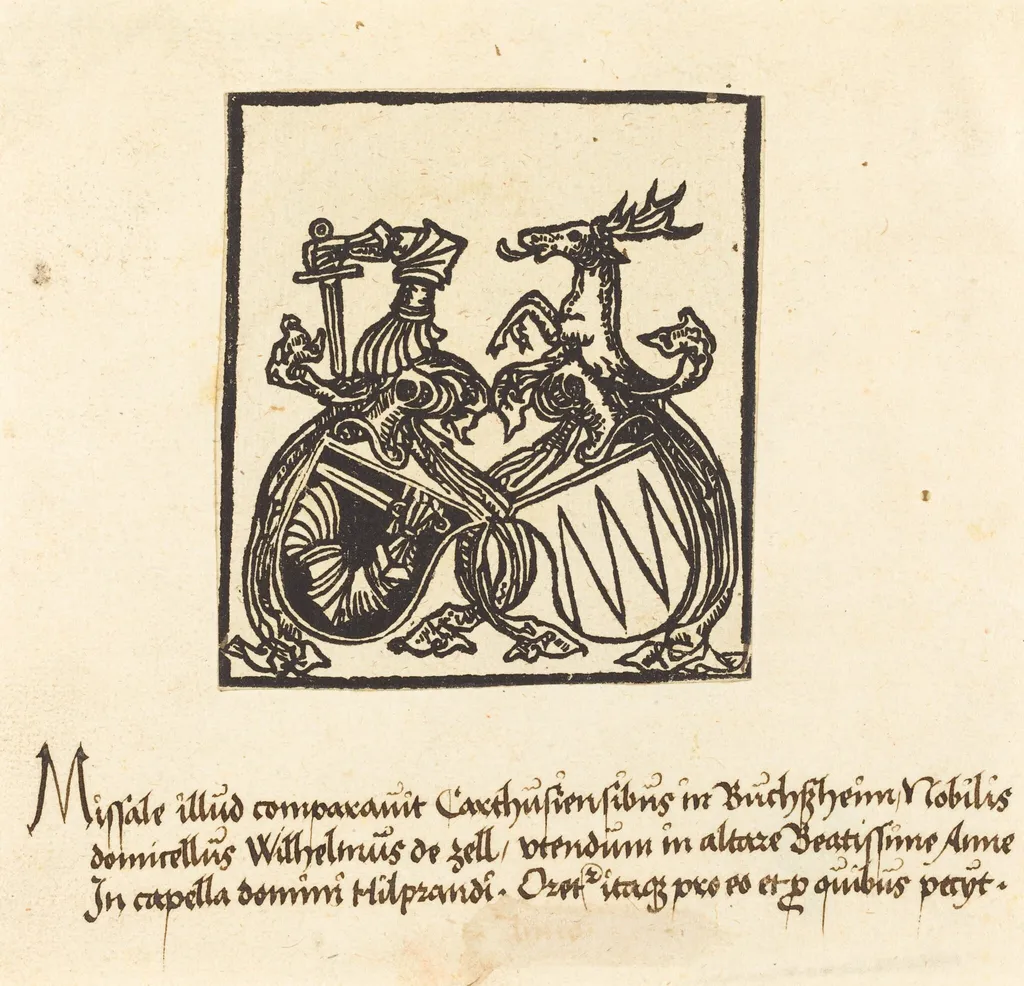
Bookplate of Wilhelm von Zell is an ink print by the Renaissance artist German 15th Century. It dates from 1500 and is held in the collection of the National Gallery of Art.
About this work
Overview
This woodcut bookplate, mounted on laid paper, dates from the early modern period and was created to identify ownership of a personal library.
This woodcut bookplate, mounted on laid paper, dates from the early modern period and was created to identify ownership of a personal library. Executed in black ink on white paper, it features two stylized figures locked in a confrontational pose, framed by a bold black border. The design includes handwritten text identifying Wilhelm von Zell as the owner, reflecting the common practice of marking private collections with personalized emblems.
Subject & Meaning
The central imagery depicts a winged dragon facing a crowned, sword-wielding figure, likely symbolizing a struggle between primal force and sovereign authority. Such pairings in heraldic bookplates often conveyed the owner’s identity through allegory—perhaps suggesting Wilhelm von Zell’s role as a defender of knowledge or a noble protector of his library. The tension between the figures implies a balance of power, not outright victory.
Technique & Style
The image is a woodcut, a relief printing method where ink is applied to raised surfaces carved from a wooden block. Lines are bold and simplified, with sharp contrasts between black and white to ensure clarity in reproduction. The decorative border and stylized figures reflect late medieval and Renaissance heraldic traditions, prioritizing symbolic clarity over naturalism, typical of early printed ownership marks.
History & Provenance
Bookplates like this were widely used in Europe from the 15th century onward to denote private ownership, especially among nobility and scholars. Wilhelm von Zell, though little documented, was likely a member of the German-speaking aristocracy or educated elite. The use of a woodcut suggests a locally produced, possibly hand-carved design, common before the rise of mass-printed labels in the 18th century.
Context
In the early modern period, personal libraries were valued possessions, and bookplates served both practical and symbolic functions. They deterred theft and asserted status. The choice of mythical and martial imagery aligns with broader trends in heraldry, where personal identity was expressed through emblematic conflict. This piece reflects a time when books were rare and their ownership a mark of social standing.
Legacy
Woodcut bookplates such as this one represent an early form of personal branding in print culture. Though largely replaced by simpler labels and stamps, they remain valuable artifacts for understanding private intellectual life in early modern Europe. Surviving examples like this help scholars trace the circulation of books and the social networks of their owners.
Artist & collection

Artist
This 15th-century German artist carved vivid religious scenes into metal and wood, then hand-painted them in bright, symbolic colors.

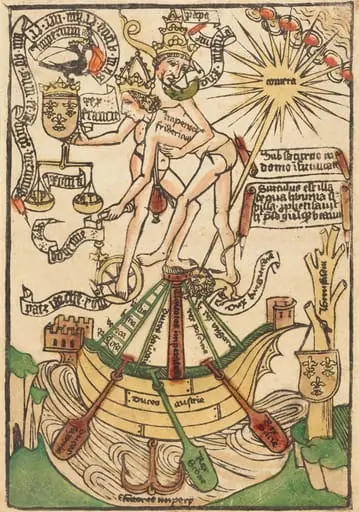 Allegory of the Meeting of Pope Paul II and Emperor Frederick III
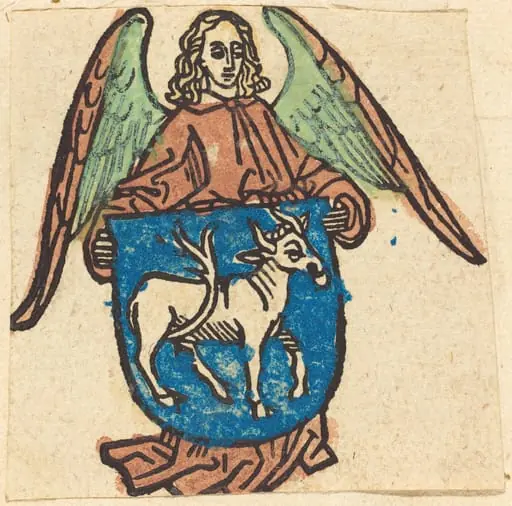 Bookplate of Hilprand Brandenburg of Bibrach
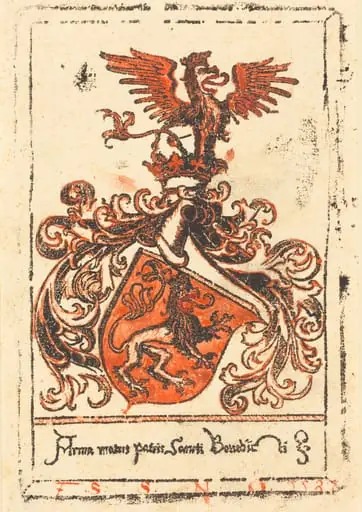 Bookplate of the Abbey of Ottobeuren
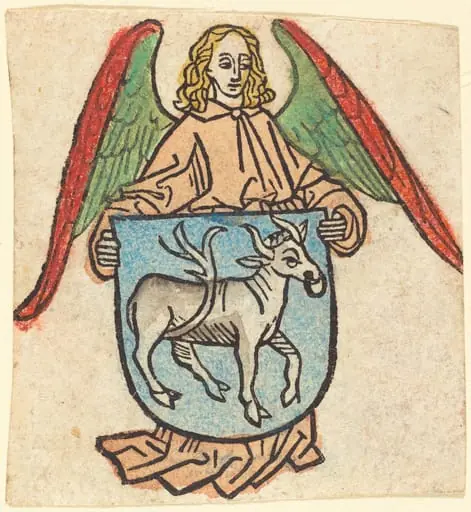 Bookplate of Hilprand Brandenburg of Bibrach
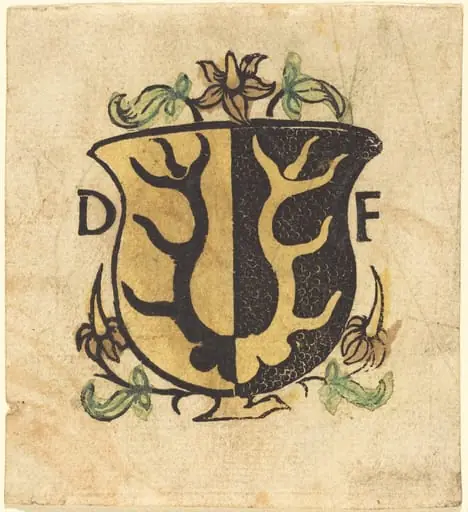 Bookplate of Dominicus Frauenfelder
![Studies for Six Figures (sheet from a model book) [recto], by German 15th Century](https://artifactworldgallery.com/img/german-15th-century--studies-for-six-figures-sheet-from-a-model-book-recto--4837429e0755bc3f-w320.webp) Studies for Six Figures (sheet from a model book) [recto]
Studies for Six Figures (sheet from a model book) [recto]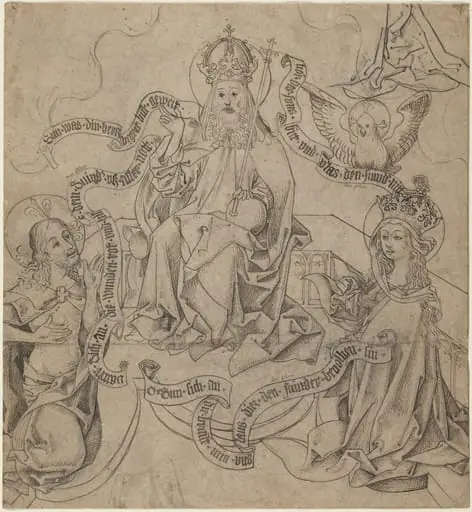 Christ and Mary Interceding with God the Father
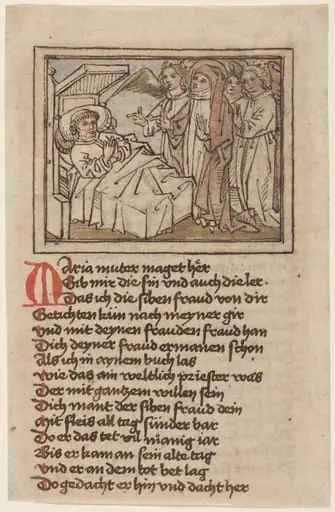 The Virgin Appearing to a Dying Priest
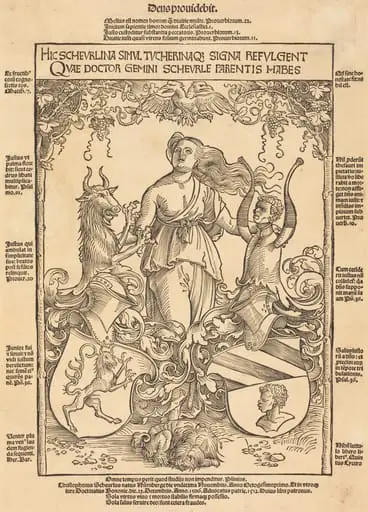 Coat of Arms of Scheurl and Tucher Families
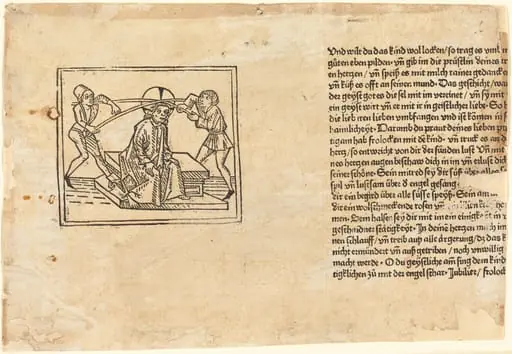 Christ Crowned with Thorns
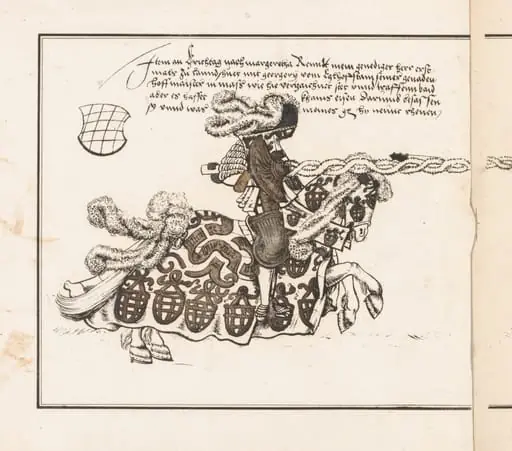 Book on Tournaments: Jouster Facing Right
![Credulity Preparing to Nurse the Mother of Hope [fol. 18 verso], by French early 16th Century](https://artifactworldgallery.com/img/french-early-16th-century--credulity-preparing-to-nurse-the-mother-of-hope-fol-18-verso--7a59375b6e6f5b02-w320.webp) Credulity Preparing to Nurse the Mother of Hope [fol. 18 verso]
Credulity Preparing to Nurse the Mother of Hope [fol. 18 verso]![The Triumphal Chariot of Maximilian I (The Great Triumphal Car) [plate 4 of 8], by Albrecht Dürer](https://artifactworldgallery.com/img/albrecht-durer--the-triumphal-chariot-of-maximilian-i-the-great-triumphal-ca--c3101b959fdb629d-w320.webp) The Triumphal Chariot of Maximilian I (The Great Triumphal Car) [plate 4 of 8]
The Triumphal Chariot of Maximilian I (The Great Triumphal Car) [plate 4 of 8]![The Triumphal Chariot of Maximilian I (The Great Triumphal Car) [plate 3 of 8], by Albrecht Dürer](https://artifactworldgallery.com/img/albrecht-durer--the-triumphal-chariot-of-maximilian-i-the-great-triumphal-ca--2a87fc011039500b-w320.webp) The Triumphal Chariot of Maximilian I (The Great Triumphal Car) [plate 3 of 8]
The Triumphal Chariot of Maximilian I (The Great Triumphal Car) [plate 3 of 8]![The Triumphal Chariot of Maximilian I (The Great Triumphal Car) [plate 5 of 8], by Albrecht Dürer](https://artifactworldgallery.com/img/albrecht-durer--the-triumphal-chariot-of-maximilian-i-the-great-triumphal-ca--9e04416abdc764bf-w320.webp) The Triumphal Chariot of Maximilian I (The Great Triumphal Car) [plate 5 of 8]
The Triumphal Chariot of Maximilian I (The Great Triumphal Car) [plate 5 of 8]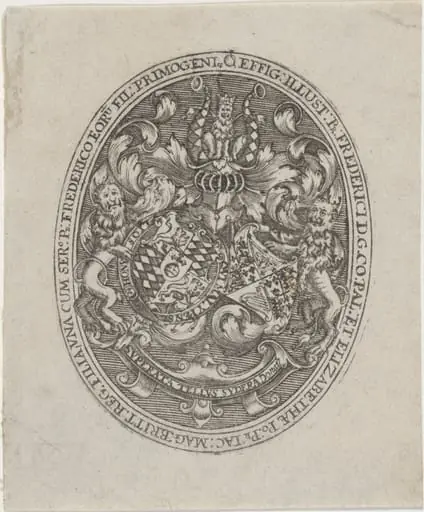 Shields of Frederick V, Elizabeth, and Prince Frederick Henry
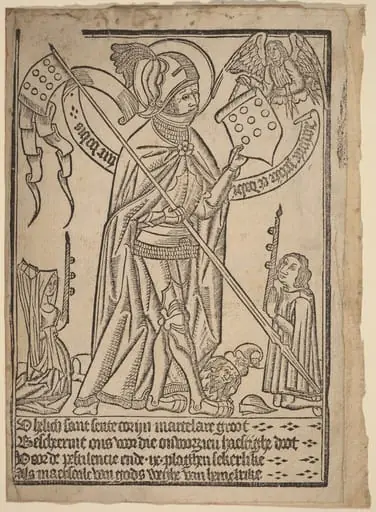 Saint George (?)
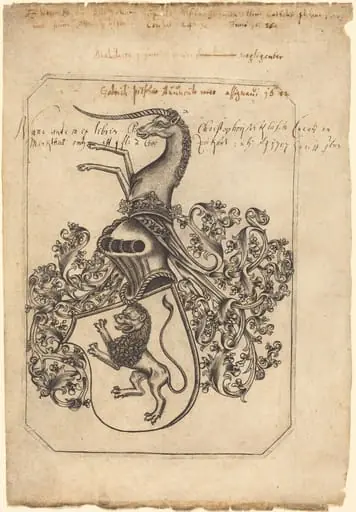 Coat of Arms with a Lion and Unicorn
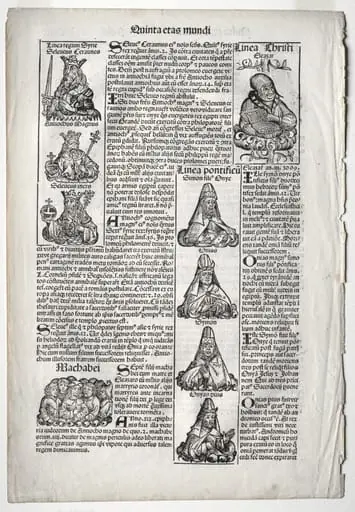 Genealogical Page; published in the Nuremberg Chronicle by Hartmann Schedel