Artwork
The Massacre of the Innocents
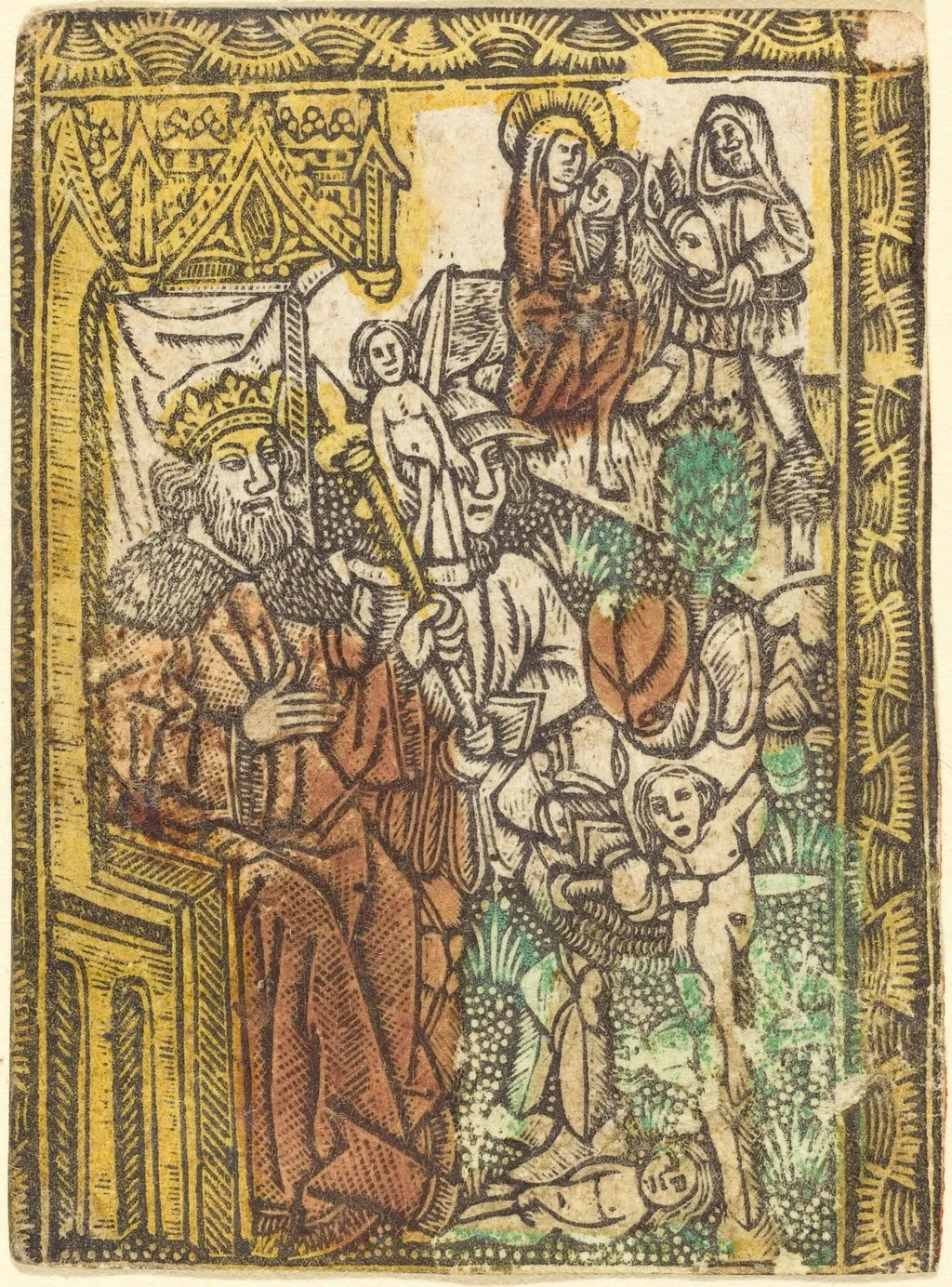
The Massacre of the Innocents is a paint print by the Renaissance artist German 15th Century. It dates from 1475 and is held in the collection of the National Gallery of Art.
About this work
Overview
The Massacre of the Innocents is a metalcut print, enhanced with hand-coloring in a palette dominated by yellow, red-brown lake, and green. The composition depicts a chaotic, violent scene set amidst a forest backdrop, framed by a golden border adorned with intricate patterns.
Subject & Meaning
The print illustrates a biblical narrative where a bearded, crowned figure (likely King Herod) oversees the brutal slaughter of infants by armored soldiers, amidst fleeing women. The subject conveys themes of violence, power, and the plight of the innocent.
Technique & Style
Executed in a style characteristic of its era, the piece combines sharp lines with simple, expressive shapes. The hand-colored elements and overall aesthetic bear a resemblance to woodcuts, reflecting the artistic conventions of the Renaissance period.
Context
Created during the Renaissance, this metalcut engages with the broader artistic trends of the time, including the use of metalcut techniques and the exploration of dramatic, emotionally charged subjects in printmaking.
Legacy
While specific impact or direct influence of this particular print is not detailed, it contributes to the broader legacy of Renaissance printmaking and the enduring depiction of biblical themes in Western art.
Artist & collection

Artist
This 15th-century German artist carved vivid religious scenes into metal and wood, then hand-painted them in bright, symbolic colors.

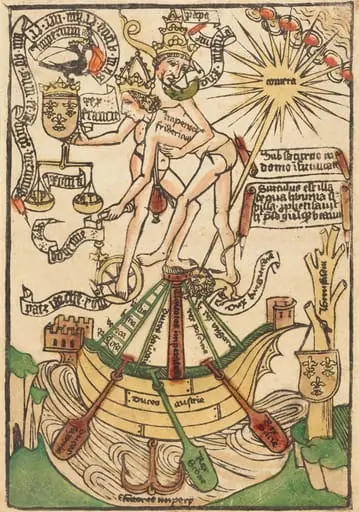 Allegory of the Meeting of Pope Paul II and Emperor Frederick III
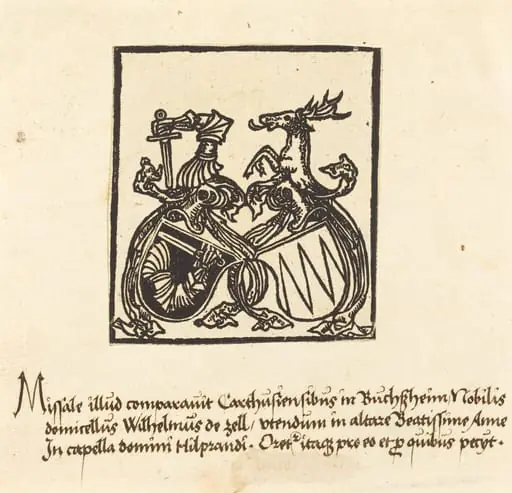 Bookplate of Wilhelm von Zell
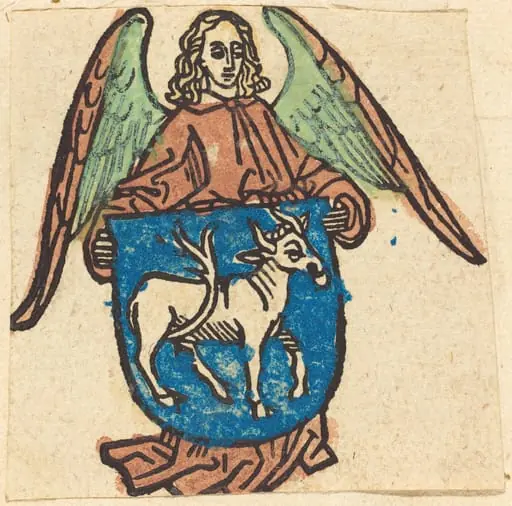 Bookplate of Hilprand Brandenburg of Bibrach
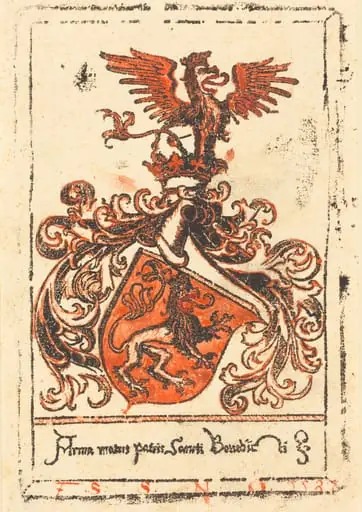 Bookplate of the Abbey of Ottobeuren
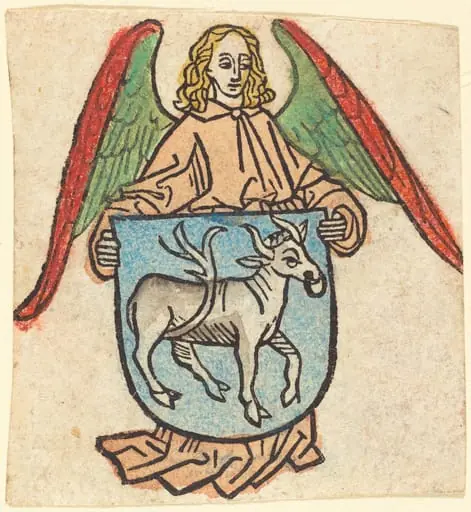 Bookplate of Hilprand Brandenburg of Bibrach
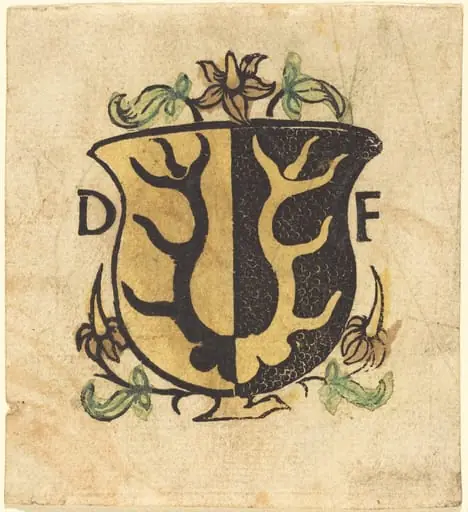 Bookplate of Dominicus Frauenfelder
![Studies for Six Figures (sheet from a model book) [recto], by German 15th Century](https://artifactworldgallery.com/img/german-15th-century--studies-for-six-figures-sheet-from-a-model-book-recto--4837429e0755bc3f-w320.webp) Studies for Six Figures (sheet from a model book) [recto]
Studies for Six Figures (sheet from a model book) [recto]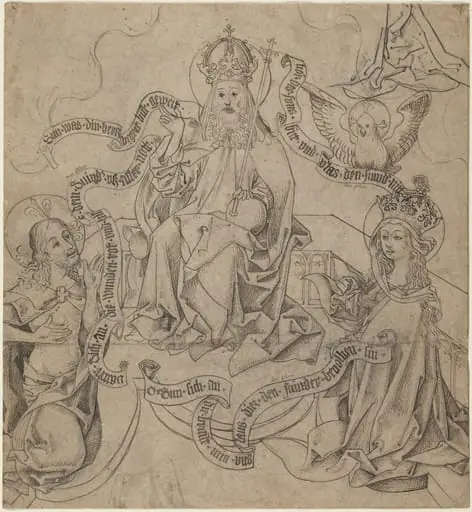 Christ and Mary Interceding with God the Father