Artwork
The Three Maries at the Tomb
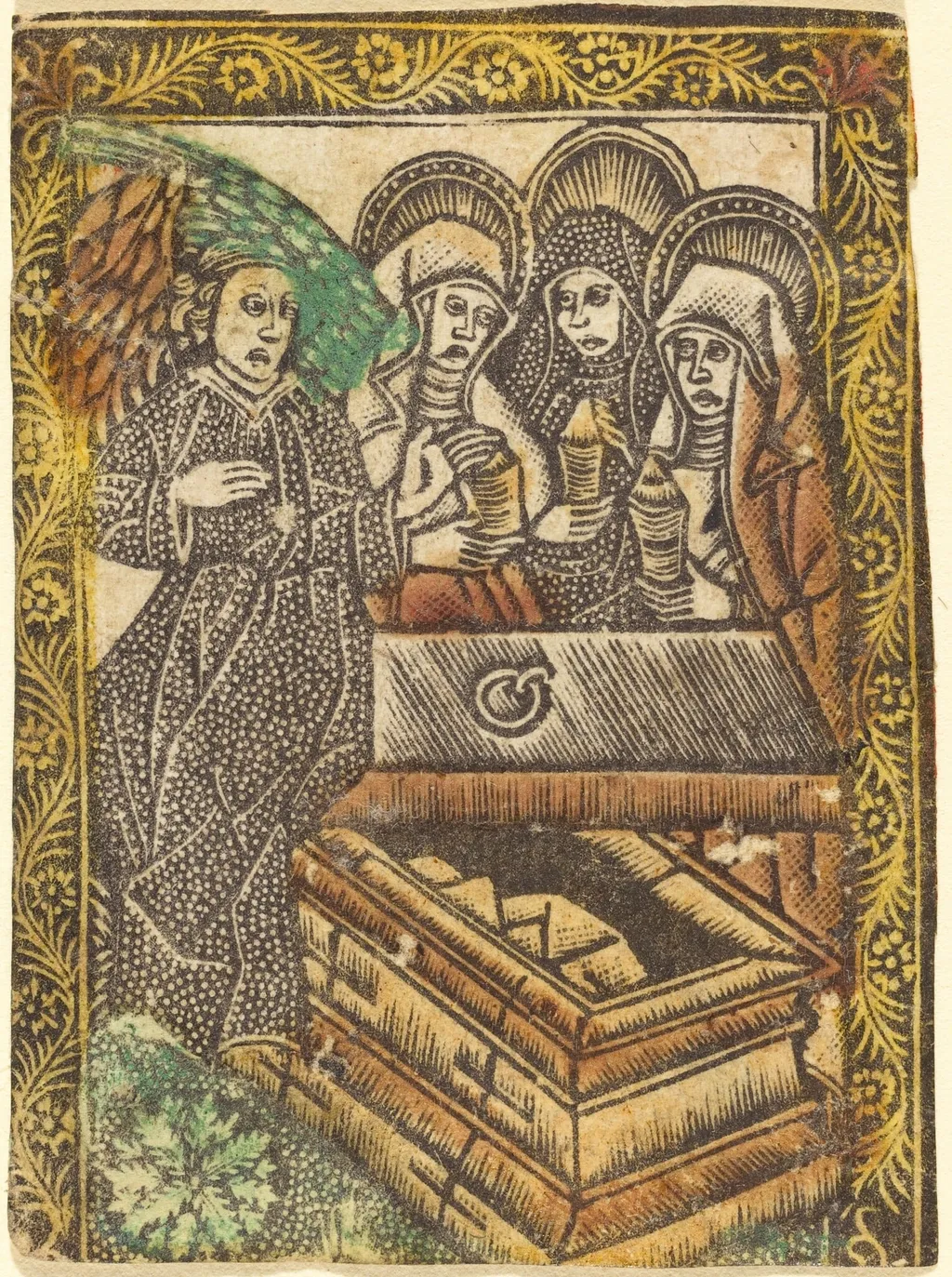
The Three Maries at the Tomb is a paint print by the Renaissance artist German 15th Century. It dates from 1470 and is held in the collection of the National Gallery of Art.
About this work
Overview
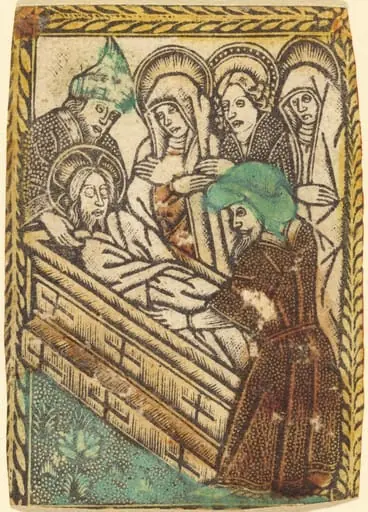
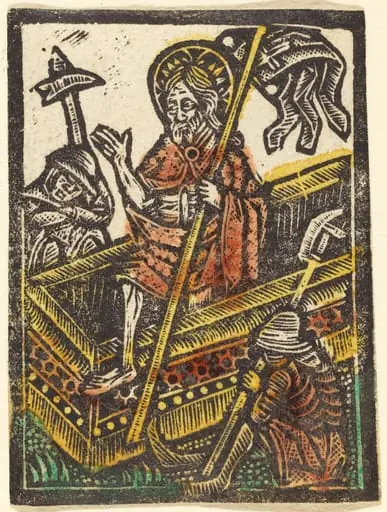
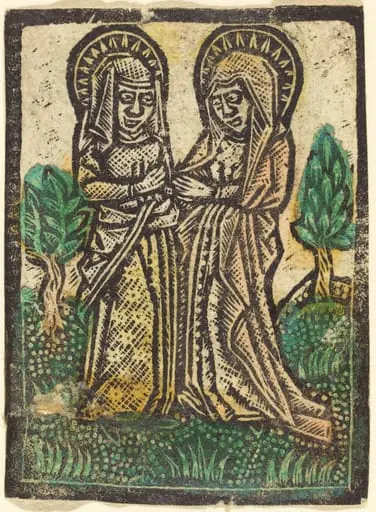
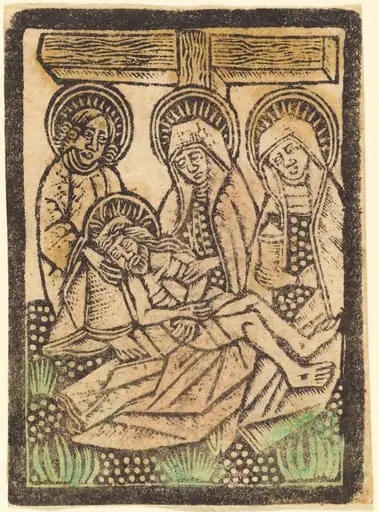
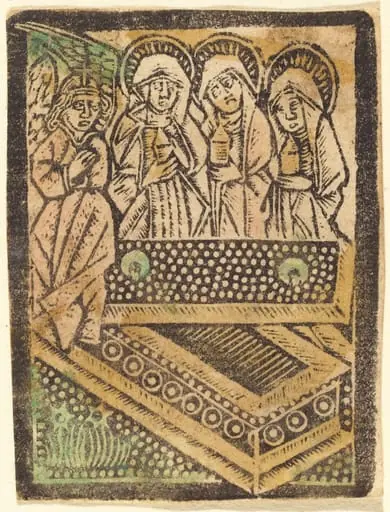
This metalcut print, hand-colored with yellow, red-brown lake, and green pigments, depicts a biblical scene of three women gathered at an open tomb.
This metalcut print, hand-colored with yellow, red-brown lake, and green pigments, depicts a biblical scene of three women gathered at an open tomb. A fourth figure stands distantly in the background. The composition is restrained yet detailed, with emphasis on quiet reverence rather than dramatic action. The use of color enhances spatial depth and textural variation, typical of early Renaissance printmaking techniques that sought to elevate devotional imagery through subtle visual refinement.
Subject & Meaning
The scene illustrates the moment after Christ’s resurrection, when the Three Maries—Mary Magdalene and two other women—arrive at the tomb to anoint his body. Their postures suggest prayer or mourning, aligning with Gospel accounts of their devotion. The ornate tomb and distant figure, likely an angel or guardian, reinforce the sacred nature of the event. The image functions as a devotional aid, inviting contemplation of resurrection and faith through quiet, intimate representation.
Technique & Style
Executed as a metalcut, the image was carved into a metal plate and printed, then delicately hand-painted with mineral-based pigments. The coloring—yellow, red-brown lake, and green—was applied with precision to suggest fabric folds, stone texture, and atmospheric depth. The style reflects early Renaissance printmaking, where clarity of form and restrained ornamentation replaced medieval stylization, prioritizing naturalism and emotional restraint over theatricality.
History & Provenance
The print originates from the late 15th or early 16th century, likely produced in a German or Netherlandish workshop known for devotional prints. Metalcuts were popular for their durability and capacity for multiple impressions, making them accessible to private collectors and religious institutions. While its exact origin remains undocumented, its technique and iconography align with regional practices that circulated religious imagery beyond ecclesiastical settings.
Context
Created during a period of growing lay piety, this print reflects the Renaissance trend of personal devotion through accessible art. As printing technology expanded, images like this enabled individuals to engage with sacred narratives outside church rituals. The emphasis on the Maries’ quiet grief mirrors contemporary spiritual writings that valued introspection and emotional sincerity, bridging theological themes with everyday religious practice.
Legacy
This print exemplifies how early printmaking democratized religious imagery, influencing later devotional art across Europe. Its restrained composition and hand-coloring set a precedent for the integration of fine detail with emotional subtlety in printed religious scenes. Though overshadowed by larger paintings, such works sustained spiritual engagement in domestic and private settings, leaving a quiet but enduring mark on the visual culture of early modern Christianity.
Artist & collection

Artist
This 15th-century German artist carved vivid religious scenes into metal and wood, then hand-painted them in bright, symbolic colors.

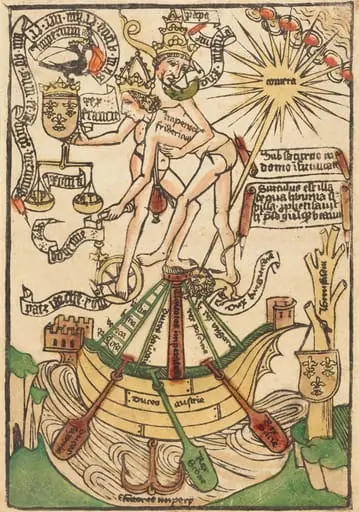 Allegory of the Meeting of Pope Paul II and Emperor Frederick III
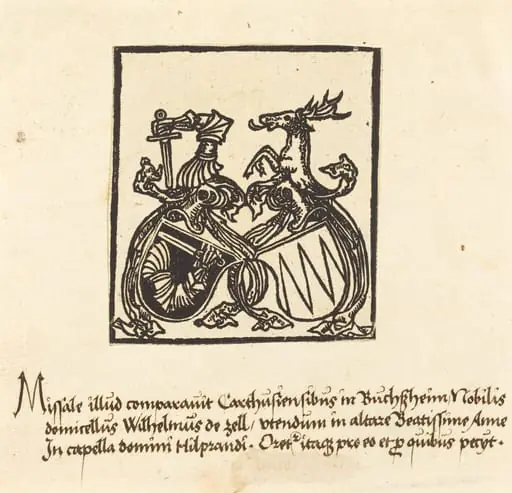 Bookplate of Wilhelm von Zell
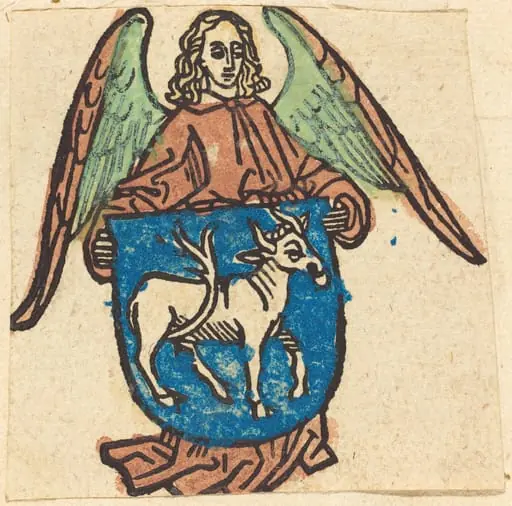 Bookplate of Hilprand Brandenburg of Bibrach
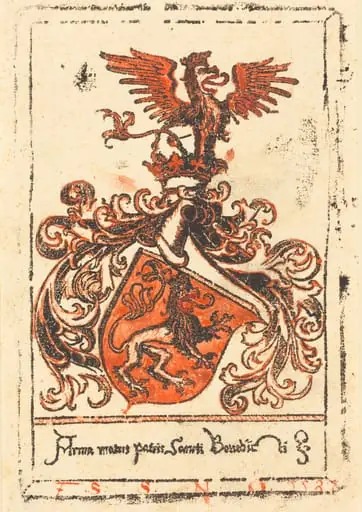 Bookplate of the Abbey of Ottobeuren
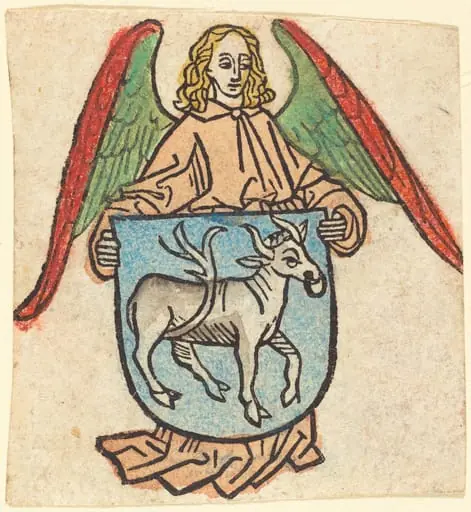 Bookplate of Hilprand Brandenburg of Bibrach
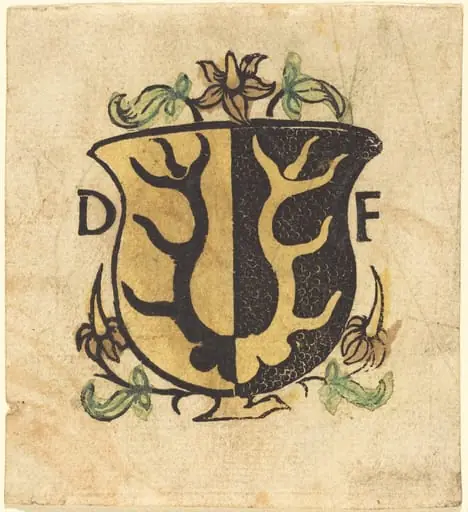 Bookplate of Dominicus Frauenfelder
![Studies for Six Figures (sheet from a model book) [recto], by German 15th Century](https://artifactworldgallery.com/img/german-15th-century--studies-for-six-figures-sheet-from-a-model-book-recto--4837429e0755bc3f-w320.webp) Studies for Six Figures (sheet from a model book) [recto]
Studies for Six Figures (sheet from a model book) [recto] Christ and Mary Interceding with God the Father