Artwork
The Entombment
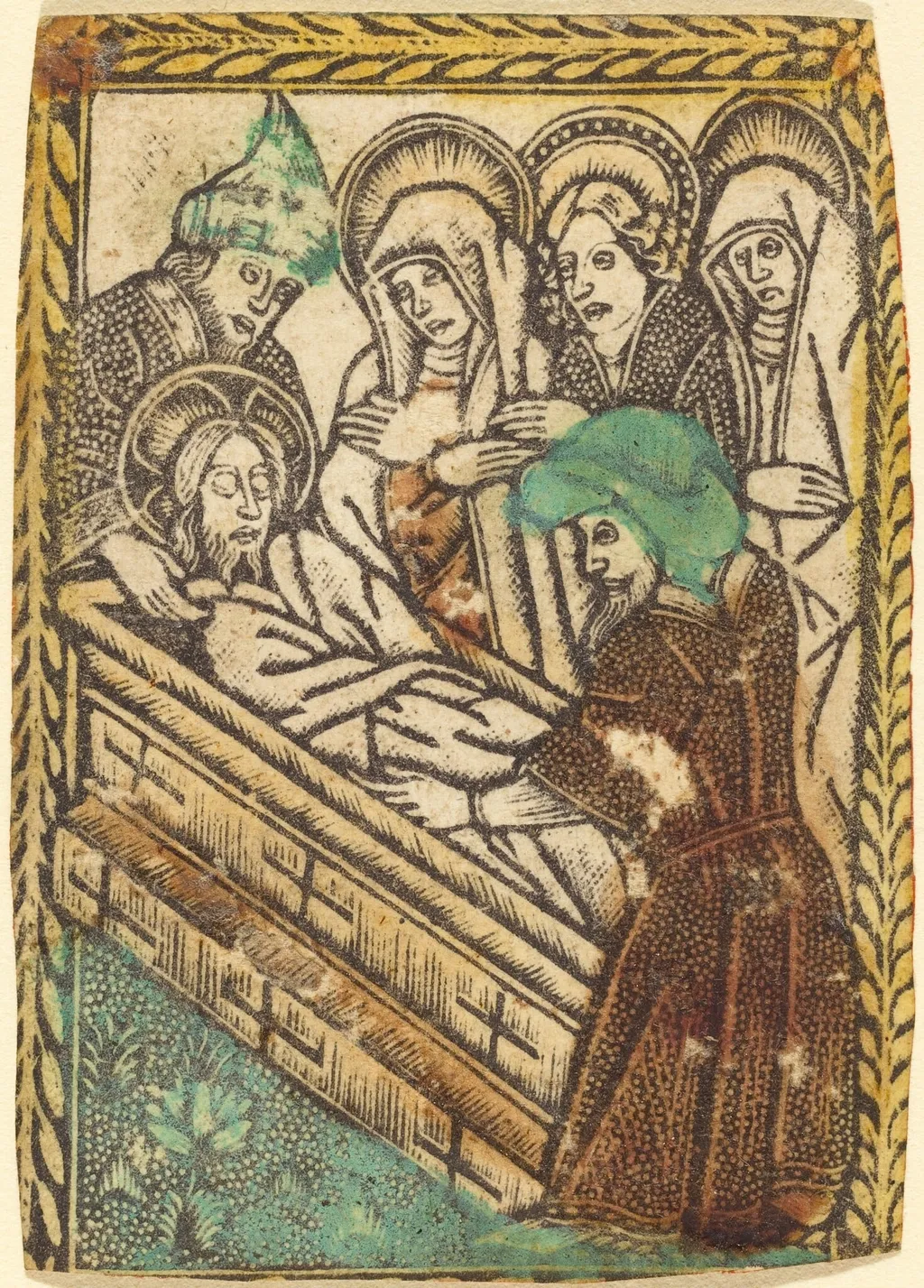
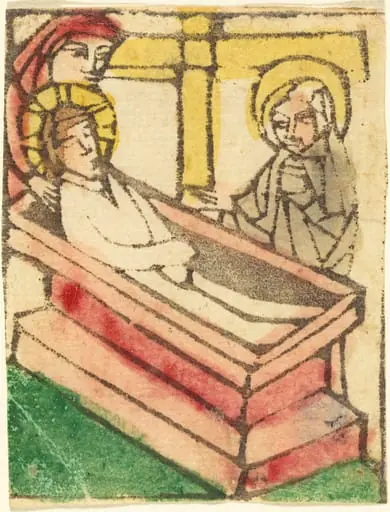
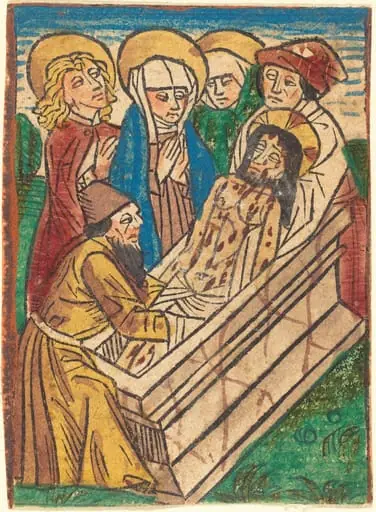
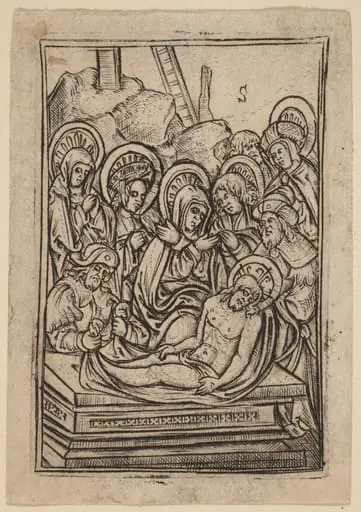
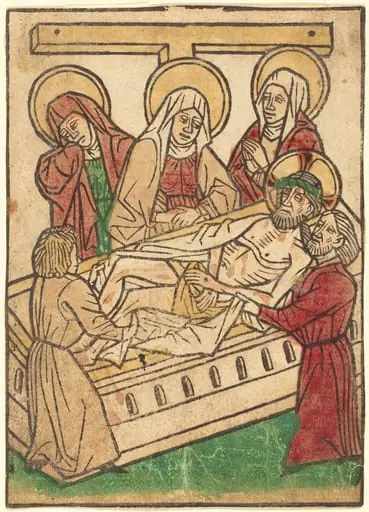
The Entombment is a paint print by the Renaissance artist German 15th Century. It dates from 1470 and is held in the collection of the National Gallery of Art.
About this work
Overview
The Entombment is a small metalcut print, hand-colored in a vibrant palette of yellow, red-brown lake, and green. The compact scene depicts a emotionally charged gathering of five figures around a shrouded body within a tomb.
Subject & Meaning
The artwork illustrates a somber, intimate moment of mourning, with three standing and two lying figures clustered around the deceased. The composition conveys a sense of collective grief and reverence.
Technique & Style
Executed as a metalcut with hand-coloring, the piece features sharp lines, bold, flat colors, and stylized figures with large eyes, prioritizing narrative expressiveness over realism. The technique differs from woodcuts in its use of metal tools.
Context
The use of strong contrasts and dramatic lighting effects in The Entombment relates to the artistic principle of chiaroscuro, which emphasizes the interplay of light and shadow to heighten emotional impact.
Legacy
While specific legacy details of The Entombment are not provided, its style and technique reflect broader artistic trends of its time, potentially influencing or echoing contemporary representations of mournful scenes in early printmaking.
Artist & collection

Artist
This 15th-century German artist carved vivid religious scenes into metal and wood, then hand-painted them in bright, symbolic colors.

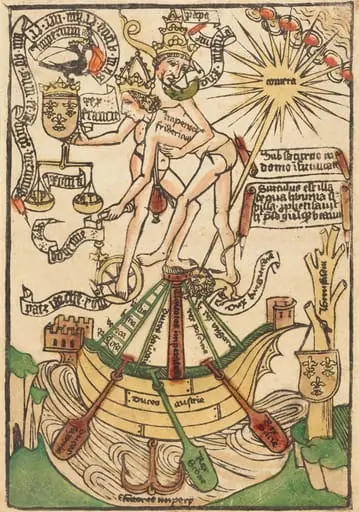 Allegory of the Meeting of Pope Paul II and Emperor Frederick III
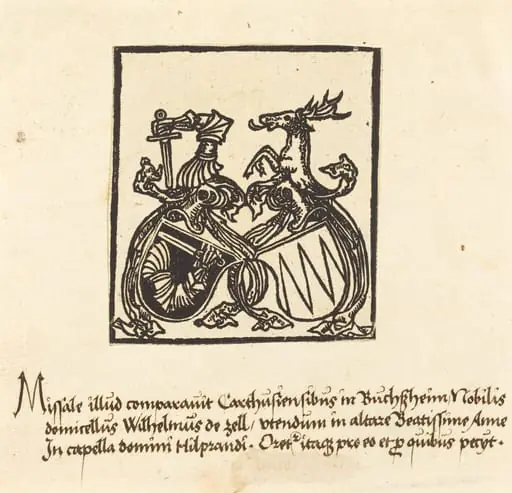 Bookplate of Wilhelm von Zell
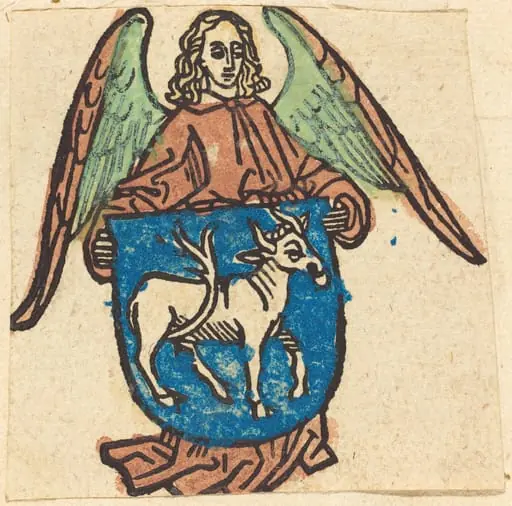 Bookplate of Hilprand Brandenburg of Bibrach
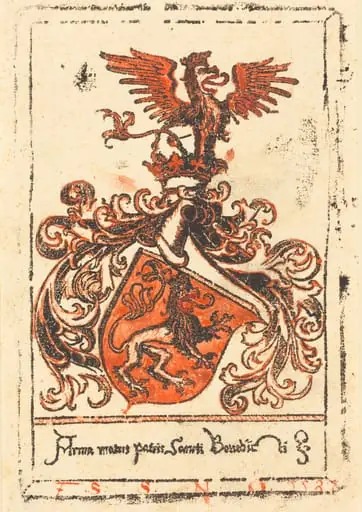 Bookplate of the Abbey of Ottobeuren
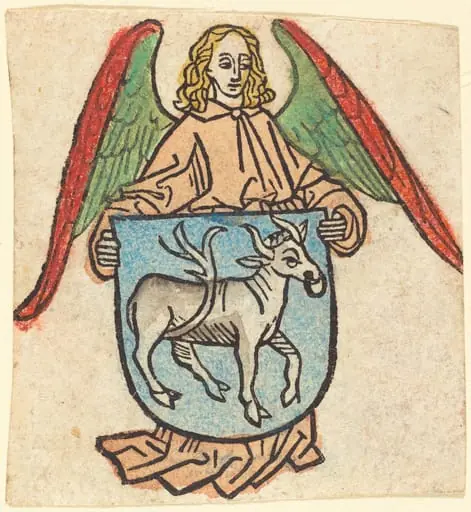 Bookplate of Hilprand Brandenburg of Bibrach
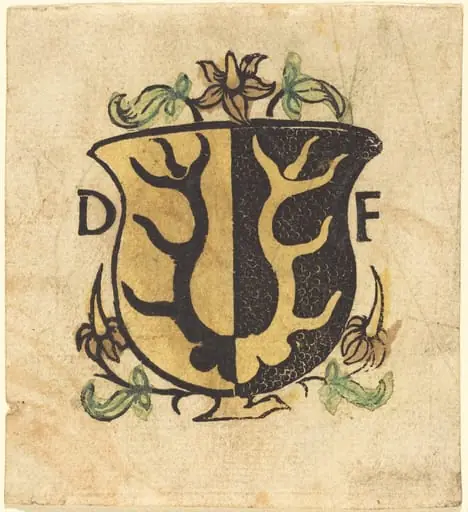 Bookplate of Dominicus Frauenfelder
![Studies for Six Figures (sheet from a model book) [recto], by German 15th Century](https://artifactworldgallery.com/img/german-15th-century--studies-for-six-figures-sheet-from-a-model-book-recto--4837429e0755bc3f-w320.webp) Studies for Six Figures (sheet from a model book) [recto]
Studies for Six Figures (sheet from a model book) [recto]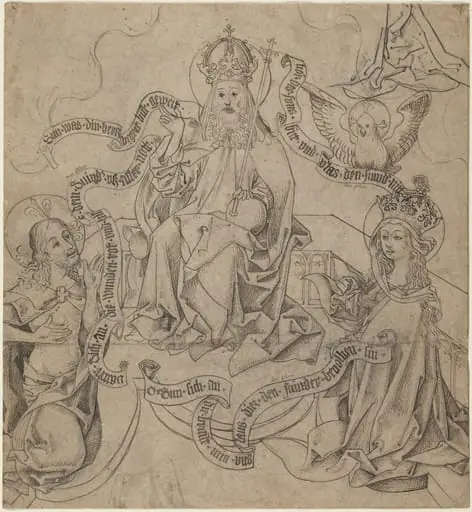 Christ and Mary Interceding with God the Father